More Indonesians Have Work, but Many Still Need Better Jobs
Indonesia had 147.99 million employed people in August 2026, an increase of 1.44 million from a year earlier, according to Statistics Indonesia (BPS). Unemployment fell to 7.38 million, yet a growing share of workers held informal jobs and 12.84 million were working fewer hours than they wanted or were available to work.
Contents
- More Indonesians Have Work, but Many Still Need Better Jobs
- Employment Grew Faster Than the Labor Force
- The Dates Behind the Comparison
- Formal Employment Increased, but Lost Share
- Why Informal Work Matters to Households
- Underemployment Rose Despite Lower Unemployment
- Nearly One Third Worked Fewer Than 35 Hours
- Women's Participation and Unemployment Moved Unfavorably
- Agriculture Led Employment as Education Levels Shifted
- Key Points
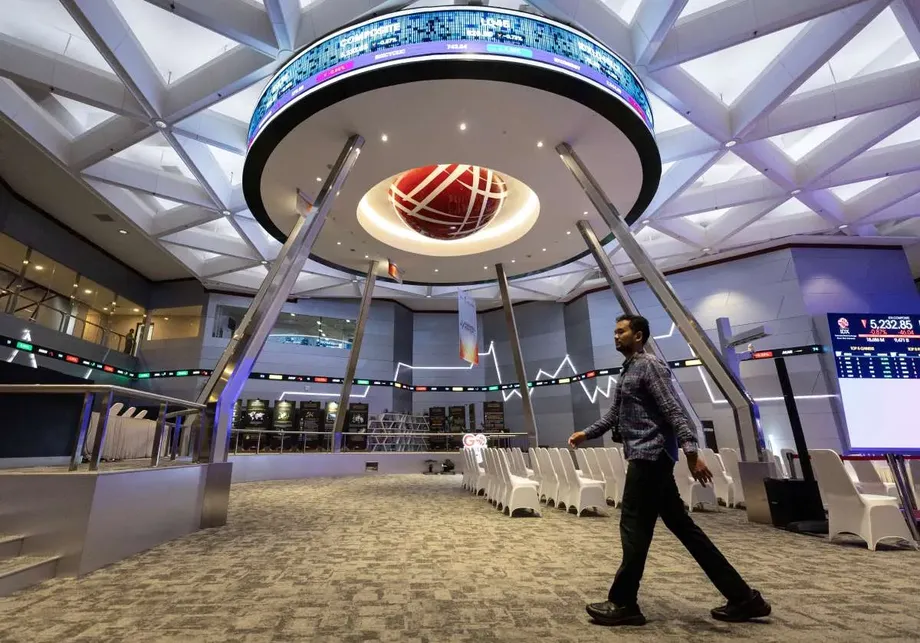
BPS presented the figures at a press conference in Jakarta on November 5, 2026. The unemployment rate declined from 4.85% in August 2025 to 4.75% in August 2026, while the number of unemployed people fell by approximately 77,000.
Formal employment also expanded, adding 410,000 workers. Its share of total employment nevertheless slipped to 42.07%, because employment outside the formal category grew faster. Informal workers accounted for the remaining 57.93%, or nearly six in every 10 employed Indonesians.
The figures describe progress in getting more people into work alongside continuing pressure on the quality and quantity of work available. For a household, finding some paid activity can bring immediate income. Obtaining enough hours, dependable earnings and employment protections is a further step.
Employment Grew Faster Than the Labor Force
Indonesia's labor force reached 155.37 million people in August, an increase of 1.366 million from August 2025. The labor force includes employed people and those classified as unemployed.
Employment increased slightly faster than that total, helping reduce unemployment. The rise of 1.44 million employed people is the net change between the two August measurements: people entered employment while others left it during the year.
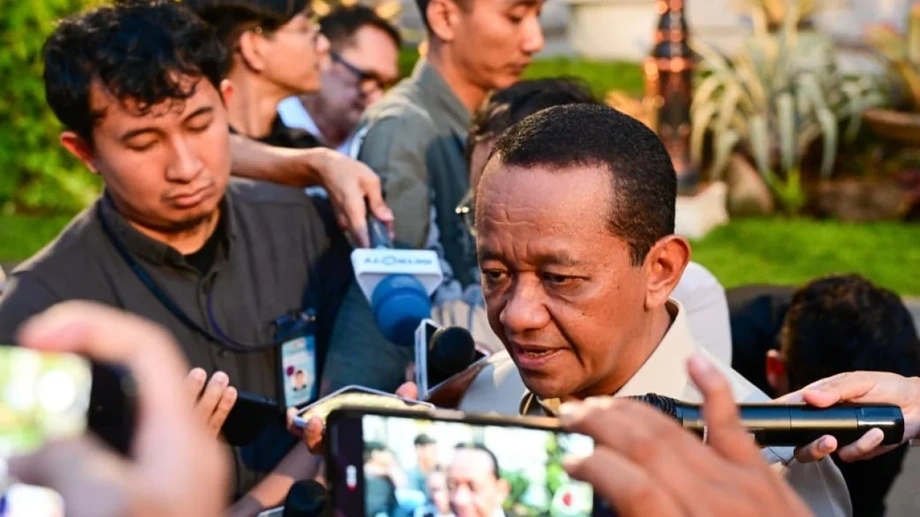
BPS deputy Edy Mahmud gave the unemployment total at the Jakarta briefing:
As of August 2026, there were 7.38 million unemployed people, equivalent to an open unemployment rate of 4.75%.
A rate of 4.75% means that roughly five of every 100 people in the labor force were unemployed. The decline from 4.85% was 0.10 percentage point, the direct difference between the two percentages.
The Dates Behind the Comparison
August is the period measured by the latest employment figures, while November 5 is the date BPS presented them. The annual comparison therefore tracks changes between August 2025 and August 2026.
- August 2025: Unemployment stood at 4.85%, formal workers represented 42.20% of employment, and underemployment was 7.91%.
- August 2026: Employment reached 147.99 million, unemployment fell to 4.75%, and underemployment rose to 8.68%.
- November 5, 2026: BPS presented the August figures at its press conference in Jakarta.
The August unemployment rate of 4.75% also differs from the 4.65% figure cited by the Coordinating Ministry for Economic Affairs on October 27, discussed alongside older job seekers' difficulties. No explanation was given for the difference between that ministry figure and the August rate presented on November 5.
For the annual comparison, the August figures provide a consistent pair: 4.85% in 2025 and 4.75% in 2026. They show a modest reduction in unemployment rather than a large fall.
Formal Employment Increased, but Lost Share
Formal workers numbered 62.25 million in August 2026, up from 61.84 million a year earlier. Edy attributed the increase to growth in the number of laborers, employees and civil servants.
Edy, a BPS deputy responsible for statistical accounts and analysis, described the change:
Driven by an increase in the number of laborers, employees, and civil servants, the number of formal workers reached approximately 62.25 million in August 2026.
The 410,000 increase in formal workers was equivalent to about 28.5% of the 1.44 million net rise in employment. Put simply, fewer than three of every 10 additional employed people were accounted for by the increase in the formal category.
Formal employment's share fell by 0.13 percentage point, from 42.20% to 42.07%. Informal employment's share rose by the same amount, from 57.80% to 57.93%. A category can grow in headcount while losing share when the total grows faster.
Why Informal Work Matters to Households
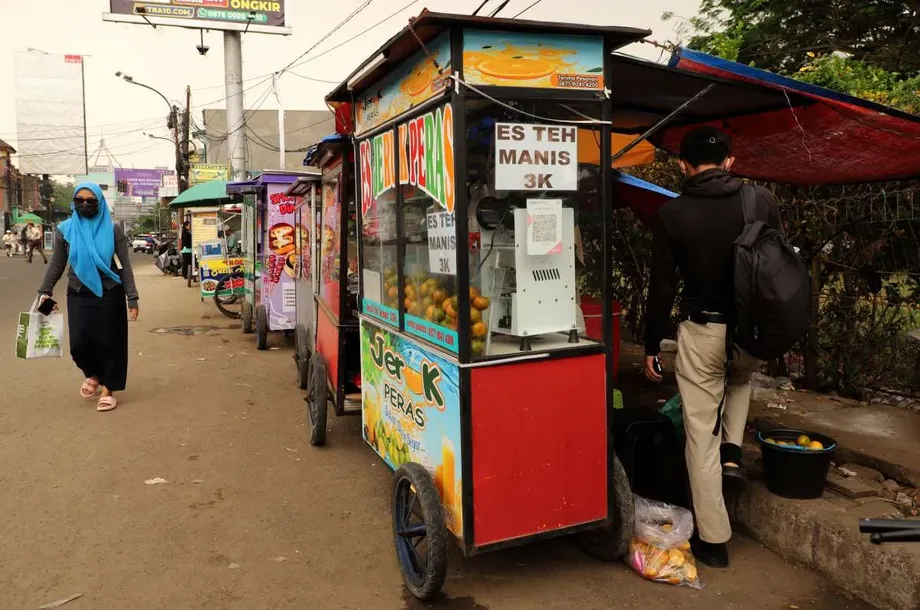
Informal employment includes many people who work for themselves, casual laborers and unpaid family workers. Such work provides income and supports businesses across Indonesia, although earnings can be less predictable and employment protections more limited than in formal positions.
Edy said greater attention was needed to expanding formal employment and improving employment status. With informal workers forming the majority, the question for many households is whether their work provides a dependable livelihood.
A worker dismissed by a company may move into informal work and remain counted as employed, Edy explained. The person's employment status changes even though they continue to earn income through work.
That movement connects the unemployment figures with everyday experience. Someone who replaces a regular company job with casual work still has employment, but may face a different schedule, less certainty about the next payment and different protections. BPS's employment categories help describe those changes alongside the total number working.
Underemployment Rose Despite Lower Unemployment
BPS counted 12.84 million underemployed people in August 2026, representing 8.68% of all employed people. The share was up from 7.91% in August 2025, an increase of 0.77 percentage point.
Underemployed people work fewer than 35 hours a week and are seeking additional work or are available to take it. They have work, but their hours leave room for more employment.
The increase means that a larger proportion of employed Indonesians were in this situation even as the unemployment rate fell. Unemployment and underemployment describe different pressures: one concerns people without work, while the other concerns employed people who need or can accept more work.
For a person paid by the hour, task or day, a shortage of work can limit earnings. The 12.84 million figure therefore adds an important measure of unmet demand for work to the headline count of 7.38 million unemployed people.
Nearly One Third Worked Fewer Than 35 Hours
BPS divided employed people into three groups based on weekly hours and whether they wanted or were available for more work. Full time workers were the largest group, numbering 99.85 million, or 67.47% of employment.
- Full time workers worked at least 35 hours a week: 99.85 million people, or 67.47%.
- Part time workers worked fewer than 35 hours and were not seeking or available for additional work: 35.29 million, or 23.85%.
- Underemployed workers worked fewer than 35 hours and were seeking or available for additional work: 12.84 million, or 8.68%.
About 48.14 million people worked between one and 34 hours a week, accounting for 32.53% of employment. Within that group, roughly one in four was classified as underemployed, calculated from the 12.84 million underemployed people and the total working shorter hours.
Edy explained that the employment definition follows International Labour Organization standards and includes someone who performs work for income for at least one hour during the reference week. The reference week is the week used to measure a person's work activity. The hours categories then show how much work people had and whether they were seeking more.
Women's Participation and Unemployment Moved Unfavorably
Indonesia's labor force participation rate declined from 70.59% in August 2025 to 70.33% in August 2026. This measures the share of the working age population belonging to the labor force.
The number in the labor force increased while participation fell because a headcount and a population share measure different things. The labor force grew, but not as quickly as the working age population against which participation is measured.
Participation stood at 84.16% for men and 56.37% for women, a gap of 27.79 percentage points. Both rates were lower than a year earlier.
Edy also said unemployment declined among men but increased among women. Women's lower participation and rising unemployment describe two separate difficulties: a smaller share belonged to the labor force, while a larger share of women within it were unemployed. BPS's national decline in unemployment therefore accompanied less favorable results for women.
Agriculture Led Employment as Education Levels Shifted
Agriculture remained Indonesia's largest employer, accounting for 28.20% of employed people. Wholesale and retail trade followed at 17.86%, with manufacturing at 13.75%.
Together, those three sectors employed 59.81% of workers, close to three in every five. Applying the reported shares to total employment gives approximately 41.73 million people in agriculture, 26.43 million in wholesale and retail trade, and 20.35 million in manufacturing.
BPS also recorded a gradual change in workers' education. People with elementary education or less remained the largest educational group, at 33.89% of employed people. Those with tertiary education or a diploma accounted for 13.37%.
Edy described how those shares had moved over the year:
Compared with August last year, the share of workers with an elementary school education or lower declined, while the proportion of workers with a diploma or higher education increased.
The employment picture combines several changes: more people working, a smaller unemployed share, continued reliance on informal work and a rise in underemployment. For workers and their families, the gains are most tangible when employment also brings enough hours and a reliable income.
Key Points
- Employment reached 147.99 million in August 2026, up 1.44 million from a year earlier.
- Unemployment fell by approximately 77,000 to 7.38 million, with the rate declining from 4.85% to 4.75%.
- Formal employment added 410,000 workers, but its share slipped to 42.07%; informal work accounted for 57.93%.
- Underemployment rose from 7.91% to 8.68%, affecting 12.84 million employed people.
- Labor force participation fell to 70.33%, and unemployment increased among women while declining among men.
- Agriculture, wholesale and retail trade, and manufacturing together employed 59.81% of workers.