New ownership labels will show connections behind the names
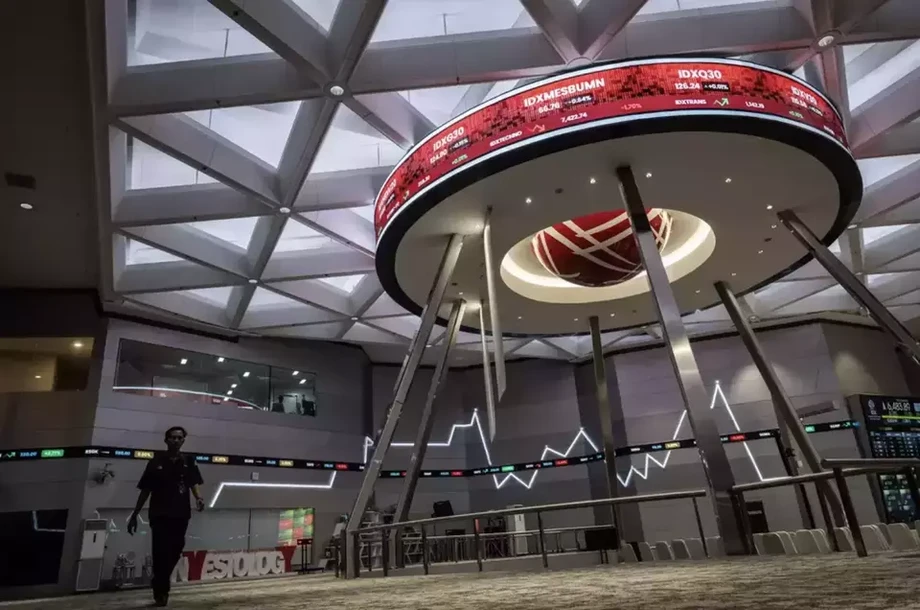
Indonesia's stock exchange will publish whether shareholders owning more than 1% of a listed company are its controller or affiliated with its controller, adding a new layer of information about who holds influence over businesses traded on the market.
Contents
- New ownership labels will show connections behind the names
- What companies must disclose
- How the disclosure threshold has changed
- The dates behind the latest changes
- Investor categories expand from nine to 39
- Concentration reviews now reach smaller companies
- Why concentrated stocks are leaving the main index
- MSCI pressure puts transparency under scrutiny
- What investors will be able to examine
- Key Points
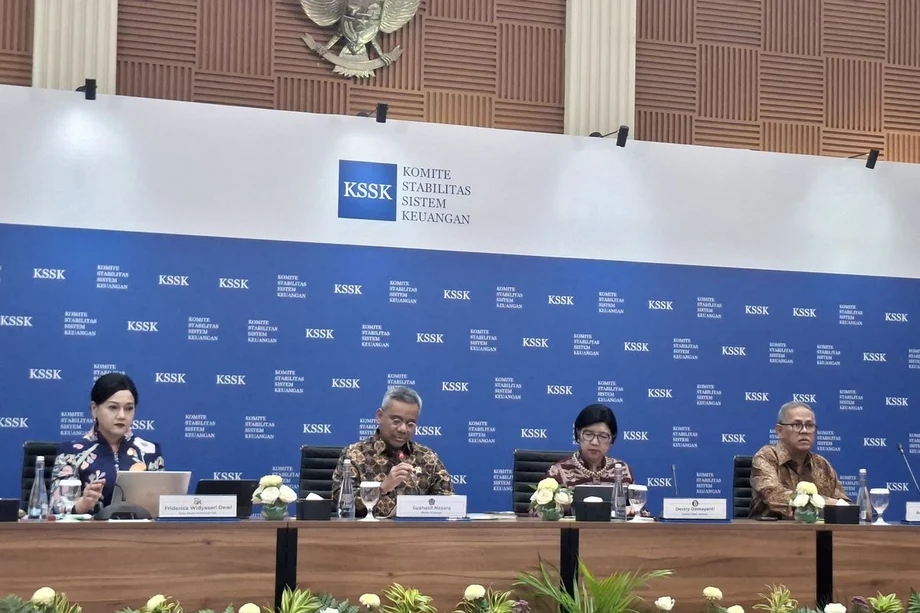
The Indonesia Stock Exchange, known as BEI or IDX, and PT Kustodian Sentral Efek Indonesia (KSEI), the central securities depository, announced the monthly publication in a joint statement late on November 4, 2026. Details released on November 5 said the first publication would use ownership records dated October 30.
The requirement is set out in IDX directors' decree Kep-00160/BEI/11-2026, dated November 2, which changes the rules for monthly share ownership registration reports. According to the exchange, the Financial Services Authority, Otoritas Jasa Keuangan (OJK), has approved the rules.
Investors already have access to names of shareholders holding more than 1%. The latest change adds their relationship to the party controlling the company. That matters because several shareholders listed separately may have connections that make ownership more concentrated than a list of names initially suggests.
The announcement comes after global index provider MSCI warned in October that Indonesia could be downgraded to standalone market status. MSCI said clients had raised concerns about opaque ownership structures and coordinated trading behaviour.
Indonesia's response extends beyond adding labels to shareholder records. The exchange has expanded investor classifications, widened its review of shares with concentrated ownership and changed which stocks contribute to its main market index. Together, those measures address three different needs: identifying owners, showing connections between them and adjusting how the market is measured.
What companies must disclose
Listed companies must complete their monthly securities registration reports, known as LBRE, with information identifying shareholders above the 1% threshold as controllers or affiliates of controllers. IDX will publish the information on its website each month.
A controller is the party with the power to direct a company. An affiliate is a connected person or organisation. For readers examining a share register, the new labels provide a way to see which named shareholders have a relationship with the controlling party, alongside the size of their individual holdings.
IDX and KSEI explained the purpose in their joint statement:
It provides a clearer picture of company's shareholding structure, concentration of ownership and the ownership relationships between the controlling party and its affiliates
The publication will draw on reports submitted by the listed companies themselves. Companies therefore have to supply the relationship information that will appear in the public records, making completion of the monthly report an important part of the disclosure process.
How the disclosure threshold has changed
IDX and KSEI previously expanded public disclosure from shareholders owning more than 5% to those owning more than 1%. The latest reform builds on that broader list by adding information about control and affiliation.
The threshold change brought holdings between those levels into public view. The relationship labels now answer a different question: which of the disclosed shareholders are connected to the party directing the company?
IDX President Director Jeffrey Hendrik described the staged approach at a seminar in Mandalika, Lombok, in remarks published on November 1. He said the exchange first published shareholder names, then expanded investor classifications and was preparing to add affiliation information.
Jeffrey described the next step in these words:
Going forward, we will also indicate whether these shareholders are affiliated or unaffiliated to improve the quality of transparency,
Jeffrey also said Indonesia and India were the only countries publicly disclosing the identities of shareholders holding more than 1%. His comparison presented Indonesia's disclosure threshold as unusually broad, while the new rules focus on making the information behind those names more useful.
The dates behind the latest changes
Several related measures were announced or took effect during October and early November. The date of the ownership snapshot is separate from the date of the decree and the announcement of publication.
- October 10, 2026: IDX described ownership data covering 39 investor classifications and types, including local and foreign ownership, alongside wider reviews of concentrated shareholdings.
- October 2026: MSCI warned that Indonesia could be downgraded to standalone market status, citing concerns raised by clients.
- October 26, 2026: Jeffrey explained how the removal of stocks with high ownership concentration from the main index would be implemented.
- October 30, 2026: The ownership snapshot selected for the first publication of controller and affiliate information.
- November 2, 2026: IDX dated its revised reporting decree. Stocks on its High Shareholding Concentration list were also scheduled to leave the main index calculation from this date.
- November 4 and 5, 2026: IDX and KSEI announced the monthly relationship disclosures, with further details identifying the October 30 starting dataset.
IDX Corporate Secretary Elsierra Putri Yosita confirmed that the controller and affiliate information would be published monthly, beginning with the October 30 records. The announcement did not give a specific release day for this new dataset.
Investor categories expand from nine to 39
IDX has also expanded its investor classification system from nine categories to 39. The more detailed data includes a division between local and foreign ownership, allowing investors to examine both the types of shareholders involved and where they are based.
The change adds 30 categories, making the classification system more than four times as large as before. It supplies a more detailed breakdown of ownership than the earlier nine categories could provide.
Aulia Noviana Utami Putri, identified by IDX as acting corporate secretary in its October communication, said the classification data was distributed through the exchange website on the second day of the following month.
The classification records and controller labels serve different purposes. Investor categories describe the kinds of holders in a company's share register. Controller and affiliate information describes relationships with the party directing the company. Reading them together gives investors a fuller view of how ownership is organised.
Concentration reviews now reach smaller companies
IDX and KSEI have widened the scope of their High Shareholding Concentration (HSC) methodology. The review previously used a price impact ratio for stocks with market capitalisation above Rp 10 trillion. The revised scope reaches stocks above Rp 5 trillion.
Market capitalisation is the stock market value of a company, calculated by multiplying its share price by the number of shares. Reducing the review threshold from Rp 10 trillion to Rp 5 trillion cuts that entry point in half and brings a wider range of companies within the review.
The price impact ratio is a measure used in that assessment to examine how trading affects prices. Ownership concentration matters because a small group holding a large portion of a company's shares can leave fewer shares available for other investors to trade.
Aulia said the wider scope would allow ownership concentration to be monitored across a larger population of stocks. The exchange has also begun identifying shares with high ownership concentration publicly, giving investors another piece of information to consider alongside the shareholder register.
Why concentrated stocks are leaving the main index
Stocks on the HSC list were scheduled to be excluded from calculation of Indonesia's main stock market index, the IHSG, from November 2. They had already been excluded from the IDX30, LQ45 and IDX80 indices.
An index combines movements in selected stocks into a single measure. Each constituent has a weight, or share of influence over the index. Jeffrey said the weights of HSC stocks removed from the IHSG calculation would be distributed among the remaining constituent stocks.
IDX said it had run historical tests, often called back tests, to assess the change. According to Jeffrey, the implementation would avoid a drastic fall or jump caused by the adjustment itself. Subsequent index movements would depend on the prices of the stocks remaining in the calculation.
The exchange said its aim was to make the IHSG a more representative measure of the Indonesian stock market. Investors following the benchmark would consequently be tracking a calculation that excludes the HSC stocks, while those stocks remain the subject of separate ownership disclosures.
MSCI pressure puts transparency under scrutiny
MSCI's October warning gives the ownership reforms an international audience. The index provider said clients had flagged opaque shareholding structures and coordinated trading behaviour in Indonesia.
Global index providers classify markets and build benchmarks used by investment funds. A move to standalone status would place Indonesia in a separate category rather than its existing market grouping, potentially affecting its place in benchmarks followed by international investors.
The controller and affiliate labels address a concrete information gap: investors can see individual holdings yet still need to understand connections among the holders. The broader classification data and HSC reviews add detail about investor composition and the concentration of ownership.
MSCI's possible downgrade remained a warning at the time of the announcement. No decision date was given. IDX and KSEI said their continuing work on market data took account of input from investors and global index providers.
What investors will be able to examine
Investors studying a listed company will have several related sets of information to compare: the names and stakes of shareholders above 1%, their status in relation to the controller, the investor classification breakdown and any HSC designation.
A shareholder list can show how much each named party owns. Affiliation labels can then show connections between those parties and the controller. The practical benefit is a better view of how influence may be grouped within a company, rather than an assessment based solely on separate names and percentages.
Monthly publication also provides successive snapshots. Investors can compare ownership records over time to follow changes in stakes and disclosed relationships, while recognising that each publication describes ownership at its stated reporting date.
IDX said the fuller records were intended to support investment decisions and market supervision. For ordinary shareholders, the immediate change is access to more information before deciding whether to buy, hold or sell. For market supervisors, the same records offer a more detailed picture of ownership concentration and connections across a company's share register.
Key Points
- IDX and KSEI will publish controller and controller affiliate status for shareholders owning more than 1% of listed companies.
- The first publication will use ownership data dated October 30, 2026, followed by monthly updates.
- IDX decree Kep-00160/BEI/11-2026, dated November 2, changes monthly reporting requirements and has OJK approval, according to the exchange.
- Investor classifications have expanded from nine to 39, with local and foreign ownership information.
- The HSC review threshold has fallen from market capitalisation above Rp 10 trillion to above Rp 5 trillion.
- HSC stocks were scheduled to leave the IHSG calculation from November 2, after earlier exclusions from three other indices.
- MSCI warned in October of a possible downgrade to standalone status amid client concerns about ownership transparency and coordinated trading.