Weather Maps Trigger Withdrawals Across Phone Stores
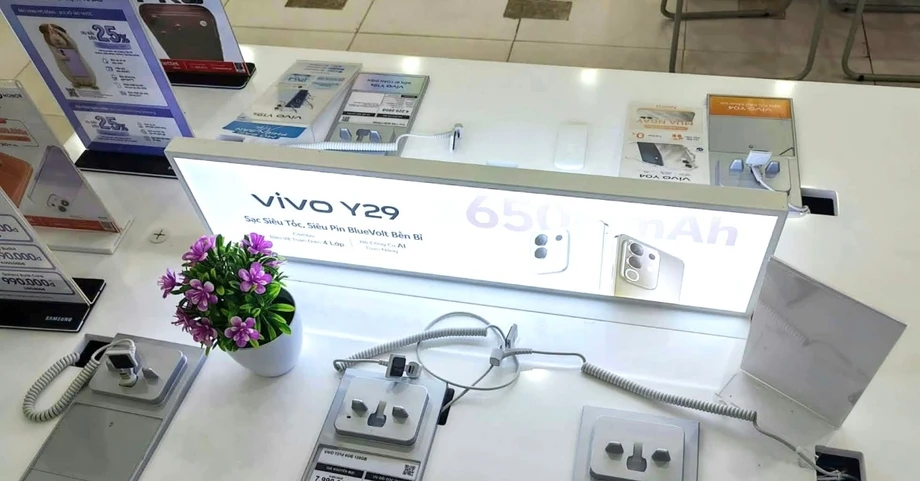
Vietnamese phone retailers began removing smartphones from several Chinese brands from display around midday on November 4 after weather maps showed information about the Paracel and Spratly archipelagos that Vietnam considers inconsistent with its sovereignty claims. The checks affected devices from Oppo, vivo, Xiaomi, Honor, Meizu, Tecno, Nubia and Huawei.
Contents
- Weather Maps Trigger Withdrawals Across Phone Stores
- What Retailers Removed and Why
- How a Weather App Became a Sovereignty Issue
- Why Different Phones May Show Different Information
- Manufacturers Suspend Services and Prepare Updates
- The Timeline From Withdrawal to Expected Return
- What the Disruption Means for Customers
- Key Points
Representatives of two of Vietnam's four largest retail chains confirmed the withdrawals. An urgent internal notice circulating online instructed staff to remove display phones, put commercial stock and used devices into storage, and suspend purchases of used phones from customers. Related advertising was also removed from stores.
The problem was traced to maps accessible through AccuWeather weather services. Searches for the Paracel Islands, known in Vietnam as Hoang Sa, and the Spratly Islands, known as Truong Sa, displayed sovereignty information disputed by Vietnam. Similar information appeared on the service's website.
Phone makers began preparing software changes that afternoon. One manufacturer said engineers had completed an application update within hours, while Xiaomi expected an update on November 5. Retail representatives initially anticipated returning phones to display within the week, with one suggesting normal operations could resume within one or two days.
The withdrawals show how a service inside an everyday phone application can interrupt retail sales across multiple brands. Customers browsing for a new handset, people seeking a used device and owners hoping to sell their phones to a retailer all faced disruption while stores checked the software.
What Retailers Removed and Why
The internal instructions went beyond switching off demonstration screens. Staff were told to clear affected brands from display tables and store the products until further notice. The instructions also covered used stock and temporarily stopped retailers from buying those brands back from customers.
A representative of a large retailer in Ho Chi Minh City described a review of its products and the removal of devices showing the disputed information. The retailer planned to return them to display and sale after manufacturers completed their corrections.
On November 5, a representative of Thế Giới Di Động said the retailer had promptly contacted the relevant manufacturers after learning of the map display issue on some phones, requesting verification and corrective action. It had received official written responses from manufacturers with affected devices confirming that the problem had been resolved.
Di Động Việt said it had reviewed all demonstration phones across its stores and worked directly with each manufacturer. After manufacturers confirmed software updates and complete correction of the data issue, the retailer said Chinese phones were back on display. It did not give a specific return date or a date for resuming sales.
The scope therefore depended partly on the retailer: the circulated notice called for broad action by brand, while the Ho Chi Minh City retailer described withdrawing products found to have the display problem. Huawei appeared in the wider list of affected brands alongside those identified in the initial account.
Not all devices from the listed brands were affected. No complete list of affected models, device totals or confirmed restoration dates was announced. For shoppers, the immediate position was that availability depended on the store's checks and its decision about when corrected products could return.
How a Weather App Became a Sovereignty Issue
AccuWeather was identified as the source of the disputed geographical information in weather applications on some phones sold internationally. The problem appeared when users searched the island groups on a map. Weather maps can also display information such as rainfall over particular areas, making geographical labels part of a routine forecast service.
Hoang Tung, a representative of a phone importer, pointed to the weather application as a possible origin of the problem. His explanation focused on the map shown when users accessed rainfall forecasts for different locations.
The Paracel and Spratly archipelagos are in the South China Sea, which Vietnam calls the East Sea. Vietnam claims sovereignty over both island groups, and competing territorial claims make their names and national attribution politically sensitive. A weather service displaying a place as belonging to a particular country can therefore cause a dispute far beyond the forecast itself.
The appearance of similar information on AccuWeather's website widened the issue beyond a single handset screen. Manufacturers and retailers consequently had to consider both the applications installed on phones and the online information those applications retrieved.
Why Different Phones May Show Different Information
A phone's default weather application can combine software from its manufacturer with forecasts, location information and maps supplied by outside companies. The app visible on the home screen is therefore only one part of the service. Some of its content arrives from the internet when the user opens it.
Weather applications on Chinese smartphones can draw data from different providers, with the choice varying according to the software version and the country where the phone is used. A device running software intended for mainland China may use different services from a similar device running software intended for international markets.
The software package installed on a phone is often called its ROM. In this context, the term refers to the operating system and associated software configured for the device. Two phones bearing the same brand can consequently behave differently if their software packages or regional settings differ.
A separate Google Maps application also serves a different purpose from the map embedded inside a weather service. Opening the navigation app and opening a rainfall map can involve different data providers. Correcting the weather display requires addressing the service used by that application.
Manufacturers Suspend Services and Prepare Updates
One Chinese phone maker said its checks traced the issue to certain online services supplied by third parties, rather than content the company supplied directly. It said it was working with the relevant parties, temporarily suspending affected services and seeking a rapid correction.
Another manufacturer representative said engineers finished an application upgrade within a few hours on November 4 and were waiting for it to become available through the app store. A marketing representative also confirmed coordination with other parties and the release of a corrective update.
Xiaomi said it was accelerating changes to its application and expected an upgrade the following day, November 5. The responses indicate that manufacturers were at different stages of preparing and distributing their corrections.
Xiaomi subsequently said it had completed a comprehensive review of system applications and preinstalled services on devices officially distributed in Vietnam and had resolved the reported weather application's map display issue. It said all legally imported and officially distributed products complied fully with Vietnamese law.
Some fixes were being prepared as OTA updates. OTA means over the air: software is delivered through an internet connection, allowing a phone to receive changes without being connected to a technician's computer. Other corrections could arrive as an update to the weather application itself or through changes to an online service.
For an owner, the visible result could be an app update, a system update or a temporary interruption to part of the weather service. The appropriate correction depends on which software and data service the particular device uses.
The Timeline From Withdrawal to Expected Return
The action moved quickly on November 4, from store instructions to software work. Retailers and manufacturers described a short interruption, although their announced schedules were expectations rather than confirmed completion times for every affected device.
- November 4, around midday: Retailers began removing phones from display and checking weather applications.
- November 4, afternoon and evening: More stores reviewed stock, while manufacturers investigated third party services and prepared corrections.
- Within hours on November 4: One manufacturer said its application upgrade was complete and awaiting distribution through an app store.
- November 5: Xiaomi expected to have an application upgrade ready.
- November 5: Thế Giới Di Động said it had received written confirmation from manufacturers that the issue had been resolved on affected devices.
- Within one or two days, or later that week: Retail representatives expected phones to return after the software issue was resolved.
- Return to display, with no specific date given: Di Động Việt said Chinese phones were back on display after manufacturers confirmed software updates and corrections. It did not specify when sales resumed.
The timetable involved two separate steps: manufacturers had to deliver corrections, and retailers had to decide that products were ready to return. A completed software change still needed to reach the affected phones before stores could check the result.
What the Disruption Means for Customers
New phone buyers faced reduced choice on display while the checks continued. Stores following the broader internal instructions also held commercial stock in storage, affecting purchases beyond the demonstration units customers normally handle.
Owners seeking to sell a used phone faced another interruption. The instruction to suspend purchases of used devices meant that a customer could encounter a temporary refusal even when the handset itself was functioning normally. Retailers were managing the software concern across incoming stock as well as products already in their possession.
Manufacturers had to coordinate with outside service providers while distributing changes across different software versions. Retailers, in turn, had to check what customers would actually see on the devices they sold. The practical test for reopening displays was whether the disputed geographical information had been corrected on the affected products.
The episode connects a highly sensitive territorial issue with a common retail workflow: demonstrating a phone's everyday functions. A map inside a weather app became the reason to remove devices, pause used phone purchases and reorganize sales while software teams worked on updates.
Key Points
- Vietnamese retailers began removing phones from several Chinese brands from display on November 4 over disputed sovereignty information in weather maps.
- AccuWeather services were identified as a source of incorrect information concerning the Paracel and Spratly archipelagos.
- Some store instructions covered display units, commercial stock, used devices and purchases of used phones from customers.
- Manufacturers prepared application or OTA updates, and one company said it temporarily suspended affected online services.
- Xiaomi initially expected an upgrade on November 5 and subsequently confirmed that its review and corrections were complete; Thế Giới Di Động said on November 5 that manufacturers had confirmed resolution in writing, while Di Động Việt confirmed phones were back on display without giving a specific return date or a date for resuming sales.