Major military purchases receive initial approval
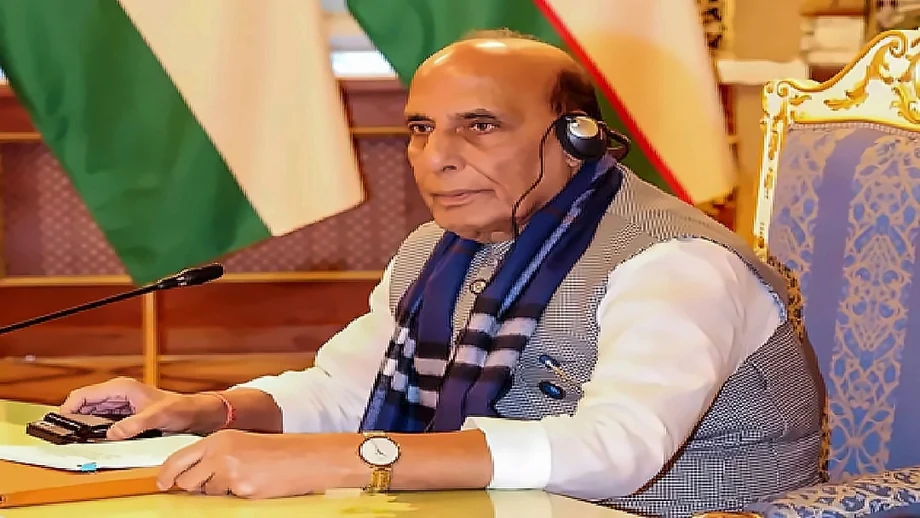
India's Defence Acquisition Council, chaired by Defence Minister Rajnath Singh, approved military procurement proposals worth about Rs 2.12 lakh crore on October 26, 2026, covering artillery, helicopters, drones, missile protection systems and weather radars. The Ministry of Defence says approximately 82% of the proposed purchases will come from Indian industry.
Contents
- Major military purchases receive initial approval
- Army vehicles and artillery are designed to move together
- Air defence and protection against drones
- Surveillance and attack drones form a connected package
- Helicopters will serve combat, rescue and relief missions
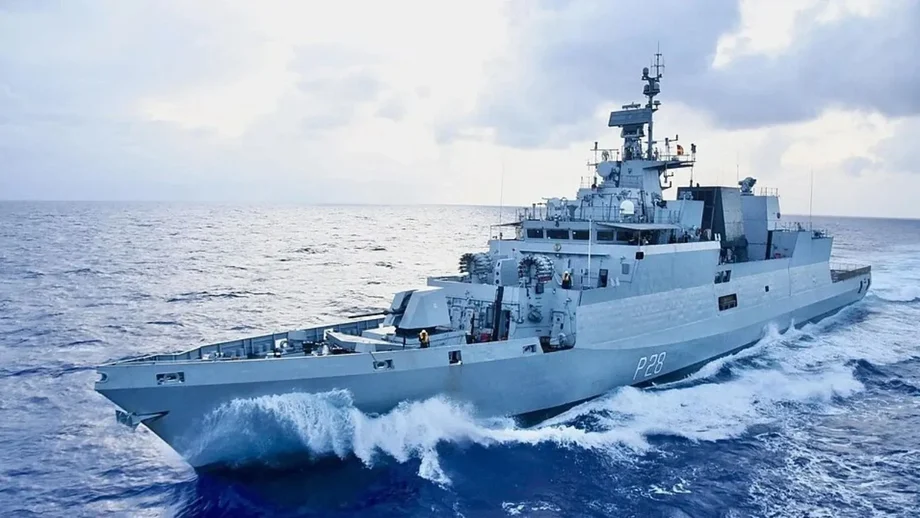
- Navy seeks missile protection and new platforms
- Weather radar supports operations in forward areas
- Indian manufacturers face a large potential order pipeline
- How the procurement drive has developed
- Key Points
The package spans the Army, Navy and Air Force. Its equipment list brings together several connected tasks: moving troops across difficult terrain, finding threats, striking targets and protecting soldiers, tanks and ships from attack. Helicopters intended for both the Army and Air Force will also support search, rescue and disaster relief.
The council granted Acceptance of Necessity, known as AoN, which is an initial administrative approval for a military purchase. The acquisition process must now move toward selecting suppliers and awarding contracts before manufacturers produce and deliver the equipment.
Rs 2.12 lakh crore means Rs 212,000 crore, or Rs 2.12 trillion. Applying the stated domestic share to that estimated total gives approximately Rs 173,840 crore in potential purchases from Indian industry. The remaining 18% would amount to around Rs 38,160 crore. These are calculations from the headline figures; individual contract values will emerge as procurement advances.
The announcement leaves several practical details open: equipment quantities, the allocation of money among the three services, most suppliers and models, contract deadlines and delivery schedules. Those details will determine how quickly the approved capabilities reach military units.
Army vehicles and artillery are designed to move together
The Army's proposed purchases include High Mobility Vehicles, a Self-Propelled Tracked Gun System and a Gun Shot Response System. Each addresses a different part of operating on a battlefield, from carrying supplies to providing artillery support and identifying hostile fire.
High Mobility Vehicles are intended to improve movement and logistical support in challenging terrain. For troops working far from established roads or supply centres, the ability to move personnel, ammunition and other essential supplies helps sustain an operation.
The Self-Propelled Tracked Gun System combines an artillery weapon with a vehicle running on tracks. Its stated purpose is to provide mobility and firepower that match mechanised formations, military groups that operate with tanks and other armoured vehicles. Artillery that can keep pace with those units can support them as they move.
The Gun Shot Response System is intended to provide immediate information about firing activity, helping troops understand what is happening around them. The ministry describes its role in terms of improving situational awareness, meaning a force's knowledge of nearby threats and battlefield conditions.
Air defence and protection against drones
The Army also received approval for Very Short-Range Air Defence Systems, or VSHORADS, and a Platform Based Counter Unmanned Aerial System. The first is intended to engage small aerial threats; the second is specifically described as improving the survival of tanks on a battlefield where drones are a growing danger.
VSHORADS provides air defence over relatively short distances. A range of about eight kilometres has been cited for the proposed capability, although the procurement announcement gives no detailed technical specification or selected model. Its stated task is to counter a new generation of small airborne threats.
The platform based system puts protection against unmanned aircraft on military equipment. In practical terms, the Army wants tank units to have stronger protection against threats approaching from above, alongside the mobility and firepower improvements covered elsewhere in the package.
The two approvals show how the Army is addressing aerial threats at the level of troops and vehicles. The planned purchases combine protection against aircraft and drones with systems intended to help ground forces keep moving and fighting.
Surveillance and attack drones form a connected package
The Army's unmanned aircraft list includes the Unmanned Aerial System Brick Long Range, surveillance UAVs, an Integrated Surveillance and Strike System and a Long Range Kamikaze Drone System. UAV means unmanned aerial vehicle, an aircraft that flies without a pilot on board.
Surveillance drones gather information about an area or an opposing force. Strike systems attack targets. Bringing surveillance and strike functions together is intended to help military units use information collected from the air to direct action on the ground.
Kamikaze drones are designed to strike a target by crashing into it with an explosive payload. Unlike a surveillance aircraft that returns after observing an area, this type of attack drone is consumed during its mission.
The ministry says the proposed surveillance and drone systems will improve the Army's ability to observe and target opposing forces. The package places aircraft that gather information alongside weapons that can act on it, making the flow of information between operators and combat units a practical part of the planned capability.
Helicopters will serve combat, rescue and relief missions
Light Multi Role Helicopters are intended for use by both the Army and Air Force. Their listed duties include reconnaissance, surveillance, combat, search and rescue of troops, humanitarian assistance and disaster relief.
Reconnaissance means gathering information about an area, such as its terrain or military activity. A helicopter used for that task may help commanders understand conditions before committing other forces. Search and rescue and relief missions place a different demand on aircraft: reaching people who need help and carrying personnel or supplies.
The Air Force's list also includes Special Utility Helicopters to meet important air transport requirements. These appear alongside approvals for air defence systems and weapons, giving the service a package covering transport, protection and combat tasks.
For military personnel, the helicopter proposals could support movement into difficult locations and the recovery of troops in emergencies. For communities affected by disasters, the stated relief role could provide another use for the same fleet when military aircraft are assigned to civilian assistance.
Navy seeks missile protection and new platforms
The Navy received approval to procure an Active Offboard Decoy System, or AODS, along with other major naval platforms that are to be designed and constructed in India. The ministry says the decoy system will strengthen protection against modern missiles intended to attack ships.
An offboard decoy operates away from the vessel it protects. Its purpose is to mislead an incoming missile, drawing the threat away from the ship. The approval therefore addresses the Navy's ability to protect existing or future vessels as well as its plans to acquire additional platforms.
The major naval platforms are described as having capabilities suited to modern warfare. Their domestic design and construction would give Indian shipbuilding businesses work extending beyond assembly, including the development and integration of complex naval equipment.
A related shipbuilding announcement provides a more detailed example of domestic naval procurement. The defence ministry signed contracts worth Rs 53,866.50 crore for eight Next Generation Corvettes, with Garden Reach Shipbuilders and Engineers to build five and Goa Shipyard to build three. The contracts were signed in the presence of Defence Secretary Rajesh Kumar Singh.
Those corvettes are to carry missiles, weapon systems and advanced sensors for operations against aircraft, surface vessels and submarines. Their planned duties include protecting maritime trade routes, coastal defence, surveillance and operations near shore. The corvette announcement describes signed construction contracts, while the broader October package is at the initial approval stage.
Weather radar supports operations in forward areas
Mobile X-Band Doppler Weather Radar Systems form another part of the Air Force approvals. Their task is to provide detailed, local weather information in forward areas, where military personnel may operate in difficult terrain and rapidly changing conditions.
The Ministry of Defence explained the purpose of the helicopters and radar in its statement:
The procurement of special utility helicopters will help the Indian Air Force to meet the important air transport requirements. The X-band Doppler weather radar system will provide high-resolution, localised weather surveillance in forward areas,
Doppler weather radar uses reflected radio signals to observe weather and movement within it. High resolution means it can show conditions in greater detail, while localised surveillance focuses on the area where aircraft and troops are operating.
For aircrews and planners, weather information helps guide decisions about routes, timing and whether a mission can proceed safely. Including mobile radar alongside helicopters and weapons addresses one of the practical requirements for using those assets effectively.
Indian manufacturers face a large potential order pipeline
The proposed 82% domestic share creates opportunities across aircraft production, vehicles, electronics, drones and shipbuilding. The eventual distribution of work will depend on procurement decisions and the contracts awarded to manufacturers and their suppliers.
Antique Stock Broking identified Hindustan Aeronautics Limited and BEML as potential beneficiaries. Its preferred defence companies also included Solar Industries, Bharat Electronics Limited and Astra Microwave. Those selections reflect the brokerage's assessment of business opportunities, with company revenue depending on contracts and subsequent execution.
Antique also highlighted the time between approval and an order as a business risk. A growing list of approved purchases can support expectations of future work, while a slower pace of contract awards can delay growth in manufacturers' order books and earnings.
The corvette project illustrates the wider industrial work associated with a large contract. The ministry expects about 72 lakh person days of employment at the shipyards and 460 lakh in supporting industries and micro, small and medium enterprises over 10 years. Together, that is approximately 53.2 million person days. A person day measures one person's work for one day.
Singh has also called for a further phase of defence self reliance, described as Atmanirbharta 2.0, at the Navy's annual Swavlamban event. His stated priorities included developing modern technology, strengthening research and improving supply arrangements. The large intended domestic share makes those industrial capabilities relevant to the delivery of the approved equipment.
How the procurement drive has developed
The October package follows a series of substantial military procurement approvals. Earlier figures place purchases approved in May, July and August 2025 at a combined Rs 2.12 lakh crore, the same headline value as the October 2026 package.
- May 18, 2025: Emergency procurement measures covered approximately Rs 40,000 crore in acquisitions.
- July 3, 2025: The council approved proposals worth about Rs 1.05 lakh crore.
- August 5, 2025: Further approvals totalled approximately Rs 67,000 crore.
- October 26, 2026: The council granted initial approval to the latest package of about Rs 2.12 lakh crore.
The latest equipment list shows an effort to connect movement, observation, attack and protection across the services. Army drones need to deliver useful information to combat units; artillery needs to move with armoured formations; naval platforms need protection against incoming missiles; and aircraft need transport support and reliable weather information.
Contracts, manufacturing, training and integration will turn those plans into equipment that military units can use. For domestic businesses, that process will determine when potential demand becomes production work. For the armed forces, it will determine when the proposed systems become part of daily operations.
Key Points
- The Defence Acquisition Council approved proposals worth approximately Rs 2.12 lakh crore on October 26, 2026.
- The decision grants Acceptance of Necessity, the initial administrative approval for procurement.
- Approximately 82% of purchases are planned from Indian industry, equivalent to about Rs 173,840 crore at the stated total.
- The Army package includes vehicles, tracked artillery, air defence, protection against drones, surveillance aircraft and attack drones.
- The Navy approvals cover missile decoys and major domestic platforms; the Air Force package includes helicopters, weapons, air defence and mobile weather radar.
- Eight corvettes are covered by separately described construction contracts worth Rs 53,866.50 crore.
- Suppliers, quantities, contract awards and delivery schedules will shape when the wider package reaches military service.