Transport project could move ahead of a formal peace deal
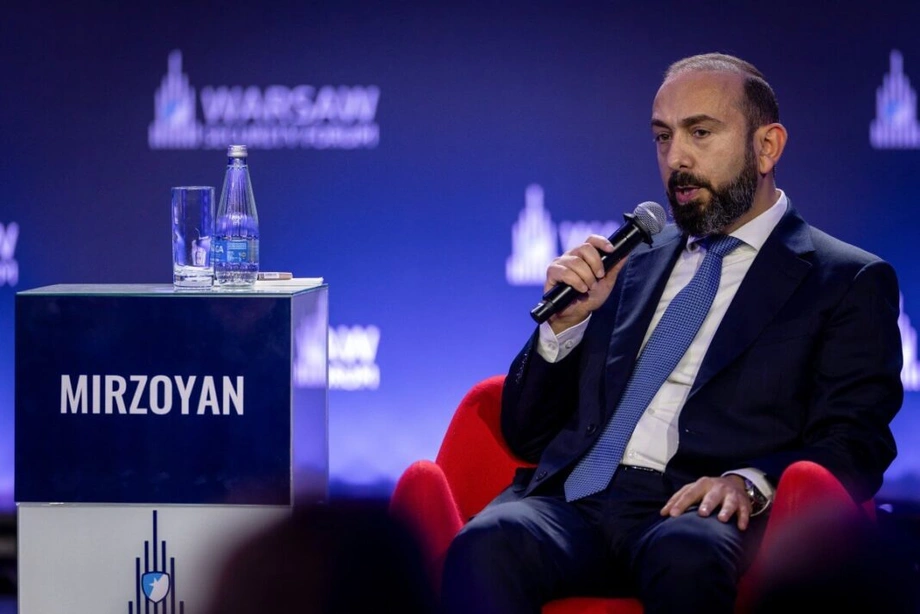
Armenia could begin implementing the Trump Route for International Peace and Prosperity, known as TRIPP, before signing a peace treaty with Azerbaijan, Foreign Minister Ararat Mirzoyan told parliament. His remarks put the reopening of regional transport links at the center of a political dispute over whether practical cooperation will help secure a treaty or give Azerbaijan benefits before Armenia receives enough in return.
Contents
- Transport project could move ahead of a formal peace deal
- Why Mirzoyan says peace already exists
- What Armenia expects to gain from the route
- What could be built in Syunik
- Sovereignty is a condition for construction and operation
- Karapetyan warns of unequal benefits
- How the project fits the unfinished treaty process
- Can practical cooperation bring signature closer?
- Key Points
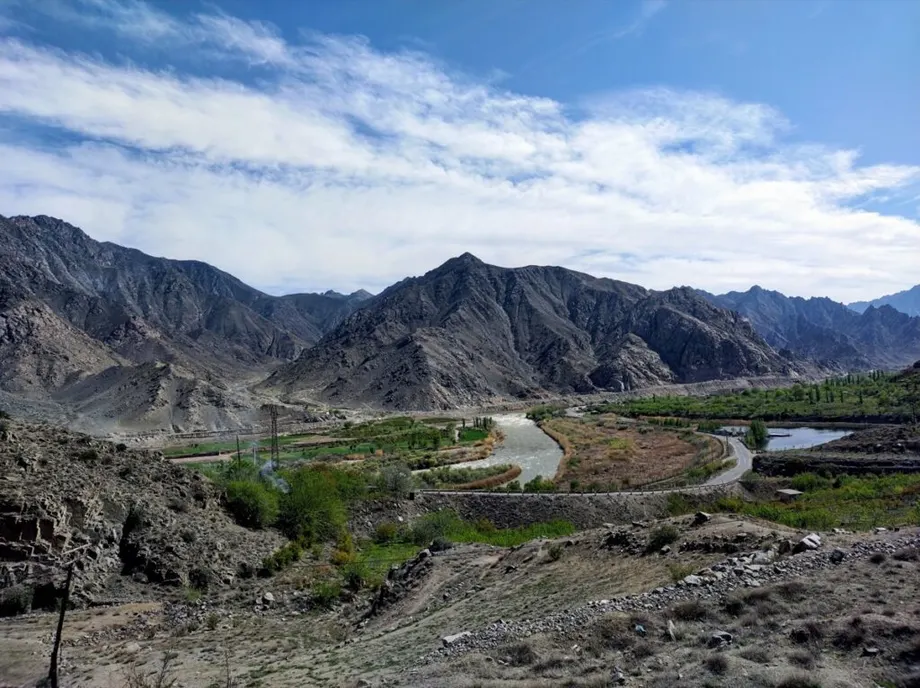
Armenia announced the start of the project's practical phase on October 22, sending a working group led by Deputy Prime Minister Mher Grigoryan to the southern Syunik region to prepare for design work. The current focus is rail, road and energy infrastructure. Mirzoyan described a wider possible network that could also carry electricity, digital communications and, potentially, oil and gas.
The foreign minister said the peace agreement's text had already been initialed and that both governments publicly stood behind its contents. Initialing records agreement on the wording; formal signature and approval through domestic procedures are further steps.
Mirzoyan, explaining why work on TRIPP could proceed before those steps were complete, told lawmakers:
I can calmly answer this question: yes, it is possible. The peace treaty has already been initialed. Armenia and Azerbaijan have publicly committed themselves and stated their position: this treaty exists, and, roughly speaking, we believe in every letter of it and do not question it.
His position is that the countries already have enough practical peace to begin cooperation. Opposition politician Narek Karapetyan challenged that approach, arguing that Azerbaijan could obtain its desired route while continuing to postpone the treaty and withholding the access Armenia seeks.
Why Mirzoyan says peace already exists
Mirzoyan pointed to conditions between the two countries rather than the completion of diplomatic paperwork. Soldiers were no longer shooting at each other and cargo was being delivered, he told parliament. For him, those developments provide a basis for beginning the project while negotiations over formal signature continue.
The foreign minister said Azerbaijan was holding back from signing because of an obstacle it wanted removed, while maintaining that it would sign afterward. He presented Baku's repeated statements as evidence that the agreed text itself remained accepted.
Mirzoyan summed up his position this way:
Therefore, peace is necessary for the TRIPP project to be launched, and this peace has already been established.
That argument places transport cooperation and treaty completion on parallel tracks. The government wants practical ties to develop while the remaining political dispute is addressed. Karapetyan wants greater assurance that opening the route will deliver reciprocal access and help complete the agreement.
What Armenia expects to gain from the route
Mirzoyan said TRIPP would allow Armenia to reach third countries through Azerbaijan's territory and infrastructure. The Armenian government's stated goal therefore extends beyond providing a connection for Azerbaijan: it also wants Armenian businesses and transport operators to gain access to routes outside Armenia.
Domestic rail development is another part of that argument. Mirzoyan said the project could help Armenia develop its own railway connections and become a hub for transport and communications between East and West. A hub is a place where routes meet, allowing goods or services to move onward to several destinations.
For an Armenian exporter, the practical value would depend on whether a usable connection opens through Azerbaijan to another market. For the railway network, the benefit would depend on how new or restored links connect with routes inside Armenia. Mirzoyan described those outcomes as objectives, with design preparations now forming part of the work toward them.
What could be built in Syunik
The October 22 announcement moved attention to Syunik, where Grigoryan's working group was sent to prepare for the start of design work. Planning is the stage at which the physical requirements of a project begin to take shape, before construction and eventual operation.
Railways, roads and energy infrastructure are the present priorities. Mirzoyan's broader description included power transmission lines, fiber optic cables and possible oil and gas pipelines. Fiber optic cables carry information as pulses of light and form part of the infrastructure used for internet and other communications.
Those elements serve different purposes. Roads and railways move people and goods, electricity lines transmit power, communications cables carry data, and pipelines transport fuel. Including several kinds of infrastructure would make TRIPP a broader regional connection project rather than simply a road.
No opening date, construction budget, detailed route, operating arrangements or guaranteed level of Armenian access was given in the parliamentary remarks and project announcement described here. The concrete step announced so far is preparation for design work; the pipelines remain possibilities within the wider proposal.
Sovereignty is a condition for construction and operation
Mirzoyan said the infrastructure must be built and operated according to the principles of territorial integrity, sovereignty and jurisdiction. Those terms address a central issue for any transport connection crossing national borders: which state has authority over the territory and the activities taking place there.
Territorial integrity means respecting a country's territory. Sovereignty means that a state exercises authority within its borders. Jurisdiction concerns the legal power to apply laws and make decisions. Mirzoyan applied these principles to both construction and operation, making them part of Armenia's stated terms for the project throughout its life.
The government's economic argument and its position on sovereignty sit together. Armenia wants routes through Azerbaijan to other countries while retaining authority over infrastructure on Armenian territory. Turning those principles into working arrangements will require practical decisions about how cross-border movement is managed.
For businesses, the value of a connection ultimately rests on whether goods can move reliably through it. For the governments, the same connection must operate within an agreed framework of state authority. Mirzoyan's remarks identify both access and control as parts of Armenia's approach.
Karapetyan warns of unequal benefits
Narek Karapetyan, identified as the leader of the Strong Armenia faction in the National Assembly, asked whether TRIPP's transport and communications links could operate without a signed peace treaty. His objection focused on the order in which the two countries would receive benefits and make commitments.
Karapetyan argued that Azerbaijan could secure the route it wanted while Armenia failed to obtain its share of the gains from reopening regional connections. He told parliament:
Our country will get the short end of the stick, because Azerbaijan will gain a route, while we will not receive our share of the benefits from unblocking regional communications.
He also argued that Azerbaijan would introduce unrealistic new conditions and keep delaying the treaty as long as it believed concessions from Armenia could deliver its goals. In his assessment, obtaining a route without reopening access for Armenia would restrict Armenian economic development.
The disagreement is therefore about reciprocity as much as timing. Mirzoyan describes TRIPP as a way for Armenia to gain routes, develop its railways and strengthen peace. Karapetyan argues that those Armenian benefits need firmer guarantees before Azerbaijan receives the connection it seeks.
How the project fits the unfinished treaty process
Armenia's latest discussion of TRIPP follows a longer effort to turn an agreed peace text into a completed treaty. Prime Minister Nikol Pashinyan has set a target of signing and ratifying the agreement before 2031, as detailed in the earlier treaty timetable. That is Armenia's stated objective, rather than a jointly announced signing deadline.
The main developments span several dates:
- August 8, 2025: Armenia and Azerbaijan initialed the peace agreement at a White House summit hosted by US President Donald Trump.
- October 15, 2026: Pashinyan told a televised Cabinet meeting that he aimed to resolve signing and ratification before 2031.
- October 22: Armenia announced TRIPP's practical phase and the deployment of Grigoryan's working group to Syunik for design preparations.
Azerbaijan has demanded changes to Armenia's Constitution before signing. Baku argues that its reference to Armenia's declaration of independence, which calls for unification with Karabakh, amounts to a territorial claim. Armenia rejects that interpretation and points to the treaty's commitments to respect each other's territory and renounce territorial claims.
Constitutional amendments would require approval in a nationwide referendum. The treaty process therefore involves Armenian voters as well as negotiations between governments. TRIPP preparations create a separate practical process that, under Mirzoyan's approach, could advance while that political dispute continues.
Can practical cooperation bring signature closer?
Mirzoyan said economic links among Armenia, Azerbaijan and third countries could help strengthen regional peace, stability and security. His argument is that regular exchanges give the countries more shared activity to preserve and more reasons to maintain workable relations.
The foreign minister also suggested that visits between civil society representatives could contribute alongside infrastructure. Civil society includes people and organizations outside government, such as community groups and civic associations. Mirzoyan described project implementation and reciprocal visits as possible ways to reinforce peace:
I think that if the project were implemented, for example, if reciprocal visits between civil society representatives of the two countries took place, they could perhaps strengthen the established peace and bring the signing of a peace treaty closer.
The immediate policy choice is whether to use practical cooperation to help complete the political settlement, as Mirzoyan proposes, or secure stronger commitments first, as Karapetyan urges. Armenia's announced design preparations put that choice into concrete terms: work on regional infrastructure is moving forward while the treaty still awaits signature.
Key Points
- Foreign Minister Ararat Mirzoyan says TRIPP could begin before Armenia and Azerbaijan sign their peace treaty.
- Armenia announced design preparations in Syunik on October 22, with rail, road and energy infrastructure the current priorities.
- Mirzoyan says the project could give Armenia access to third countries through Azerbaijan and help develop domestic rail links.
- Armenia says construction and operation must respect territorial integrity, sovereignty and jurisdiction.
- Narek Karapetyan warns that Azerbaijan could gain a route while delaying the treaty and withholding reciprocal access.
- Pashinyan's target is to complete signing and ratification before 2031, while Azerbaijan's constitutional demand remains unresolved.