India gains negotiating room as Washington prepares for divided government
India faces a fresh choice over a proposed trade agreement involving $500 billion in American purchases over five years after Democrats captured control of both chambers of the US Congress in the November 2026 midterm elections. President Donald Trump has lost political support for his agenda, yet retains several legal routes to raise tariffs and press New Delhi for concessions.
Contents
- India gains negotiating room as Washington prepares for divided government
- Why household costs turned into an electoral backlash
- What Congress can change, and what Trump still controls
- The February framework still awaits a final agreement
- Why the tariff figures need careful explanation
- Two investigations could reset the bargaining terms
- A quick deal could bring unequal concessions
- Iran and Russian oil connect trade to energy security
- Visas and defence follow different tracks
- The dates that shaped the negotiations
- Key Points
Results reported on November 4 showed Democrats gaining five Senate seats and more than half a dozen House districts, with counting continuing and certification expected to take several days. Frustration over living costs, import duties and the war against Iran drove the Republican setback.
For India, the immediate opening is greater room to negotiate access to American markets without rushing to accept demands affecting agriculture, industrial goods and digital trade. Indian officials speaking anonymously because they were not authorised to comment publicly said stronger congressional oversight could ease pressure on New Delhi.
Trade specialists also see a risk running in the opposite direction: Trump may seek a quick agreement with India to demonstrate that he can still deliver results abroad. The central issue is therefore how much lasting tariff relief India can secure in exchange for opening its own markets.
Why household costs turned into an electoral backlash
The AP Voter Poll, conducted by SSRS, found that 39% of voters named the economy as the country's most important issue, ahead of democracy at 32% and immigration at 14%. Nearly three quarters rated economic conditions poorly, while 65% said Trump's policies had made them worse.
Inflation was reported at 3.7%, compared with 2.4% when Trump returned to office. That is an increase of 1.3 percentage points and puts inflation 1.7 percentage points above the Federal Reserve's 2% target. For households, continuing inflation means prices keep rising, even when the pace is slower than during an earlier surge.
Tariffs added to the squeeze. An import duty is collected from the business bringing a product into the United States. Research described in the coverage found that much of the cost eventually reached American consumers through higher prices. An ABC News poll found that 64% of respondents thought tariffs had gone too far.
The Iran war brought a second source of pressure. Retail fuel prices were reported to have risen by almost 50% since the conflict began. The AP Voter Poll found that 62% considered the decision to launch military action against Iran wrong, and 74% said the conflict was a major or crucial factor in their congressional vote.
What Congress can change, and what Trump still controls
Democratic control gives congressional committees greater power to investigate tariff decisions, question administration officials and examine their effects on businesses and consumers. Congress also controls legislation and federal spending, giving lawmakers ways to bargain with the White House.
Trade expert Biswajit Dhar said committees could scrutinise import restrictions and use budget decisions to seek concessions. Proposals associated with Senator Ron Wyden, identified as a likely Senate Finance Committee chairman, and Charles Schumer, the presumed majority leader, would challenge presidential control of trade policy. Schumer's proposal would repeal several authorities Trump has used, including Section 301 of the Trade Act of 1974.
Passing such changes would require more than winning committee votes. Trump can veto legislation, and overriding a presidential veto requires a two thirds majority in each chamber. Senate procedural rules can also make legislation difficult to advance. The newly elected Congress takes office in January 2027, so its full committee and legislative powers do not arrive immediately after election night.
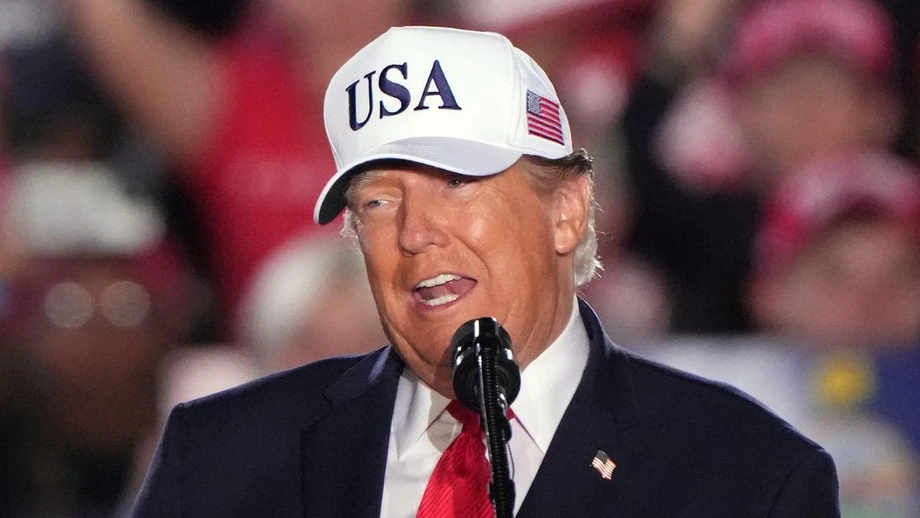
Trump signalled resistance by posting a photograph of a red cap bearing the word "VETO" on Truth Social. He also said he was willing to cooperate with Democrats on matters including immigration.
Former Indian ambassador Mohan Kumar argued that a president constrained domestically can devote more attention to foreign affairs. In his assessment, Trump can continue using executive powers in trade, security and diplomacy during the remainder of his term, which ends in January 2029.
The February framework still awaits a final agreement
India and the United States announced a framework for an interim trade agreement in February 2026. The final agreement has yet to be signed and implemented. Its proposed exchange combines Indian tariff reductions and large purchases of American products with lower American duties on many Indian exports.
India would reduce or eliminate tariffs on American industrial goods and a range of agricultural and food products, including animal feed, nuts, fruit, soybean oil, wine and spirits. The framework also envisaged purchases of $500 billion in American goods over five years, including energy, aircraft, precious metals, technology products and coking coal.
That purchasing commitment averages $100 billion annually across the five years. Its scale makes the terms of implementation important: Indian businesses and public buyers would need to consider prices, demand and competing suppliers when making purchases.
The proposed American reciprocal tariff was 18% on many Indian goods, including clothing, textiles, leather, footwear, plastics, chemicals and some machinery. The framework also envisaged tariff removal for certain aircraft products, generic pharmaceuticals, gems and diamonds, alongside preferential access in sectors of mutual interest.
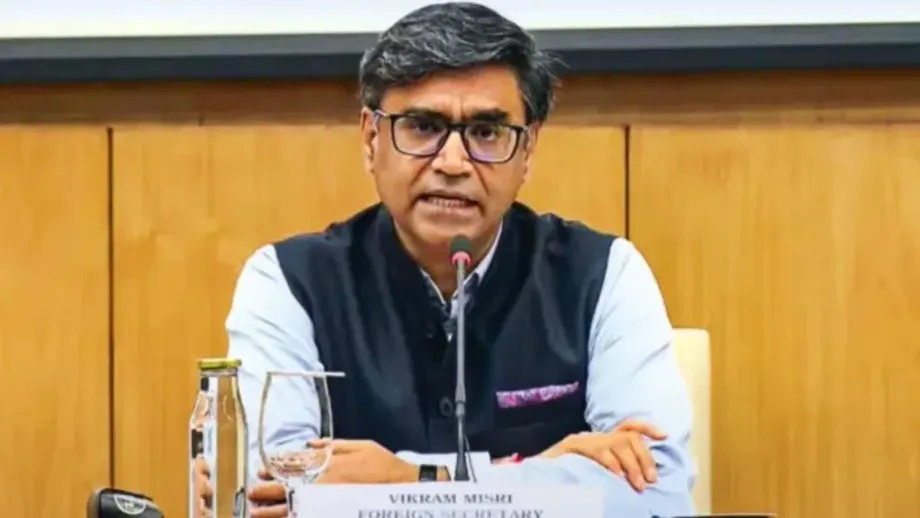
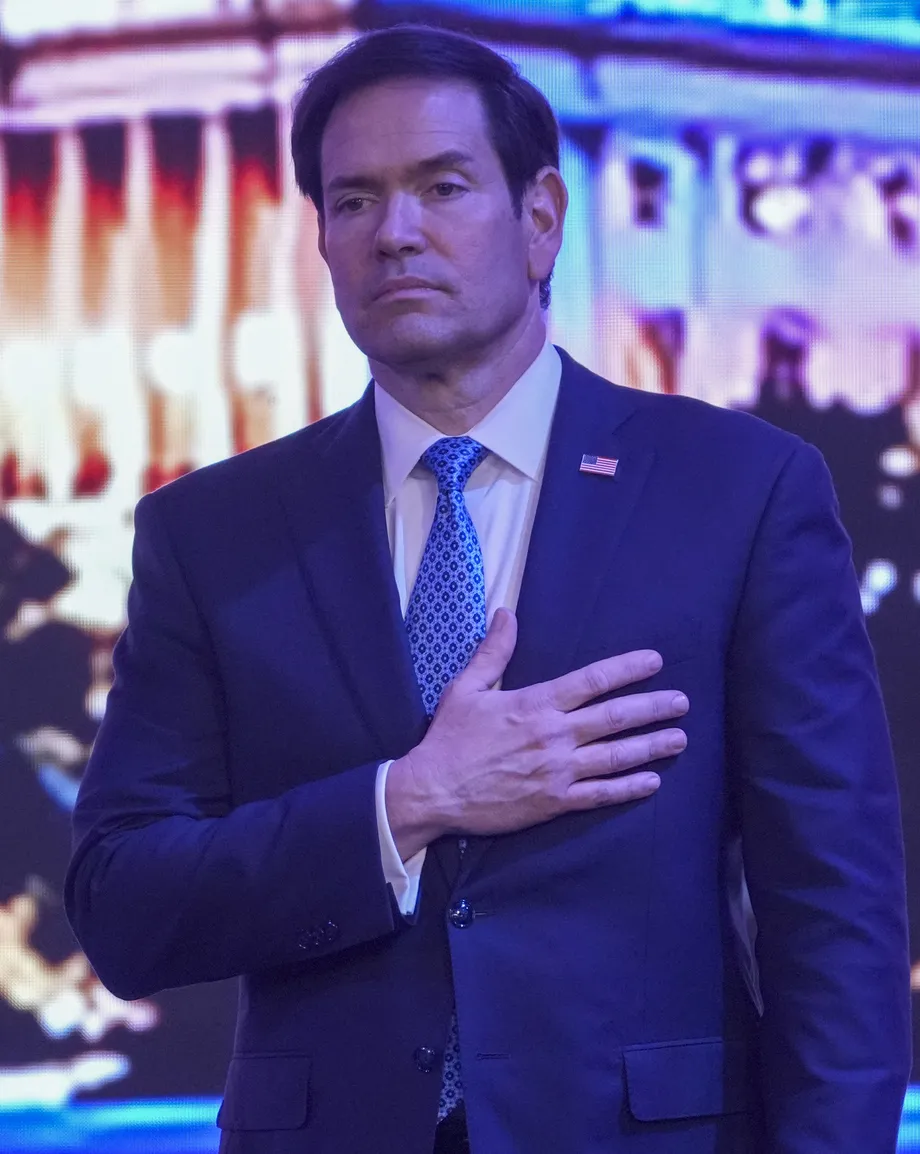
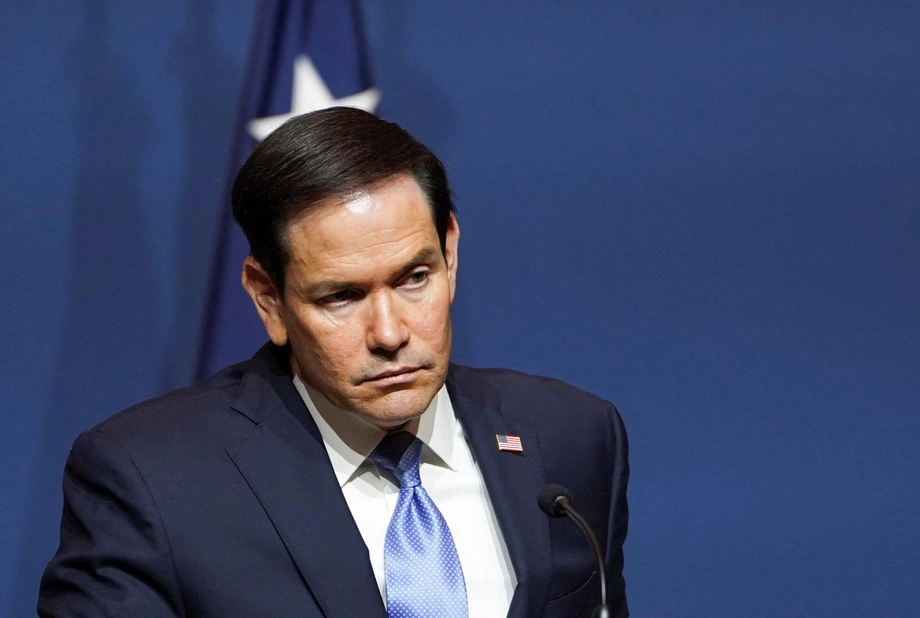
US Secretary of State Marco Rubio said the countries were "incredibly close" to signing and that "99 per cent of the work" was complete. Indian Commerce Minister Piyush Goyal said the agreement would give India a competitive advantage. No final signing date was announced.
Why the tariff figures need careful explanation
India's tariff exposure has changed repeatedly, and several different rates describe different stages or categories of trade. Duties on Indian goods reached a reported peak of 50%, while the February framework proposed an 18% reciprocal rate on many products.
The Supreme Court's February 20 ruling in Learning Resources, Inc. v. Trump struck down reciprocal tariffs imposed under the International Emergency Economic Powers Act. Following that decision, the general baseline was described as 10%, with current tariffs on most countries other than China also reported in a range of 10% to 12.5%.
Sector duties follow a different route. Steel and aluminium imports, including those from India, were reported to remain subject to 50% tariffs under Section 232 of the Trade Expansion Act of 1962. Those duties survived the court decision on emergency tariff powers.
Ajay Srivastava, founder of the Global Trade Research Initiative, also warned that a future agreement could leave Indian products facing additional duties of 15 to 18 percentage points above ordinary American tariffs. His warning concerns the possible structure of a negotiated agreement, while the 18% framework rate and the subsequent baseline describe different stages of tariff policy.
For an exporter, the practical calculation depends on the product, the legal authority behind the duty and whether another charge is added. A single headline percentage cannot describe every shipment.
Two investigations could reset the bargaining terms
The Office of the United States Trade Representative is expected to release findings from an investigation into manufacturing overcapacity under Section 301 of the Trade Act of 1974. The administration could use those findings to impose new duties and reopen tariff arrangements with partners, including India.
Overcapacity means production capability that exceeds the demand available to absorb it. Washington's concern is that government support or other policies abroad may encourage excess output that then reaches American markets at prices damaging to domestic producers.
A different Section 301 investigation concerned whether trading partners were doing enough to prevent imports of goods made using forced labour. A 10% tariff on India was reported under that process. The manufacturing investigation creates a further potential source of duties.
Section 301 allows the United States to respond to foreign practices it judges unfair or harmful to American commerce. Section 232 permits restrictions on imports found to threaten national security. Both operate under laws Congress previously passed, allowing the administration to act without seeking a fresh vote for every measure.
A quick deal could bring unequal concessions
Srivastava expects electoral defeat to increase Trump's desire for a visible agreement with India. He said support for domestic manufacturing, stronger supply chains and protective tariffs now runs through both major American parties, including Democrats concerned about union jobs.
Srivastava, the Global Trade Research Initiative founder, described the pressure he expects India to face:
With foreign policy leverage failing against Russia, China, and Iran, Trump needs a quick win. Expect heightened pressure on India for a trade deal to prove American clout.
His principal concern is the treatment of ordinary import duties, known as Most Favoured Nation tariffs. Despite the name, MFN generally means the standard tariff a World Trade Organization member applies to other members. Under the proposed structure, India would cut many of those duties for American goods while Washington retained its own standard tariffs and offered relief from additional charges.
WTO specialist Abhijit Das warned that preferential access for American goods could breach India's MFN commitments unless the arrangement qualified for an exception, such as a valid free trade agreement. He questioned whether an agreement without corresponding American reductions in ordinary duties would meet that requirement.
Deep Pal, director of geopolitics and policy at Koan Advisory Group, sees an opening from the Indian side. He said negotiators could judge that Trump's weaker political position makes a better agreement possible, encouraging renewed talks. The competing incentives are concrete: Washington wants a deal it can present as a victory, while New Delhi wants durable advantages over competing exporters.
Iran and Russian oil connect trade to energy security
The war against Iran matters to India through energy prices and shipping as well as diplomacy. The effective closure of the Strait of Hormuz has disrupted a vital route for oil shipments. India is a major buyer of Middle Eastern oil, making continued disruption costly for transport, industry and households.
Trump stood by the February attack on Iran after the election, while acknowledging that Iran was "part" of the reason for Republican losses. New Delhi will watch whether the result encourages more serious negotiations to end the conflict.
Russian energy creates another pressure point. The Lindsey O. Graham Sanctioning Russia and Iran Act of 2026, signed in September, provides for tariffs of up to 100% on major purchasers of Russian oil and gas. Trump has held those provisions in abeyance using national interest authority.
Russian crude accounted for about 44% of India's oil imports in August. That share shows why a renewed tariff threat could affect much more than bilateral trade negotiations. The sanctions legislation received support from both Republicans and Democrats, leaving India exposed to pressure across party lines.
Former ambassador Anil Trigunayat hoped the election setback would constrain decisions affecting India's energy security. Srivastava's advice was to seek enforceable concessions while preserving India's ability to make its own energy and development choices.
Visas and defence follow different tracks
Indian professionals and technology companies will also watch congressional scrutiny of restrictions on H-1B visas, which allow American employers to hire people for specialised jobs. Microsoft, Tata Consultancy Services and Infosys are among the companies that rely on the programme.
The administration announced a $100,000 fee for certain new H-1B petitions in September 2025. Two federal courts subsequently blocked enforcement, and US Citizenship and Immigration Services began approving petitions without payment. Democratic lawmakers could examine the economic effects of the restrictions through hearings and legislation.
Defence cooperation has a more stable foundation. India and the United States signed a framework lasting 10 years in October 2025, covering critical technologies, information sharing and joint production of military equipment. Shared concerns about China give that relationship support in both American parties.
Congressional investigations into Trump family business dealings could create additional scrutiny for companies with relevant commercial relationships, including Indian businesses. Such inquiries would follow a separate track from decisions on tariffs, visas and defence cooperation.
The dates that shaped the negotiations
The trade talks have developed alongside court decisions, energy sanctions and military conflict. Several events explain why the February framework now sits in a different political and legal setting.
- October 2025: India and the United States signed a defence framework lasting 10 years.
- February 6, 2026: The countries issued a joint statement setting out the proposed interim trade framework and $500 billion purchasing commitment.
- February 2026: The attack on Iran began a conflict that subsequently disrupted energy supplies and drove up fuel costs.
- February 20, 2026: The Supreme Court struck down reciprocal tariffs imposed under emergency economic powers.
- September 2026: Trump signed legislation authorising tariffs of up to 100% on major purchasers of Russian energy.
- November 4, 2026: Reported midterm results showed Democrats winning control of both congressional chambers.
- January 2027: The newly elected Congress is due to take office.
The next consequential trade development is the expected Section 301 finding on manufacturing overcapacity. Its outcome will help determine the tariff pressure India faces as negotiations resume.
Key Points
- Democratic control of Congress gives India more negotiating room and brings stronger scrutiny of Trump's trade decisions.
- Trump retains tariff authorities under Sections 232 and 301, alongside sanctions powers and the presidential veto.
- The February trade framework envisaged an 18% reciprocal tariff on many Indian goods and $500 billion in Indian purchases over five years.
- The final agreement remains unsigned, while later court decisions and new tariff investigations have changed the bargaining conditions.
- Russian oil sanctions and the Iran war connect India's trade negotiations to its energy security.
- Visa restrictions face court and congressional scrutiny, while defence cooperation retains support across American party lines.