First 5,000 Candidates Called for Screening
Cambodia will begin implementing its military conscription system on November 9, 2026, with 5,000 male candidates selected for initial medical and physical examinations and another 5,000 planned to complete the year's recruitment quota. Nearly 15,000 young people applied voluntarily ahead of the rollout.
Contents
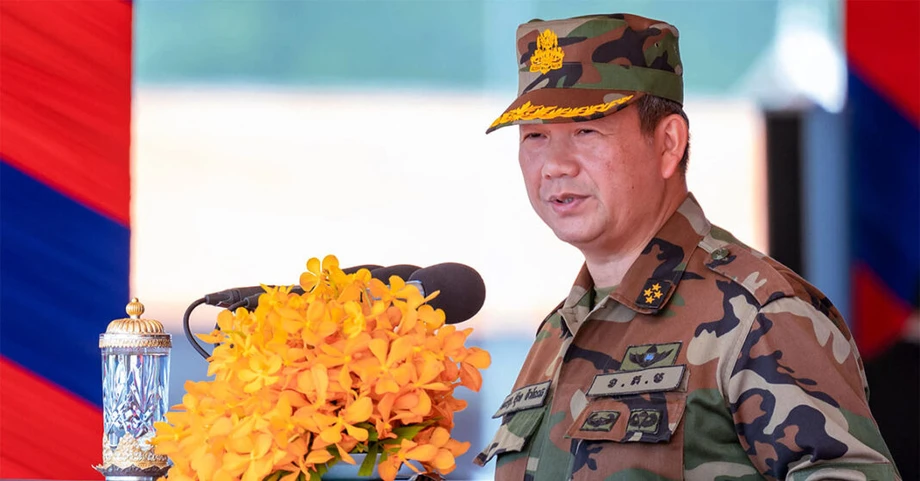
Prime Minister Hun Manet announced the start date on October 24 at the Multinational Peacekeeping Forces Training School in Kampong Speu province. November 9 coincides with Cambodia's National Independence Day and the anniversary of the Royal Cambodian Armed Forces.
The law requires Cambodian men aged 18 to 25 to complete 24 months of military service, with a possible extension of up to six months when necessary. Women may enlist voluntarily. The first intake is being drawn from voluntary applicants, while the law establishes a wider compulsory duty for eligible men.
Hun Manet made the announcement during a ceremony marking 20 years of Cambodian military deployments to United Nations peacekeeping missions and the inauguration of facilities at the training school. He presented the launch as a step toward strengthening the armed forces.
"November 9, which coincides with the anniversary of our armed forces and our Independence Day, will be the historic day when we begin implementing the principles and provisions of the military conscription law to strengthen our Cambodian armed forces," he said.
The Law Is Already in Force
The legal framework predates the November rollout. The military conscription law, document reference NS/RKM/0526/008, is recorded as adopted and effective on May 23, 2026. Its institutional record lists the Council of Ministers, the Ministry of National Defence and the Office of the Council of Ministers as issuing bodies.
May 23 therefore marks the law's legal effect, while November 9 marks the government's announced start of implementation. The distinction explains why recruitment preparations and screening arrangements have taken place before the November ceremony.
The legislation contains eight chapters and 20 articles. It describes military duty as a contribution to nation building and defence of the motherland, as well as a duty and an honour for Cambodian citizens. Its stated purposes also include developing patriotism, education, physical capacity, mindset and discipline.
The sequence from legislation to recruitment has unfolded over several months:
- May 23, 2026: The military conscription law was adopted and took legal effect.
- October 1 to 17: The Ministry of National Defence opened voluntary applications as a trial phase of implementation.
- October 24: Hun Manet announced the November 9 implementation date.
- November 9: Implementation is scheduled to begin on Independence Day and the armed forces anniversary.
How the First Intake Will Be Selected
The National Military Service Committee reviewed applications before selecting 5,000 male candidates for the first round of examinations. National Defence Minister General Tea Seiha said another 5,000 would be selected to meet the 2026 quota of 10,000.
The planned intake is roughly two thirds of the nearly 15,000 voluntary applications. The first group of 5,000 represents half the annual quota. Those figures show that the number applying exceeds the planned number of places, making screening and selection important steps even within a recruitment round built around volunteers.
The application period was announced as October 1 to 17, while the recruitment update described nearly 15,000 applications arriving within 13 days of registration opening. Both figures point to substantial interest during the initial application window.
An invitation to screening is one stage in the process. Candidates still face physical and medical assessments before admission, and the ministry has told them to prepare for the possibility of entering immediately after passing. That creates a practical need for applicants to arrive ready for more than a brief administrative appointment.
Where Candidates Must Report
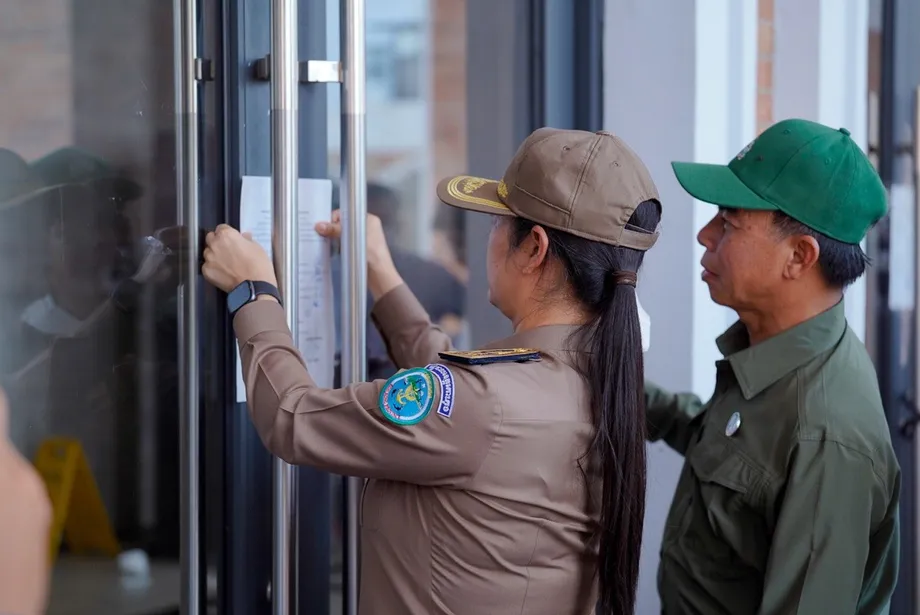
Tea Seiha's notice instructs selected candidates to assemble at 6am before travelling to training grounds for medical screening. The exact calendar date of those examinations was not specified in the recruitment information.
Candidates in Phnom Penh, Kratie, Kampong Cham, Tboung Khmum, Prey Veng and Svay Rieng must gather at their respective municipal or provincial Military Police Headquarters. Candidates from other provinces are instructed to report to their provincial Military Operational Command headquarters.
Working groups at the assembly points will explain procedures and requirements. Candidates must bring their application receipts, Cambodian national identity cards and essential belongings because admission may follow immediately after a successful assessment.
The ministry has directed recruits to verify their details online or through local military headquarters. For someone preparing to leave home for service, confirming the correct assembly point matters: the instructions assign different gathering locations according to where the candidate lives.
Who Must Serve, and for How Long?
Cambodian men aged 18 to 25 fall within the law's compulsory service requirement. The standard term is 24 months, or two years. An extension of up to six months would bring the maximum period described in the law to 30 months.
Women are outside the compulsory requirement but may volunteer. The nearly 15,000 applicants were described as young citizens, while the first 5,000 selected for screening were specifically identified as male candidates.
The law provides exemptions for Buddhist monks, religious clergy, people with disabilities and senior specialists undertaking national missions. Those categories are important because eligibility depends on more than age and citizenship alone.
A term of two years is a substantial commitment for a young adult planning employment, education or family responsibilities. The government's decision to begin with voluntary applications gives the first intake a different starting point from a call requiring eligible people to report regardless of whether they applied.
Prison Terms for Evading Service
The law sets criminal penalties for evading military service. During peacetime, offenders may face imprisonment of six months to two years. During war or foreign aggression, the range rises to between two and five years.
The change increases both the minimum and maximum punishment. The minimum rises from six months to two years, while the maximum rises from two years to five. For eligible citizens, the legislation makes military service a legal obligation backed by possible imprisonment.
The exemptions and penalties place particular weight on clear administrative decisions. Applicants and other eligible citizens need to understand whether they are required to serve, whether an exemption applies and what instructions they must follow. Accurate records and consistent decisions will be central to how the obligation works in practice.
Training Capacity Comes Into Focus
Tea Seiha inspected infrastructure, equipment and accommodation at School for Soldiers No. 4 as preparations advanced. The inspection addressed the facilities needed to receive and house recruits, alongside the administrative work of selecting candidates.
The first screening group alone contains 5,000 people. Moving candidates from local assembly points to examination sites, assessing their health and potentially admitting successful applicants immediately requires coordination between recruitment officials and training facilities.
Hun Manet said Cambodia would continue recruiting volunteers every year according to the needs of the armed forces. The 10,000 places announced for 2026 therefore provide a figure for this year's intake, while future recruitment numbers will depend on military requirements.
Discipline and Trust Are Central Tests
Hun Manet described military service as part of a broader effort to develop people's capabilities. He placed it alongside the work of the Ministry of Education, Youth and Sport, the Ministry of Labour and Vocational Training, and the Ministry of Cults and Religion.
The prime minister said service could develop discipline, good conduct, leadership, responsibility and moral values. This follows the law's stated purpose of combining national defence with education and personal development.
Seun Sam, a policy analyst at the Royal Academy of Cambodia, focused on confidence in recruitment. He said patriotism alone would not be enough to sustain support without a selection process that young people considered fair.
"The one word we need to consider is transparency, or credibility," he said.
Sam urged the government and recruitment committees to make selection transparent, effective and impartial. He warned that discrimination or unclear decisions could demoralise young recruits. With nearly 15,000 applicants and a quota of 10,000, explaining how candidates are chosen will be a concrete test of that credibility.
November 9 brings the legal framework into an operational phase involving examinations, admission and training. The immediate task is to turn the announced recruitment figures into an organised intake while applying the service requirements and exemptions consistently.
Key Points
- Cambodia will begin implementing military conscription on November 9, 2026, following the law's legal effect on May 23.
- The first 5,000 male candidates have been selected for screening, with another 5,000 planned to meet the 2026 quota.
- Nearly 15,000 young people applied voluntarily during the initial recruitment drive.
- Men aged 18 to 25 must serve for 24 months, with a possible extension of up to six months. Women may volunteer.
- Exemptions cover Buddhist monks, religious clergy, people with disabilities and senior specialists undertaking national missions.
- Evading service can bring imprisonment of six months to two years in peacetime, or two to five years during war or foreign aggression.
- Selected candidates must bring identification, application receipts and belongings for possible admission immediately after passing assessments.