Books Held Under Powers Added in March
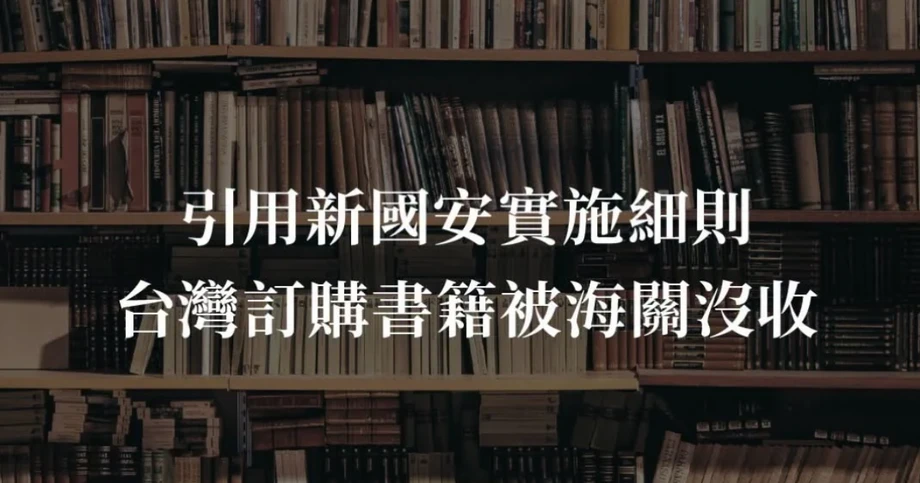
Hong Kong Customs seized more than 60 books imported from Taiwan by the group Hou Niao, citing powers under the national security law's implementation rules, according to a seizure receipt described by the group. The shipment was due on October 13 but arrived on October 20 with much of its contents missing.
Contents
Hou Niao, which supports people in prison, said the receipt cited Schedule 3, section 13B(1), of the Implementation Rules for Article 43 of the Hong Kong National Security Law. The provision allows customs officers working at specified places to seize items they reasonably suspect have a seditious intention, whether or not anyone has been arrested over those items.
The group disclosed the seizure on November 2. It said it had submitted written inquiries and representations to Customs and had received confirmation that officers took the books, but had still not been told why they were seized.
Customs declined to comment on the individual case. It said that when officers find items with a seditious intention, they will detain them for investigation in accordance with the law and, depending on the circumstances, refer the matter to the police National Security Department.
The dispute centres on books that Hou Niao says had previously entered Hong Kong and were already being sold locally. The group wants them returned, while the rules provide a process for owners or possessors to challenge a seizure and for a magistrate to consider what should happen to the property.
A Shipment Arrives With Most Books Missing
Hou Niao said the consignment should have contained two boxes of books for delivery to the Ru Yi shop. After a delay of about a week, it received only about half a box of disordered books. More than 60 copies were missing.
The transport company told the group that Customs had detained books for inspection. It also provided a Customs seizure receipt identifying the legal provision used, giving Hou Niao a basis for asking the department about the missing stock.
Hou Niao followed up both in writing and by telephone. The group said a short reply received near the end of October did not explain the reason for taking the books. It disputes the suggestion that their contents have a seditious intention.
The missing quantity refers to copies of books. Hou Niao has not publicly identified the titles or authors, so the number of different works affected is unknown. Group member Yau Sze-chung said it was not convenient to disclose those details and that some of the books remained on sale in Hong Kong.
How the Events Unfolded
The delivery dates show how a delayed commercial shipment became a dispute over the use of national security powers. The precise seizure date has not been disclosed, a detail that matters because the period for making written representations starts on that date.
- March: The Article 43 Implementation Rules were amended to include the Customs seizure provision described in this case.
- October 13: The books from Taiwan were due to arrive at the Ru Yi shop.
- October 20: The delayed shipment arrived, with more than 60 books missing, according to Hou Niao.
- Late October: The group received a brief response after contacting Customs, but said it still lacked an explanation for the seizure.
- November 2: Hou Niao publicly described the missing books, the seizure receipt and its request for their return.
Hou Niao had already made written representations by the time it disclosed the incident. No date was given for a further response, a court application or a hearing.
What the Customs Power Allows
Section 13B(1) gives customs officers a power tied to their work at specified places. The threshold described in the provision is reasonable suspicion that an item has a seditious intention. In simple terms, officers can take the property when they have grounds to suspect it falls within that legal category.
The provision expressly allows seizure whether or not someone has been arrested in connection with the item for an offence endangering national security. Property can therefore be held while authorities consider the material and any further action.
Customs described its general approach as detention for investigation, with possible referral to the police National Security Department depending on the circumstances. The department did not say whether such a referral had occurred in Hou Niao's case.
The reason for selecting these particular books remains the central unanswered issue. Without an explanation from Customs or the titles being made public, readers and other booksellers have little specific information about the contents that prompted officers to act.
How Owners Can Seek Their Property Back
The implementation rules allow the owner or possessor of seized items to make written representations to the Commissioner of Customs and Excise within 60 days of seizure. This gives the affected person or organisation a formal opportunity to put forward its position.
Hou Niao said it had used that process alongside its requests for information. Its argument is that the books contain rational discussion of social affairs and accounts of personal experiences and feelings, and should be returned.
Customs can apply to a magistrate for forfeiture of the items. Forfeiture means that the property is permanently taken away through the legal process, rather than simply held while inquiries continue.
A magistrate who is not satisfied that the items have a seditious intention can order their return or another form of disposal. The immediate practical issue for Hou Niao is whether it can recover the stock through its representations or whether the matter will proceed to court.
Books Previously Imported and Sold Locally
Hou Niao said the seized books were not new publications. The same works had been imported from Taiwan more than once and sold at the Ru Yi shop and some independent bookshops. According to the group, authorities had not previously identified them as endangering national security.
Yau said the group had not deliberately sought to challenge the law. Unless authorities provided clear instructions, it would continue selling books according to standards it considered reasonable and lawful.
Hou Niao also described its position in a public statement, saying it had no intention or ability to endanger national security:
We have neither the intention nor the ability to endanger this country's security.
The group's response links two immediate concerns: recovering the seized books and deciding what it can continue to stock. Its account of previous imports explains why it is asking Customs for a specific reason for this seizure.
The Practical Stakes for Sellers and Readers
For Hou Niao, more than 60 copies are unavailable for sale while the dispute continues. The delayed delivery also left the organisation relying on the transport company's receipt and its own inquiries to establish where the missing books had gone.
Other sellers carrying the same works face a more basic information problem: the titles have not been disclosed publicly, and Customs has offered only its general enforcement position. Yau's statement that some copies remain on sale means the seizure and continued local availability are occurring at the same time.
The next concrete steps lie in the handling of Hou Niao's written representations and any decision to seek forfeiture. A response explaining the grounds for seizure would also address the question the group has repeatedly raised since the shipment arrived.
Key Points
- Hou Niao says Customs seized more than 60 books from a shipment imported from Taiwan.
- The books were due on October 13 and arrived on October 20 with much of the shipment missing.
- A seizure receipt cited Schedule 3, section 13B(1), of the Article 43 Implementation Rules.
- Hou Niao disputes that the books have a seditious intention and has requested their return.
- Customs declined to discuss the case and said relevant matters may be referred to the police National Security Department.
- Owners or possessors can make written representations within 60 days of seizure; a magistrate can consider forfeiture or return of the property.