November 11 Debate Puts Committee Powers in Focus
Thailand's House of Representatives is scheduled to consider changes to its meeting rules on November 11, 2026, including a requirement for candidates for prime minister to present their vision before a vote and new voting requirements governing parliamentary committees. The proposal would also allow the House to increase or reduce its existing 35 standing committees.
Contents
- November 11 Debate Puts Committee Powers in Focus
- How the Prime Minister Vote Would Work
- Committee Leadership Could Shift
- Calling Witnesses Would Require Collective Approval
- Public Meetings Would Not Automatically Be Broadcast
- Opposition Leaders Challenge the Direction of Change
- An 8 to 0 Vote Escalates the Guidelines Dispute
- Ministers Would Be Expected to Answer Personally
- Bills Would Keep Their Place After a Sponsor Leaves
- Key Points
Nikorn Chamnong, a Bhumjaithai Party MP elected through the party list, submitted the draft to the House speaker on October 21 with 48 supporting MPs. Its stated purpose is to make parliamentary work more efficient, reflect changes in technology and bring procedures into line with the constitution.
The sharpest political dispute concerns who controls committee investigations. The draft would require committee decisions before documents or witnesses could be requested, before meetings could be broadcast live, and before committees could set matters for consideration or hold news conferences. Opposition leaders argue that these voting requirements could give the governing majority greater control over scrutiny of its own administration.
A related dispute over committee operating guidelines intensified on November 4. The House Committee on Legal Affairs, Justice and Human Rights voted 8 to 0 not to accept those guidelines for now and agreed to invite House Speaker Sophon Saram to explain them at its next meeting.
The draft rule changes and the disputed operating guidelines are separate measures, although both concern committee powers. Neither the outcome of the November 11 consideration nor a calendar date for Sophon's appearance before the legal affairs committee has been announced. For MPs, the immediate contest is over the procedures that determine whether an investigation can begin, whom it can question and how much the public can see.
How the Prime Minister Vote Would Work
Bhumjaithai's draft would add a chapter setting out the House procedure for approving a person for appointment as prime minister. Each MP could nominate one eligible person from the names submitted by political parties.
The party putting forward the candidate would need to hold at least 5% of the total number of serving MPs. A nomination would also need public endorsements from at least one tenth of serving MPs. These are two different tests: one concerns the size of the candidate's party, while the other concerns support for putting that person before the House.
With 500 serving MPs, those thresholds would mean a party needed at least 25 seats and a nomination needed at least 50 endorsements. The actual numbers would depend on how many MPs were serving when the procedure took place.
Before voting, the nominee would have to present a vision to the chamber within a period set by the speaker. If the nominee were not an MP, the speaker could permit that person to enter the chamber to make the presentation.
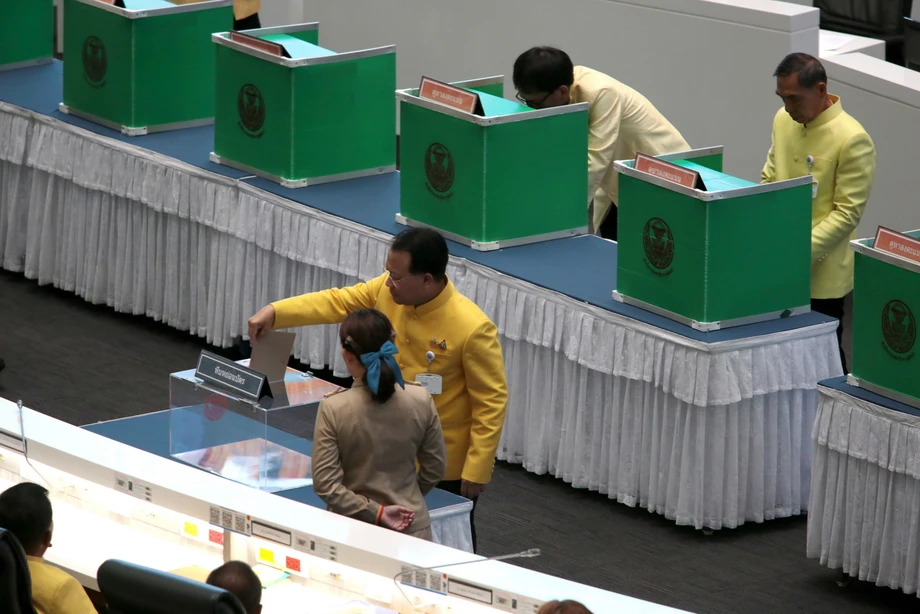
The vote would be public. Approval would require more than half of all serving MPs, rather than simply more than half of those who voted. With 500 serving members, a candidate would therefore need at least 251 votes. If nobody reached the threshold, nominations and consideration would take place again at the next sitting.
For the public, the proposed presentation would provide an opportunity to hear a candidate's priorities before MPs made their decision. The public nomination endorsements and final vote would also identify which MPs supported the candidacy at each stage.
Committee Leadership Could Shift
The proposal would change both the number of standing committees and how their leaders are selected. Standing committees are the House's continuing groups for examining particular areas of government work. The existing rules specify 35, while the draft would let the House increase or reduce that number as circumstances changed.
For committee chairs and deputy chairs, a sole nominee would be declared elected. Where several people were nominated, committee members would vote by secret ballot, with the person receiving the most votes winning. Nominees could present their vision, but there would be no debate on those presentations.
A tie for the highest number of votes would trigger another ballot. If the second vote still produced a tie, the winner would be chosen by drawing lots.
The political concern is the shift from allocating committee chair positions according to parties' shares of House seats toward selection through committee ballots. Abhisit Vejjajiva, the Democrat Party leader, argued that the change would allow majority votes to determine positions previously distributed according to party strength in parliament.
A secret ballot means individual choices would not be publicly identified, unlike the proposed open vote for prime minister. The candidate with the most committee votes would win, so the selection rule is also different from the requirement that a prime minister secure more than half of all serving MPs.
Calling Witnesses Would Require Collective Approval
Committees seeking documents or testimony would first need approval from at least half of their serving members. Requests would have to be made in writing, with the draft allowing electronic signatures. The proposal submitted in October provides for a signature by the committee chair or deputy chair.
Requests involving state officials would also pass through the executive branch. The committee chair would notify the prime minister or the minister responsible for the official's agency, and that officeholder would be responsible for instructing the official to provide the requested facts.
For a committee chair pursuing an investigation, the practical change would be a requirement to secure support inside the committee before issuing a request. For officials asked to appear, the procedure would bring their supervising minister into the process.
The draft would also require resolutions supported by at least half of committee members to determine matters for consideration or hold committee news conferences. Its stated aim is greater transparency and protection against arbitrary use of committee authority. Opposition objections focus on how those requirements would operate when government supporters held enough seats to control the decisions.
The central disagreement is therefore about where authority should sit. Bhumjaithai's proposal places more decisions with the committee collectively. Opposition leaders say chairs conducting scrutiny need room to act even when government members oppose an inquiry.
Public Meetings Would Not Automatically Be Broadcast
Committee meetings would normally remain open under the draft. A meeting would become secret if the prime minister, a minister or more than half of the committee's serving members requested it.
Attendance at a secret meeting would be restricted to people connected with its business who had permission from the committee chair. This would add an express condition governing who could listen to confidential proceedings.
Live broadcasts would require a separate decision supported by more than half of serving committee members. An open meeting and a broadcast would therefore be governed by different procedures: a meeting could be open without securing approval for a live transmission.
The proposal also creates a route for people affected by statements made during a broadcast to seek publication of an explanation. A person outside the committee who believed the broadcast contained damaging remarks about them could submit a request to the committee chair within three months. The provision excludes the prime minister, ministers and committee members.
These rules would affect both access to proceedings and the handling of complaints afterward. Viewers following a committee remotely would depend on members approving a broadcast, while an eligible person affected by remarks would have a specified period in which to request a published response.
Opposition Leaders Challenge the Direction of Change
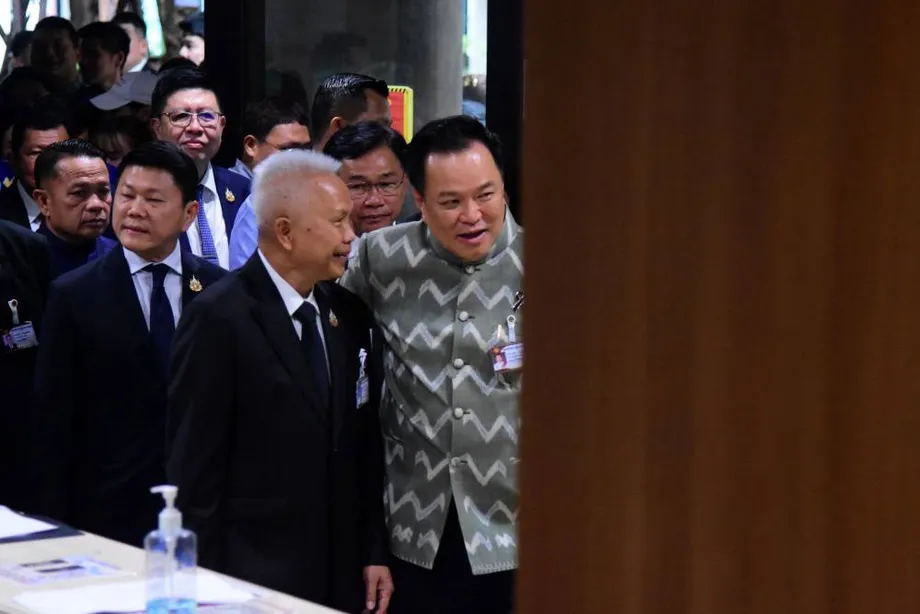
Opposition leader Natthaphong Ruengpanyawut joined Abhisit, Thai Ruam Palang Party leader Wasawat Puangpornsri and committee chairs from the People's Party and Democrat Party at a November 4 news conference. They challenged measures they described as obstructing parliamentary scrutiny.
Abhisit connected the proposed amendments with a circular setting out committee operating guidelines. He said the speaker had previously called together the chairs of all 35 committees and asked the legal department to draw up guidance. He urged Sophon to convene the chairs again and reconsider how the procedures should work.
Abhisit, the Democrat leader and a former opposition leader, argued that a chair could consult members about proposed agenda items and allow objections without requiring a formal vote each time. On that point, he said:
There is no need for a resolution.
His proposed alternative would preserve discussion within a committee while allowing its chair more discretion over the agenda. He also warned that changing the rules could allow committees to be abolished and make legislative scrutiny harder to carry out.
Natthaphong argued that restrictions on the 35 committees could turn them into bodies that simply endorsed government actions. Those statements set out the opposition's objection to the proposal; Bhumjaithai's stated rationale is to improve parliamentary efficiency and update procedures.
An 8 to 0 Vote Escalates the Guidelines Dispute
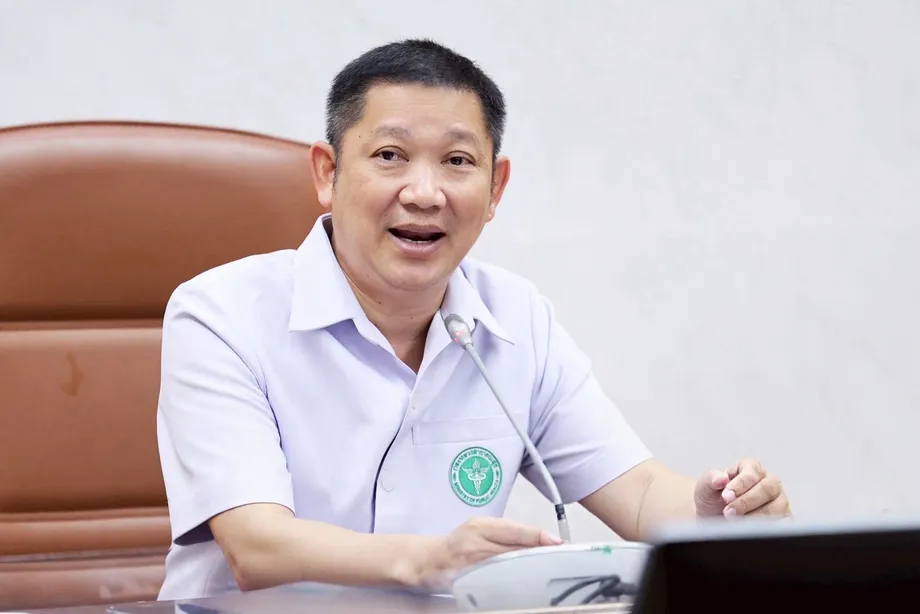
Rangsiman Rome, a People's Party MP, deputy party leader and chair of the Committee on Legal Affairs, Justice and Human Rights, said on November 4 that the legal status of the committee operating guidelines remained disputed.
His committee voted 8 to 0 not to accept the guidelines at that stage. Members also agreed to invite Sophon, who serves as both president of parliament and House speaker, to explain them at the following committee meeting.
The unanimous vote among those voting gives the disagreement a concrete parliamentary form. Instead of limiting its response to public criticism, the committee has requested an explanation from the official responsible for the House's leadership.
Several dates show how the dispute developed:
- October 21, 2026: Nikorn submitted the proposed House rule amendments with 48 supporting MPs.
- November 4, 2026: Opposition leaders publicly challenged the direction of committee restrictions, while the legal affairs committee voted 8 to 0 not to accept the operating guidelines for now.
- November 11, 2026: The House is scheduled to consider Bhumjaithai's proposed amendments.
Ministers Would Be Expected to Answer Personally
The draft would require the prime minister or a minister addressed in a parliamentary question to attend and answer personally. Where unavoidable circumstances prevented attendance, the officeholder could request a postponement or assign another minister to answer.
A written request would have to reach the House speaker before or on the day of the sitting. Submission through the House's information technology system would be permitted under its procedures.
The proposed wording would remove an existing requirement for a minister postponing an answer to specify when they would return to respond. The personal attendance requirement would therefore sit alongside greater flexibility over the timing of a postponed answer.
Both general parliamentary questions and separately scheduled questions could be submitted in advance through the electronic system. Questions requiring an answer in the chamber would have to complete the question and answer process within 20 minutes.
Bills Would Keep Their Place After a Sponsor Leaves
The amendments also address what happens when an MP who sponsored a bill loses membership of the House. If that departure reduced the number of sponsors below the constitutional requirement, a bill already admitted to the agenda by the speaker would remain valid.
This provision would protect a bill's place in the parliamentary process after it had cleared that procedural stage. MPs would not have to restart it solely because a sponsoring member had left and the sponsor count had fallen.
Proposed amendments to a bill would have to be submitted within seven working days after the House accepted its principles. Acceptance of principles is the stage when MPs agree that a bill should proceed for closer examination, before settling its detailed wording.
A committee examining a bill could appoint no more than two assistant secretaries. If it appointed two, at least one would have to be a legislative lawyer. That requirement would put legal drafting expertise into the committee's support team when both positions were filled.
Electronic submissions, signatures, bill continuity and legal support give the package a broader reach than the dispute over committees alone. The November 11 consideration will bring those administrative changes before MPs alongside the more contested rules governing investigations and political control.
Key Points
- The House is scheduled to consider Bhumjaithai's proposed meeting rule amendments on November 11, 2026.
- Nominees for prime minister would present their vision before an open vote requiring support from more than half of serving MPs.
- The House could change the number of standing committees, currently fixed at 35.
- Committee requests for documents and testimony, agenda decisions, news conferences and live broadcasts would face specified voting requirements.
- Opposition leaders warn that the changes could weaken their ability to scrutinise the government.
- The legal affairs committee voted 8 to 0 not to accept related operating guidelines for now and invited Speaker Sophon Saram to explain them.
- The draft also covers ministerial answers, electronic procedures and protection for bills whose sponsors leave the House.