A proposed pause after a decade of expansion
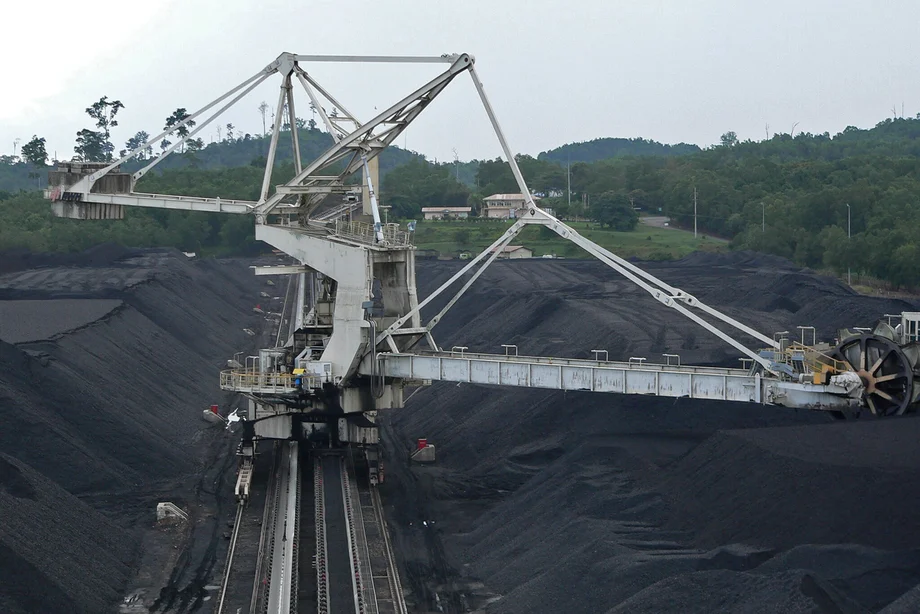
Indonesia is considering halting approvals for new smelters that produce only intermediate mineral products, as the government confronts a nickel surplus of nearly 800,000 metric tons and seeks a larger domestic industry making batteries and finished stainless steel.
Contents
- A proposed pause after a decade of expansion
- What Indonesia wants to make at home
- Why nickel prices are part of the decision
- Exports rose more than tenfold
- How the policy discussion developed
- The battery chain shows the intended direction
- A mineral industry larger than nickel alone
- Technology, energy and reserves shape the choices
- Key Points
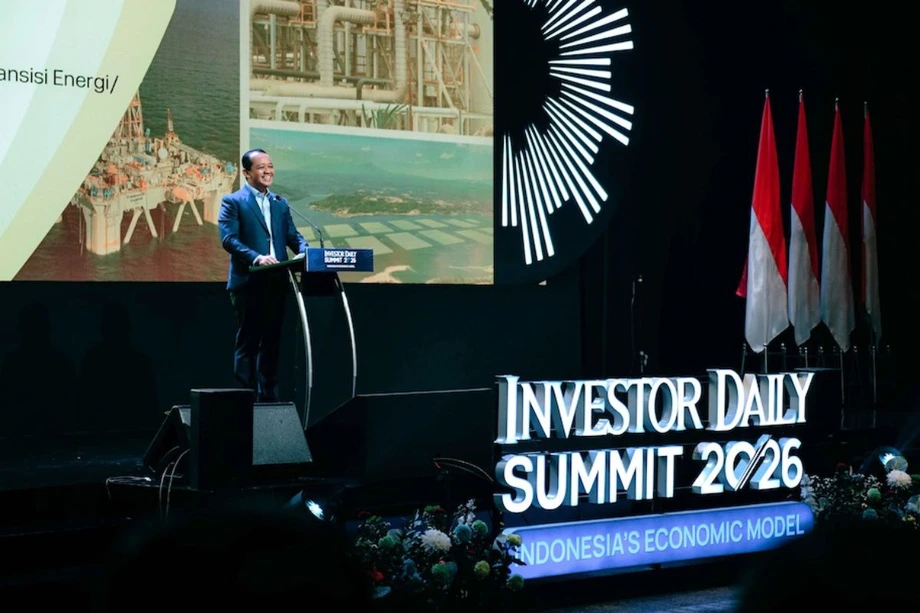
Bahlil Lahadalia, energy and mineral resources minister and coordinating minister for downstream industrialization and energy transition, called for the review at the opening of Minerba Convex 2026 at JIExpo in Jakarta on November 2, 2026. He asked Tri Winarno, director general of minerals and coal, to examine whether Indonesia should continue allowing such facilities or introduce a moratorium, meaning a temporary pause.
Bahlil estimated that 50% to 60% of Indonesia's downstream mineral output remained at the intermediate stage. An October 29 account described a similar proportion as the share of nickel smelting capacity producing intermediate goods. Both descriptions point to the government's central concern: processing has expanded faster than manufacturing further along the production chain.
The proposal could extend beyond nickel to smelters processing bauxite. The government has not announced a final scope, starting date, duration or treatment of projects already holding permits.
What Indonesia wants to make at home
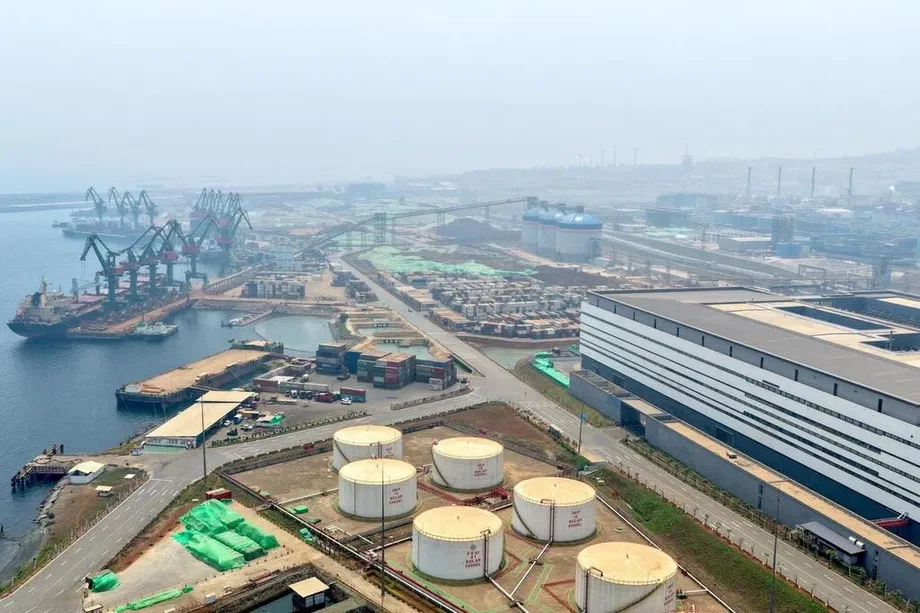
Indonesia's policy of downstream processing encourages companies to turn minerals into increasingly valuable products before selling them. A smelter processes ore into a metal or another material that factories can use. An intermediate product has already undergone processing but still needs more manufacturing before reaching its intended use.
Bahlil wants investment to continue beyond those intermediate stages. His targets include materials for electric vehicle batteries, battery cells and finished stainless steel. These represent different points in production: a battery material still needs further processing or assembly, while a cell is a manufactured component that stores electricity.
The practical aim is to keep more manufacturing activity in Indonesia. Instead of exporting processed minerals and leaving subsequent factory work overseas, the government wants companies to carry out more of those steps domestically. Bahlil has linked that shift to more jobs and stronger industrial technology capabilities.
Bahlil explained that objective at the November 2 event. Speaking in Indonesian, he said:
For smelters producing intermediate goods, what we need to encourage is the final product. That way, these intermediate raw materials are not all exported abroad, so Indonesia truly receives the full benefit.
A restriction on new intermediate processing capacity would therefore change the direction of future investment. Its purpose would be to encourage factories that use existing processed materials, alongside managing the amount of new smelting capacity entering the market.
Why nickel prices are part of the decision
Bahlil put global nickel demand at about 3.5 million metric tons annually and excess supply at almost 800,000 metric tons. On those figures, the surplus is equivalent to roughly 23% of annual demand, a substantial volume for producers to sell into an already crowded market.
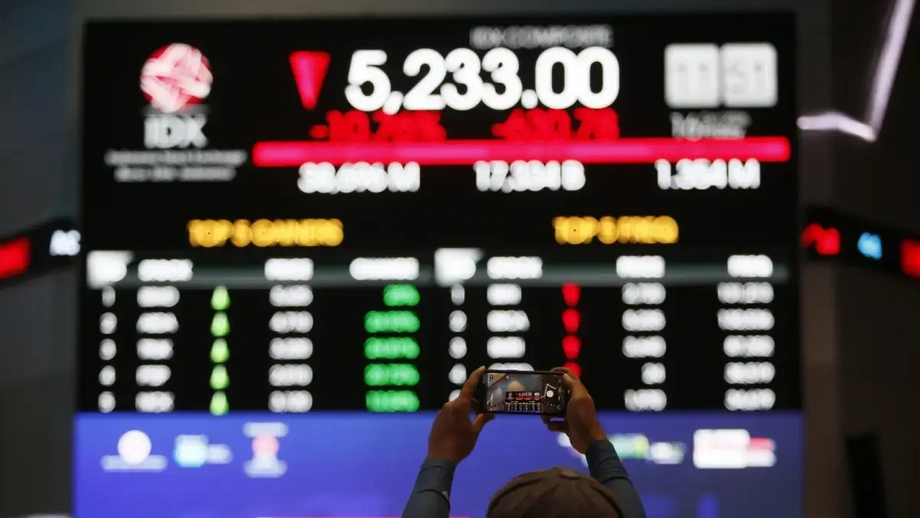
Nickel was trading at about US$15,800 per metric ton, according to the price he cited. He blamed aggressive production growth for pressure on prices and urged mining companies and processors to restrain expansion.
A surplus means producers are supplying more nickel than buyers currently need. Buyers then have more choice, while sellers compete for orders. That makes it harder for producers to secure higher prices, even when their factories can produce greater volumes.
Bahlil asked Winarno to manage supply through the RKAB mechanism, Indonesia's mining work plan and budget approval process. Through that process, authorities review company operating plans, including planned production. It offers a way to influence supply from mining operations, while a smelter moratorium would address the construction of additional processing capacity.
The two measures operate at different stages. Production controls affect how much material enters the chain; restrictions on new smelters affect how much additional processing capacity gets built. Bahlil said he was prepared to take responsibility for supply controls despite expecting objections from businesses.
Exports rose more than tenfold
Energy and Mineral Resources Ministry figures cited by Bahlil put Indonesia's nickel export value at US$33.9 billion in 2024, compared with roughly US$3.3 billion in the earlier period he described as 2017 to 2019. The October 29 account identifies the US$3.3 billion starting figure specifically with 2017 and describes the exports as nickel and derivative products.
Using US$3.3 billion and US$33.9 billion, export value increased by US$30.6 billion, reaching about 10.3 times the earlier level. Bahlil attributed the rise to Indonesia's 2020 ban on nickel ore exports, which encouraged investment in domestic smelting and processing.
The proposed moratorium would mark another step in that industrial strategy. The ore export ban pushed processing into Indonesia. A pause on new facilities making only intermediate goods would seek to direct the next wave of investment toward manufacturing that uses those materials.
Export receipts and domestic manufacturing measure different aspects of that progress. The first records the value of products sold abroad. The second concerns the work performed inside Indonesia, including additional processing, component production and assembly. Bahlil's argument is that Indonesia can retain more of that work even after the large increase in export value.
How the policy discussion developed
Bahlil's latest remarks followed an October statement calling for nickel processing to reach finished products. The sequence connects Indonesia's earlier export restrictions with its current consideration of investment and production controls.
- 2017 to 2019: Bahlil placed the earlier nickel export value at about US$3.3 billion, with an October account identifying 2017 as the comparison year.
- 2020: Indonesia banned nickel ore exports, encouraging domestic processing investment.
- 2024: Nickel export value reached US$33.9 billion, according to ministry figures cited by Bahlil. The LG and Hyundai battery facility in Karawang was also inaugurated that year.
- October 29, 2026: Bahlil called for more production of battery materials, battery cells and finished stainless steel, alongside consideration of restrictions on new smelters.
- November 2, 2026: At Minerba Convex in Jakarta, he requested a moratorium study and urged nickel supply management through RKAB approvals.
- November 2026: Bahlil said an Antam and CATL battery project in Karawang was expected to be inaugurated that month.
The announced next steps center on the ministry's review and production planning, alongside the anticipated battery project inauguration. Businesses considering additional smelting capacity face a policy discussion that now concerns both the quantity produced and the stage at which products leave Indonesia.
The battery chain shows the intended direction
Bahlil described an integrated battery industry running from mining and smelting through high pressure acid leaching, or HPAL, precursor and cathode production, and battery cells. Each stage prepares material for the next factory rather than ending with an intermediate export.
HPAL uses acid under high pressure to extract metals from ore. Precursors are prepared chemical materials used to make cathode materials. The cathode is one of a battery's main electrodes and helps determine how much energy it can store. Battery cells bring these materials together into units that can later be assembled into larger battery systems.
Bahlil referred to three battery facilities or projects: one at Weda Bay in North Maluku that he said President Prabowo Subianto had recently inaugurated; the LG and Hyundai facility in Karawang inaugurated in 2024; and the Antam and CATL project expected to be inaugurated in Karawang during November 2026.
His description includes facilities at different stages, with the Antam and CATL inauguration still ahead at the time of his remarks. These projects illustrate the manufacturing direction he wants investors to follow: connecting mineral extraction to successive industrial processes inside Indonesia.
A mineral industry larger than nickel alone
A Directorate General of Minerals and Coal presentation gave the scale of Indonesia's mineral production through September 2026. Nickel ore output reached 225.3 million metric tons, while ferronickel production was 419,080 metric tons and nickel matte output was 60,810 metric tons.
Ferronickel is an alloy of iron and nickel commonly used in stainless steel production. Nickel matte is another processed material that can undergo further refining. Ore contains other material alongside nickel, so the ore and processed product figures describe different forms of output with different metal contents.
Copper production figures covered 114.9 million metric tons of ore, 1.47 million metric tons of concentrate and 257,000 metric tons of cathode. Concentrate is material in which the copper content has been increased; cathode is a refined copper product used in further manufacturing.
The presentation also listed 23.43 million metric tons of bauxite ore, 57,240 metric tons of tin ore and 34,600 metric tons of refined tin. Bauxite is the main ore used to produce aluminium.
Bahlil has identified bauxite, copper and rare earth metals as further priorities for domestic processing. The discussion of a possible moratorium on intermediate smelters is therefore part of a broader effort to decide how far Indonesia should process its mineral resources before exporting them.
Technology, energy and reserves shape the choices
Indonesia's ability to move into more manufacturing depends on technology readiness, energy supply, mineral reserves and market demand, factors identified in the October policy discussion. New factories need the right processes and dependable power, as well as customers willing to buy their products.
Market demand matters at both ends of the proposed shift. Indonesia is already confronting excess nickel supply. Expanding into later manufacturing stages will also require investment decisions that account for how much battery material, battery capacity or finished steel buyers need.
Bahlil also argued for conserving mineral reserves when prices are weak. Unlike a plantation crop that can be replanted, nickel deposits are depleted as they are mined. He urged companies to consider leaving resources underground so future generations could benefit from them.
For mining and industrial communities, the government's stated goals include jobs, stronger domestic manufacturing and environmental protection. The pending decisions concern how to pursue those goals while limiting excess supply and directing capital toward production stages Indonesia still wants to develop.
Key Points
- Indonesia is studying a moratorium on new smelters producing only intermediate goods, potentially including nickel and bauxite facilities.
- Bahlil estimated global nickel demand at 3.5 million metric tons annually, with nearly 800,000 metric tons of excess supply.
- He urged production management through RKAB mining work plan and budget approvals.
- Ministry figures cited by Bahlil put nickel export value at US$33.9 billion in 2024, against an earlier benchmark of about US$3.3 billion.
- The government wants more domestic production of battery materials, battery cells and finished stainless steel.
- The moratorium remains under study; an Antam and CATL battery project was expected to be inaugurated in November 2026.