1,248 Collection Points Offer an Alternative to the Bin
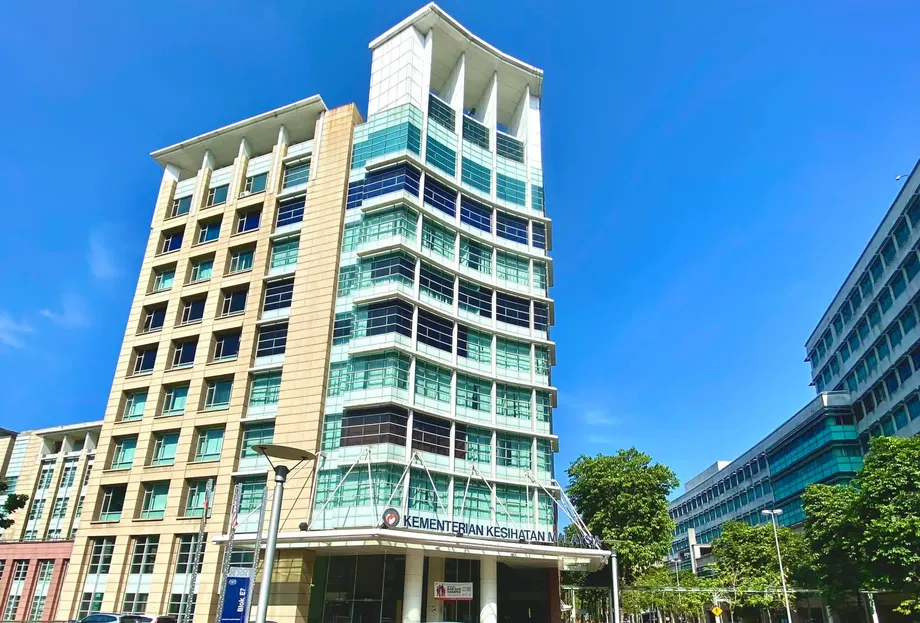
Malaysia has 1,248 medicine collection points nationwide, yet unwanted tablets, liquids and other treatments continue to enter household rubbish and drains. The Health Ministry's Pharmaceutical Services Programme (PSP) is urging people to return medicines for safe disposal as pharmaceutical residues threaten waterways and unused supplies accumulate at home.
Contents
- 1,248 Collection Points Offer an Alternative to the Bin
- How Medicines Reach Rivers
- What Malaysian Surveys Found
- A Return System Dating Back to 2010
- What Can Be Returned, and by Whom?
- How to Prepare Medicines for Return
- Why So Much Medicine Remains at Home
- Returns Can Reveal Gaps in Treatment
- Advice Must Accompany Collection Boxes
- Key Points
The environmental concern has a local warning sign. A study examining 1,052 rivers across 104 countries placed Selangor's Sungai Langat among the 20 most polluted by pharmaceutical residues. Researchers detected carbamazepine, used to treat seizures, and metformin, a medicine for diabetes.
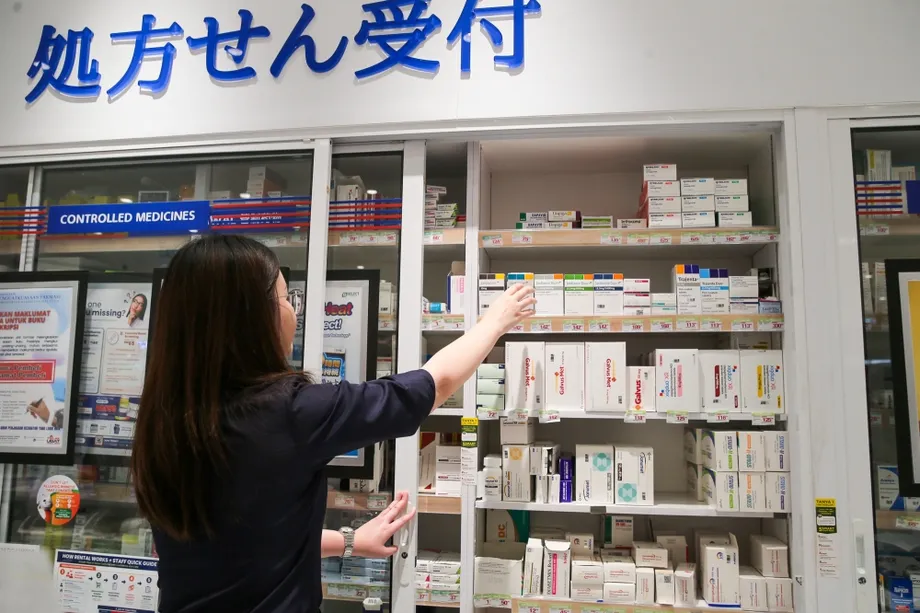
The ministry's MyMediSAFE programme, launched in September 2024, extends medicine disposal efforts through partnerships with the private sector. Collection points include Health Ministry hospitals, selected private and university hospitals, and participating community pharmacies. Returning medicines through MyMediSAFE is free.
Malaysia's challenge reaches beyond providing more collection boxes. People need to know where to take medicines, understand why household disposal can cause harm, and get help when unused supplies reflect confusion or concerns about treatment. Pharmacists say a bag of returned tablets can reveal a patient who has quietly reduced a prescribed dose or stopped treatment altogether.
How Medicines Reach Rivers
The PSP warns that medicines must not be thrown away with household waste, buried, or flushed down toilets and sinks. Its advice covers traditional preparations and supplements as well as conventional medicines. Tablets, capsules, liquids, inhalers, creams, ointments, eye and nasal drops, suppositories, sachets and patches all require appropriate disposal.
Medicines contain active ingredients, the substances that produce their medical effects, and other ingredients that help form or deliver each dose. When discarded in rubbish, these substances can escape through landfill leachate, the contaminated liquid that drains through waste. Flushing medicines sends them into wastewater systems.
Pharmaceutical residues can affect aquatic life, including fish reproduction and behaviour. Improper antibiotic disposal also contributes to conditions that encourage antimicrobial resistance. This happens when microbes become able to survive medicines intended to kill them, making infections harder to treat.
The PSP identifies improper disposal as one contributor to pharmaceutical pollution. For households, returning unwanted medicines removes an avoidable route into the environment. It also keeps discarded medicines away from children and animals that might mistake them for food.
What Malaysian Surveys Found
The 2025 edition of MyMediSAFE's Master Plan for the Disposal of Medicines Kept by Patients for Environmental Sustainability cites a 2019 survey of 426 people in Selangor. It found that 84.9% put unused medicines in household rubbish bins, while only 15.1% knew about proper disposal methods.
Another study in 2021, involving 1,000 patients with chronic conditions in the Klang Valley, found that about two thirds disposed of unused medicines with household waste, down drains or through toilets. Chronic conditions are illnesses such as diabetes or high blood pressure that usually require continuing care.
A broader study of unused medicines, published in 2021, interviewed 1,184 adults in Kuala Lumpur and Selangor. Of those participants, 995, or 84%, said they had unused medicines. Awareness of the Medicine Return Programme stood at 48.6%, while only 19.3% said they had participated.
The researchers conducted interviews from October 2020 to February 2021 near healthcare facilities, pharmacies, universities and other public locations. They used convenience sampling, recruiting eligible people they could reach, rather than selecting a random national sample. The findings describe those participants and locations.
Disposal patterns varied by medicine category. The study recorded rubbish disposal at 17.9% for medicines used for chronic illnesses and 24.0% for medicines used for acute illnesses, such as a short episode of pain or a cold. Toilet or drain disposal accounted for 1.0% and 1.2%, respectively. Keeping medicines at home was also common.
A Return System Dating Back to 2010
Malaysia began its Medications Return Programme in 2010, with implementation in pharmacies at government hospitals and health clinics. A Pharmaceutical Services Programme healthcare professional research paper describes its purposes as protecting patients from indiscriminate medicine use and ensuring safe disposal of unwanted or expired supplies.
MyMediSAFE builds on that foundation by bringing more partners into public education and medicine collection. The main developments span more than a decade:
- 2010: Malaysia introduced its medicine return programme through government healthcare pharmacies.
- 2019: A Selangor survey documented widespread disposal in household rubbish.
- October 2020 to February 2021: Researchers interviewed 1,184 adults in Kuala Lumpur and Selangor about unused medicines and disposal.
- September 2024: The Health Ministry launched MyMediSAFE.
- 2025: MyMediSAFE's master plan brought together evidence supporting safer disposal and wider participation.
The network now provides 1,248 collection points, but awareness remains a barrier. The ministry encourages people to combine medicine returns with other activities, such as a pharmacy visit, instead of treating disposal as a separate journey.
What Can Be Returned, and by Whom?
MyMediSAFE accepts damaged, expired or unused medicines owned by patients. Its rules cover many forms of medicine, including liquids, inhalers, pessaries and patches, alongside familiar tablets and capsules.
The programme's medicine disposal guidance draws a boundary between household returns and waste generated by organisations. Medicines from private pharmacies, clinics, nursing homes and nongovernmental organisations are excluded from this patient return service.
Individual collection centres may accept only certain types of medicines. MyMediSAFE advises people to contact their intended collection point before visiting, particularly when returning products that need different handling from ordinary tablets.
MyMediSAFE, the medicine disposal programme, gives an explicit answer to whether patients must pay:
There are no charges for disposing of medicines through MyMediSAFE.
The PSP also addresses a misconception that can discourage returns: medicines handed back to healthcare facilities are intended for safe disposal, rather than reuse by other patients. MyMediSAFE says collected medicines go to a disposal service provider for Scheduled Substances.
How to Prepare Medicines for Return
MyMediSAFE asks patients to keep medicines in their original packaging. The packaging should then be placed in a suitable container for transport to a participating collection point.
Personal details need attention before the medicines leave home. The programme instructs patients to cross out their personal information and destroy the Farmatag hologram safety label on the medicine packaging, while leaving the medicines themselves in their original packs.
- Separate medicines that are expired, damaged or no longer needed.
- Cross out personal information and destroy the Farmatag hologram safety label.
- Keep medicines in their original packaging and pack them in a suitable container.
- Confirm which products the collection centre accepts, then bring them for disposal.
- Scan the collection box QR code and complete the short survey, following the centre's arrangements.
Patients who are unsure whether a medicine is still part of their treatment should ask a pharmacist before setting it aside for disposal. Reviewing a supply can help separate medicines that are genuinely unwanted from medicines a person still needs to take as prescribed.
Why So Much Medicine Remains at Home
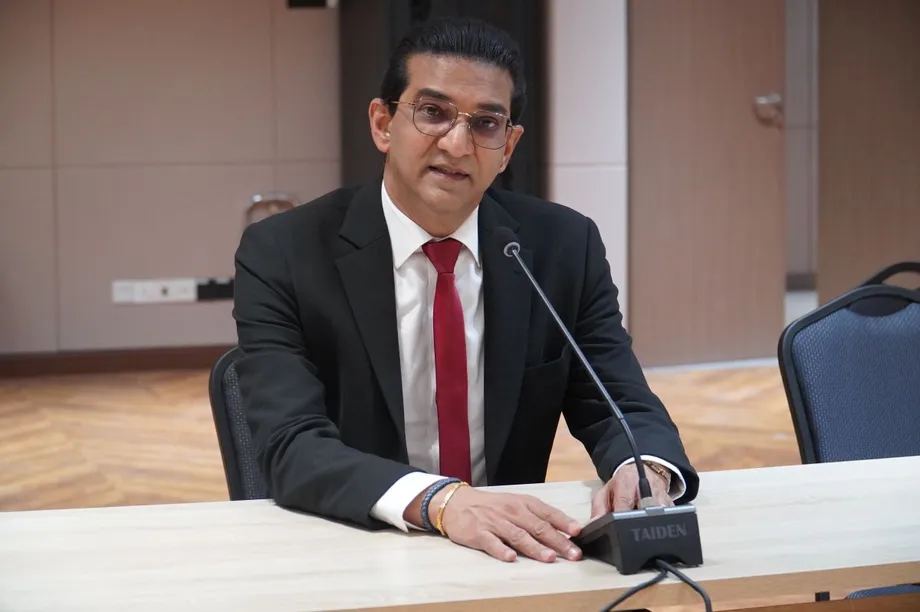
Ng Yi Ling, chairman of the Malaysian Pharmacists Society's Special Interest Group on safe medicine disposal, says people often accumulate medicines because they do not know about return services or do not regularly check their supplies. Others know about disposal risks but give them little priority.
Confusion about treatment adds to the problem. Ng gives the example of a patient prescribed four metformin tablets a day who takes only two because of fear of side effects or a misunderstanding of the dose. The patient then has tablets left over while receiving less treatment than prescribed.
The 2021 study of 1,184 adults found different reasons for leftovers in different treatment groups. Among reasons recorded for unused medicines for chronic illnesses, 68.5% involved forgetting doses or otherwise not following the prescription. For acute illnesses, 79.2% involved improvement in the person's condition.
Researchers also found a strong statistical association between medicines for acute illnesses and having unused supplies, with an odds ratio of about 29.8. Paying for medicines was associated with an odds ratio of about 6.0. An odds ratio compares the odds of an outcome between groups; here, the researchers measured how strongly those circumstances were linked with possessing unused medicines.
Pharmacists therefore face more than one problem. A person recovering from a brief illness may have received more medicine than was needed. A person living with diabetes may have stopped taking a necessary treatment. Asking why medicine remains unused helps identify the appropriate response.
Returns Can Reveal Gaps in Treatment
Ng, who is also Alpro Pharmacy's professional care and development manager, says pharmacists should ask about excess medicines rather than simply receive them for disposal. Concerns about side effects, misunderstanding of instructions and decisions to use alternative treatments can all require a discussion about care.
Metformin and statins, which treat diabetes and high cholesterol respectively, are among the medicines commonly returned to Alpro. Paracetamol and smaller quantities of antibiotics also appear in returns. Alpro has disposed of an average of 3.5 tonnes of medicines returned by the public each year over the past three years.
The Malaysian Pharmacists Society also collected an estimated 639kg between January and June through a nationwide initiative supporting independent community pharmacies as return points. The year for that collection period was not specified.
Medicine wastage carries costs beyond disposal. Manufacturing medicines consumes resources, while patients who do not follow prescribed treatment risk worsening health and further medical expenses. Ng argues that preventing unwanted supplies should begin with understanding the reasons patients are not using them.
The PSP advises patients to tell pharmacy staff what medicines remain at home before obtaining more. Staff can then assess the person's needs and dispense the appropriate quantity. Existing supplies should be used according to the current prescription, with professional advice when treatment or dosage has changed.
Advice Must Accompany Collection Boxes
The research paper hosted by the Pharmaceutical Services Programme found room for improvement among healthcare workers themselves. In a study of 140 doctors, nurses and pharmacists, the knowledge score was 74.1%, the attitude score 87.7% and the practice score 67.7%. Positive attitudes were stronger than reported practice.
The paper also cites a Sabah outpatient survey in which 54% knew about the return programme. It points to another finding that 75% of people who received disposal advice from a well informed healthcare professional disposed of medicines appropriately.
The larger Kuala Lumpur and Selangor survey found a substantial gap between willingness and action: 84.6% said they would use a nearby return programme, compared with 19.3% who had participated. That is a difference of 65.3 percentage points within the same survey. Some 75.7% also said they had never received professional advice about proper disposal.
School education is becoming part of the response, with animations teaching children about unsafe disposal and the correct way to return medicines. The Malaysian Pharmacists Society also hopes to reach more communities through outreach and cooperation with the Health Ministry.
Collection points, clear instructions and conversations about treatment address different parts of the same problem. Patients need a convenient place to return medicines, while pharmacists need the chance to explain disposal and identify why supplies are building up. Together, those steps can reduce waste before it reaches either a collection box or a river.
Key Points
- Malaysia has 1,248 medicine collection points, and MyMediSAFE disposal is free for patients.
- The PSP advises against putting medicines in household rubbish, burying them or flushing them away.
- A study of 1,184 adults in Kuala Lumpur and Selangor found 84% had unused medicines, but only 19.3% had used a return programme.
- MyMediSAFE accepts medicines owned by patients; collection centres may limit the product types they receive.
- Patients should retain original packaging, remove personal information as directed and check acceptance rules before visiting.
- Discussing leftover supplies with a pharmacist can address dosage confusion, treatment concerns and unnecessary dispensing.