Unknown domestic callers will appear by their registered names
India's Department of Telecommunications (DoT) has directed telecom operators to introduce Calling Name Presentation (CNAP) from November 1, 2026, making the name registered against an unfamiliar domestic number visible alongside that number on incoming calls. The service will initially cover 4G and newer mobile networks, including 5G, and will be available without a separate request from subscribers.
Contents
- Unknown domestic callers will appear by their registered names
- What will appear when the phone rings?
- How operators will pass the name between networks
- Why the first rollout leaves some connections out
- International calls will carry a separate label
- Privacy rules cover lookups and restricted identities
- Businesses can apply to show a verified trading name
- How the policy reached a default service
- What changes for people screening unfamiliar calls?
- Key Points
The directions, issued on October 13, apply to operators including Reliance Jio, Bharti Airtel, Vodafone Idea and state-owned BSNL. Instead of requiring people to download an application to identify an unknown caller, CNAP will draw names from customer records held by telecom companies and deliver them through the network.
International calls will be handled differently: an unsaved overseas number will carry the label "International Call" rather than a subscriber's name. Numbers already stored in the recipient's contacts will continue to display the saved name. People using Calling Line Identification Restriction (CLIR), an existing facility for restricting caller identification, will be exempt from having their names displayed.
What will appear when the phone rings?
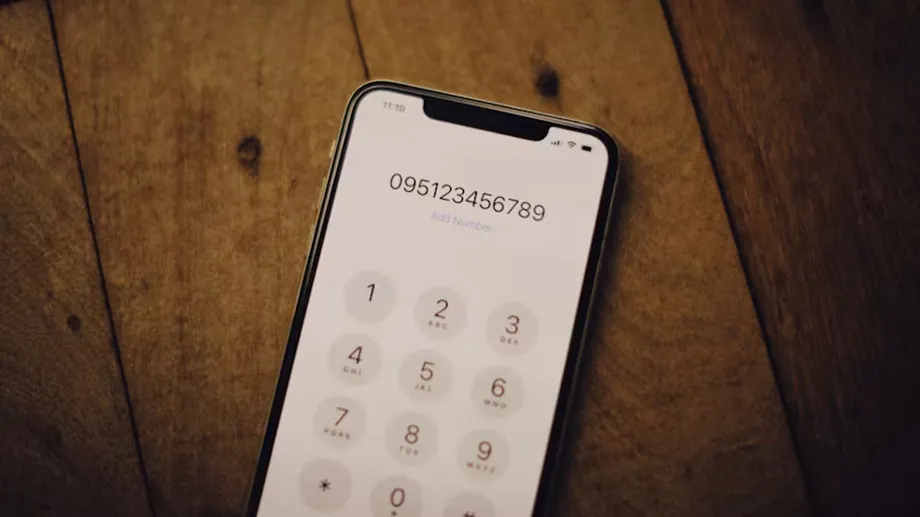
CNAP adds a name field to the phone number already presented during an incoming call. For an unsaved domestic number, the name comes from the subscriber records maintained by the caller's telecom operator. In everyday terms, the screen will show whose name the connection is registered under.
A saved contact takes priority over that network record. If a recipient has stored a number under a nickname or a family label, that saved entry will remain the name displayed. The change will therefore be most visible when someone calls from a number the recipient has never saved.
A SIM registered in a parent's name illustrates how the system works. If another family member uses that connection, the parent's registered name will appear when calling someone who has not saved the number. The displayed identity follows the customer record attached to the connection.
How operators will pass the name between networks
Every telecom operator must establish, operate and maintain a database linking its subscribers' names to their telephone numbers or other assigned telecom identifiers. When a call reaches the recipient's network, that operator retrieves the name associated with the calling number and presents it on the screen.
The arrangement has to work between companies as well as within a single network. A caller and recipient may use different operators, so the receiving network must be able to obtain the relevant information from the system serving the caller. The name lookup becomes part of handling the incoming call.
Operators must ensure that their databases, networks and connections can answer these queries efficiently and deliver the information on time. The DoT directions also require them to maintain service quality under the applicable rules. For users, the intended experience is an ordinary incoming call with an extra piece of identification, without separate registration or an additional application.
Why the first rollout leaves some connections out
November 1 is the implementation date for wireless networks using 4G and newer technology. The introduction of CNAP on 2G, 3G and fixed telephone networks will be considered separately. Fixed telephone networks include the public switched telephone network, often shortened to PSTN.
No date has been given for extending the service to those networks. People using older mobile services or landlines therefore remain outside the initial requirement. A nationwide direction to operators will still produce different experiences depending on the network technology serving a connection.
Phones and telecom networks also need the technical support required to present the information. The rollout places the main implementation work on operators, which must build the lookup arrangements and support them across their service areas. Subscribers on the covered networks will receive the service by default.
International calls will carry a separate label
An incoming call from an unsaved international number will show "International Call" in place of a caller's name. This gives the recipient a visible indication that the call is coming from overseas, while domestic calls use the registered subscriber name.
A foreign number already saved in the recipient's contacts will follow the saved-contact rule. Someone receiving a call from a relative abroad may therefore continue to see the familiar name stored on their phone, rather than the international label.
The government wants more informative caller identification to help people assess unwanted and potentially fraudulent calls, including those arriving from abroad. The practical change for an unfamiliar overseas call is the explicit international label. Recipients will still need to decide whether to answer and how to respond to any request made during the conversation.
Privacy rules cover lookups and restricted identities
The DoT has required operators to build security into the system from the start. Under its directions, caller names retrieved through the query and response process must not be retained after the incoming call ends. This rule concerns the temporary information retrieved to present a name during a call.
Operators will continue to maintain the underlying subscriber databases that make CNAP possible. Those customer records and the temporary result returned for a particular incoming call serve different purposes: one links a subscriber to a connection, while the other supplies the name for that call.
Subscribers who have enabled CLIR under existing guidelines will not have their names displayed through CNAP. CLIR allows caller identification to be restricted. The directions specify this exemption, while making the service available by default for other users; they do not set out a separate general switch for every subscriber to turn off CNAP.
Every operator must also establish arrangements to receive, record and maintain complaints and resolve them within a specified timeframe. This gives subscribers a formal route to raise problems with the service, including concerns about the information being presented.
Businesses can apply to show a verified trading name
Businesses and users with bulk connections may be offered a preferred name in place of the name ordinarily held in the subscriber database. Eligibility depends on documentary verification. The preferred name must be supported by a registered trademark or a trade name registered on the Goods and Services Tax (GST) portal.
A qualifying trademark must be registered in the subscriber's name with the trade marks registry under the Controller General of Patents, Designs and Trade Marks. The alternative GST route allows a business to use its registered trade name. In either case, the telecom operator must check the requested name and supporting documents.
For new connections, the verified preferred name must be recorded in both the customer application form and the subscriber data record. For existing connections, operators must create a process to receive applications, examine the evidence and update the subscriber record after verification.
A business that wants customers to see its trading identity therefore has an administrative step to complete with its operator. The option gives eligible organisations a way to present a familiar commercial name while tying that display to registration records.
How the policy reached a default service
The Telecom Regulatory Authority of India (TRAI) recommended CNAP in February 2024. Its initial approach envisaged providing the service when a subscriber requested it. In October 2025, TRAI agreed to the DoT proposal to make it available by default, a choice that removes the need for individual activation requests.
Trials on 4G and 5G networks preceded the nationwide implementation direction. The policy sequence runs from the regulator's recommendation to the decision on automatic availability and then to a fixed rollout date:
- February 2024: TRAI recommended introducing CNAP.
- October 2025: TRAI agreed to making the service available by default.
- October 13, 2026: The DoT issued implementation directions.
- November 1, 2026: Operators must introduce CNAP on 4G and newer wireless networks across their service areas.
The directions cite the Telecommunications (Authorisation for Provision of Principal Telecommunication Services) Rules, 2026, and the Unified Licence Agreement. The rules require new authorised entities to present calling line identification securely against tampering, while the licence agreement also requires operators to provide calling line identification. CNAP adds the registered name to the information presented with a call.
What changes for people screening unfamiliar calls?
CNAP gives recipients another piece of information before they answer: the registered name attached to an unknown domestic connection. Its usefulness will depend on accurate customer records and reliable delivery between networks. A spelling error or an outdated name in those records can carry through to the incoming call display.
Subscribers whose connections are registered under an old name or a family member's identity can contact their operator about correcting or updating their customer records. For businesses, the separate preferred-name process provides a route to display a verified trademark or GST trade name.
CNAP and caller identification applications also perform different jobs. CNAP supplies the registered subscriber name through the telecom network. Applications such as Truecaller use their own databases and user information, and may also offer spam reports, blocking and other tools. Those functions go beyond the name field introduced by CNAP.
Fraud prevention will still require care during the conversation. A person claiming to represent a bank or government office is making a claim about their role, while CNAP supplies the connection's registered identity. Recipients should continue to protect banking details, passwords and one-time passwords, and verify requests through a contact channel they already trust.
Key Points
- CNAP is scheduled to begin on November 1, 2026, on 4G and newer mobile networks, including 5G.
- Unsaved domestic calls will display the name in the caller's operator records. Saved contacts will retain their saved names.
- Unsaved international calls will show "International Call" instead of a subscriber name.
- The service will be available by default. Subscribers using CLIR will be exempt from name display.
- Eligible businesses can apply to show a verified trademark or GST trade name.
- Operators must protect name lookups, avoid retaining retrieved names after calls end and provide complaint handling.
- The government will consider 2G, 3G and fixed telephone networks separately.