Three breathing disturbance levels replace a simple warning
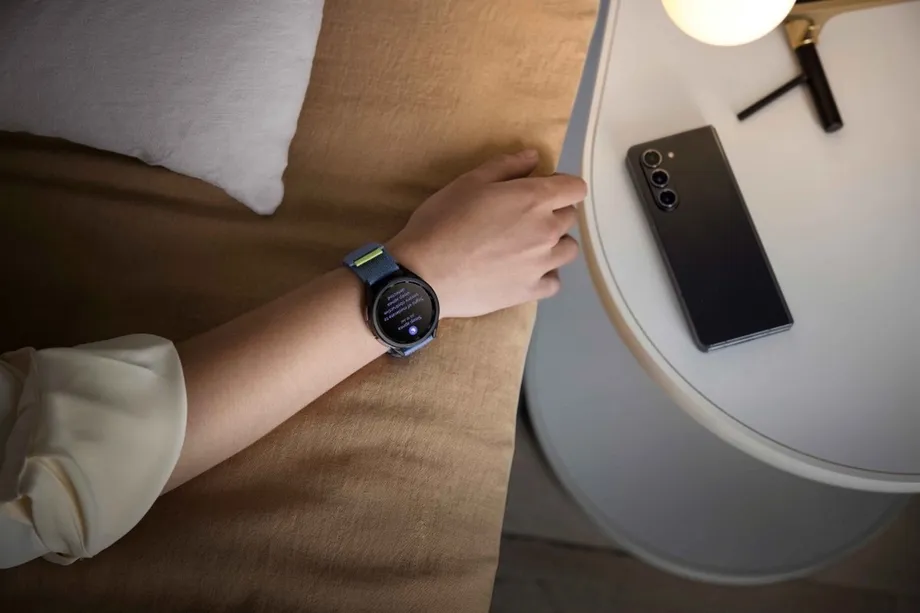
Samsung plans to begin rolling out an upgraded sleep apnea feature in South Korea in November 2026, starting with the Galaxy Watch Ultra 2, Galaxy Watch 9 and Galaxy Ring. The update will use artificial intelligence to analyze breathing disturbances per hour during sleep and place the results into three frequency levels: mild, occasional or frequent.
Contents
- Three breathing disturbance levels replace a simple warning
- What the AI will measure
- How users will get a result
- Which devices will receive the upgrade?
- Approvals and release dates need separating
- Who the new feature is intended for
- Why missed breathing problems matter
- A larger footprint, with different access rules
- Key Points
Users will need to record at least five hours of sleep on two separate occasions within 10 days through the Samsung Health Monitor app. The feature is intended for adults aged 18 and older who have no previous diagnosis of sleep apnea, according to Samsung's description of the upgraded service in South Korea.
The change gives users more detail than the existing feature, which flags signs associated with moderate to severe sleep apnea. Samsung says the new results can help people understand their sleep and provide information to discuss with a medical specialist. Professional diagnosis and advice remain necessary.
Samsung also plans to bring the upgrade to the Galaxy Watch 7 and Galaxy Watch 8 through later software updates, with Wear OS 7.0 or newer required. Owners of Galaxy Watch 4 and later models running Wear OS 5.0 or newer will retain access to the existing detection feature.
What the AI will measure
Samsung's revised system analyzes how often breathing disturbances occur during each hour of sleep. Its three labels give users a more detailed description of the pattern recorded overnight, moving beyond an indication that signs of sleep apnea were detected.
Sleep apnea involves repeated pauses or reductions in breathing while someone sleeps. A person may spend hours in bed yet wake feeling tired because their breathing repeatedly disrupts their rest. Counting disturbances helps describe how frequently those interruptions occur.
Samsung has not provided the numerical boundaries separating mild, occasional and frequent in the announcement described here. The information also contains no figures showing the upgraded feature's accuracy against a clinical sleep study. The practical change announced is a more detailed frequency assessment on a compatible wearable.
A dedicated sleep study provides a medical assessment of breathing during sleep. Samsung's wearable results are intended to give people information they can take to a consultation, while a clinician determines whether further testing or treatment is needed.
How users will get a result
The Samsung Health Monitor app will provide access to the upgraded feature on a compatible Galaxy device. Users must collect two sleep recordings within a period of 10 days, with each recording lasting at least five hours.
Those requirements mean the feature needs at least 10 hours of recorded sleep across two separate occasions. A single long night, or two recordings shorter than five hours each, would not meet the announced conditions.
The recordings supply the breathing data that the algorithm analyzes. For someone deciding whether to use a watch or ring overnight, the ability to wear it comfortably through a qualifying sleep session becomes a practical consideration.
Samsung says the Galaxy Ring's light weight and comfort during sleep make it useful for collecting data over longer periods. Its inclusion gives eligible users another way to complete the recordings, alongside the supported watches.
Which devices will receive the upgrade?
Samsung's initial South Korean rollout covers three devices: Galaxy Watch Ultra 2, Galaxy Watch 9 and Galaxy Ring. Including the ring puts the new breathing frequency assessment on both a finger worn device and watches.
The Galaxy Watch 7 and Galaxy Watch 8 are scheduled to receive the feature later through software updates. Both will need Wear OS 7.0 or newer. Samsung has not given a date for those updates, so their owners face a later rollout than the first group.
Galaxy Watch 4 and newer models running Wear OS 5.0 or later will continue to support the existing sleep apnea detection tool. Samsung has announced no plan to remove it as the upgraded version arrives.
For existing owners, there are therefore two different levels of support to check: whether their watch can run the established signs detection feature, and whether it is listed for the new three category assessment. The announced upgrade list currently reaches back to the Watch 7 and Watch 8.
Approvals and release dates need separating
Samsung announced South Korean Ministry of Food and Drug Safety authorization on October 28, with the domestic rollout scheduled to start in November 2026. The company announcement also describes the upgraded feature as having received U.S. Food and Drug Administration authorization in July, although the year of that July decision is not specified in the accounts describing it.
The initial release description framed U.S. access as following FDA clearance. Samsung's more detailed announcement instead describes that authorization as already obtained. A date for U.S. availability has not been announced, and there is no confirmed release schedule for India or other markets outside South Korea.
The feature's development and expansion span several stages:
- 2023: Samsung received South Korean authorization for its original Galaxy Watch sleep apnea feature.
- Early 2024: The original feature received FDA De Novo authorization, a U.S. regulatory route for certain new types of medical device.
- June 9, 2025: An expansion to 36 additional countries brought the original feature's availability to 70 countries.
- October 28: Samsung announced South Korean authorization for the upgraded feature and said FDA authorization had been obtained in July.
- November 2026: The upgraded feature is scheduled to begin reaching the first three supported devices in South Korea.
Regulatory authorization and software availability are separate steps. Users need the feature to be enabled for their market and supported device before they can access it.
Who the new feature is intended for
Samsung describes the upgraded South Korean feature as intended for people aged 18 and older who have never been diagnosed with sleep apnea. Its purpose is to help users recognize possible breathing problems that they may otherwise miss while asleep.
Eligibility differs from the earlier international version. The previous rollout described an age threshold of 22 and older, alongside the requirement that users had no prior sleep apnea diagnosis. Users should check the eligibility terms shown for the version available in their country.
Samsung states that the feature does not replace professional medical diagnosis or counseling. For someone who receives a result indicating frequent disturbances, the information can become part of a conversation with a clinician about symptoms and whether a sleep assessment is appropriate.
People already diagnosed with sleep apnea fall outside the announced target group for this upgrade. Their care remains a matter for the medical professionals managing their condition.
Why missed breathing problems matter
Sleep apnea can be difficult to notice because its breathing interruptions happen while the affected person is asleep. Symptoms can include loud snoring, morning headaches and daytime fatigue. Those effects can make the problem noticeable during waking hours even when the person is unaware of what happens overnight.
Samsung cites estimates from the U.S. National Sleep Foundation that about 25% of men and 10% of women in the United States have sleep apnea, with many unaware of it. Expressed simply, those estimates amount to about one in four men and one in 10 women.
Sleep apnea is associated with high blood pressure, arrhythmia and stroke. Arrhythmia means an irregular heartbeat. These health concerns help explain Samsung's focus on prompting people to recognize possible warning signs and seek medical advice.
Choi Jong-min, an executive in Samsung's Mobile eXperience health development group, said the company aims to help users recognize risks by wearing Galaxy devices during sleep and to support preventive sleep health management. The feature's most direct role is to turn an otherwise unseen overnight pattern into information a user can act on.
A larger footprint, with different access rules
Samsung says its existing sleep apnea feature is now available in 84 countries. That is 14 more than the 70 countries covered after the June 2025 expansion, which included Singapore and Australia among 36 additional markets.
The earlier international rollout required a Galaxy Watch 4 or later running Wear OS 5.0 or newer, paired with a Galaxy smartphone running Android 12.0 or above. It used blood oxygen readings collected during sleep to look for patterns associated with moderate to severe obstructive sleep apnea.
The upgraded announcement introduces different software requirements for the Watch 7 and Watch 8 and adds Galaxy Ring to the initial South Korean device list. Access to the established feature in a country will therefore need to be checked separately from access to the new assessment.
For users outside South Korea, the next concrete milestone is a local availability announcement. For Watch 7 and Watch 8 owners, it is the promised software update. Until those steps occur, the existing feature remains the option on eligible watches in supported markets.
Key Points
- Samsung plans to start the upgraded rollout in South Korea in November 2026.
- Galaxy Watch Ultra 2, Galaxy Watch 9 and Galaxy Ring are listed for initial access.
- The AI assessment will classify hourly breathing disturbances as mild, occasional or frequent.
- Results require two sleep recordings of at least five hours each within 10 days.
- Galaxy Watch 7 and Watch 8 support will follow through updates requiring Wear OS 7.0 or newer.
- The existing feature will remain available on Galaxy Watch 4 and later models running Wear OS 5.0 or newer.
- No U.S., Indian or other international release date has been confirmed for the upgrade.
- The South Korean upgrade is intended for adults aged 18 and older without a previous sleep apnea diagnosis, with medical assessment left to professionals.