Singapore Joins a Rollout Covering 70 Countries
Samsung has expanded its Galaxy Watch sleep apnea detection feature to 36 additional countries, including Singapore and Australia, bringing its availability to 70 countries. The expansion gives more users access to a tool designed to identify signs of a breathing disorder that can interrupt sleep and increase the risk of serious health problems.
Contents
The feature uses blood oxygen readings collected during sleep to look for signs of moderate to severe obstructive sleep apnea. When it identifies those signs, it alerts the user and recommends seeking professional medical advice. Its purpose is to encourage medical evaluation, with diagnosis and treatment left to healthcare professionals.
The rollout follows regulatory approvals in several regions, including Singapore and Australia, and CE marking in the European Union. It also extends Samsung's efforts to bring health monitoring into devices people already wear, alongside features such as sleep coaching and advice on improving sleep habits.
For users in Singapore, access depends on more than the country becoming eligible. The feature requires a compatible Galaxy Watch, a Galaxy smartphone running the required software and the Samsung Health Monitor app. Age and medical history also determine who it is intended for.
Which Watches and Phones Can Use It?
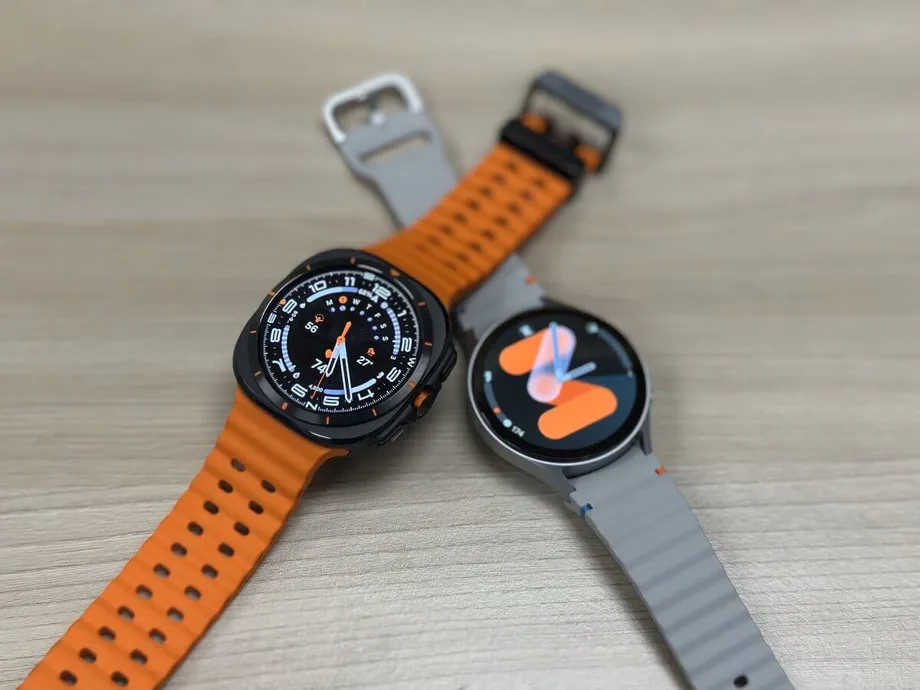
Samsung's sleep apnea feature works on the Galaxy Watch4 series and later models running Wear OS 5.0 or newer. The watch must be paired with a Galaxy smartphone operating on Android 12.0 or above.
Samsung delivers the feature through the Samsung Health Monitor app, which has become a central hub for the company's health technology. Users therefore need both the supported watch and the required phone software to access the monitoring function.
The feature is intended for adults aged 22 and older who have not previously been diagnosed with sleep apnea. For eligible users, it provides a way to check for warning signs at home and decide whether to seek a professional assessment.
How the Watch Looks for Breathing Problems
The Galaxy Watch uses its BioActive Sensor to monitor blood oxygen saturation during sleep. Blood oxygen saturation, also called SpO2, describes the level of oxygen in the blood. Samsung's system tracks fluctuations in that measurement to identify patterns associated with interrupted breathing.
Apnea means a complete pause in breathing, while hypopnea means a partial reduction in airflow. Both can disturb sleep. By examining oxygen changes associated with these events, the system estimates the Apnea-Hypopnea Index, or AHI, a standard measure sleep specialists use to assess the severity of sleep apnea.
Users must wear the watch for at least two nights within a period of 10 days. Each sleep session must last more than four hours. The process therefore depends on collecting readings across multiple nights, rather than a single brief measurement.
If the results indicate signs of moderate to severe obstructive sleep apnea, the feature sends an alert and recommends medical advice. The alert gives the user a reason to discuss their sleep with a healthcare professional, who can assess the condition and determine what care is appropriate.
What the Regulatory Decisions Mean for Access
Singapore's Health Sciences Authority has approved the feature, while Australia's Therapeutic Goods Administration has also given its approval. In the European Union, the feature has received CE marking, indicating that it meets applicable health, safety and environmental standards.
Samsung's sleep apnea detection was the first wearable feature of its kind to receive De Novo authorization from the United States Food and Drug Administration. De Novo is a regulatory designation for novel medical devices.
Regulatory agencies in South Korea, Brazil and Canada have also approved the feature. Together, these decisions have supported its availability across more markets and its use as a health monitoring tool.
The newly announced expansion adds 36 countries to a total of 70. Singapore and Australia are among those additions, placing them within a growing group of markets where eligible Galaxy Watch owners can access the sleep apnea function.
Why Interrupted Breathing Deserves Attention
Obstructive sleep apnea, often shortened to OSA, causes repeated interruptions in breathing during sleep. It is common but often goes undiagnosed, leaving people unaware that disrupted breathing may be affecting their rest and health.
The condition can lead to poor sleep quality and daytime fatigue. It is also associated with a higher risk of hypertension, heart disease and stroke. Hypertension means high blood pressure.
Early detection matters because it can prompt people to seek care before complications develop. Traditional diagnosis typically involves overnight monitoring in a sleep clinic, a process that can be costly and inconvenient.
A watch offers a more accessible way to look for warning signs at home. Samsung presents its feature as a supplementary awareness tool: it can encourage a medical consultation, while professional assessment remains necessary for diagnosis and treatment.
How Apple's Approach Compares
Apple introduced a similar sleep apnea detection capability in September 2024 on the Apple Watch Series 10, Apple Watch Ultra 2 and Apple Watch Series 9. Both companies aim to warn users about possible sleep apnea, although their watches gather different kinds of signals.
Samsung uses its BioActive Sensor to track blood oxygen saturation and looks for patterns associated with apnea and hypopnea. Apple's approach uses the watch's accelerometer to monitor breathing disturbances, which it categorizes as "elevated" or "not elevated."
The monitoring periods also differ. Samsung requires at least two nights, each lasting more than four hours, within 10 days. Apple notifies users of possible sleep apnea when elevated breathing disturbances are detected consistently over a period of 30 days.
Both companies describe their features as intended for adults and as early warning tools that can prompt professional evaluation. Their shared aim is to help people recognize a possible sleep problem and take action by seeking medical advice.
Sleep Support Beyond an Alert
Samsung's work on sleep health also includes personalized sleep coaching and tips to help users improve their sleep environment and habits. These functions sit alongside detection, combining information about possible breathing problems with practical guidance on sleep.
The expansion reflects a broader movement in wearable technology toward integrating medical grade health monitoring features into consumer devices. Regulatory recognition is helping more users gain access to health information from home, including insights that may prompt potentially lifesaving medical attention.
For an eligible Galaxy Watch owner, the practical sequence is straightforward: use the supported hardware and software, collect the required sleep readings and seek professional advice if the watch identifies signs of moderate to severe obstructive sleep apnea. Samsung's combination of monitoring, alerts and coaching is intended to support better sleep health while keeping clinical decisions with healthcare professionals.
Key Points
- Samsung has added sleep apnea detection in 36 countries, including Singapore and Australia, bringing availability to 70 countries.
- The feature requires a Galaxy Watch4 or later running Wear OS 5.0 or newer, paired with a Galaxy smartphone running Android 12.0 or above.
- It is intended for adults aged 22 and older who have not previously been diagnosed with sleep apnea.
- Users need at least two nights of sleep readings within 10 days, with each session lasting more than four hours.
- The BioActive Sensor tracks blood oxygen patterns to identify signs of moderate to severe obstructive sleep apnea and recommend medical advice.
- Approvals include those from authorities in Singapore, Australia, the United States, South Korea, Brazil and Canada, alongside European Union CE marking.
- Apple offers a similar warning feature using breathing disturbances monitored through an accelerometer over 30 days.
- Both companies' features support awareness and medical consultation; healthcare professionals provide diagnosis and treatment.