A $600 Million Plan Starts With a Research Shipment
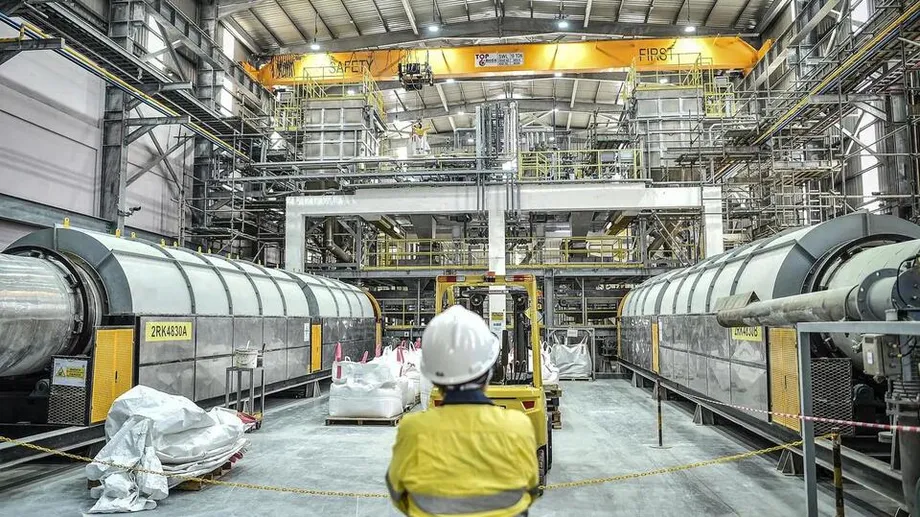
DTEC Mineral and Metal Technology plans to invest US$600 million in a Malaysian rare-earth refinery capable of processing 5,000 metric tons of material a year, with a second plant potentially doubling that capacity. The company expects to establish the first facility within three years, chief executive officer Milan Perlly said in plans disclosed on October 30, 2026.
Contents
The US majority-owned startup is preparing a much smaller first step: sending about 30 metric tons of unprocessed material to the United States for research. DTEC has permission to export as much as 700 tons under Malaysia's eased export rules, becoming the first company authorized under those rules to ship unprocessed rare-earth material to the US, according to Perlly.
The research will help identify what the material contains and which processing technology suits it. Those findings matter because Malaysia's mineral resources and a refinery's annual capacity describe different things: one measures material in the ground, while the other measures how much a facility can handle each year.
The proposed investment connects Malaysia's ambition to process more of its own minerals with Washington's effort to secure supplies outside China, which dominates rare-earth processing. These elements are used in electric vehicles, electronics, wind turbines and advanced weapons.
DTEC's proposal combines an immediate research shipment with a much larger industrial ambition. The company wants to develop Malaysian deposits, establish processing facilities and eventually operate its own mine, creating a business that stretches from extracting material to preparing it for industrial use.
Two Plants on Opposite Coasts
Perlly said DTEC ultimately wants two Malaysian facilities with combined annual capacity of 10,000 metric tons. Each would have capacity of 5,000 tons, placing one on the east coast and the other on the west coast.
Perlly, DTEC's chief executive, described the proposed scale and geographical arrangement:
The US wants us to build 10,000 metric tons output," Perlly said. "My goal is to put one plant on the east coast for 5,000 metric tons, a second plant on the west coast.
DTEC has discussed possible locations with officials in Kedah, Terengganu, Perak and Negeri Sembilan. The US$600 million investment proposal concerns the first refinery; the company has also set out its ambition for a second facility without giving a separate investment figure for it.
The proposed second plant would double the first facility's stated annual capacity, from 5,000 to 10,000 tons. Capacity figures describe the planned scale of operations. Actual production would depend on the material supplied, the processing method and how the facilities operate.
Malaysia already hosts a major processing plant operated by Australia's Lynas Rare Earths in Pahang. DTEC's proposal would add another operator and focus on material from local ionic-clay deposits, broadening the country's role in the industry.
Why Malaysia's Clay Deposits Matter
Malaysia has an estimated 16.1 million tons of rare-earth resources, according to government estimates. Much of that material has yet to be shown to be commercially viable, meaning companies still need to establish whether they can extract and process it at an acceptable cost.
Much of the country's identified resources occurs in ion-adsorption clay deposits. In simple terms, the rare-earth elements cling loosely to clay particles rather than being locked inside hard rock. That can make them easier and cheaper to extract, although the economics depend on the particular deposit.
These deposits can contain heavy rare earths, a group that includes elements sought for powerful magnets and other advanced technologies. For a processor, knowing the exact mixture matters: material containing different elements or concentrations may require different treatment and produce products with different uses.
Perlly said DTEC's ambition extends beyond its own first plant to a wider regional processing role for Malaysia:
"The larger goal is to make Malaysia the rare-earth elements processing hub for ionic clay in the region," Perlly said.
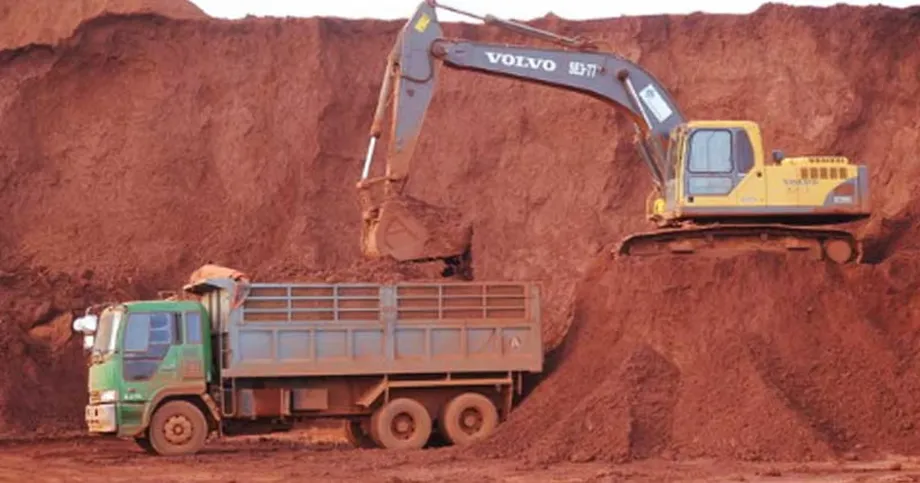
DTEC intends to develop locally sourced deposits and eventually run its own Malaysian mine. Linking mining and processing could give the company a source of material for its refineries, while allowing more stages of production to take place within Malaysia.
What the First 30 Tons Will Help Determine
DTEC's planned research shipment represents about 4.3% of its 700-ton export authorization. The calculation, 30 divided by 700, shows how small the initial shipment is compared with the amount the company has permission to send.
US research on the material is intended to establish its composition and identify suitable processing technology, Perlly said. A refinery needs a process matched to its incoming material so it can recover the desired elements and separate them into useful products.
Rare earths occur together, and extracting material from the ground is only part of the work. Processing turns that mixture into products manufacturers can use. DTEC's research shipment therefore addresses a practical question at the center of the investment: how to turn Malaysian clay resources into a reliable industrial supply.
DTEC has yet to announce its final plant locations, selected processing technology, confirmed financing commitments or an exact opening date. The first refinery's three-year target would put establishment around 2029, measured from the October 2026 announcement.
Who Owns DTEC and Where Funding Could Come From
Perlly, a Malaysian-born US citizen who previously worked at Capital One, and business partner David Greer together own 51% of DTEC Mineral. Malaysian company DTEC Engineering and Construction holds the remaining 49%.
The ownership gives the two US partners a majority interest while retaining a substantial Malaysian shareholder. DTEC also plans to seek listings in Malaysia and on either Nasdaq or the New York Stock Exchange, according to Perlly.
The company was included in a trade and critical minerals pact signed in 2025 by US President Donald Trump and Malaysian Prime Minister Anwar Ibrahim. According to DTEC's website, the arrangement makes the company eligible for funding from the Export-Import Bank of the United States, the US International Development Finance Corporation and the Department of Defense.
Those potential funding channels connect the commercial project to US efforts to diversify critical mineral supplies. DTEC describes eligibility for government support, while its proposed stock market listings offer another possible route to raising capital as the business develops.
A Broader Push Into Malaysian Rare Earths
More than a dozen US firms have been assessing rare-earth investment opportunities in Malaysia, including mining ventures with local partners and the construction of processing facilities. A forum in Kuala Lumpur and the bilateral critical minerals agreement have helped bring those opportunities into focus.
DTEC's proposal is distinctive in combining US majority ownership, permission for a research export and plans for processing on both Malaysian coasts. Its eventual mine would add another part of the production chain to that plan.
Interest in the sector also extends to Malaysian investors. King Sultan Ibrahim Iskandar's stake in Southern Alliance Mining, disclosed in October 2026, brought a prominent shareholder into a company expanding from iron ore into rare earths.
Southern Alliance Mining already owns 40% of MCRE Resources, which operates a rare-earth mining site in Perak, and is pursuing a business associated with the Labis rare-earth project in Johor. The king bought existing shares from the company's controlling shareholder for approximately S$6.1 million, so that transaction changed ownership rather than providing fresh money to the miner.
In its disclosure, Southern Alliance said the king acquired 14.32 million shares, representing approximately 2.25% of the company, from managing director and controlling shareholder Datuk Sri Pek Kok Sam in an off-market deal on October 12. The price of S$0.425 per share represented an approximately 11.84% premium to that day's closing price of S$0.380. The company said it was not a party to the transaction and received no proceeds. Pek remained the controlling shareholder, and the transfer did not change the group's board, senior management, operations or strategic direction.
Southern Alliance completed its acquisition of the 40% interest in MCRE Resources in September 2025. MCRE operates Malaysia's pioneer rare-earth mining site in Perak and partnered China Rare Earth Corp. on the operation. The proposed acquisition associated with the Labis project is of Paramount Synergy Sdn Bhd. Southern Alliance also has an established mining presence in Johor through its flagship Chaah Mine.
Malaysia's rare-earth activity now includes an established processor in Pahang, mining interests in states such as Perak, and new investment proposals. DTEC is seeking to connect local deposits with additional processing capacity aimed at a supply chain outside China.
The Steps From Agreement to Production
DTEC's plans span several stages, from government cooperation to testing and eventual plant development. The sequence helps explain why the research shipment comes before large-scale processing.
- 2025: Trump and Anwar signed the trade and critical minerals pact that included DTEC.
- October 30, 2026: DTEC's US$600 million refinery proposal and target of establishing the first plant within three years were disclosed.
- Initial research stage: DTEC is preparing about 30 tons for shipment to the US under permission covering up to 700 tons.
- Around 2029: The first refinery would be established if the company meets its stated three-year target.
- Longer term: DTEC aims to add a second plant and eventually operate a Malaysian mine.
The immediate work concerns the material itself: identifying its composition and choosing a suitable process. DTEC's larger ambition is to use those findings to support a Malaysian processing business with capacity beyond its first proposed refinery.
Key Points
- DTEC plans a US$600 million Malaysian rare-earth refinery with annual processing capacity of 5,000 metric tons.
- A proposed second plant would bring combined capacity to 10,000 tons a year.
- The company is preparing about 30 tons for US research under an export authorization of up to 700 tons.
- Malaysia estimates its rare-earth resources at 16.1 million tons, much of which still needs assessment for commercial viability.
- DTEC says it is eligible for support from three US government funding bodies under the bilateral pact.
- The first facility has a three-year target, with locations, technology and financing commitments still to be announced.