One Research Approval Opens a Conditional Export Route
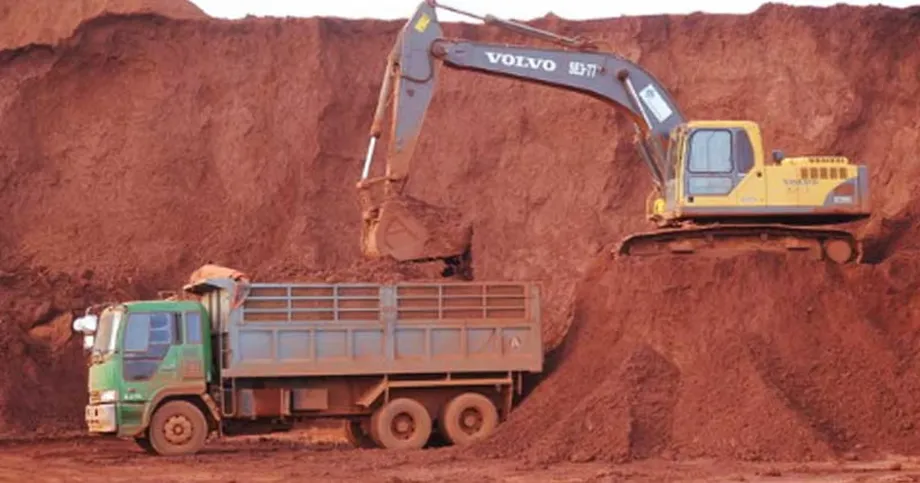
Malaysia has approved one application to export unprocessed rare earths for research and development under new guidelines introduced in October 2026, opening a limited route through restrictions that have been in force since January 1, 2024.
Contents
- One Research Approval Opens a Conditional Export Route
- What the Export Rules Allow
- How the Policy Reached This Point
- The Earlier Exception in Perak
- Why Processing Matters as Much as Mining
- Existing Operations and Planned Investment
- A Large Resource Estimate and a Technical Study
- Foreign Participation Without an Exclusive Buyer
- Key Points
The Department of Mineral and Geoscience Malaysia granted the approval, according to the Ministry of Natural Resources and Environmental Sustainability. The decision allows a batch of raw material to leave the country for testing as Malaysia seeks investment and technical knowledge to expand its own processing industry.
The ministry did not disclose the applicant, the shipment's quantity or destination, its departure date, or the detailed conditions attached to the permit. Its announcement concerns export permission, with no confirmation that the shipment has departed.
The approval is the first under the new framework. Malaysia had previously authorised exports through a special pilot project in Kenering, Hulu Perak, making the latest decision a new route for conditional exports rather than the country's first exception to its restrictions.
Malaysia's central aim is to turn mineral resources into a larger domestic industry. Allowing material abroad for research or processing can help companies assess how to handle it, while the government seeks commitments to bring processing activities and technical skills into Malaysia.
What the Export Rules Allow
The October guidelines permit applications to export unprocessed rare earth material for research and development or processing, subject to regulatory conditions. The approved application was specifically for research and development.
The Natural Resources and Environmental Sustainability Ministry explained who could apply in its response announcing the approval:
"The guidelines are open to eligible applicants, including foreign companies, subject to compliance with the relevant regulatory requirements," the ministry said.
A written parliamentary reply to Kulim Bandar Baharu MP Roslan Hashim gives a further detail: conditions include a commitment to develop processing and other activities that add value within Malaysia. The ministry described the permitted purposes in that reply:
"The government allows the export of raw rare earth elements for two purposes, namely research and development (R&D) and processing," it said.
The ministry said investment quality, technology transfer and value creation over time take priority over the number of applications approved. Technology transfer means passing on the knowledge, methods and skills needed to carry out industrial work locally, rather than keeping that expertise with an overseas processor.
Foreign eligibility therefore gives overseas businesses a way to participate, while the local development conditions connect the export route to Malaysia's industrial plans. The framework's success will depend on the processing activities and capabilities that follow the permits.
How the Policy Reached This Point
Malaysia introduced the export moratorium to support domestic processing instead of allowing its resources to leave mainly as raw material. The government subsequently maintained that goal while considering limited exceptions linked to investment.
Deputy Natural Resources and Environmental Sustainability Minister Syed Ibrahim Syed Noh said, two months before the parliamentary reply, that state governments and investors were pressing for limited exports. He said any such exports would be tied to investment in Malaysia and technology transfer, with overseas research and development among the intended uses.
- January 1, 2024: Malaysia's moratorium on exports of raw rare earths took effect.
- October 2024: The ministry said a Cabinet approved pilot project in Kenering, Hulu Perak, had permission to export rare earth carbonate.
- February 5: Natural Resources and Environmental Sustainability Minister Arthur Joseph Kurup told Parliament that Malaysia was maintaining restrictions on raw exports to support domestic value creation.
- Early October 2026: Malaysia introduced guidelines allowing conditional exports for research and development or processing.
- By October 22, 2026: The ministry had confirmed one research and development approval under the new framework.
The ministry had previously said the moratorium would remain during 2025 to 2027 and continue in the medium term. The conditional route now creates a way to authorise particular shipments within a policy still directed toward building local industry.
The Earlier Exception in Perak
Kenering, in Hulu Perak, already had a special export arrangement before the October framework. In October 2024, the ministry said the pilot project, undertaken with the Perak government, had Cabinet approval to export rare earth carbonate. At that time, it said no other export permissions had been approved.
Rare earth carbonate is an intermediate material containing rare earth elements. It still needs further processing to separate and refine the elements for industrial use. The earlier permission therefore concerned material at a particular stage of treatment, under a specific pilot arrangement.
Perak Chief Minister Saarani Mohamad later said in December that the pilot retained special permission, with approval granted periodically. That history explains how exports could take place while a broader moratorium remained in force.
The October 2026 decision extends the policy story beyond that individual pilot by putting a conditional application framework into use. For companies considering projects, the relevant issue is now how their research or processing proposal fits the rules and the government's demand for domestic investment.
Why Processing Matters as Much as Mining
Rare earths are a group of elements used in modern technologies, including electronics, electric vehicles, renewable energy equipment and defence applications. Some are used to make powerful magnets that help motors and other equipment operate efficiently.
Mining produces material containing those elements, but manufacturers need them in usable forms. Processing and separation turn a mixture into individual rare earth products. That work requires specialised equipment, chemical methods and technical knowledge.
China has long dominated both rare earth mining and processing. Malaysia and other countries are seeking greater capacity of their own so manufacturers have more choices about where to obtain essential materials.
Malaysia's export conditions address the gap between possessing a resource and being able to process it. Research abroad can help determine suitable treatment methods. Local investment can then turn that knowledge into domestic industrial activity, which is why the ministry is focusing on the quality of investment rather than permit totals.
Existing Operations and Planned Investment
Malaysia already hosts processing operations run by Australia's Lynas Rare Earths, one of the major rare earth producers outside China. Its presence gives the country an existing role in the international processing industry as other businesses assess opportunities.
France's Carester SAS plans to build a rare earth separation plant in Perak with Malaysia's Malaco Mining Group. Announced in July, their partnership runs for 10 years and includes technology transfer, linking the proposed facility to the government's goal of developing local expertise.
The ministry has also said it is helping Malaysian companies work with French industry participants on processing, purification and separation technology. Purification removes unwanted material, while separation divides the rare earth mixture into its different elements.
Malaysian conglomerate Berjaya Corp is exploring projects, and more than a dozen US companies are examining opportunities in the sector. Their interest spans businesses at different stages: Lynas has operating facilities, Carester and Malaco have a planned plant, and other companies are assessing possible projects.
For Perak, the proposed separation plant would add another activity alongside its earlier pilot project. The investment priorities make the practical test straightforward: whether plans lead to facilities, skilled work and processing knowledge located in Malaysia.
A Large Resource Estimate and a Technical Study
Malaysia has an estimated 16.1 million tonnes of inferred rare earth reserves, previously valued by the government at RM970 billion. The word "inferred" indicates that the estimate rests on limited geological evidence and carries uncertainty about the resource's extent and characteristics.
The RM970 billion figure is a valuation of the estimated resource. Income from developing it would depend on how much can be recovered, the cost of extraction and processing, and the prices buyers pay for the resulting products.
A study lasting two years with the Japan International Cooperation Agency is under way. Alongside cooperation with French companies, it forms part of Malaysia's effort to build the technical basis for its rare earth industry.
The export approval provides a practical research route within that broader effort. Testing can help identify processing options, while the investment conditions are intended to connect work done abroad with future activity in Malaysia.
Foreign Participation Without an Exclusive Buyer
Malaysia is seeking overseas investment while keeping its rare earth market open to more than one destination. On February 5, Natural Resources and Environmental Sustainability Minister Arthur Joseph Kurup told the Dewan Rakyat that the reciprocal trade agreement with the United States created no exclusive commitment, supply obligation or binding market preference for Malaysian rare earth exports.
Kurup said the country's policy prioritised domestic processing, research and development, and products made further along the production chain. He also said policy took account of national interests, the division of responsibilities between federal and state governments, and responsible industrial development.
The interest from more than a dozen US firms sits alongside Australian processing operations, a planned French and Malaysian partnership, and technical cooperation with Japan. Malaysia is pursuing several international relationships as it tries to develop more capability at home.
The immediate change is a usable conditional export route for one approved research application. The government's stated measure of progress reaches beyond that shipment: investment, shared technical knowledge and more valuable industrial activity within Malaysia.
Key Points
- Malaysia approved one research and development export application under guidelines introduced in October 2026.
- The framework permits conditional exports for research and development or processing, including applications from eligible foreign companies.
- A parliamentary reply says conditions include commitments to develop processing and other activities that add value in Malaysia.
- A Kenering pilot had already received special export permission before the new framework.
- Carester and Malaco plan a separation plant in Perak under a partnership that includes technology transfer.
- The government prioritises investment quality and local capabilities over the number of export permits.