A national launch before a new year of benefits
Indonesia plans to launch its national Digital Social Protection service on November 10, 2026, as the government prepares to require people seeking two major welfare benefits in 2027 to register through a website called Perlinsos Digital.
Contents
- A national launch before a new year of benefits
- What changes for PKH and BPNT applicants?
- Why the registration figures need careful explanation
- How residents can register
- 775,000 agents and a neighborhood campaign
- What the Banyuwangi and Bali trials found
- Cash transfers are the planned next step
- How the government plans to check the data
- The dates that shape the rollout
- Key Points
President Prabowo Subianto is scheduled to launch the service after trials that National Economic Council officials say have reached all 514 districts and cities. The government aims to finish integrating and updating recipient data by the end of December, then test a new cash assistance distribution system in the first quarter of 2027.
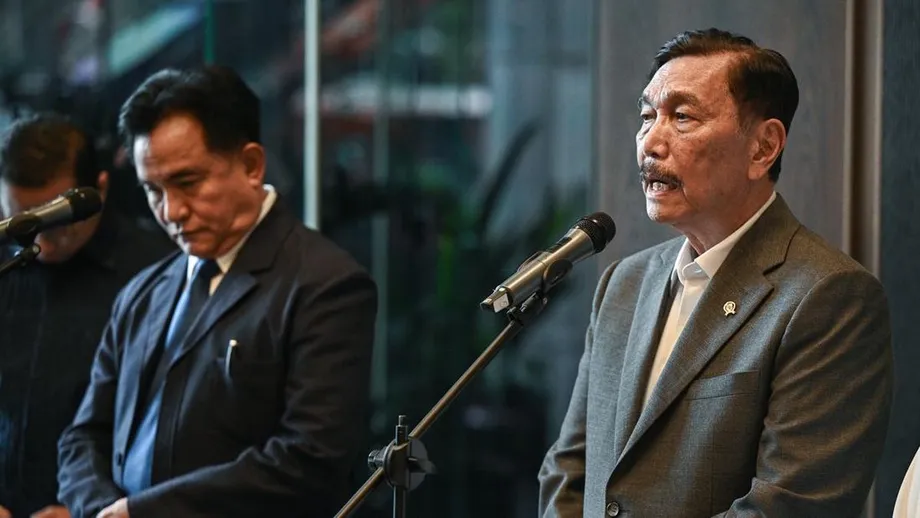
Luhut Binsar Pandjaitan, chairman of the National Economic Council and the Committee for Accelerating Government Digital Transformation, says the broader government technology infrastructure already contains registrations for 60 million people. His stated ambition is to exceed 100 million by the launch and register all eligible residents by the end of the year.
For households seeking support, the immediate change is practical: prospective recipients of the Family Hope Program, known as PKH, and Non-Cash Food Assistance, known as BPNT, will need to register through Perlinsos Digital for 2027. Existing recipients are also being asked to register again.
The portal is a website rather than a separate app. Applicants use their national identity number, provide an electricity meter number and complete face verification. PKH facilitators, neighborhood officials and community helpers can assist residents who cannot complete the process alone.
What changes for PKH and BPNT applicants?
The Ministry of Social Affairs is working with the government digital transformation committee and other agencies to make Perlinsos Digital the entry point for prospective PKH and BPNT recipients in 2027. Registration begins the process of collecting and checking household information.
Government officials say completing registration does not guarantee assistance. Eligibility will depend on verification, matching information against government records and meeting the conditions of the particular benefit program. A person can therefore finish the online process while still awaiting a decision on support.
PKH and BPNT applicants need to distinguish between entering their details and receiving approval. Registration creates a record for assessment; the eligibility decision comes after those details have been examined.
The government is presenting registration again as part of a wider effort to improve who receives assistance. For current recipients, this means the new process matters even if they have received benefits before. For people previously left outside the system, it creates a route to submit their information for checking.
Why the registration figures need careful explanation
Luhut's figures of 60 million people already registered in the government technology infrastructure and a launch ambition above 100 million describe a broader scale than the figures officials have given specifically for Perlinsos. On October 20, National Economic Council official Mochammad Firman Hidayat said 11.5 million heads of households were registered in the digital social protection system.
An earlier October announcement put Perlinsos registrations at about 5.5 million people and set a target of 48 million by December 2026. Officials have not explained how that target relates to the broader ambition above 100 million, or how the counts of individuals, household heads and government technology registrations fit together.
A household head represents a family unit, while a count of people measures individuals. Those units matter because several people may belong to one household. Adding the figures together would give readers an inaccurate picture of the service's reach.
Firman also said the portal was receiving more than 600,000 registrations each day. That volume shows the scale of the intake operation, while the next stage requires agencies to check the information and decide which applicants meet program rules.
How residents can register
Residents can access Perlinsos Digital at perlinsos.kemensos.go.id. The registration instructions call for the national identity number, or NIK, shown on the Indonesian identity card known as the KTP, a PLN electricity meter number and face verification.
The NIK identifies a person in population records. Face verification adds an identity check during registration. The electricity meter number is another detail applicants are asked to prepare before beginning the process.
Residents seeking assistance should prepare the following:
- The NIK shown on their KTP identity card.
- Their PLN electricity meter number.
- Completion of the portal's face verification process.
- Help from a PKH facilitator, neighborhood official or Perlinsos community helper when needed.
The government describes the service as a website, so applicants do not need a separate Perlinsos app. Residents who have difficulty using digital services can seek assisted registration through the local support network being organized for the rollout.
775,000 agents and a neighborhood campaign
The National Economic Council says 775,000 Perlinsos Agents are helping people register. Their task is especially relevant for residents unfamiliar with online forms or unable to access the technology needed to complete registration themselves.
The government has also launched the #PeduliTetangga campaign, inviting people to help neighbors access the service. PKH facilitators, local governments, neighborhood associations known as RT and RW, and community members can participate as Kawan Perlinsos, or Perlinsos helpers.
Luhut has said ministries, government agencies, regional administrations, public employees, the military and police are being mobilized to support registration. The effort combines a national website with people working in local communities.
That local role connects directly to the government's goal of reaching eligible residents who have previously been missed. A portal provides a place to register, while helpers can support people who struggle to complete the steps. Their work feeds applications into the same verification process used for other applicants.
What the Banyuwangi and Bali trials found
A pilot in Banyuwangi found that registration could be completed in minutes, compared with a previous process that could take up to 200 days. The improvement concerns the time needed to register, while assistance decisions still require the government's eligibility checks.
The Bali pilot examined another problem: whether assistance reaches the right people. Firman said the study found a 24.1 percent reduction in exclusion errors. An exclusion error occurs when someone who qualifies for assistance is left out.
Firman's account of inclusion errors was described as a reduction of 4.1 percent, although another rendering of his remarks described a fall from 4.1 percent without giving the final figure. An inclusion error occurs when someone who does not meet the conditions is included among beneficiaries.
Both errors matter to the distribution of public money. Missing an eligible family leaves that household without intended support. Including an ineligible household directs assistance toward someone outside the program's rules. The government says the Bali findings will guide evaluation before national implementation.
Banyuwangi and Bali therefore tested different parts of the service. One showed how much faster registration could become; the other examined changes in the accuracy of beneficiary selection. A useful national system needs to handle both tasks as applications arrive from across Indonesia.
Cash transfers are the planned next step
Luhut has described Perlinsos as part of a broader move from subsidizing products toward transferring cash to eligible people. Speaking after meeting Prabowo at the Presidential Palace in Jakarta on October 20, he explained the intended direction of assistance.
"This will be provided in the form of cash transfers. Therefore, the government will no longer subsidize products," he explained.
A product subsidy reduces the price of an item. A cash transfer instead sends money to a person selected under the assistance rules. The planned change places greater weight on identifying recipients accurately, because the government must determine who should receive the payment.
Luhut previously put the average value of assistance brought together from various programs at Rp5.4 million per person. He did not specify the period covered by that average. The number of recipients and the operation of the proposed arrangement will depend on updated data and the readiness of the government's digital systems.
The immediate timetable separates the portal launch from testing the new payment arrangement. November 10 is the planned national launch date for the digital protection service; trials of cash assistance distribution are scheduled for the first quarter of 2027.
How the government plans to check the data
The government aims to finish integrating and updating recipient information by the end of 2026. That work brings together population records held by the Directorate General of Population and Civil Registration, known as Dukcapil, with information from other ministries and agencies.
Artificial intelligence is planned for use in the integration process. In practical terms, the task is to compare records held in different parts of government so officials can assess applications using connected information rather than isolated lists.
Open registration provides another route for collecting information. Residents can submit their details through Perlinsos, while agencies compare those details with existing records and apply the rules for the benefit being sought.
The sequence gives registration and verification separate jobs. Registration allows a person to enter the assessment process. Data matching helps the government check that person's information. Program criteria then determine whether the person qualifies for assistance.
The dates that shape the rollout
October announcements set out the registration requirement for 2027, followed by the planned November launch, a December data target and payment testing early next year. The milestones describe several stages rather than a single nationwide payment date.
- October 7, 2026: Perlinsos was described as having about 5.5 million registrants, with a target of 48 million by December.
- October 20, 2026: Luhut announced the planned presidential launch, while Firman cited 11.5 million registered household heads and preparations across all 514 districts and cities.
- November 10, 2026: Prabowo is scheduled to launch the national Digital Social Protection service.
- End of December 2026: The government targets completion of recipient data integration and updating.
- First quarter of 2027: Testing of the new cash assistance distribution arrangement is planned.
For PKH and BPNT applicants, the concrete task is to complete registration and enter the verification process for 2027. For the government, the coming months involve processing applications at national scale, connecting records and preparing to test cash distribution.
Key Points
- Indonesia plans to launch Perlinsos Digital nationally on November 10, 2026.
- Prospective PKH and BPNT recipients must register through the service for 2027.
- Applicants need their NIK, a PLN electricity meter number and face verification.
- The government says 775,000 agents are helping residents register.
- Registration is followed by verification and an eligibility decision under each program's rules.
- Recipient data updating is targeted for completion by December 2026, with cash distribution testing planned for the first quarter of 2027.