Hospital Says Camera Was Installed on a Supervisor's Instructions
A camera concealed inside a white air freshener casing in a staff changing room at Dr. Zainoel Abidin Regional General Hospital in Banda Aceh was removed on Monday, October 26, 2026, after hospital management received a report. Dr. Novita, the hospital's deputy director of services, said the device had been installed on instructions from the room supervisor.
Contents
Novita said the camera was no longer active when it was removed, although electricity was still flowing to it. She linked the installation to repeated losses of belongings in the room, while saying the circumstances were still being investigated.
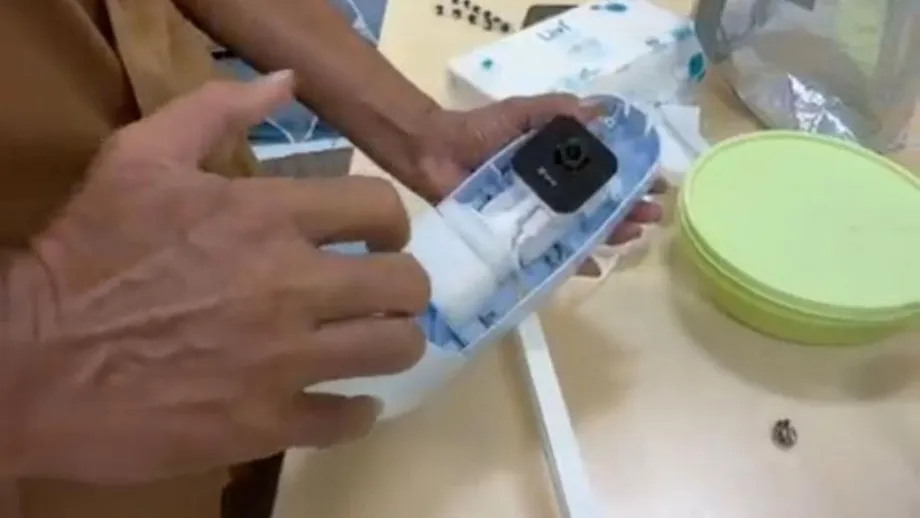
The discovery became widely discussed after a video showed the casing being opened, exposing a camera connected to an electrical cable. A woman heard in the video said she had previously changed clothes in the room and expressed shock at finding out what the wall mounted object contained.
The hospital, commonly known as RSUDZA, confirmed the presence of the camera and its removal. Its account puts the focus on a decision made within the hospital: who directed the installation, why a staff changing room was selected and how the device was used.
For employees who used the room, the immediate concern is personal. A place where they removed and changed clothing contained a concealed camera. The explanation about missing belongings addresses the stated reason for installing it; the investigation must also establish what happened while it was there.
What the Discovery Video Shows
The video circulated through the Instagram account @cutbul_asli and became widely discussed on Tuesday, October 27. It shows a white automatic air freshener casing attached to the changing room wall. When its front is opened, a camera and an electrical connection are visible inside.
The casing matters because it gave the device the appearance of an ordinary room fixture. Someone entering to change clothes could see an air freshener without knowing that a camera was inside it. The woman's reaction in the recording illustrates that concern: she said she had already used the room to change.
A person recording the discovery also said the matter would be reported to the head nurse. The hospital subsequently said it had received a report and removed the camera. The account does not identify the woman or the person recording the video, so their remarks are best understood as statements heard in the recording.
The location described throughout the incident is a staff changing room. The hospital's management identified it as the midwives' room in the maternity ward. Although the discovery prompted wider concern about privacy in a healthcare facility, the people directly identified as users of this particular room were hospital personnel.
Novita Identifies Who Directed the Installation
Novita, speaking in her role as deputy director of services, attributed the installation to instructions from the person in charge of the room. Her statement, translated from Indonesian, was:
It was installed on instructions from the room supervisor.
Her account gives the investigation a specific management decision to examine. The supervisor's instruction and the physical installation are different parts of that process: directing someone to put a camera in a room is one action, while fitting the equipment and connecting its power supply are others.
Novita also described the reason given for the camera. In a second statement, translated from Indonesian, she said:
The reason was that belongings frequently went missing in that room, and this is still being investigated.
Repeated losses would affect staff who left personal items in the changing area. The hospital's inquiry now concerns both that stated security problem and the decision to place a concealed camera where employees changed clothes. Novita presented the losses as the explanation under examination, with the investigation still in progress.
RSUDZA director Dr. Muhazar Harun said the CCTV installation was not a policy of the hospital's leadership. He said surveillance equipment installed in the hospital must go through coordination and approval by the relevant authorities, with attention to security, confidentiality and the privacy of patients and healthcare workers.
Management said it had imposed sanctions on those involved in installing the CCTV and circulating the video, as part of an internal evaluation of compliance with standard operating procedures and coordination requirements. Muhazar said internal evaluation and improvements were continuing to prevent a recurrence, protect privacy and ensure professional care remained available.
Why Power and Recording Are Different Questions
Novita said the camera was inactive but still receiving electrical current when it was removed. Those two conditions can exist together: a device may have power while its recording function is switched off or otherwise not operating.
A camera's power connection supplies the energy it needs to work. Recording is a separate function that captures and stores images. Depending on the equipment, images may be saved inside the device or sent to another system. The hospital has described the camera's condition at removal, while its earlier operation remains part of the inquiry.
The hospital has not publicly explained when the camera was installed, how long it remained in place, whether it ever recorded or transmitted images, whether any footage exists, or who could access it. It has also not named the room supervisor, identified the installer or announced a date for the investigation's findings.
For staff, these details would establish the period during which the device was present and whether images of people changing clothes were captured. A technical examination would need to address the equipment's functions and any connected storage, alongside the hospital's examination of the installation decision.
How the Events Unfolded
The dates given by hospital management and the circulation of the video place the camera's removal before the incident became widely discussed online. The public attention then brought the hospital's explanation into focus.
- Before October 26, 2026: The camera was installed inside an air freshener casing in a staff changing room. Novita attributed the installation to instructions from the room supervisor.
- Monday, October 26: Hospital management received a report and removed the camera, according to Novita.
- Tuesday, October 27: The discovery video circulated widely, and Novita's explanation about the supervisor's instructions and missing belongings became public.
- Wednesday, October 28: Further accounts repeated the hospital's statement that the device had been removed and the circumstances were under investigation.
The sequence separates two developments that matter to staff: removing the equipment from the room and establishing what happened before its removal. The first action has been confirmed by management. The investigation concerns the decisions and use that preceded it.
Staff Privacy Is at the Centre of the Inquiry
Employees using the changing room had a practical reason to expect privacy: they were there to change clothing. Concealing a camera inside an everyday object made its presence difficult for a room user to recognise, placing particular weight on how the installation was authorised and supervised.
Social media comments reflected that concern. Some users called for the people responsible to be identified and for technical personnel to be questioned. Others requested checks for similar devices elsewhere. Those comments were demands for a broader response, rather than findings from the hospital's investigation.
The stated concern about missing belongings also needs a concrete explanation. Establishing what losses had occurred, who raised them and how the camera was selected as a response would help explain the decision described by Novita. Examining the device would address a different set of questions about its operation and any images it captured.
Hospital management has said it is investigating the incident. For the employees involved, the useful outcome will be a clear account of who authorised the device, how it was used and what happened to any images. The camera's removal dealt with its presence in the changing room; the inquiry must account for the period when it was concealed there.
Key Points
- RSUDZA in Banda Aceh removed a concealed camera from a staff changing room on October 26, 2026.
- The device was hidden inside a white air freshener casing attached to the wall.
- Deputy director of services Dr. Novita said the room supervisor had directed its installation.
- Director Dr. Muhazar Harun said the installation was not a policy of the hospital's leadership and that surveillance equipment requires coordination and approval by the relevant authorities.
- Management said it had imposed sanctions on those involved in installing the CCTV and circulating the video.
- Novita cited repeated losses of belongings as the stated reason, with the circumstances still under investigation.
- She said the camera was inactive when removed but remained connected to electrical power.
- The hospital has yet to explain the device's earlier operation, any recordings or who had access.