Taiwan Retailers Reach the End of Asus Phone Stocks
Asus smartphones have sold out at major retail channels in Taiwan, according to retailers contacted on October 27, while remaining stocks of HTC's U24 pro have fallen to double digits. The shrinking supply brings two familiar Taiwanese phone brands close to disappearing from ordinary store shelves as their businesses turn toward other products.
Contents
- Taiwan Retailers Reach the End of Asus Phone Stocks
- What Has Actually Sold Out?
- Asus Has Paused New Models, With Support Continuing
- The Dates Behind the Retreat
- What Buyers Are Losing From the Shelves
- A Phone Division Under Pressure
- HTC's Last Available Model Nears Its End
- HTC Turns Toward a Personal AI Companion
- Key Points
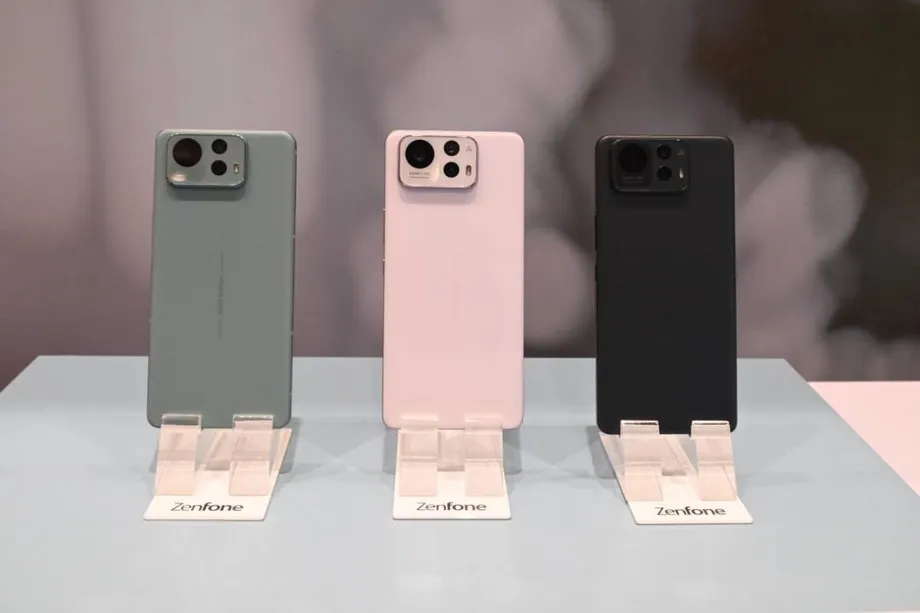
Retailers said the final Asus handsets had been sold and that chain stores would not order more. ROG Phone models had already sold out during the first half of the year described in the retail account. The last Zenfone devices followed, leaving prospective buyers to search smaller shops for leftover stock or consider used phones.
Asus has given a narrower explanation of its product plans than a permanent departure announcement. In its response at the beginning of 2026, the company said it had no plans to introduce new smartphones that year, while its phone business unit would continue operating and providing repairs and warranty services.
HTC, meanwhile, said at a September press conference that smartphones would take a secondary role and that it had no immediate plans for another model. Its research priorities are moving toward smart glasses and other wearable devices, with a separate personal AI product called VIVEE also announced.
For customers, the immediate change is concrete: buying a new Asus or HTC phone through a familiar Taiwanese retailer is becoming harder. Existing Asus owners, however, still have the company's stated commitment to repair and warranty support.
What Has Actually Sold Out?
Asus's retreat from store shelves happened in stages. Its ROG Phone gaming range disappeared first. Zenfone models remained available longer, with the Zenfone 11 Ultra and Zenfone 12 Ultra identified among the final devices being cleared.
By about the middle of October, remaining quantities were already very small. A retail check specifically identified the Zenfone 11 Ultra as being down to single digits. When retailers were contacted again on October 27, they said their remaining Zenfone inventory had sold out.
Chain retailers also said they would stop replenishing Asus phone stock. For someone seeking a new handset, that removes the usual option of waiting for the next delivery at those stores. Small independent shops may still have individual units, but shoppers face a search for scattered stock rather than a regularly supplied product range.
The retailers' statements concern their own sales channels in Taiwan. The practical picture is therefore one of major local outlets running out, with possible leftovers elsewhere and used devices still available.
Asus Has Paused New Models, With Support Continuing
Asus addressed speculation about its phone business at the beginning of 2026 after claims circulated that the company was leaving the market. Its response set out two commitments: no new smartphone launches were planned for 2026, and the phone business unit would continue operating with after sales services, including repairs and warranty coverage.
A launch pause affects future products. Warranty and repair services concern devices people already own. That means a customer can face fewer buying options while still being able to seek help with an existing phone under the company's service arrangements.
Asus did not say whether the pause would become a permanent exit or whether it would introduce another phone in a later year. Its stated plans therefore leave the longer term future of both Zenfone and ROG Phone unresolved.
The latest generations identified in the company's recent product history are the ROG Phone 9, introduced in late 2024, and the Zenfone 12 Ultra, launched in 2025. No subsequent new models were identified in the accounts of the company's decision.
The Dates Behind the Retreat
Asus's phone business stretches back more than two decades, while the latest developments involve product launches, company statements and stock checks across several dates. The sequence helps explain how a pause in new products became a shortage of devices in shops.
- November 2000: Asus began research and development into 3G mobile technology.
- First quarter of 2003: Asus introduced its first mobile phone.
- CES 2014: Asus unveiled the ZenFone 4, ZenFone 5 and ZenFone 6, with screens measuring 4, 5 and 6 inches.
- 2018: Asus introduced its first ROG Phone for gaming.
- Late 2024: The ROG Phone 9 was announced.
- 2025: The Zenfone 12 Ultra was introduced.
- Beginning of 2026: Asus said it had no plans to launch new smartphones during 2026 and would continue repairs and warranty services.
- September: HTC said phones would take a secondary role, with no immediate new model planned.
- Mid October and October 27: Retail checks found the final Asus stock first approaching exhaustion and then sold out.
The September and October 27 accounts do not specify a calendar year, so those events cannot be assigned a confirmed year alongside Asus's dated 2026 statement. The account carrying Jiesheng Communications' double-digit HTC stock count was published on October 14, 2026, and placed the U24 pro's expected end of its product cycle around the end of 2026, rather than giving a fixed sellout date.
What Buyers Are Losing From the Shelves
Asus built its phone range around several distinct ideas. Its PadFone combined a phone with a tablet format. The Zenfone 6 used a camera mechanism that could flip around, while the Zenfone 10 concentrated on a smaller handset size.
ROG Phone took another approach, focusing on gaming with distinctive styling and cooling. Cooling matters during demanding games because a phone's processor generates heat as it works. Managing that heat helps the device handle sustained use.
Other models, including the Zenfone 5z and ZenFone Max Pro, attracted attention for the features they offered at their prices. Across the range, Asus gave customers options based on size, camera design, gaming and value, even though it never became a leading phone brand by market position.
The end of regular stock therefore removes particular choices as well as a brand name. Someone looking specifically for a compact Zenfone or a ROG gaming handset will have fewer opportunities to buy one new through established Taiwanese chains.
A Phone Division Under Pressure
Asus's smartphone difficulties came while other parts of the company were performing more strongly. Its brand revenue reached a quarterly record in the third quarter of 2025, supported by demand for AI servers and steady activity in gaming and personal computers. The ROG Xbox Ally handheld gaming device also received a strong market response.
The phone division, by contrast, remained loss making. A company can post record revenue while one product division loses money because revenue measures sales, while a division's financial result also reflects its costs. Strong demand for servers or computers can therefore sit alongside a weaker smartphone business.
Rising memory and storage component prices added pressure to phone production. Those components hold the software and data a handset needs to run. Higher purchasing costs can leave a manufacturer with less money from each device unless it raises prices or reduces other expenses.
Tariff and exchange rate uncertainty were also identified as possible pressures on Asus's phone planning. No detailed financial breakdown was given to show how much each factor contributed to the decision to pause launches.
HTC's Last Available Model Nears Its End
HTC's remaining retail presence is centred on the U24 pro. Jiesheng Communications said available stock had fallen to double digits and replenishment prospects were poor, putting the handset near the end of its sales run. In the account published on October 14, 2026, the model was expected to reach the end of its product cycle around the end of 2026.
HTC's September statement placed smartphones behind other development priorities. The company said it had no short term plans for a new handset and would direct research toward smart glasses and wearable products associated with extended reality, commonly shortened to XR.
XR is a broad term for technologies that combine digital experiences with a person's surroundings or place the user inside a virtual environment. Smart glasses are one possible form of wearable hardware in this field. HTC's stated direction shifts attention from a screen held in the hand toward devices worn by the user.
Asus and HTC consequently face similar conditions in Taiwanese shops, but their company statements describe separate decisions. Asus specified a year without new phones while maintaining its service operation. HTC described smartphones as a secondary business and set out different research priorities.
HTC Turns Toward a Personal AI Companion
HTC also unveiled VIVEE on the 27th, introducing a personal AI device roughly the size of an egg. The product is designed to chat with users, play games and gradually develop a distinct personality through everyday interaction.
VIVEE points to a different kind of consumer relationship from the familiar cycle of replacing one smartphone with another. Its proposed attraction is repeated interaction with a portable AI companion, rather than the broad collection of calling, camera and app functions associated with a phone.
Preorders had opened in the United States, while a Taiwan launch was expected before the end of the year described in the announcement. No exact Taiwan release date or price was given.
For now, buyers and existing owners face two separate developments: familiar phone ranges are becoming scarce, while the companies are allocating attention to other technology products. Asus owners have an explicit assurance on repairs and warranties; shoppers seeking remaining Asus or HTC handsets face dwindling retail availability.
Key Points
- Major Taiwanese retailers said Asus phone stocks had sold out by their October 27 check and would not be replenished.
- Asus said it planned no new smartphones for 2026, while repairs and warranty services would continue.
- Asus has not clarified whether its launch pause is permanent.
- HTC said smartphones would take a secondary role, with no immediate new model planned.
- Jiesheng Communications put remaining HTC U24 pro stock in double digits; the model was expected to reach the end of its product cycle around the end of 2026.
- HTC is directing research toward smart glasses and wearable technology and has unveiled the VIVEE personal AI device.