Gold from Kyrgyzstan enters the state repository
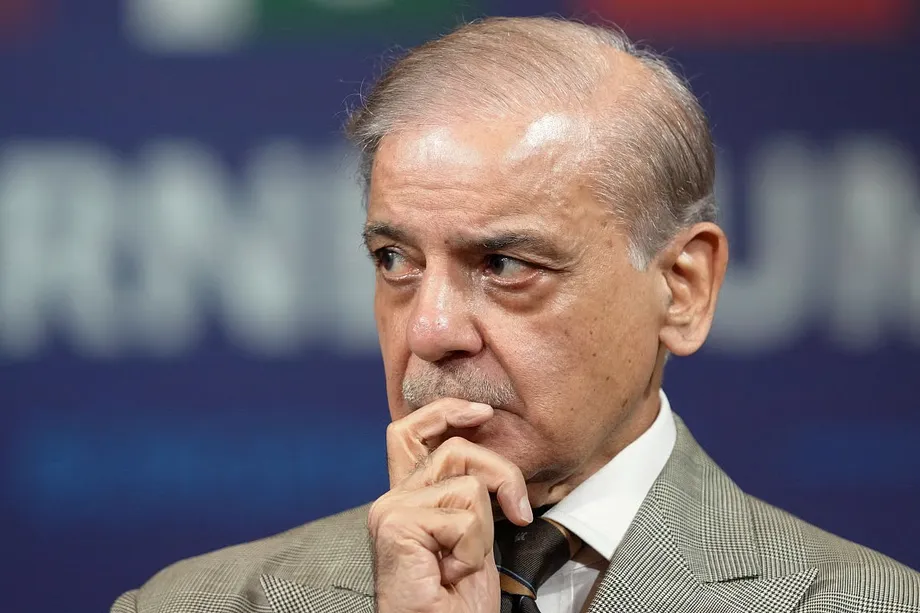
Prime Minister Shehbaz Sharif deposited a box containing 1,000 grammes of fine gold in Pakistan's Toshakhana on September 8, following an official visit to Kyrgyzstan from August 31 to September 2, 2026, according to gift records released by the Cabinet Division. The gold, equivalent to one kilogramme, was among gifts handed over to the government repository during the July to September period.
Contents
- Gold from Kyrgyzstan enters the state repository
- What the gold record tells us
- Carpets, religious models and luxury watches
- Dar and other officials appear in the records
- Seven gifts for the president, with different items listed
- What Toshakhana does
- Who must declare gifts, and when?
- Auctions will fund primary education for girls
- Key Points
The Cabinet Division said all gifts received by the prime minister during foreign visits had been deposited, with valuations still being determined. The disclosure covers objects ranging from handmade carpets and religious models to perfume, household items and ceremonial souvenirs.
Pakistan also issued the Toshakhana (Management and Regulation) Rules, 2026, on September 22. The rules provide for existing and future gifts in the repository to be sold through open auctions, with the proceeds placed in a separate account to support primary education for girls in the country's most disadvantaged areas.
The published figures require care. The Cabinet Division disclosure was described as covering more than three dozen gifts deposited by Sharif between July and September; a breakdown for July 28 to September 9 lists 10 gifts for him and 19 for Deputy Prime Minister Ishaq Dar, while another inventory described as covering July to September lists 34 for Sharif and 25 for Dar. No reconciliation of these totals was given.
What the gold record tells us
The gold entry provides a specific sequence: Sharif visited Kyrgyzstan from August 31 to September 2, received the gift during that visit and deposited it on September 8. That places the deposit six days after his return date, within the 30 days allowed after a foreign visit under the newly issued rules.
The Cabinet Division had not completed its valuation of the gifts. An official valuation assigns a monetary amount to an object, which is particularly relevant when a collection includes both precious metal and items whose worth depends on craftsmanship, condition or collectability. No official value for the kilogramme of gold was given.
The main dates in the disclosure are:
- July 28 to September 9, 2026: the period covered by the narrower record listing gifts for Sharif, Dar, President Asif Ali Zardari and other officials.
- August 31 to September 2: Sharif's official visit to Kyrgyzstan, during which he received the gold.
- September 8: the gold was deposited in the Toshakhana.
- September 22: the Cabinet Division issued the Toshakhana (Management and Regulation) Rules, 2026.
Carpets, religious models and luxury watches
Sharif's gifts included handmade silk and wool carpets, calligraphy, paintings, a wall hanging, a shield, decorative plates, a ceramic vase and a bronze vase. Personal accessories included a tie, cufflinks, scarves and a handkerchief. Other entries covered olive oil, soaps, oud perfume, books, cups with saucers and a table clock.
Several objects reflected the places or institutions associated with the exchanges. They included a Kyrgyz style blanket, a decorative item from Belarus, a framed car model and a model of the Supreme Court of Bangladesh. Religious gifts included a model of Roza-e-Rasool and Islamic prayer beads.
The inventory listing 34 gifts for Sharif contains a different selection, including three Rolex watches and a Patek Philippe Nautilus. The Rolex models are a Day-Date, a Lady Datejust and a GMT Master II. That inventory also lists rings, pens and cufflinks alongside carpets and perfume.
Its religious objects include models of the Holy Kaaba, Masjid-e-Nabvi and the Grand Mosque of Makkah, as well as a piece of the Kaaba's covering measuring 36 by 29 inches. Other entries include Zamzam water, dates and a piece of carpet identified as Qaleen-e-Riaz-ul-Jannah. Together, the inventories show the range of objects that officials receive, from consumable gifts to jewellery and ceremonial pieces.
Dar and other officials appear in the records
Deputy Prime Minister and Foreign Minister Ishaq Dar had the largest number of gifts in the July 28 to September 9 breakdown, with 19 compared with Sharif's 10. Dar's entries included a Shanghai Cooperation Organisation commemorative medal, cufflinks, a painting and Arabian Rose perfume. All gifts in that breakdown had been handed over to the Cabinet Division.
The inventory listing 25 gifts for Dar includes three Rolex watches, a Patek Philippe Nautilus, carpets, religious models, dates and personal accessories. The Rolex models listed for him are a Datejust, a Day-Date and a GMT Master II.
Railways Minister Hanif Abbasi received five gifts in the narrower breakdown, including silverware, a chess set and a tea set. Economic Affairs Minister Ahad Khan Cheema, Information Minister Attaullah Tarar and Minister of State for Law Aqeel Malik were listed with two each. Diplomat Dr Zafar Iqbal and Finance Minister Muhammad Aurangzeb were listed with one each.
Aurangzeb's gift was an H-tab 1Pro tablet. Tarar received perfume and a bag of coffee. The inventory containing the luxury watches also lists eight gifts for IT Minister Shaza Fatima Khawaja: two Rolex Lady Datejust watches, two jewellery sets, two boxes of dates and two boxes of perfume.
Seven gifts for the president, with different items listed
President Asif Ali Zardari was listed with seven gifts in the disclosures, although the descriptions vary. The account accompanying the gold deposit identifies two carpets, an archery set, a musical instrument, a framed image of Faisal Mosque, a chess set and a decorative item. The inventory containing the luxury watches lists a Hublot watch, cufflinks, a pen, a ring, prayer beads, dates and perfume.
That latter inventory also records seven gifts each for Bilawal Bhutto Zardari, Syed Naveed Qamar and Rana Tanveer Hussain. Each list contains a watch and six other entries: cufflinks, a pen, a ring, prayer beads, dates and perfume. Bilawal and Qamar were listed with Rolex Datejust watches, while Hussain was listed with a Rolex Day-Date.
The repeated combinations show why the individual descriptions matter alongside the totals. A list of seven gifts can include a luxury watch and several smaller personal items, while another list of the same size can contain carpets, sporting equipment and decorative objects.
What Toshakhana does
Toshakhana, a term of Persian origin meaning treasure house, is Pakistan's official repository for gifts received by the president, prime minister, ministers and other public officials from foreign governments and dignitaries. The Cabinet Division manages it and maintains records of the objects handed over.
The gifts are connected to official duties rather than ordinary private exchanges. A visiting leader may receive a ceremonial object during a meeting, while a minister may be presented with perfume, a watch or a souvenir during an overseas engagement. Depositing those objects brings them into the government system for recording, valuation and disposal.
The latest disclosure brings those stages into view. The objects had been handed over, while officials were still determining their values. The September rules set out how gifts held in the repository are subsequently to be sold and where the money must go.
Who must declare gifts, and when?
The Toshakhana (Management and Regulation) Rules, 2026, require public office holders and private individuals travelling in official delegations to declare and deposit gifts. The rules cover gifts received by delegation members as well as those presented to senior political leaders.
The deadlines depend on how the gift is received. Gifts must be declared and deposited within 30 days of receipt, within 30 days of returning to Pakistan after a foreign visit, or within 60 days when an object has to be shipped separately.
Except for the head of state and head of government, public office holders and private members of official delegations are discouraged from accepting gifts for themselves or their families from people or organisations they deal with on official business. The exception for the president and prime minister concerns that restriction on acceptance; their official gifts still enter the Toshakhana process.
Diplomatic practice can make refusing a gift difficult. The rules allow for that situation: when cultural sensitivities or diplomatic norms make refusal inappropriate, the recipient must deposit the gift in the Toshakhana. The practical requirement is to hand it over even when accepting it at the ceremony is unavoidable.
Auctions will fund primary education for girls
The September rules direct the Cabinet Division to dispose of existing and future Toshakhana gifts through open auctions. An auction invites bids, with participants competing to purchase the objects. It creates a route from a gift received during official business to money held for a stated public purpose.
The process requires approval from a committee headed by the Federal Secretary of the Cabinet Division. The committee may seek expert advice, a provision relevant to a collection containing precious metal, luxury watches, jewellery, carpets and religious or decorative objects.
Auction proceeds must go into a separate account and be used to promote primary education for girls in Pakistan's most disadvantaged areas. The policy therefore connects the sale of official gifts to schooling rather than leaving the proceeds without a specified purpose.
No auction date, expected revenue, allocation by district or schedule for education spending was given. Those details will determine when the deposited objects produce funds and which communities receive support. For now, the concrete developments are the transfer of gifts to the Cabinet Division, valuations under way and a newly issued procedure for their sale.
Key Points
- Sharif deposited 1,000 grammes of fine gold on September 8 after receiving it during his visit to Kyrgyzstan.
- The Cabinet Division said his foreign visit gifts had been deposited and valuations were under way.
- Published inventories give different gift totals and include carpets, religious objects, watches, perfume and household items.
- The Toshakhana rules issued on September 22, 2026, require declarations and deposits within specified deadlines.
- Existing and future gifts are to be sold through open auctions approved by a committee headed by the federal cabinet secretary.
- Auction proceeds are designated for primary education for girls in Pakistan's most disadvantaged areas.