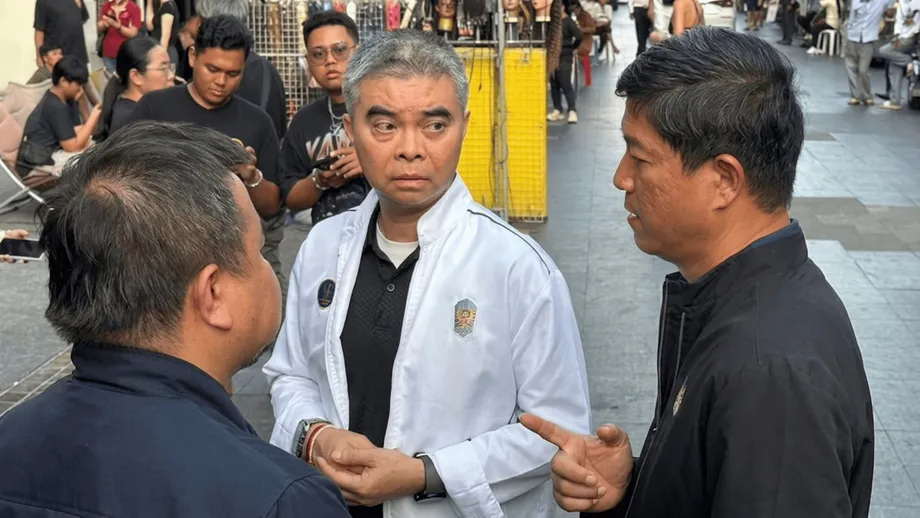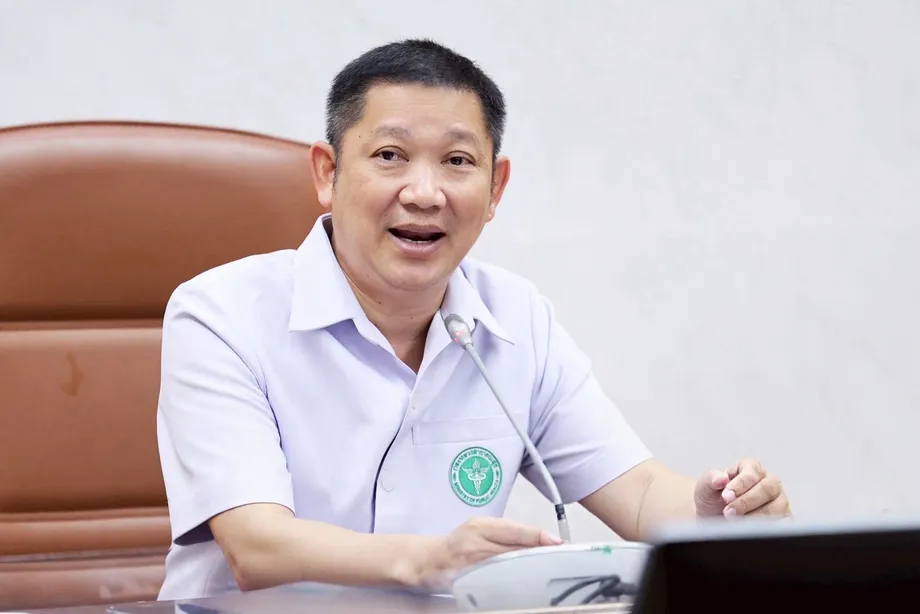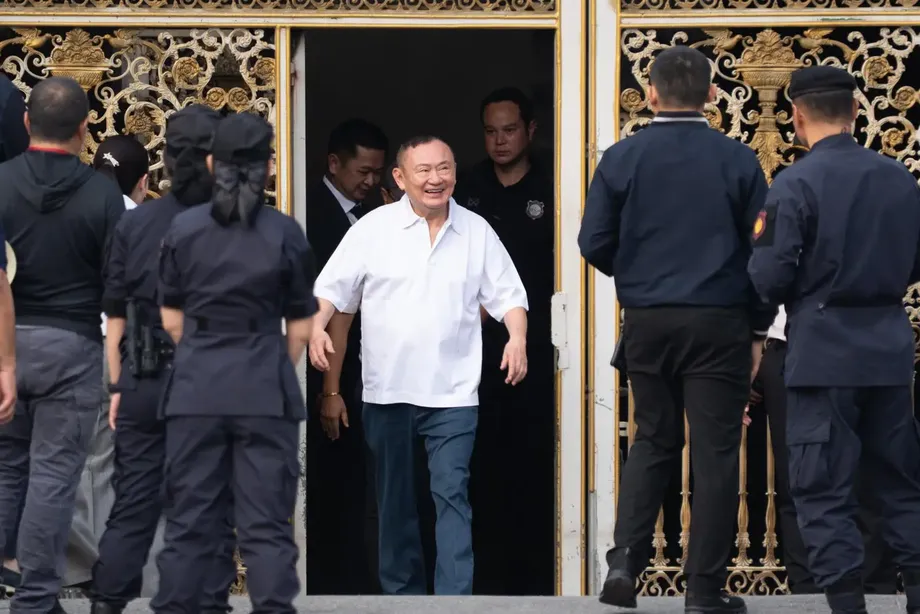
Four cases and billions in seized assets await a ruling
Former Thai prime minister Thaksin Shinawatra is seeking amnesty involving four Supreme Court cases, including the confiscation of 46.373 billion baht in assets, with the Peaceful Society Promotion Committee expected to consider his petition in November 2026. The central question is whether those cases qualify as consequences of political conflict under a law that excludes corruption and misconduct offences.
Contents
- Four cases and billions in seized assets await a ruling
- Where does the petition stand?
- What Thaksin wants erased
- Corruption exclusions sit at the centre of the dispute
- How broadly can political conflict be interpreted?
- What changes for people whose cases qualify?
- Why state and private claims are treated differently
- Thousands of people could be affected
- Deadlines, appeals and political rights
- Key Points
Justice Ministry permanent secretary Piyasiri Wattanavrangkul said on October 26 that the petition had not yet reached the screening subcommittee he chairs. Officials were gathering information, and he would call a meeting once the application arrived. The full committee, chaired by Deputy Prime Minister Pakorn Nilprapunt, would interpret the law and make the final committee decision.
Thaksin authorised his lawyer, Winyat Chatmontree, to submit the application on October 8. He wants his criminal records erased and the legal liabilities arising from previous convictions removed. His lawyers argue that the proceedings grew out of political conflict between 2005 and 2016, especially the aftermath of the military coup on September 19, 2006.
The application reaches beyond a request to shorten a punishment. Thaksin's side says he has already completed the prison sentence remaining after a royal commutation. He is now seeking a ruling that would clear the relevant offences from his legal record and restore rights affected by them.
The review also concerns prisoners, young people and other political defendants across Thailand. Piyasiri said officials were examining applications for everyone covered by the law, rather than concentrating on the former prime minister.
Where does the petition stand?
Chatchai Bangchuad, permanent secretary of the Prime Minister's Office and secretary of the full committee, said on October 14 that Thaksin's petition had entered the screening process. Piyasiri said on October 26 that it had still not reached his particular subcommittee. The precise administrative handover between those stages was not explained.
The committee normally meets once a month. Consideration of Thaksin's petition is expected in November, with an earlier indication pointing to the beginning of the month after a parliamentary no confidence debate. No exact meeting date or date for a decision on his application was announced.
The main steps so far are:
- September 28, 2026: Three prisoners linked to a political protest case were released from Pattaya Special Prison after seeking court consideration.
- October 8: Winyat submitted Thaksin's amnesty petition.
- October 12: Winyat publicly explained that Thaksin wanted to clear his name and live outside politics.
- October 14: Chatchai described the petition as being in the screening process.
- October 26: Piyasiri said his subcommittee was awaiting the application while agencies gathered information.
- November: The full committee is expected to consider the petition.
Pakorn has instructed officials to process applications promptly and follow the law. Piyasiri said his subcommittee would gather explanations and differing legal views before presenting its recommendations to the full committee.
What Thaksin wants erased
Thaksin's application refers to four final judgments from the Supreme Court's Criminal Division for Persons Holding Political Positions. The asset confiscation judgment involved 46,373,687,554.70 baht, or about 46.373 billion baht.
His lawyers link those judgments to the scrutiny of his administration after the 2006 coup. They invoke Announcement No. 30 of the Council for Democratic Reform and item 31 of the amnesty law's schedule, which concerns offences connected with announcements and orders issued by military authorities.
The application also relies on Sections 7, 8 and 9 of the Peaceful Society Promotion Act 2026. Thaksin's side argues that these provisions entitle him to amnesty, removal of the relevant convictions from his record and restoration of rights on an equal basis.
Winyat Chatmontree, Thaksin's lawyer, explained his client's stated purpose on October 12:
He wants this application to clear his name over the allegations against him. He has been punished and wants to earn a living and live peacefully. He is getting older and does not wish to become involved in politics or enter political life.
Thaksin's side also cites the royal commutation dated August 31, 2023, which reduced his prison sentence to one year. A commutation reduces punishment; the amnesty he now seeks would remove legal responsibility for offences accepted as eligible. The petition therefore asks the committee to address the lasting legal effects of the cases.
Corruption exclusions sit at the centre of the dispute
The law excludes four main categories of offences. Those limits are crucial because Thaksin's application asks the committee to connect judgments against a former officeholder with a broader period of political confrontation.
- Corruption or misconduct offences.
- Offences involving defamation, insults or threats against the King, Queen, heir apparent or Regent.
- Offences causing death or grievous bodily harm.
- Offences that can be settled between the parties, or acts creating liability to individuals or groups other than state agencies.
Thaksin's lawyers argue that none of the cited Supreme Court judgments expressly finds him guilty of corruption or misconduct. Legal commentators taking a different view have argued that corruption or misconduct cases could fall within the exclusions. Piyasiri acknowledged that academics disagree about the appropriate scope of amnesty.
Winyat wants officials to examine how the proceedings arose and the purpose of the legislation, rather than decide eligibility solely from offence names or short case descriptions. Speaking in support of that approach, the lawyer said:
I ask you to be fair-minded and humane, because I believe that restricting some people's rights would take us back to divisions and further conflict.
The committee must decide how the political connections claimed in the petition fit alongside the law's express exclusions. Its ruling will determine which, if any, of the four cases can receive relief.
How broadly can political conflict be interpreted?
Pakorn has described the law as a response to recurring political conflict, including disputes between citizens and state agencies arising from demonstrations and political expression. He has said cases should be examined individually within the law.
Deputy Prime Minister Pakorn Nilprapunt, the committee chairman, set out his intended approach:
We want to build a peaceful society, so we will interpret the law as broadly as possible.
Piyasiri described the core area of consideration as demonstrations and actions involving the state. An explanation from within the committee placed particular weight on a connection to political protests, rather than a general assertion that a prosecution was politically motivated.
Chatchai, the committee secretary, explained the evidence applicants might need:
If it is an ordinary case with no connection to politics, it may not qualify for amnesty under this law. In some cases, evidence or information may be required to show how the case arose from, or was connected with, political conflict.
For Thaksin, this makes the origin and circumstances of each case central to the review. His lawyers seek to connect the judgments to the coup and its aftermath. Officials must then decide whether those connections meet the legal conditions for amnesty.
What changes for people whose cases qualify?
Attorney-General Kowit Sripairoj issued nationwide prosecution guidelines on August 24 directing prosecutors to review political protest and expression cases connected with conflicts between January 1, 2005, and July 16, 2025. The review covers offences listed in the law's schedule and related offences.
Under the guidelines' explanation of Section 8, qualifying investigations and prosecutions must be suspended or terminated. Courts must discontinue eligible proceedings and remove the cases from their lists. For someone serving a sentence in a qualifying case, punishment can end and release can follow.
Prosecutors must examine cases at different stages, including investigations, approved charges awaiting court proceedings, trials and appeals. Where an eligible suspect has not been arrested, they must notify investigators to suspend arrest efforts and coordinate requests to revoke arrest warrants.
Officials must also address detention and other restrictions urgently. When facts are unclear, prosecutors are instructed to seek further investigation or information from relevant agencies. Disputed eligibility goes to the Peaceful Society Promotion Committee for a ruling.
People granted amnesty may have criminal records erased and regain political rights affected by the relevant convictions. Those consequences help explain why the process matters both to people still facing prosecution and to applicants such as Thaksin who seek relief from the continuing effects of judgments.
Why state and private claims are treated differently
Pakorn has stressed that the amnesty concerns offences against state agencies. Disputes between private parties remain subject to the rights of those involved and fall outside its scope.
The difference can matter within a single protest. Damage to government property and damage to a privately owned building may give rise to different legal claims. Officials must identify the conduct, the injured party and the relevant offence when deciding what relief applies.
The law also provides for ending certain civil proceedings connected with qualifying political events. Civil proceedings generally concern compensation or other remedies, rather than criminal punishment. Some claims brought by state agencies could therefore end alongside criminal proceedings.
For applicants, eligibility may need to be considered case by case and claim by claim. A decision covering one part of a person's legal history can leave other proceedings active, particularly where an excluded offence or a private party's rights are involved.
Thousands of people could be affected
The Justice Ministry is gathering information from the Department of Special Investigation, the Department of Juvenile Observation and Protection, and the Department of Corrections. Police, prosecutors, probation authorities and courts also hold records relevant to the wider review.
Piyasiri said he was aware of two relevant cases at the Department of Special Investigation, while acknowledging that he had not examined all the details of Thaksin's request. The petition itself cites four Supreme Court judgments; the two figures concern different sets of records being discussed during preparations.
The committee expects potential beneficiaries to number in the thousands. Agencies have been asked to report within 30 days on covered cases and action already taken. Officials will combine and check those records, allowing people to see whether their cases have been included and complain if they have been missed.
Three prisoners, Nisit Sinthuprai, Nopporn Namchiangtai and Somyos Phrompha, were released from Pattaya Special Prison on September 28 after court consideration. Their cases concerned the 2009 red shirt protests and the entry into the Royal Cliff Beach Hotel to disrupt an ASEAN summit. Thai Lawyers for Human Rights also recorded six other releases.
The committee has established two subcommittees, one for screening complaints and another for public communication and complaint channels. Piyasiri said the review must give attention to prisoners and young people as well as prominent political figures.
Deadlines, appeals and political rights
The full committee has 180 days from its first meeting to complete its work, with up to two extensions of no more than 90 days each. The initial period has been described as running to around March 2027. If both extensions are used in full, the permitted period would reach 360 days.
Piyasiri said applicants dissatisfied with the outcome have an appeal route. His explanation did not specify the body that would hear an appeal or the filing deadline.
Thaksin's application also has political consequences because amnesty can restore rights affected by convictions. His lawyer says he wants a peaceful life outside politics, while the legal relief requested could widen his ability to take part in public life.
A pending royal defamation case adds a further constraint because that category of offence is expressly excluded from the law. The immediate task for the committee is to rule on the cases in the petition, applying both the political conflict criteria and the exclusions.
For other applicants, the practical stakes may be release from prison, cancellation of an arrest warrant, an end to prosecution or removal of a criminal record. The agency review and complaint process will determine how many people receive those benefits and how quickly the decisions reach them.
Key Points
- Thaksin submitted an amnesty petition on October 8, 2026, citing four Supreme Court cases, including asset confiscation of about 46.373 billion baht.
- The full Peaceful Society Promotion Committee is expected to consider the petition in November.
- Piyasiri said on October 26 that his screening subcommittee had not yet received the application.
- The central dispute concerns whether the cases qualify as connected with political conflict under a law excluding corruption and misconduct.
- Eligible applicants may receive release, termination of proceedings, removal of criminal records and restoration of affected political rights.
- The committee's initial working period is 180 days, with two possible extensions of up to 90 days each.