A month of cooking gas in reserve
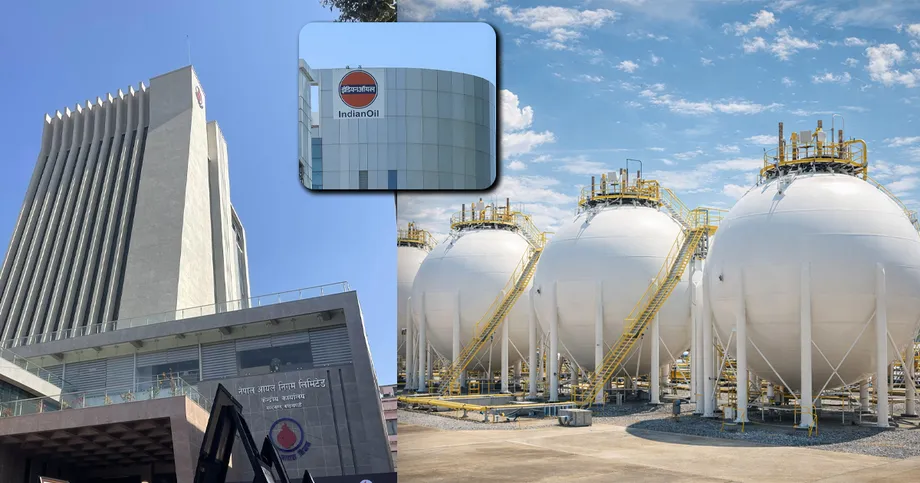
Nepal Oil Corporation is advancing plans for a roughly 131 kilometre pipeline from Motihari in India to Sarlahi in Nepal, paired with a storage terminal holding 50,000 tonnes of liquefied petroleum gas. The proposed reserve would cover about a month of national demand, giving households a buffer when damaged roads, traffic delays or transport disputes interrupt cooking gas deliveries.
Contents
- A month of cooking gas in reserve
- Why road delays reach household kitchens
- How much protection would 50,000 tonnes provide?
- Where the pipeline would run
- Land secured, engineering still taking shape
- Three facilities with different jobs
- Who would pay for the project?
- Transport spending could shift into Nepal
- What households can expect next
- Key Points
The corporation, known as NOC, has proposed three main facilities at Sarlahi: bulk gas storage, a plant capable of filling 25,000 cylinders daily, and equipment to load at least 100 gas tankers a day. Together, they would change how imported gas reaches Nepal and how supplies move onward to the country's 58 private bottling and refilling plants.
Binit Mani Upadhyaya, head of NOC's LPG and Aviation Department, says the project received approval in principle at the fifth meeting of the Nepal and India Joint Working Group in New Delhi. NOC and Indian Oil Corporation, or IOC, subsequently formed a joint business committee to carry the technical work forward.
Preliminary estimates put the full investment at NPR 25 billion to NPR 30 billion, although NOC officials have also cited a lower estimate of about NPR 15 billion for the pipeline and terminal. The detailed project report is expected to establish the design and a firmer cost before the two governments settle the financing arrangement.
For consumers, the central change would be a public reserve that can release gas during interruptions. Nepal currently relies heavily on gas moving by road from Indian refineries, with little direct government presence in bulk LPG storage.
Why road delays reach household kitchens
Nepal imports its cooking gas from India in specialised bulk tanker trucks commonly called bullets. These carry LPG to bottling plants, where the fuel is transferred into the cylinders used in homes and businesses. LPG is stored as a liquid under pressure, allowing a large amount of fuel to fit inside a tank.
Deliveries from Indian refineries can take three or four days to a week, depending on the starting point. Congestion, customs procedures, accidents and highway closures can add further delays. A full tanker turnaround, including the wider collection and return cycle, can take as long as 17 days.
Upadhyaya has pointed to damage to hydropower projects and highways during the August 26 disaster in Bhotekoshi as an example of why dependable fuel storage matters. When roads and electricity infrastructure are disrupted together, households have fewer practical options for cooking.
NOC's proposed reserve would separate the timing of imports from immediate daily consumption. Gas already stored in Sarlahi could continue feeding the distribution system while an incoming supply interruption is addressed. Delivery from Sarlahi to bottling plants would still depend on Nepal's roads.
How much protection would 50,000 tonnes provide?
Nepal imports about 1,500 tonnes of LPG a day, according to the supply figures cited in the project planning. At that rate, a full 50,000 tonne reserve represents roughly 33 days of consumption, which supports NOC's description of the facility as providing about a month of cover.
Private companies currently hold a combined storage capacity of about 10,000 tonnes. The proposed public terminal would therefore have five times that capacity. At the same daily consumption rate, 10,000 tonnes represents fewer than seven days of demand, although actual stocks depend on how much gas the facilities hold at any given time.
NOC has chosen to pursue a reserve covering about 30 days before moving toward a longer objective of 90 days. The corporation acquired its Sarlahi land under an earlier government policy aimed at maintaining fuel reserves for 90 days.
More than 15 million household cylinders, each designed to contain 14.2 kilograms of LPG, circulate in Nepal. The reserve would supply the system that fills those cylinders, rather than require households to change their cooking equipment.
Where the pipeline would run
The preliminary alignment measures 130.953 kilometres: 32.654 kilometres in Bihar, India, and 98.299 kilometres in Nepal's Madhesh Province. It would connect Motihari with the planned Netraganj depot in Sarlahi, passing through the Birgunj customs area and Pathlaiya.
NOC describes the route as following the corridor of the existing Motihari to Amlekhgunj petroleum pipeline as far as Pathlaiya in Bara, then extending east toward Sarlahi. The Pathlaiya to Sarlahi section would cover approximately 60 to 62 kilometres. Upadhyaya says the proposed alignment follows the left side of the road along that stretch.
About 45 kilometres of the planned route would pass through forested areas. For rivers and other waterways, the proposal uses horizontal directional drilling. This technique drills a passage beneath an obstacle so that a pipe can be installed underground rather than laid across the riverbed from above.
The preliminary operating assumptions include a service life of 25 years and 8,000 operating hours annually, equivalent to about 22 hours a day. Construction is projected to take 36 months after groundbreaking. No groundbreaking date or final financing agreement has been announced.
Land secured, engineering still taking shape
NOC acquired 15 bighas and 6 katthas of land in Sarlahi's Nawalpur and Netraganj areas during the 2016/17 fiscal year for NPR 300.5 million. The site is about three kilometres from the national highway and lies beside forest land.
IOC has examined whether an eight inch or 10 inch pipeline would be suitable. Choosing the diameter is part of determining how much gas the line can carry and how the pipeline, pumps and terminal should work together.
NOC has supplied a soil testing report requested by IOC. It has also prepared an updated land survey containing geographical coordinates for submission to the Indian corporation. Soil information and accurate site measurements help engineers decide where structures can stand and how their foundations should be designed.
The preparation has moved through several stages:
- 2016/17 fiscal year: NOC purchased the Sarlahi land under the government's fuel reserve policy.
- Joint Working Group approval: Nepal and India agreed in principle to advance the LPG project.
- Technical preparation: IOC examined pipeline sizes, while NOC submitted its capacity requirements and soil information.
- Next steps: IOC is to develop the detailed design, followed by government decisions on financing.
Three facilities with different jobs
The proposed 50,000 tonne storage facility would receive LPG from the pipeline and hold it before distribution. NOC's planned bottling plant would fill 25,000 household cylinders each day. At 14.2 kilograms per cylinder, that represents 355 tonnes of gas daily.
That bottling capacity is roughly one quarter of the cited daily imports of 1,500 tonnes. Most gas arriving at the terminal would therefore still need to move in bulk to other bottling plants, rather than leave Sarlahi only in household cylinders.
The third component, the tanker lorry filling facility, would load at least 100 bullets a day. NOC estimates that supplying the existing bottling network requires 100 to 120 tanker loads daily. The final design will need to translate that requirement into loading capacity, operating hours and space for vehicles.
NOC expects automation to shorten the time needed to load and dispatch tankers, including those serving plants supplying the Kathmandu Valley. The corporation also plans to market cylinders under its own brand once the pipeline and terminal are operating, extending its role beyond bulk imports and storage.
Who would pay for the project?
Nepal and India are expected to discuss the financial structure after the detailed project report provides a settled design and more precise costs. NOC is seeking Indian government grant assistance, while other funding arrangements remain possible.
The NPR 25 billion to NPR 30 billion preliminary estimate covers the pipeline, storage and associated infrastructure described in NOC's proposal. The lower figure of about NPR 15 billion has also been cited for the pipeline and terminal. Both remain planning estimates, with the detailed report needed to clarify the final scope and budget.
A further calculation cited by corporation officials assigns roughly NPR 12 billion to the pipeline itself and projects annual freight savings of NPR 6 billion to NPR 7 billion. On that basis, officials have suggested that savings could match the pipeline's construction cost in about two years.
For the larger project, the financial calculation must also include operating the pipeline, maintaining the terminal, financing construction and transporting gas onward within Nepal. Those costs will determine how much of the avoided import freight becomes a lasting saving.
Transport spending could shift into Nepal
NOC estimates that it currently spends about NPR 6 billion annually on LPG transportation. A pipeline would replace much of the lengthy road journey between Indian supply points and Nepal with direct delivery to Sarlahi.
Roughly 600 to 700 Indian registered bullets serve Nepal's LPG trade. NOC spokesperson Manoj Thakur says Nepali registered tankers would handle distribution from the Sarlahi terminal to bottling plants around the country.
That change could redirect some transport payments toward Nepali vehicle owners, drivers, maintenance businesses and lenders. NOC expects both direct and indirect employment, although it has given no figure for the number of jobs.
Domestic distribution would remain a substantial task. Tankers would still have to collect gas at Sarlahi and reach plants across Nepal. The proposal changes where those journeys begin and which businesses can carry them out, while retaining the country's network of bottling plants.
What households can expect next
Industry, Commerce and Supplies Minister Deepak Kumar Sah has directed NOC to treat the project as an urgent priority and monitor progress. The immediate work remains technical: completing the exchange of site information, developing the design and establishing a reliable cost.
IOC was expected to return a technical assessment within two weeks of receiving a recent submission. With no calendar date attached to that submission, the next practical milestone is delivery of the technical report, followed by talks between the governments on funding.
Consumers would benefit most directly from having gas available in storage when imports are interrupted. The reserve could give authorities and distributors time to respond before a transport delay becomes a widespread shortage.
The proposal also creates a new responsibility for NOC: keeping the reserve supplied and coordinating its release through bottling plants and tankers. The value to households will depend on the whole chain working, from the pipeline entering Sarlahi to the cylinder reaching a local dealer.
Key Points
- NOC proposes a roughly 131 kilometre LPG pipeline from Motihari to Sarlahi and storage for 50,000 tonnes.
- The reserve would cover about a month of demand at the cited import rate of 1,500 tonnes daily.
- The terminal proposal includes filling 25,000 cylinders and loading at least 100 tankers each day.
- Preliminary cost estimates range from about NPR 15 billion to NPR 30 billion, pending a detailed design and budget.
- NOC is seeking Indian grant assistance, with financing still to be agreed between the governments.
- Construction is projected to take 36 months after groundbreaking, for which no date has been announced.
- Nepali registered tankers are expected to distribute gas from Sarlahi to bottling plants nationwide.