Gas reaches Nepal, but families still struggle for refills
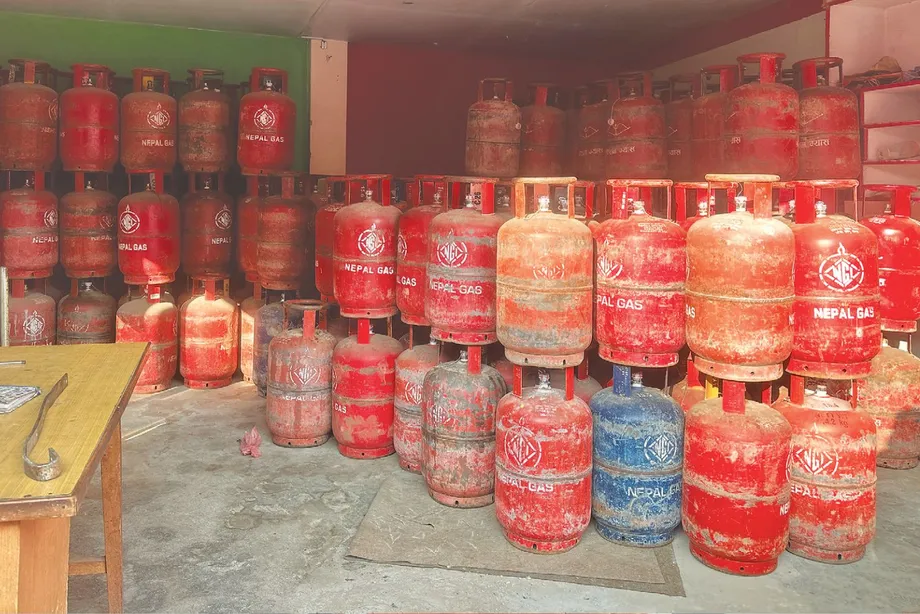
Kathmandu residents have struggled to obtain cooking gas despite assurances that supplies are entering Nepal and reaching the capital. During the Dashain holiday disruption, Keshav Joshi of Gothatar said he had spent a week trying to secure a cylinder without receiving a clear delivery date from local dealers. Manish Khadayat of Chandragiri said he had been unable to buy gas since the beginning of Dashain and was relying on hotel meals.
Contents
- Gas reaches Nepal, but families still struggle for refills
- Holiday closures interrupted the final stages of supply
- What the February figures show
- Refinery maintenance and brand problems added pressure
- Six centres offered a limited exchange arrangement
- Emergency distribution and checks on extra purchases
- A large cylinder network still needs steady movement
- The dates behind repeated disruptions
- Key Points
Nepal Oil Corporation (NOC) said transport of bulk gas into the capital was continuing and supply was meeting demand. Gas dealers attributed the holiday shortage to temporary closures of bottling plants, the factories that transfer liquefied petroleum gas, or LPG, from large tankers into cylinders used in kitchens.
Figures from a separate February assessment show the scale of the distribution challenge. NOC said more than 45,000 cylinders were being supplied daily to the Kathmandu Valley, against usual consumption of 40,000 to 45,000. Even at that level, some households were still waiting for refills.
The holiday disruption and the February shortage involved several pressure points: factory closures, refinery maintenance in India, transport paperwork, difficulties exchanging cylinders between brands and purchases of extra cylinders. For residents, the practical question was whether a nearby dealer had a filled cylinder they could actually take home.
Holiday closures interrupted the final stages of supply
Gyaneshwar Aryal, president of the Gas Dealers Federation, said most gas industries stopped operating around Phulpati, an important day during Dashain. Plants began reopening on Sunday, and he expected distribution to return to normal within a few days.
A gas delivery passes through several stages before reaching a household. Bulk LPG arrives in large tankers, commonly called gas bullets. Bottling plants fill cylinders, which then move through dealers to customers. A pause at the filling stage can leave shops short even while tankers continue arriving.
Joshi's week without a refill and Khadayat's reliance on prepared meals show the immediate cost of that interruption. Families must spend time searching for gas or find another way to cook. Khadayat's experience also shows how a shortage can shift household spending toward meals bought outside the home.
Aryal's expectation of improvement depended on factories reopening and filled cylinders reaching dealers. During the February disruption, bottlers similarly warned that restoring supply to shops would take time, even after deliveries increased.
What the February figures show
NOC deputy director Manoj Kumar Thakur said distribution had returned to normal in most parts of the Valley during the February assessment, although some areas still faced delays. He expected supply to normalise fully within a week.
NOC said around 100 gas bullet tankers were receiving customs clearance and entering Nepal through southern border points. Twenty-three bottlers supplied the Valley, with most located in Dhading and Chitwan districts.
The corporation put daily cylinder deliveries at more than 45,000. Compared with the lower end of normal consumption, 40,000 cylinders, that represented more than 5,000 additional cylinders a day. Against the upper end, 45,000, the extra margin was smaller. Those additional deliveries also had to serve customers whose purchases had been delayed.
NOC said it had received 26,000 tonnes of LPG by February 15 against a monthly quota of 45,000 tonnes. That was about 58 percent of the quota by that date. The quota measures the amount allocated for the month, while the receipt figure records how much had arrived by the reporting date.
Diwan Bahadur Chand, president of the Nepal LP Gas Association, said customers could still face a wait of a day or two for a refill. He described the expected recovery in terms of ordinary shopping access:
It may take about a week before customers can get a cylinder anytime they visit nearby stores," Chand said. "Supply is easing day by day.
Refinery maintenance and brand problems added pressure
Industry representatives attributed the February supply disruption to maintenance at India's Barauni refinery during November and December. Supplies shifted temporarily to another refinery, creating transport difficulties, including delays in obtaining permits.
A change of refinery can require changes to tanker movements and the paperwork authorising them. Industry representatives said those delays interrupted the regular supply chain, adding pressure before cylinders reached Nepal's retail network.
Nepal Gas, described as having the country's largest consumer base, was among the first brands affected. Refinery related disruption and internal conflicts within the company affected its distribution network. Customers searching for that brand then added to demand elsewhere.
The brand issue matters because an empty cylinder is a container that must return through a filling and distribution system. Customers reported difficulty exchanging one company's cylinder for another company's filled cylinder. Gas available under a different brand could therefore remain out of reach for a household holding an empty cylinder.
Six centres offered a limited exchange arrangement
The Nepal LP Gas Industry Association announced a special sales and cylinder exchange programme for Ashoj 25 to 31, with service each day from 9:30 a.m. to 4:30 p.m. The arrangement covered six locations in the Kathmandu Valley and was organised with NOC coordination and Gas Dealers Federation cooperation.
Association president Diwan Chand said the programme responded to complaints that consumers could not obtain gas easily during the festival period or exchange cylinders between brands. The designated locations and brands were:
- Sifalchaur, at Gas and Oxygen Traders: Everest and Sugam Gas.
- Pepsicola: Sagar Gas.
- Outside the Balaju Industrial Area gate: Nepal, HP, Geeta, Rajdhani and Triveni Gas.
- Sukedhara: Baba and Shree Gas.
- Kalanki: Sai Baba and Shree Krishna Gas.
- Harisiddhi in Lalitpur: Shree Ram Gas.
The exchange arrangement applied only to cylinders belonging to association member industries supplying the Valley, and only at the designated centres. Customers still needed to check whether their cylinder qualified.
The association said 4,213,661 cylinders had been sold and distributed during Bhadra. It also said imports from Indian refineries were moving smoothly when it announced the festival programme. The special centres addressed access to available gas, including the problem of customers being tied to a particular brand.
Emergency distribution and checks on extra purchases
During the February shortage, bottlers set up a temporary depot at NOC's Teku office. Nepal Gas, Everest Gas and Sugam Gas were among the major brands distributed there to reduce pressure on retail outlets. Thakur said fewer consumers were gathering at the office as supply improved.
NOC also issued a public notice listing contact numbers for brands facing complaints, including Nepal Gas, Everest Gas, Sai Baba Gas and Shree Krishna Gas. It advised consumers encountering problems at shops to contact the companies directly or buy cylinders from factories.
Thakur linked the recovery to a reduction in purchases of extra cylinders. The NOC deputy director urged consumers to avoid accumulating supplies:
Cooking gas supply is normalising, so there is no need for consumers to hoard cylinders," Thakur said. "Once consumers stop hoarding, the distribution system will function smoothly.
NOC directed bottlers to prevent dealers from providing two cylinders to a single customer, avoid creating artificial shortages and distribute according to need. The corporation said hotels and restaurants appeared to have accumulated cylinders, while it had received no reports of major establishments closing for lack of gas.
The Department of Commerce, Supplies and Consumer Protection formed a market inspection team after complaints from consumer rights activists. Its task was to monitor distribution across the Valley as households continued reporting difficulties finding refills.
A large cylinder network still needs steady movement
NOC said more than 10 million LPG cylinders were in circulation nationwide. Its approximate breakdown placed around 3 million with consumers, 3 million at bottling plants for refilling and another 3 million in the distribution chain. The rounded categories accounted for about 9 million cylinders.
The corporation estimated that filling 3 million cylinders required approximately 45,000 tonnes of LPG a month. Keeping that network moving requires empty cylinders to return, plants to fill them and dealers to receive replacements at a pace that matches household purchases.
Kathmandu has also faced disruption earlier in the supply chain. Floods in Bhote Koshi, Rasuwa, blocked major supply routes during a previous severe crisis. Former industry, commerce and supplies minister Gauri Kumari Yadav resigned following that crisis. The ministry is now led by Deepak Kumar Shah.
The ministry is working on a proposal to classify cylinders for household and commercial use, and a task force has been established to study it. Such categories would separate the needs of homes from those of businesses such as hotels and restaurants. No implementation date or detailed rules have been announced.
The dates behind repeated disruptions
The named dates cover different episodes of supply pressure. The holiday closures concerned factory operations, the special exchange programme addressed festival access, and the February assessment described recovery after refinery and distribution problems.
- Bhadra: The industry association recorded sales and distribution of 4,213,661 cylinders.
- Around Phulpati during Dashain: Most gas industries temporarily stopped operations, according to the Gas Dealers Federation.
- Ashoj 25 to 31: Six Valley centres were scheduled to provide special sales and eligible cylinder exchanges.
- November and December: Industry representatives said maintenance at the Barauni refinery disrupted regular supply arrangements.
- February 15: NOC recorded receipt of 26,000 tonnes against a monthly LPG quota of 45,000 tonnes.
Recovery estimates were measured in days: Aryal expected improvement after plants reopened, while Thakur and Chand expected the February shortage to ease fully within about a week. For households, recovery meant being able to exchange an empty cylinder at a nearby shop without repeated journeys or an uncertain wait.
Key Points
- Residents in Gothatar and Chandragiri reported difficulty obtaining cooking gas during the Dashain disruption.
- Dealers linked the holiday shortage to bottling plant closures, while NOC said bulk transport was continuing.
- During a separate February assessment, NOC reported daily deliveries above 45,000 cylinders against usual Valley demand of 40,000 to 45,000.
- Industry representatives linked that disruption to Barauni refinery maintenance and transport permit delays.
- A festival programme designated six centres for sales and limited exchanges between cylinder brands.
- Authorities introduced emergency distribution, market inspections and restrictions on multiple cylinder purchases.
- A task force is studying separate classifications for household and commercial cylinders.