Big spending promises meet an urgent treatment crisis
Bangladesh plans to invite tenders worth more than BDT 16,000 crore within 15 to 20 days, Health and Family Welfare Minister Sardar Md. Sakhawat Hossain announced during hospital inspections in Mymensingh on October 24. The package, equivalent to more than BDT 160 billion, would support hospital equipment, infrastructure and services alongside plans to bring five robotic surgery systems into the country.
Contents
- Big spending promises meet an urgent treatment crisis
- What the procurement plans include
- Why cancer patients cannot wait for new machines
- Patients face costs far beyond the hospital queue
- Seventeen radiotherapy machines, with most outside Dhaka
- Robotic surgery needs teams as well as technology
- Mymensingh exposes the strain on everyday care
- Smaller hospitals receive immediate deadlines
- Recruitment and tighter clinic supervision
- Key Points
The announcement comes as the country's main public cancer hospital struggles with a queue of about 7,500 patients awaiting radiotherapy appointments. Four of its six radiotherapy machines have been out of service for more than two years, and some patients have appointments extending to the end of 2028.
The government separately plans to install 17 linear accelerators, machines used to deliver radiation treatment for cancer, at public hospitals by June 2027. Six would go to Dhaka and 11 elsewhere. The minister also outlined recruitment plans, rural hospital upgrades and tighter supervision of private clinics.
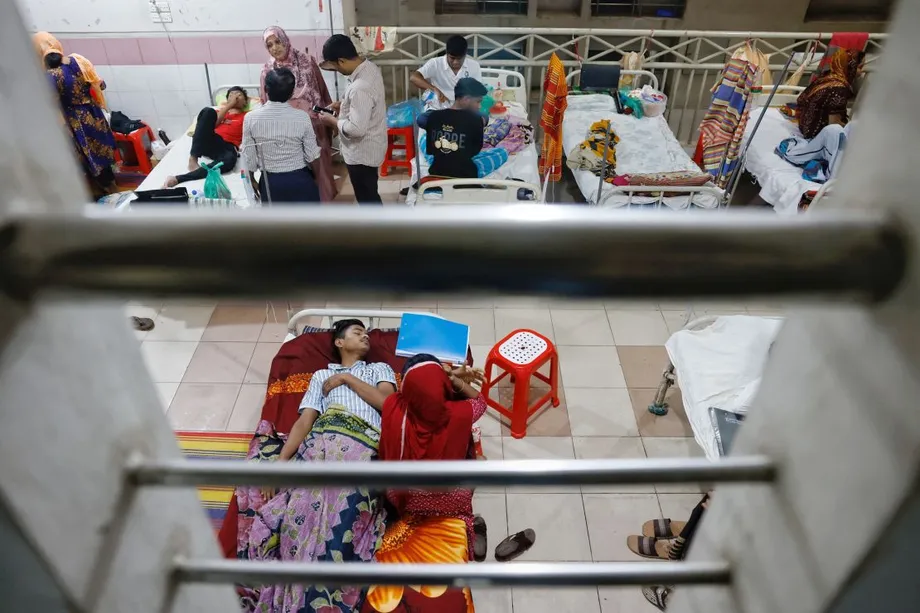
Mymensingh Medical College Hospital illustrates the pressure behind the proposals. The minister said a hospital with capacity for 1,000 patients treats 3,000 to 4,000 daily and serves people from eight to ten surrounding districts. Its doctors, wards and supplies must absorb demand that smaller facilities cannot meet locally.
The immediate challenge is to turn procurement and staffing promises into functioning services. Equipment already installed in Faridpur and Gopalganj has not become fully operational because the necessary personnel and infrastructure are missing. Patients waiting for cancer treatment need help before the next round of machines arrives.
What the procurement plans include
The minister announced the tender timetable after visiting Phulpur and Tarakanda Upazila Health Complexes in the morning and Mymensingh Medical College Hospital in the afternoon. An upazila is a subdistrict, making its health complex an important source of care for people outside major cities.
The proposed spending covers diagnostic tools, hospital infrastructure and modern treatment equipment, including radiotherapy provision at Mymensingh. Recruitment was also presented as part of the wider effort to address shortages in district and subdistrict hospitals.
The tender announcement is an early purchasing step: it invites suppliers to compete for government contracts. The 15 to 20 day timetable concerns inviting bids, while patients will receive the services only after equipment is bought, installed and put into operation. Detailed contract allocations, prices for individual machines and installation dates for the robotic systems were not announced.
At a Secretariat briefing on October 7, the minister said demand existed for ten robotic surgery systems, with five planned initially. A Development Project Proposal, known as a DPP, was being prepared for purchases within the fiscal year. That document sets out a public project's proposed scope and costs.
Why cancer patients cannot wait for new machines
The National Institute of Cancer Research and Hospital, or NICRH, in Dhaka has stopped accepting new radiotherapy registrations because its existing appointments already extend through the end of 2028. Director Professor Dr Mostafa Aziz Sumon said around 7,500 patients were waiting for appointments while two functioning machines carried the treatment load.
Sumon described the pressure on the hospital and its patients:
It is not acceptable for cancer patients to wait two years for treatment. Around 7,500 patients are waiting for appointments. We are providing as much treatment as possible using our two functioning machines.
The two machines operate in three shifts, from 8am to midnight, treating about 250 to 300 patients daily. A course of radiotherapy generally takes four to eight weeks, so existing patients need repeated sessions while others wait to begin.
The minister described waits of six to seven months at his October 7 briefing; NICRH's director later described appointments stretching roughly two years ahead at that hospital. The longer queue leaves patients who depend on affordable public treatment with particularly difficult choices.
Patients face costs far beyond the hospital queue
Mohammad Mostafa Kamal travelled from Gopalganj to NICRH after surgery for an abdominal tumour and chemotherapy. He expected to arrange radiotherapy, but found that new registrations had stopped.
Kamal explained why a private appointment was beyond his means:
My doctor told me I would need radiotherapy after chemotherapy, but I cannot get an appointment. We are poor people and cannot afford treatment at a private hospital. I travelled all the way from Gopalganj to receive treatment at a government facility, but I still cannot get a slot.
Sathia Khatun, who travelled from Tangail after breast cancer surgery, also found registrations closed. She said her family lived hand to mouth and could not afford private treatment. Her journey ended without the care she had expected to receive.
Radiotherapy uses carefully directed radiation to damage cancer cells. Its timing depends on the cancer and the patient's treatment plan. Doctors at NICRH said delays after surgery can increase concern about cancer returning or spreading.
Public health specialist and vaccinologist Tajul Islam A Bari called for urgent alternative arrangements, including coordination with private hospitals. Such arrangements would address patients already waiting while public hospitals prepare additional treatment capacity.
Figures cited as 2024 estimates from GLOBOCAN, compiled by the International Agency for Research on Cancer under the World Health Organization, put new cancer diagnoses in Bangladesh at 187,263, including 107,820 men and 79,443 women. That scale of need extends far beyond the queue at one hospital.
Seventeen radiotherapy machines, with most outside Dhaka
The government's planned allocation would send 11 of the 17 new linear accelerators outside Dhaka, or about 65% of the total. Six would serve hospitals in the capital. For patients who currently travel long distances, working services closer to home could reduce repeated journeys during weeks of treatment.
Named installation sites include NICRH, Dhaka Medical College Hospital, Bangladesh Medical University and Shaheed Suhrawardy Medical College Hospital. The government has set June 2027 as the target for installation, while Sumon expressed hope that NICRH would receive new machines by the middle of that year.
The minister also described work already under way to add three radiotherapy machines, including one for a cancer hospital and another in Savar. He said the health ministry had taken over a machine under the Ministry of Science and Technology and arranged for its operation.
Faridpur and Gopalganj offer a practical lesson for the expansion. Two machines installed there during the previous government's tenure could not become fully operational because staffing and supporting infrastructure were insufficient. Radiotherapy requires trained radiation oncologists, who plan treatment, medical physicists, who help ensure accurate radiation delivery, and radiation therapists, who operate the equipment.
The minister pledged to provide nurses and other personnel where needed. He also said the government would act against bureaucratic delays in installation and removal of unusable equipment, and pursue measures including customs duty exemptions to speed imports of essential cancer treatment equipment.
Robotic surgery needs teams as well as technology
The five proposed robotic surgery systems would be placed in major hospitals to support complex operations. The initial purchase represents half the demand for ten systems identified by the minister.
The minister described the first phase at the October 7 briefing:
We will initially go for five robotic surgery machines. We are preparing the DPP and intend to purchase them within this fiscal year. The machines will be installed at major hospitals to introduce robotic surgery services.
Robotic surgery means that a trained surgeon controls instruments through a specialised system. The surgeon remains responsible for the operation; the machine provides tools for carrying out precise movements.
The radiotherapy difficulties show why the supporting arrangements matter. Hospitals receiving advanced equipment also need trained teams, suitable facilities and reliable maintenance. The proposed robotic systems would expand surgical capabilities, while the radiotherapy programme addresses a different and immediate shortage in cancer care.
Mymensingh exposes the strain on everyday care
Mymensingh Medical College Hospital's daily patient numbers are three to four times its stated capacity. The minister said an individual physician capable of seeing 50 patients a day could instead face 250 to 300, five to six times that figure.
He described the workload facing doctors:
Where a physician has the capacity to see 50 patients a day, they are forced to attend to 250 to 300 patients daily.
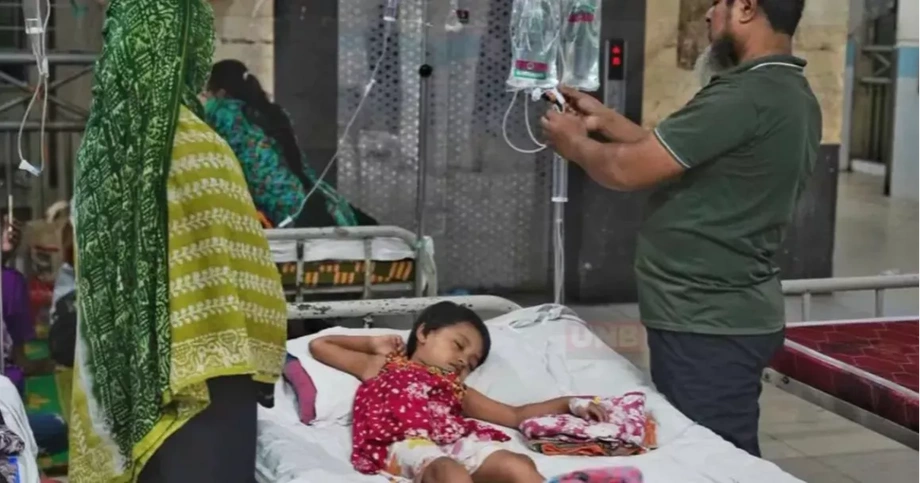
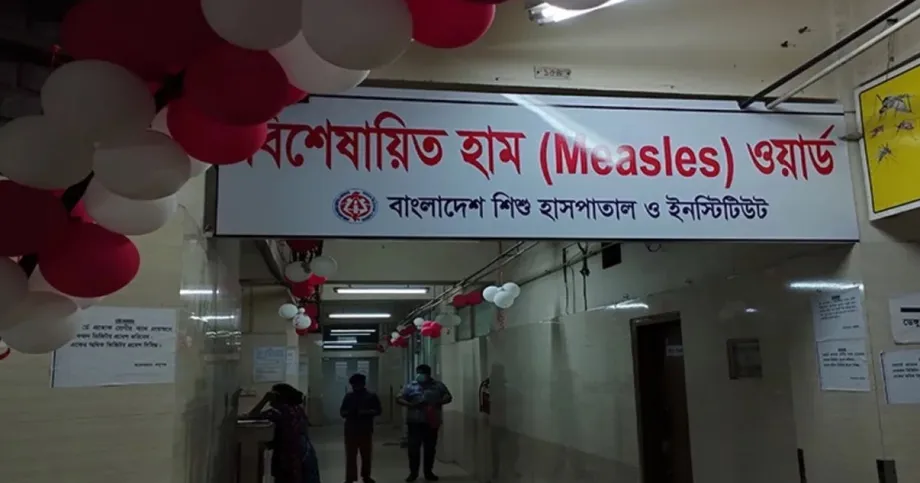
The inspection covered labour, gynaecology, measles isolation and dengue wards. The minister questioned why a patient in the gynaecology ward had needed to buy saline outside the hospital, gave her BDT 1,000 for the purchase and instructed management to address the problem.
He also objected to rubbish on the ground floor of a new building and poor toilet conditions. Although he expressed some satisfaction with mosquito net arrangements in the dengue ward, he called for doctors to give patients clearer information about their care.
The minister said duty rosters had been collected after some doctors were found absent during inspections. Departmental action would follow verification and investigation where neglect or duty irregularities were established. He acknowledged severe staffing pressure while insisting that complaints about care still required action.
Smaller hospitals receive immediate deadlines
Phulpur and Tarakanda are central to the minister's plan to reduce pressure on Mymensingh. Better local services would allow more patients to receive treatment without travelling to the larger referral hospital.
The proposed expansion was announced as a target of 151 beds, although a target of 150 beds, up from 100, was also reported. Planned services include dialysis, physiotherapy, maternal care and separate provision for children. Dialysis filters waste and excess fluid from the blood when the kidneys cannot do that adequately.
Tarakanda had not started inpatient services, meaning patients could not yet be admitted for hospital stays. The minister promised to assign the necessary doctors within the following week to begin admissions. He also announced an initiative to start an understaffed children's intensive care service within a week.
At Phulpur, he ordered toilet repairs, cleaning of drainage lines and necessary renovation within two days, with video updates on progress. Those short deadlines sit alongside much longer equipment procurement plans:
- October 7, 2026: The minister outlined plans for 17 linear accelerators and an initial five robotic surgery systems.
- October 20: NICRH's director described a queue of around 7,500 patients, with appointments extending to the end of 2028.
- October 24: The minister announced the health sector tender timetable during inspections in Mymensingh.
- Within two days of the inspections: Phulpur was instructed to complete urgent cleaning and repairs.
- Within the following week: Staffing and service measures were promised for Tarakanda and children's intensive care.
- Within 15 to 20 days: The government planned to invite the major health sector tenders.
- By June 2027: The government planned installation of the 17 new linear accelerators.
Recruitment and tighter clinic supervision
The wider workforce plan includes recruitment of 5,000 doctors, 5,000 nurses and 25,000 midwives. The minister linked the midwife recruitment proposal to improving maternal care and increasing vaginal deliveries.
Community clinics would be renamed Family Wellbeing Centers, with plans to extend care at union level and maintain medicine supplies. For rural families, staffing and dependable medicines would determine how much more care they could receive near home.
The minister also announced a prohibition on establishing new private clinics within one kilometre of a government hospital. Existing facilities would face monitoring of their operating conditions, including delivery rooms and standards of patient care.
He alleged that intermediaries were drawing patients away from public hospitals to private clinics. Facilities failing required conditions, or providing inadequate care, could face action including closure. The announcement sets a stricter supervisory direction for existing clinics while restricting where new ones may open.
The proposals bring together two different needs: advanced treatment for people who now face long queues, and reliable basic services for people who need medicines, clean wards or a nearby hospital bed. Bangladesh's immediate test is whether the shortest deadlines produce working services while the larger purchases move through procurement.
Key Points
- The government plans health sector tenders worth more than BDT 16,000 crore within 15 to 20 days of October 24.
- Five robotic surgery systems are planned initially, against stated demand for ten.
- Seventeen new linear accelerators are planned by June 2027, with six in Dhaka and 11 elsewhere.
- NICRH has about 7,500 patients awaiting radiotherapy appointments and only two of six machines functioning.
- Recruitment proposals include 5,000 doctors, 5,000 nurses and 25,000 midwives.
- Phulpur and Tarakanda are promised expanded services, while new private clinics would be barred within one kilometre of government hospitals.