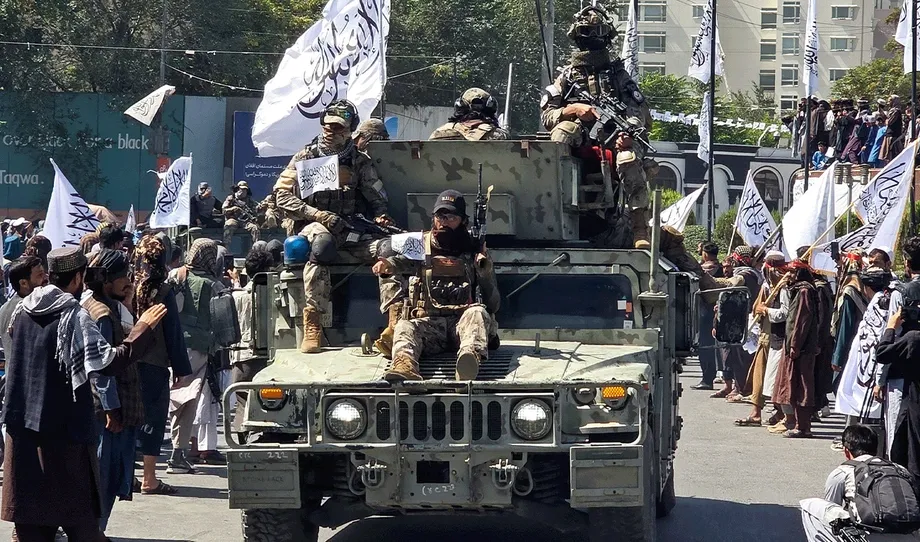
Islamabad seeks action against militant sanctuaries
Pakistan demanded verifiable action against militants operating from Afghanistan on October 24, 2026, citing an estimated 4,000 to 6,000 Tehreek-i-Taliban Pakistan fighters and accusing Taliban authorities of avoiding its security concerns. The demand came amid repeated border clashes, Pakistani airstrikes inside Afghanistan and a dispute over responsibility for attacks in Pakistan.
Contents
- Islamabad seeks action against militant sanctuaries
- What Pakistan wants Kabul to stop
- The international assessments behind the demand
- The TTP and BLA are different groups
- Kabul rejects responsibility and points back at Pakistan
- The human toll and conflicting attack totals
- A second dispute over alleged Afghan recruitment
- How the dispute reached this point
- Talks and trade depend on security cooperation
- Key Points
Pakistan's Ministry of Information and Broadcasting urged Kabul to stop the TTP, the Balochistan Liberation Army and their affiliates from using Afghan territory to plan, prepare or launch attacks. It also alleged that Taliban officials, including officials in Kandahar, had helped militant groups.
Afghan Taliban spokesperson Zabihullah Mujahid rejected Pakistan's accusations. He said Afghanistan had neither the interest nor the capacity to create insecurity in Pakistan and accused Pakistani military and security institutions of blaming their neighbour for failures at home.
Islamabad's response puts a concrete demand at the centre of the dispute: action against militant shelters, support networks and movement across the border that Pakistan can check. Kabul continues to reject the underlying allegation that it allows its territory to be used against neighbouring countries.
What Pakistan wants Kabul to stop
Pakistan's information ministry called for an end to tolerance, assistance or support for the TTP and BLA. Its demands cover the stages before an attack as well as the attack itself, including planning, training, preparation and crossing into Pakistan.
The ministry said blaming Pakistani institutions did not remove the Taliban government's responsibility to prevent attacks originating from territory under its control. It set out its demand in a statement:
The Afghan Taliban Regime must end any tolerance, facilitation or support for terrorist organizations, including TTP, BLA and their affiliates, and ensure that Afghan territory is not used to plan, prepare or launch attacks against Pakistan.
Pakistan also cited repeated attempts by armed militants to cross the border, the deaths of Afghan nationals during Pakistani counterterrorism operations and the recovery of weapons manufactured abroad. It called for credible explanations and action that could be verified, rather than general denials.
The international assessments behind the demand
Pakistan's ministry identified two documents supporting its position: the United Nations Security Council Analytical Support and Sanctions Monitoring Team's 16th report, S/2025/796, issued in 2025, and the US Lead Inspector General's Operation Enduring Sentinel report covering January through March 2026.
According to the ministry's description of the US assessment, Taliban authorities continued to allow the TTP to operate from Afghanistan. The ministry said Taliban support and greater freedom of movement for the group had contributed to increased attacks against Pakistan.
The ministry attributed the estimate of 4,000 to 6,000 TTP fighters to that US report. The range gives a sense of the force Pakistan says benefits from access to Afghan territory, although the precise number remains an estimate.
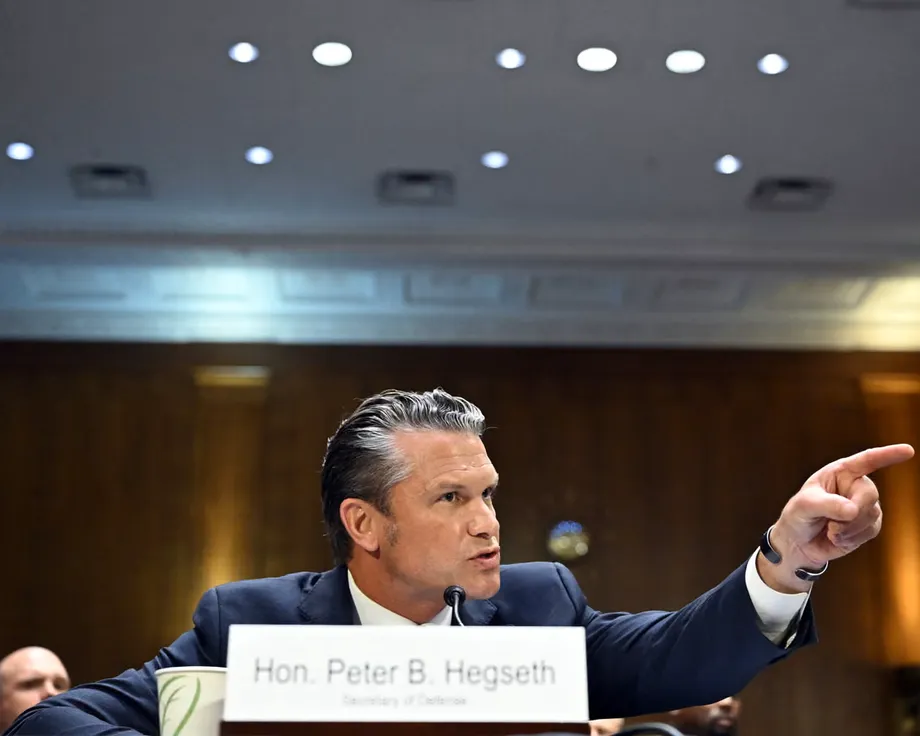
Pakistan Foreign Ministry spokesman Sajjad Haider Khan raised a broader concern at an October 23 press conference. Citing UN monitoring and US assessments, he said more than 20 terrorist groups were based in Afghanistan and operating without effective control. He named China, Uzbekistan and Iran among the countries threatened by those groups.
The TTP and BLA are different groups
The TTP, commonly called the Pakistani Taliban, is separate from Afghanistan's ruling Taliban, although the two are closely allied. Pakistan accuses TTP leaders and fighters of using shelter in Afghanistan to organise attacks inside Pakistan.
The BLA is a separatist militant group operating in Pakistan's southwestern Balochistan province. Its inclusion in Islamabad's demand extends the dispute beyond the TTP to violence affecting another large part of Pakistan's western border region.
Pakistani officials have also raised concerns about al-Qaeda, al-Qaeda in the Indian Subcontinent, the East Turkestan Islamic Movement and Islamic State-Khorasan. Islamabad says militant shelters, training facilities, access to sophisticated weapons and routes across the border form part of the threat it wants Kabul to address.
Pakistan says violence has risen particularly in Khyber Pakhtunkhwa and Balochistan since the Afghan Taliban returned to power in August 2021. Pakistani authorities are conducting multiple operations against militants near the Afghan border.
Kabul rejects responsibility and points back at Pakistan
Mujahid said on October 23 that insecurity in Pakistan would also hurt Afghanistan economically, socially and in humanitarian terms. His argument was that Afghanistan would suffer from instability next door rather than benefit from it.
The Taliban spokesperson accused Pakistan's military establishment and security agencies of using Afghanistan to deflect public anger:
Unfortunately, whenever Pakistan's military establishment and other security agencies fail to maintain security within their own country, they shift the blame for such incidents onto Afghanistan in an attempt to mislead their own people.
Afghan authorities have also accused fighters of crossing in the opposite direction. They said their forces killed 28 fighters and captured 32 in September, including alleged Islamic State members who had entered from Pakistan; other figures attributed to Afghan authorities put the toll at 58 killed and either 23 or 28 captured.
The conflicting totals leave the scale of that operation uncertain. Kabul's accusation nevertheless shows that both governments are presenting militant movement across the frontier as a security threat coming from the other side.
The human toll and conflicting attack totals
Pakistani authorities put the number of people killed by terrorism they attributed to Afghan territory at 1,327 during 2026, with 2,484 injured. Those figures describe the casualties Islamabad links specifically to attacks originating across the border.
For militant violence across Pakistan since January, figures attributed to Pakistani authorities include more than 2,800 attacks and 3,000 deaths, alongside a substantially lower tally of more than 2,600 attacks and about 1,300 deaths. The competing national totals cannot be reconciled from the information released with the statements.
Khan separately said more than 1,300 Pakistani citizens had been killed in attacks across the border over the preceding year. That period differs from the calendar year figures, so the numbers cover different spans of time.
Pakistan also recorded its highest monthly number of militant attacks in 12 years in September 2026. The pressure on the government therefore extends beyond the latest exchange of statements: security forces are carrying out operations while communities in the northwest and Balochistan face repeated violence.
A second dispute over alleged Afghan recruitment
Former US special representative for Afghanistan Zalmay Khalilzad added another accusation on October 23. In a post on X, he cited claims that Pakistan was arming Afghans to fight the Taliban inside Afghanistan and recruiting Afghan nationals to fight insurgents targeting Pakistan.
Khalilzad offered no evidence and did not identify the sources behind those claims. Pakistan's information ministry rejected both allegations the following day and described them as baseless and misleading.
The ministry said its counterterrorism operations targeted militant organisations threatening Pakistani citizens. It accused Khalilzad of diverting attention from the Taliban government's responsibility to prevent attacks from Afghan territory.
Khalilzad played a central role in negotiating the February 2020 US-Taliban agreement that paved the way for the withdrawal of American and NATO forces. His latest intervention drew a separate Pakistani response alongside the statement directed at Kabul.
Pakistan also alleged that militant groups operating against it had Indian support. New Delhi denies supporting militant violence. That accusation adds a regional dimension to a dispute already involving competing Pakistani and Afghan claims about armed groups crossing their border.
How the dispute reached this point
Pakistan says it has pursued discussions with Taliban authorities through bilateral meetings and international forums since 2021. Khan cited the Moscow Format and meetings involving Qatar, Türkiye, Saudi Arabia and China, but said those efforts had failed to produce the action Islamabad sought.
The main developments span several years and a concentrated exchange in October:
- February 2020: The United States and Taliban reached an agreement following negotiations in which Khalilzad played a central role.
- August 2021: The Afghan Taliban returned to power. Pakistan says militant violence subsequently increased, especially in its western regions.
- 2025: The UN sanctions monitoring team issued report S/2025/796, later cited by Pakistan in support of its security concerns.
- January through March 2026: The US reporting period covered by the Operation Enduring Sentinel assessment cited by Pakistan.
- October 23, 2026: Mujahid rejected Pakistan's accusations, Khalilzad raised recruitment allegations, and Khan outlined conditions for further talks.
- October 24, 2026: Pakistan demanded verifiable action against militants and separately rejected Khalilzad's allegations.
Repeated border clashes and Pakistani airstrikes inside Afghanistan have made the disagreement more dangerous. Military action now accompanies diplomatic exchanges over which government is responsible for preventing attacks.
Talks and trade depend on security cooperation
Khan said further dialogue required the Taliban to acknowledge the presence of terrorist groups in Afghanistan and agree to a credible mechanism for preventing threats to neighbouring countries. In practical terms, Islamabad wants commitments backed by arrangements for checking whether armed groups are being contained.
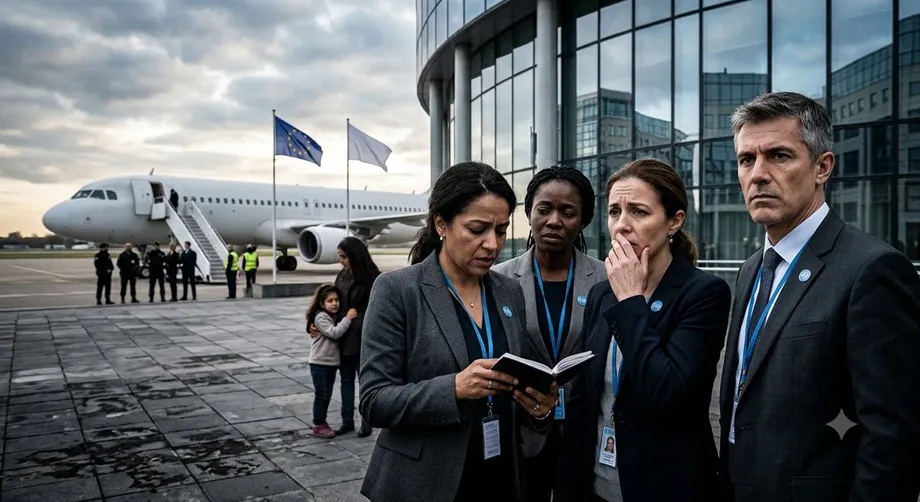
Russia's special presidential representative for Afghanistan, Zamir Kabulov, confirmed that the eighth Moscow Format meeting ended without a joint declaration because of disagreements between Pakistan and the Taliban. Khan said Pakistan valued Russia's regional security role, but no new Russian mediation proposal was on the table.
Pakistan has said it is prepared to reopen border crossings and resume trade if Taliban authorities cooperate in preventing armed groups from entering Pakistan. For traders and people whose livelihoods depend on goods moving between the countries, security cooperation is therefore tied directly to access to the border.
Islamabad said its measures targeted militant threats rather than the Afghan people and that it remained open to engagement based on mutual respect and verifiable commitments. No date was announced for new talks, a verification arrangement or the reopening of crossings.
Key Points
- Pakistan demanded action against the TTP, BLA and their affiliates operating from Afghan territory.
- Its information ministry cited a US assessment estimating TTP strength at 4,000 to 6,000 fighters.
- The Taliban rejected responsibility for insecurity in Pakistan and accused Islamabad of shifting blame.
- Pakistan separately denied Khalilzad's allegations that it armed or recruited Afghan fighters.
- Casualty and attack totals attributed to authorities contain substantial unresolved discrepancies.
- Pakistan linked further talks and the resumption of border trade to concrete security cooperation.