Warning follows Brussels talks with Taliban representatives
United Nations human rights experts have urged European Union governments to stop forcibly returning Afghans to places where they face serious harm, warning that deportation arrangements with the Taliban must respect international protections against persecution, torture and other grave abuses.
Contents
The warning follows the European Commission's hosting of a Taliban delegation in Brussels in June 2026 for discussions about returning Afghan nationals. The Commission described the meeting as technical, while the delegation's leader called the visit historic. The experts said engagement without firm human rights conditions could help normalize Taliban rule while widespread abuses continue.
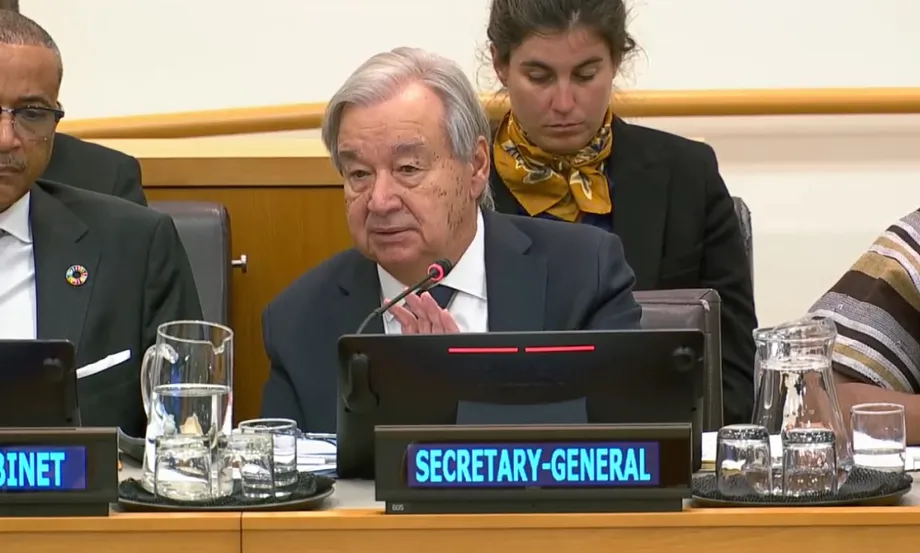
Richard Bennett, the UN special rapporteur on human rights in Afghanistan, joined other independent experts in calling for an assessment of the danger facing each person before any return. Their statement, issued on October 22, 2026, addressed both the treatment of Afghans facing deportation and the terms of European engagement with Taliban authorities.
The experts' central concern is concrete: people sent back may face punishment because of their identity, their previous work or their opposition to Taliban policies. Women and girls face widespread persecution, while former security personnel, journalists, rights defenders and minority groups are among those exposed to serious abuses.
Who faces danger in Afghanistan?
Women and girls were at the center of the experts' warning. The group described persecution that is widespread and organized, and said its scale could amount to crimes against humanity. That term refers to certain grave acts committed as part of a widespread or systematic attack against civilians.
The UN experts, including Bennett and members of the Working Group on discrimination against women and girls, described the situation in their joint statement:
The human rights situation in Afghanistan remains dire. Women and girls are suffering gender persecution on such a widespread and systematic scale that they may amount to crimes against humanity," the experts said.
"There are serious violations, including torture and extrajudicial killings against other groups such as ethnic and religious minorities, human rights defenders, journalists, lesbian, gay, bisexual, trans and other gender-diverse individuals, former personnel of the Afghan National Security and Defence Forces and certain public servants.
Their concerns also cover ethnic and religious minorities, human rights defenders, journalists, lesbian, gay, bisexual, transgender and other gender diverse people, former Afghan security personnel and some former government employees. They cited reports of torture, killings carried out without lawful judicial process and other serious violations affecting these groups.
A person's work history can therefore be central to a return decision. Former service in the Afghan National Security and Defence Forces, a record of defending human rights or work as a journalist may create dangers that an immigration authority must examine. The assessment must consider the individual's circumstances alongside conditions in Afghanistan.
What protection against return requires
European governments are bound by the principle of non-refoulement. In simple terms, it prohibits sending someone to a country where they face a real risk of persecution or specified forms of serious harm.
The experts identified risks including arbitrary loss of life, torture or other cruel treatment, enforced disappearance, arbitrary detention and a flagrant denial of justice. Enforced disappearance means that someone is detained or taken away and the authorities conceal their fate or whereabouts. Arbitrary detention means imprisonment without a proper legal basis or the protections the law requires.
Four treaties underpin the obligations highlighted by the experts: the Convention against Torture, the International Covenant on Civil and Political Rights, the Refugee Convention and the European Convention on Human Rights. These agreements provide protections relevant to decisions about sending people across borders.
European efforts to arrange returns have focused on Afghans whose asylum applications have been rejected, whose immigration status is irregular or who are considered security risks. The experts' warning places the danger awaiting each person at the center of those decisions. A government's reason for seeking removal must be considered alongside its binding obligations concerning return to serious harm.
Each person needs an individual assessment
Immigration authorities must examine each person's circumstances before carrying out a return, the experts said. That requires attention to who the person is, what they have done and why they might be targeted after arriving in Afghanistan.
The UN experts set out the procedural requirement in their statement:
States must ensure individualised assessments of risk prior to return," the experts said. "Involuntary returns require due process. Diplomatic assurances from a destination State do not release States from their international obligations and should not be used as a loophole to undermine non-refoulement.
The group also said involuntary returns require due process. This means using lawful procedures that give people a meaningful opportunity to have their circumstances considered before the government acts. For someone facing removal, the process can determine whether a history of threats, persecution or government service is examined in time.
Diplomatic assurances are another concern. A receiving authority may promise that a returned person will be treated safely. The experts said such promises do not release European governments from their international responsibilities or provide a way around the prohibition on returning people to danger.
The responsibility therefore remains with the government carrying out the removal. Arranging a flight or securing cooperation from authorities in Afghanistan must be accompanied by a lawful decision about the risks facing the person being returned.
Why the Brussels visit matters
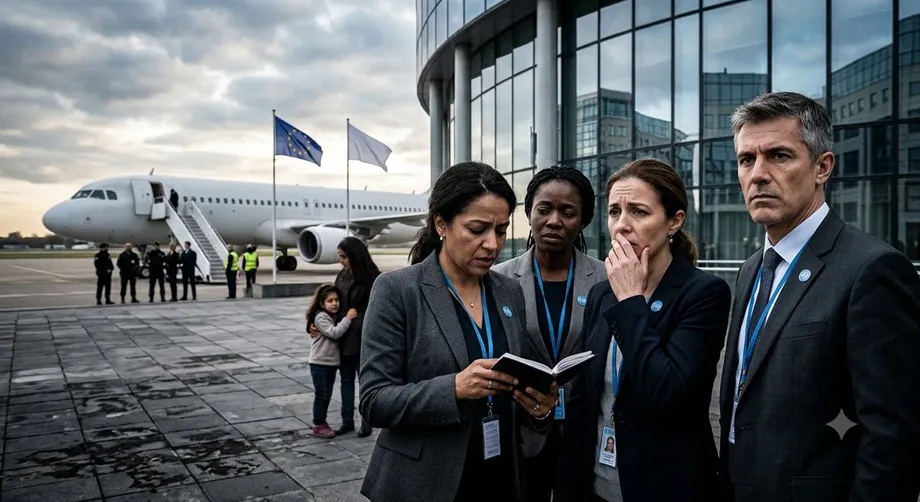
The June 2026 visit was the first official visit by a Taliban delegation to Brussels. Its purpose was linked to European efforts to organize returns, placing practical migration discussions alongside the broader question of how European institutions deal with Taliban authorities.
The Commission's description of the meeting as technical focused on its practical purpose. The delegation leader's description of it as historic presented the visit as a major political event. Those different descriptions help explain the experts' concern that cooperation over deportations can also bring greater acceptance for the Taliban.
The experts' joint statement attributed the description "technical" to the Commission's spokesperson and "historic" to the Taliban delegation leader.
Some European countries have increased technical contacts with Taliban authorities to arrange returns. The experts also expressed concern that some EU member states have accepted Taliban consular officials on their territory while continuing deportation discussions. Consular officials handle matters involving a country's nationals, including documents and administrative services.
The experts warned that European engagement needs clear conditions requiring improvements in human rights. Their concern extends beyond the meetings themselves to what Taliban authorities gain from them while restrictions and abuses remain in place.
The UN group explained its concern in the joint statement:
We remain concerned that such engagement, without clear redlines on the need for improvements in respect for human rights, leads to the normalisation of gross human rights violations by the Taliban, including gender persecution," the experts said. "And yet, some European Member States continue such 'technical discussions' to facilitate and prepare deportation and have accepted Taliban consular officials on their territories.
Girls' education is a concrete test
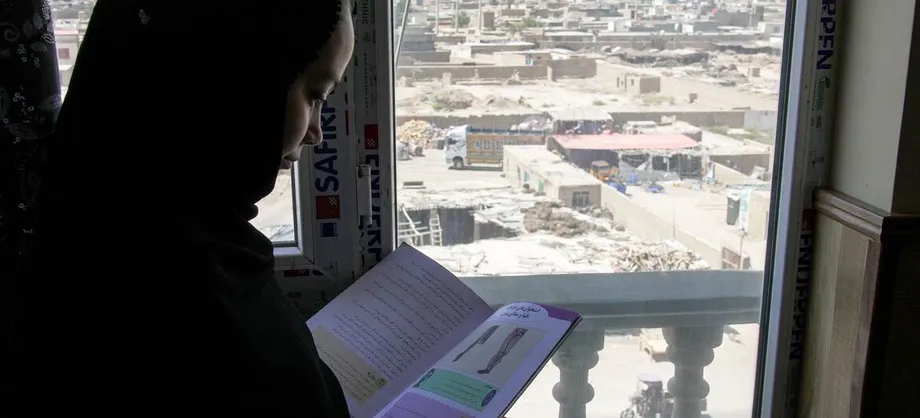
The experts identified a specific change European governments should demand: lifting the ban on education for girls and women beyond sixth grade. Their call connects diplomatic engagement to a measure that directly affects daily life in Afghanistan.
For girls excluded from classrooms after that point, changing the policy would mean the opportunity to continue their education. For European governments, it provides a concrete condition against which to judge whether relations with Taliban authorities are accompanied by improvements in rights.
The experts stated their position on normalization and education together:
There must be no normalisation or legitimation of the Taliban unless there are concrete improvements on human rights, including the lifting of the ban on the education of girls and women over sixth grade.
The group also urged EU member states to increase pressure for improvements in Afghanistan's human rights situation. Their demand links the protection of Afghans already in Europe with the treatment of people living under Taliban rule.
"We urge EU Member States to enhance advocacy aimed at improving the human rights situation in Afghanistan," they said.
Formal warnings and responses still awaited
Bennett said in a post on X that he had joined other UN mandate holders in urging the EU and other countries not to return Afghans to places where they face danger. He also said he was awaiting responses to formal communications sent to the EU and several countries. No deadline for those responses or next meeting date was given.
The October 22 joint statement confirmed that the experts had formally contacted the European Union and the governments of several EU member states regarding the matter.
The experts involved include Cecilia M. Bailliet, the independent expert on human rights and international solidarity; Gehad Madi, the special rapporteur on the human rights of migrants; and Ben Saul, the special rapporteur on human rights while countering terrorism. Members of the UN Working Group on discrimination against women and girls also participated.
The participating Working Group members were Ivana Krstić, its chair; Haina Lu, its vice-chair; Dorothy Estrada-Tanck; Claudia Flores; and Laura Nyirinkindi.
The main developments span the Brussels talks, the public warning and the formal exchanges with governments:
- June 2026: The European Commission hosted the first official Taliban delegation visit to Brussels for discussions about returning Afghan nationals.
- October 22, 2026: UN experts issued their warning about deportations, individual risk assessments and European engagement with Taliban authorities.
- After the warning: Bennett said responses to formal communications sent to the EU and several countries were still awaited.
For Afghans facing removal, the immediate issue is whether authorities fully assess the danger before a return takes place. For European governments, the experts' demands concern both the legality of individual deportations and the human rights conditions attached to cooperation with the Taliban.
Key Points
- UN experts urged EU governments not to return Afghans to places where they face persecution or other serious harm.
- Every person must receive an individual risk assessment, with due process before an involuntary return.
- The experts cited grave risks for women and girls, minorities, journalists, rights defenders and some former security and government personnel.
- Diplomatic assurances do not remove the returning government's international legal responsibilities.
- The experts called for concrete human rights improvements, including access to education beyond sixth grade, before normalizing Taliban relations.
- Bennett said responses to formal communications sent to the EU and several countries were still awaited.