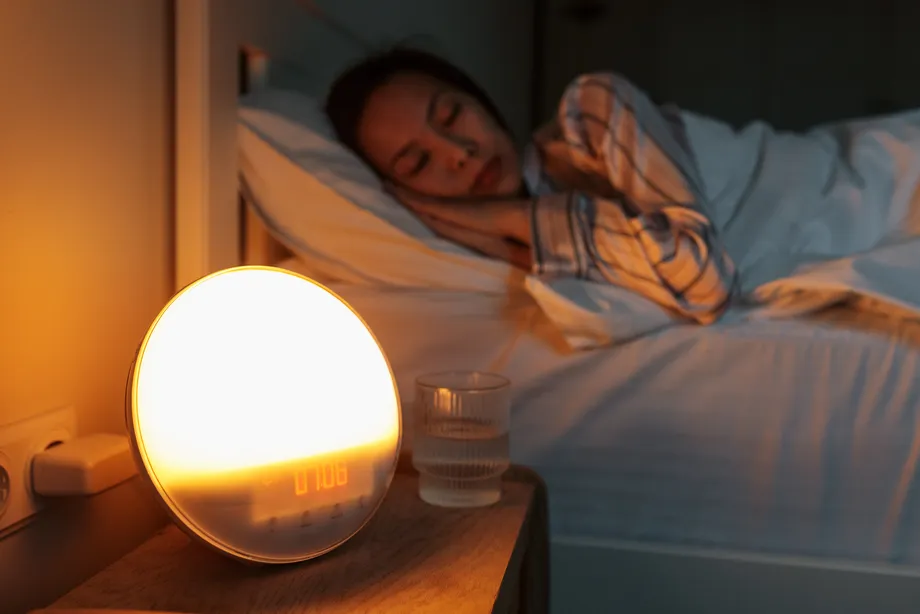
A sleep and mood pattern emerges in 2,604 people
University of Sydney researchers have identified a proposed form of depression linked to disrupted daily rhythms in 2,604 of 11,380 Australians studied. People who met the definition reported more severe illness, depression beginning earlier in life and less benefit from two commonly prescribed families of antidepressants.
Contents
- A sleep and mood pattern emerges in 2,604 people
- Who took part in the study?
- The six features researchers used
- Earlier onset and a more difficult illness
- What the genetic analysis found
- Common antidepressants received lower ratings
- Why light and melatonin are being considered
- What further testing needs to answer
- What patients can discuss with a clinician
- Key Points
The researchers call the pattern circadian depression, referring to the body's internal clock, which helps coordinate sleep, alertness, hormones and metabolism across roughly 24 hours. Their findings suggest that asking when people sleep, how they feel on waking and whether their mood changes with the seasons could help doctors understand differences between patients.
The central finding is an association between a cluster of reported symptoms, genetic characteristics and treatment experiences. Whether disrupted rhythms drive depression, depression disrupts those rhythms, or both processes reinforce each other remains unresolved.
The study appeared online in the British Journal of Psychiatry on October 20, 2026. The University of Sydney published its research announcement on October 21, identifying Dr Emiliana Tonini as first author and Dr Jacob Crouse and Professor Ian Hickie as co-senior authors.
Tonini, a researcher at the university's Brain and Mind Centre, explained why the team wants to distinguish different patterns within depression.
Depression is not a uniform illness and understanding the characteristics of different subtypes mean that we can give people earlier access to treatments that will be most effective for them.
Circadian depression remains a proposed subtype rather than a standalone diagnosis in the Diagnostic and Statistical Manual of Mental Disorders. Clinical trials and studies in broader populations are the next steps toward deciding how the proposal should influence care.
Who took part in the study?
The analysis used the nationwide Australian Genetics of Depression Study, drawing on questionnaires and DNA collected through saliva samples. The data were collected between 2016 and 2018, and the analysis included adults aged 18 to 90 with the information needed for genetic comparisons.
Participants mainly had severe depression that returned repeatedly. Only 4% reported a single depressive episode, while the median number of episodes was six. The group therefore represented people with a substantial history of illness rather than a broad sample of everyone experiencing depression.
Women made up 75% of participants, and the average age was 43.8. The genetic analysis was restricted to people of genetically inferred European ancestry. Studies involving other ancestry groups and people with milder illness will be needed to establish how widely the findings apply, including across Asian populations.
The 2,604 people meeting the proposed definition represented 23% of this particular cohort. The practical meaning is that roughly 23 out of every 100 participants shared the pattern, with the remaining 77 out of 100 falling outside the definition.
The six features researchers used
Researchers placed participants in the circadian group when they reported at least three of six features. These covered both sleep timing and changes in mood or behaviour:
- A seasonal pattern in mood, sleep or behaviour.
- A delayed sleep midpoint, meaning the halfway point between falling asleep and waking occurred unusually late.
- Social jet lag, a substantial difference in sleep timing between working days and free days.
- A strong preference for evenings rather than mornings.
- Sleeping much more than usual during a depressive episode.
- Feeling very tired shortly after waking.
Social jet lag can happen when a person's preferred sleep schedule clashes with work or other obligations. Someone may wake early for work but sleep and rise much later on free days, repeatedly shifting their routine.
The six features came from participants' answers. Researchers did not use wearable recordings or direct physiological measurements of internal clock timing, such as the timing of melatonin release. The threshold of three features was exploratory and will need further validation.
Earlier onset and a more difficult illness
Participants in the circadian group generally developed depression in their late teens, compared with about age 23 among other participants. They also reported more episodes, greater psychological distress and more suicidal thoughts.
The circadian group was younger at the time of the study, averaging about 37.9 years, and 80% were female, compared with 75% across the full cohort. Weight gain during depressive episodes was also more common.
Tonini described a more complicated course of illness, including hypomanic symptoms and experiences resembling psychosis. Hypomania involves a period of unusually elevated mood or energy, while psychotic symptoms can involve changes in perception or beliefs. Such experiences make a full psychiatric assessment especially relevant when reviewing someone's depression and sleep history.
Seasonal changes were present in about 41% of the circadian group. The proposed definition therefore reaches beyond depression that follows a seasonal pattern: participants could qualify through other combinations of features.
There was also overlap with atypical depression, a pattern that can include excessive sleep and increased appetite or weight. About 1,400 participants met criteria for atypical depression while falling outside the circadian group, illustrating that the two groupings capture different combinations of symptoms.
What the genetic analysis found
Researchers compared polygenic risk scores between the groups. These scores combine the small contributions of many genetic variations to estimate inherited susceptibility to a condition or trait.
Participants in the circadian group had higher genetic susceptibility to attention deficit hyperactivity disorder, depression, anxiety and bipolar disorder. They also showed genetic associations with evening preference, later sleep timing and insomnia.
Physical health associations included higher body mass index, triglycerides, insulin resistance and interleukin-6, a molecule involved in inflammation. Triglycerides are fats in the blood, while insulin resistance means the body responds less effectively to the hormone that helps control blood sugar.
The university also highlighted genetic risks related to cardiovascular health. Together, the findings point toward connections between mood, daily timing and the systems that manage energy and inflammation.
The associations were generally modest. For example, the reported odds ratio for the ADHD genetic score was 1.11 and for later sleep midpoint was 1.15, with 1 representing no association in the comparison. Researchers hope that combining genetic information with clinical observations will eventually help describe patients' needs more precisely.
Common antidepressants received lower ratings
Participants rated their past experiences with 10 commonly prescribed antidepressants, including how well the medicines worked and what side effects they experienced. The circadian group reported less benefit from selective serotonin reuptake inhibitors, or SSRIs, and serotonin and norepinephrine reuptake inhibitors, or SNRIs.
Both drug families act on chemical messengers used by nerve cells. They are common initial treatments for depression. The association with lower reported effectiveness had an odds ratio of 0.88 for SSRIs and 0.89 for SNRIs, meaning somewhat lower odds of a higher effectiveness rating.
No statistically significant difference was reported for mirtazapine or amitriptyline. Participants in the circadian group also reported a broader range of side effects, including drowsiness, nausea, anxiety and weight gain.
The treatment findings came from participants' recollections and ratings. A trial assigning treatments and measuring outcomes over time would provide a stronger basis for choosing between medicines for this proposed subgroup.
Dr Ruth Benca, a psychiatrist and sleep researcher at Wake Forest University School of Medicine who was not involved in the study, identified another possible contributor to poorer treatment response.
People with more pronounced circadian disturbances often have more severe illness and other psychiatric conditions, which can contribute to treatment resistance.
Why light and melatonin are being considered
Crouse and colleagues propose testing treatments that act on daily rhythms, including light therapy, melatonin and antidepressants that target melatonin pathways. Melatonin is a hormone involved in signalling biological night, and its timing helps coordinate sleep with the body's internal schedule.
Morning daylight is a strong timing signal for the body clock. Hickie argues that artificial light during hours that would historically have been dark may contribute to disrupted rhythms, alongside irregular patterns of sleep, eating and activity.
The university announcement describes circadian treatments as promising options for this presentation. The study itself assessed questionnaires, genetics and past antidepressant experiences; benefits from light therapy, melatonin and behavioural treatment in this specifically defined group await clinical testing.
Dr Jennifer L. Kruse, an associate professor of psychiatry at UCLA Health who was not involved in the research, drew attention to the different evidence bases for the proposed treatments.
There is meaningful evidence that bright-light therapy can improve depression. Its role is best established in seasonal depression, but evidence also supports benefit in nonseasonal depressive disorders.
Kruse said evidence for melatonin improving depressive symptoms was less established. Researchers have also pointed to earlier work with agomelatine, an antidepressant that acts on melatonin pathways, which found improvements in sleep and depressive symptoms.
What further testing needs to answer
Independent researchers welcomed the effort to connect symptoms with biology while calling for more work on the definition. Professor Colleen Loo, a clinical psychiatrist and researcher at the University of New South Wales, described the study as a useful contribution to understanding depression.
Professor Andrew Coogan, a behavioural neuroscientist at Maynooth University, questioned the detail behind the selection of features and the threshold used to define the group. Brant Hasler, a psychologist and sleep researcher at the University of Pittsburgh, noted that reported sleep habits correlate only modestly with direct measures of circadian timing.
Professor Jayashri Kulkarni, director of the Monash Alfred Psychiatry Research Centre, also highlighted hormonal changes during menopause as a factor affecting sleep that the analysis had not accounted for.
The research programme spans several stages:
- 2016 to 2018: Participants contributed data to the Australian Genetics of Depression Study.
- 2021: The circadian depression subtype was first conceptualized.
- October 20, 2026: The clinical and genetic analysis appeared online in the British Journal of Psychiatry.
- October 21, 2026: The University of Sydney announced the findings.
- Next stage: Clinical trials will examine whether treatments targeting daily rhythms improve mood and related symptoms.
The recruiting MELODY trial plans to study 660 people aged 18 to 30 over 12 weeks, examining melatonin and cognitive behavioural therapy. Recruitment uses broader criteria than the six features in this analysis, so further work will still be needed to test how well this particular subtype predicts treatment response.
What patients can discuss with a clinician
People whose mood seems closely tied to sleep timing can bring a sleep diary or activity record to an appointment. Useful details include bedtime, waking time, differences between working days and free days, morning tiredness and changes across seasons.
Hickie's proposed behavioural strategies include consistent waking times around sunrise, outdoor activity in the morning and around midday, and regular meal and exercise schedules. He also advises avoiding large meals, exercise and bright light after dark. These approaches are being considered as parts of treatment tailored to individual needs.
A clinician also needs to know about periods of unusually high energy or elevated mood, particularly when depression began young. Kruse highlighted the importance of considering bipolar disorder and the person's full mood history when planning treatment.
Crouse, a co-senior author at the Brain and Mind Centre, advised patients who are struggling with their medication to seek individual guidance.
For those who find that antidepressants are not working for them, it is important to speak to your clinician for advice about your individual circumstances.
The university disclosed that Hickie previously conducted research on agomelatine funded by Servier Pharmaceuticals and holds a 0.36% equity interest in Innowell, a company developing digital mental health services. The Australian Genetics of Depression Study was primarily supported by Australia's National Health and Medical Research Council, with additional research funding and philanthropic support.
Key Points
- Researchers identified the proposed circadian depression pattern in 2,604 of 11,380 participants, or 23%.
- The definition required at least three of six reported features involving sleep timing, morning fatigue, excessive sleep and seasonal changes.
- Participants meeting the definition reported earlier depression onset, more severe illness and less benefit from SSRIs and SNRIs.
- The analysis linked the pattern with genetic susceptibility involving mood, sleep, metabolism and inflammation.
- Clinical trials and validation in more diverse populations are needed to guide treatment decisions.
- Patients can discuss sleep and mood patterns with a clinician before making changes to treatment.