Income and essential prices at the centre of national plan
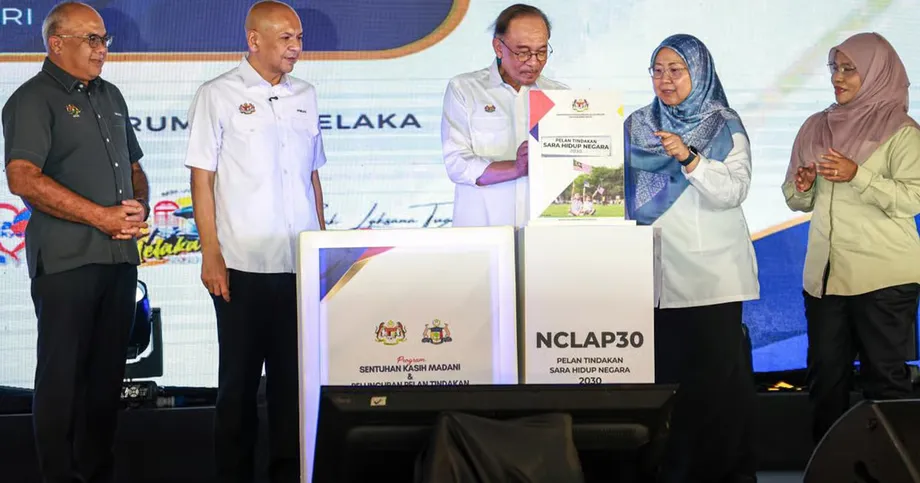
Malaysia has launched a national cost of living plan containing 429 measures under 35 strategies, combining efforts to raise household incomes with steps to stabilise the prices of essential goods and services. Prime Minister Anwar Ibrahim unveiled the National Cost of Living Action Plan 2030 (NCLAP30) on October 24, 2026, in Krubong, Melaka.
Contents
- Income and essential prices at the centre of national plan
- Anwar asks whether growth reaches households
- Wage measures show the income side of the plan
- Eight clusters cover more than shopping bills
- NACCOL takes on broader implementation monitoring
- Rahmah sales provide an existing example
- From salary changes to the 2030 framework
- Key Points
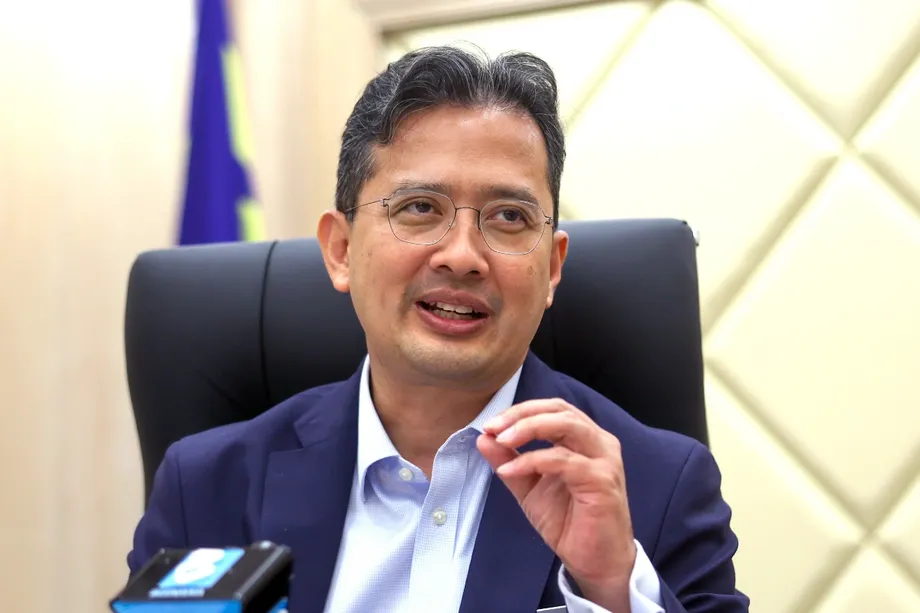
The five-year framework also gives the National Cost of Living Action Council (NACCOL) a broader role in tracking implementation across ministries and government agencies. Domestic Trade and Cost of Living Minister Armizan Mohd Ali said the aim was to make delivery more orderly, direct assistance where it is needed and avoid duplication.
The launch took place at the Hang Jebat Sports Complex, with Anwar addressing the Sentuhan MADANI programme at the stadium grounds. Deputy Domestic Trade and Cost of Living Minister Fuziah Salleh also attended.
NCLAP30 brings together eight areas of household spending and income: income, food, health, education, transport, housing, utilities and general matters. It combines existing programmes, improvements to those programmes and new measures, including initiatives involving government spending commitments.
For families, the plan addresses two sides of the same budget: how much money comes in and how much must go out. Higher earnings give households more room to pay bills, while more stable essential prices make those bills easier to manage. Armizan said both priorities would guide implementation.
Anwar asks whether growth reaches households
Anwar told the Domestic Trade and Cost of Living Ministry, known as KPDN, to ensure that positive economic performance produces practical solutions to people's financial pressures. His message placed household living conditions alongside national economic results as a measure of progress.
The prime minister described that responsibility during his launch speech:
We are proud when the economy surges, but we must also consider whether that economic growth can solve the people's problems,
Anwar said the government could take pride in an improving economy while still paying attention to people's needs and financial burdens. His instruction to KPDN was to connect those national gains with daily life, particularly the cost of essential purchases.
NCLAP30 is aligned with Malaysia MADANI, the MADANI Economic Framework and the 13th Malaysia Plan. Armizan presented it as a common framework for ministries and agencies whose decisions affect different parts of a household budget.
Wage measures show the income side of the plan
Armizan pointed to public service salary adjustments and increases in the minimum wage as examples of the government's approach to raising incomes. He said wages and salaries had not moved in step with inflation, the rise in prices that reduces how much a given amount of money can buy.
The first phase of salary adjustments under the Public Service Remuneration System, known as SSPA, began in December 2024. Armizan put the additional fiscal implications at RM18 billion. In simple terms, that is an additional financial commitment for the government associated with the salary changes.
The minimum wage increased from RM1,500 to RM1,700, a rise of RM200, or about 13.3%. Armizan also cited a targeted review towards RM2,000 for 2027 announced in Budget 2027. That would be a further RM300 above RM1,700, or about 17.6%.
The proposed targeted RM2,000 level belongs to the next stage of the policy timetable. Details of the workers covered and its implementation were not set out at the launch, which also gave no total budget or individual delivery dates for all 429 measures.
These wage examples help explain why NCLAP30 goes beyond prices. A household's ability to afford food, transport or housing depends on the relationship between its earnings and its expenses. The framework seeks to address both together.
Eight clusters cover more than shopping bills
The plan's eight strategic clusters extend its scope beyond the price of groceries. Health, education, transport, housing and utilities sit alongside food and income, bringing several major household needs into the same national framework.
The clusters organise the work into these areas:
- Income, covering the money people have available to meet living costs.
- Food, covering a central part of everyday household spending.
- Health and education, bringing those essential needs into the plan.
- Transport and housing, covering major costs associated with travel and having a home.
- Utilities, covering essential household services.
- General matters, the eighth category identified in the framework.
Armizan said the measures would continue and improve initiatives already operating while adding new programmes. Some of the framework therefore concerns delivery of existing commitments, alongside the introduction of further action.
The structure gives ministries a common set of priorities rather than leaving cost of living work within a single department. For a family paying for food, school needs, travel and housing from the same income, those policy areas meet in one household budget.
NACCOL takes on broader implementation monitoring
NACCOL's expanded oversight is a central administrative change. Armizan said the council previously concentrated on examining new initiatives and considering cost of living issues. Its responsibilities now also include comprehensive monitoring of measures across ministries and agencies, with KPDN serving as secretariat.
The Malaysian government's NACCOL role description identifies the council as the main national platform for coordinating cost of living policies, initiatives and integrated action. It says the council was established under KPDN.
The government page lists four responsibilities: developing policies and action plans, identifying cost of living challenges, coordinating programmes across ministries and agencies, and monitoring effective implementation within each cluster. NCLAP30 gives that coordinating and monitoring work a defined collection of 429 measures to follow.
Armizan explained the purpose of the broader mandate:
The aim is to ensure that all 429 cost-of-living measures are implemented as effectively as possible, in an orderly and targeted manner, without duplication, to achieve optimal outcomes,
He said the decision to strengthen NACCOL's role was made at a council meeting chaired by Anwar on September 29 and brought to Cabinet. The change places responsibility for following delivery alongside the council's work on developing and considering policy.
Rahmah sales provide an existing example
Anwar highlighted the MADANI Rahmah Sales Programme, known as PJRM, as an example of KPDN's direct work to ease household spending pressures. The programme regularly offers goods at lower prices in urban, rural and remote areas.
The prime minister praised its reach into villages and districts as well as towns. His remarks connected the national framework to an existing service through which people can purchase essential goods for less.
PJRM also illustrates the price side of NCLAP30's two missions. Wage measures aim to put more money into people's budgets; lower prices through sales programmes reduce what households pay for the purchases covered. Both approaches fit within the plan's stated priorities.
Armizan said businesses, nongovernmental organisations and the public would take part in implementation. Cooperation outside government is therefore part of the framework, alongside coordination between ministries and agencies.
From salary changes to the 2030 framework
The launch brings earlier income measures, a recent governance decision and a proposed wage review into one policy sequence. The main dates identified by Armizan and at the launch are:
- December 2024: The first phase of public service salary adjustments under SSPA began.
- September 29, 2026: A NACCOL meeting chaired by Anwar decided to strengthen the council's implementation monitoring role.
- October 24, 2026: Anwar launched NCLAP30 in Krubong, Melaka.
- 2027: The year identified for the targeted minimum wage review towards RM2,000 announced in Budget 2027.
- 2030: The endpoint named in the national action plan.
Armizan said NCLAP30 was designed to remain adaptable to domestic challenges and uncertainty in global politics and economic relations. That flexibility allows the framework to be adjusted as conditions change during its five-year span.
The central delivery task is now to turn its strategies into action across the eight clusters. NACCOL's monitoring role connects the national list of measures with the ministries and agencies responsible for carrying them out, while KPDN provides the secretariat.
Key Points
- Anwar Ibrahim launched NCLAP30 on October 24, 2026, in Krubong, Melaka.
- The five-year framework contains 429 measures under 35 strategies across eight clusters.
- Its two priorities are raising incomes and stabilising essential goods and services prices.
- NACCOL will monitor implementation across ministries and agencies, with KPDN as secretariat.
- Armizan cited public service salary adjustments, the RM1,700 minimum wage and a targeted review towards RM2,000 for 2027.
- The plan combines existing programmes, improvements and new measures, with participation from businesses, nongovernmental organisations and the public.