Safety Checks Expose Gaps at Seoul's Specialist TB Hospital
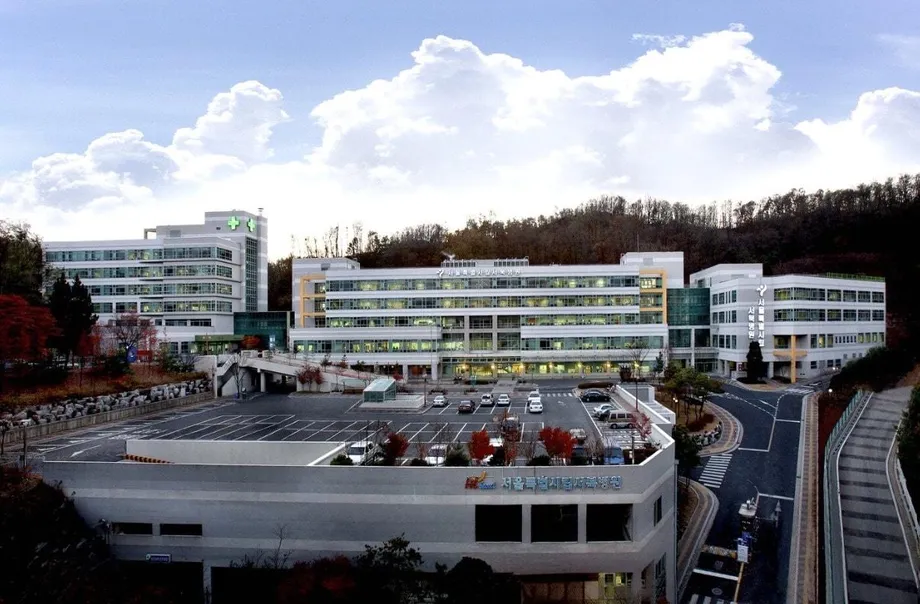
Seoul Metropolitan Seobuk Hospital, the only specialist tuberculosis hospital in South Korea's capital region, recorded inadequate negative pressure in 60.51 percent of sampled isolation room measurements, a city audit found. In 2.88 percent of measurements, pressure was positive, creating a risk that contaminated air could move out of rooms intended to contain it.
Contents
- Safety Checks Expose Gaps at Seoul's Specialist TB Hospital
- What the City Examined
- Why the Direction of Air Matters
- Daily Logs Failed to Capture Problems
- Fire Protection Failures Across Doors and Shutters
- A Registered Radiologist Was Not Working There
- Medical Waste Exceeded Storage Limits
- What the Hospital Says Will Change
- Key Points
Seoul's Audit Committee examined January pressure records from 2024, 2025 and 2026. Despite the failures in those measurements, monitoring logs covering January 2024 through March 2026 described the equipment as operating normally every day, apart from a recorded problem lasting 20 days in one room.
The findings extend beyond ventilation. Auditors identified missing or defective fire doors and shutters, an externally registered radiologist who did not actually work at the hospital, and medical waste kept as much as 67 days beyond its legal storage limit.
The hospital treats people with ordinary tuberculosis and multidrug resistant tuberculosis, a form of the disease that resists several medicines used to treat it. Its isolation rooms are intended to reduce the chance of infection spreading while patients receive care.
Hospital officials said patients had experienced no problems because of the incomplete maintenance of negative pressure. They also described separate ventilation for the tuberculosis ward and individual exhaust arrangements for each room. The audit nevertheless called for a complete inspection and repair of the negative pressure equipment, alongside action over failures in its management.
What the City Examined
The Seoul Metropolitan Government's hospital safety audit covered the Citizens' Health Bureau, Seobuk Hospital and Seoul Metropolitan Eunpyeong Hospital. The inspection ran from March 11 to April 7, 2026, and reviewed work undertaken since January 2024.
A team of five, including the head of Safety Audit Team 4, carried out six days of preliminary auditing and 14 days of the main audit. Its priorities were medical safety, fire prevention, maintenance of buildings and ventilation equipment, and the management of a safe healthcare environment.
Seoul described the exercise as a way to prevent accidents and support dependable public medical services amid concern about the spread of infectious diseases. At Seobuk Hospital, the findings reached across several parts of that responsibility, from the air around patients to the barriers intended to contain a fire.
The key dates show how the review connected earlier staffing and maintenance decisions with conditions found in 2026:
- January 2024: The period of hospital work covered by the audit began.
- December 2024: Seobuk Hospital's radiologist left, after which an external specialist was registered.
- January 2024, January 2025 and January 2026: Pressure measurements from these months formed the audit sample.
- March 2026: The monitoring logs reviewed by auditors reached their final month.
- March 11 to April 7, 2026: The city conducted its hospital safety audit.
- 2027: The hospital director said funding would be sought for defective fire doors and missing fire protection facilities.
Why the Direction of Air Matters
Negative pressure means that air pressure inside an isolation room is lower than outside it. Air therefore tends to move into the room rather than escape from it. This helps contain airborne material around a patient instead of allowing it to travel into nearby spaces.
Tuberculosis can spread through the air, making ventilation a practical part of protecting other patients, staff and visitors. Seobuk Hospital operates isolation rooms with anterooms, small spaces between the patient room and surrounding areas, as well as negative pressure equipment.
Positive pressure reverses the intended direction of airflow. If pressure inside a room becomes higher than outside, air can be pushed outward. Auditors found positive pressure in 2.88 percent of the sampled measurements, alongside the broader finding that 60.51 percent fell short of the required negative pressure standard.
Expressed simply, roughly 61 out of every 100 sampled readings failed to meet the standard, while about three out of every 100 showed pressure in the opposite direction from that intended. The percentages describe measurements taken during the sampled January periods; the audit's monitoring review extended across the longer period through March 2026.
Daily Logs Failed to Capture Problems
Auditors found air moving through gaps around windows in some rooms and openings exceeding one centimetre beneath some doors. They concluded that poor airtightness prevented the rooms from maintaining appropriate negative pressure, yet tuberculosis patients continued receiving inpatient treatment without the necessary repairs.
Pressure control depends on the room itself as well as the ventilation machinery. Uncontrolled openings make it harder to maintain the intended pressure difference. At Seobuk Hospital, the physical defects were accompanied by weaknesses in how staff checked and recorded the system's performance.
Staff responsible for monitoring in the tuberculosis ward's nursing station did not know the required negative pressure standard, the audit found. Some checked only whether positive pressure had occurred. A room can fall short of the required negative pressure level even while its pressure remains below that outside, so checking only for a reversal misses other failures.
Lee Chang-gyu, the hospital's director, suggested that staff rotation may have contributed to insufficient training. The committee instructed him to have the entire negative pressure system inspected and repaired, and to issue cautions to those responsible for inadequate management.
Fire Protection Failures Across Doors and Shutters
Seobuk Hospital had 72 fire door locations under review. Nine doors had been removed or were never installed. The remaining 63 had defects including warping and excessive gaps.
The findings covered every fire door location examined: 12.5 percent had no door, while defects were identified in the other 87.5 percent. Fire doors are intended to help separate parts of a building so flames and smoke cannot spread freely between them.
Auditors also reviewed 14 fire shutters. Two had been removed, and the remaining 12 showed problems such as failure to close properly or abnormal mechanical noise. Like fire doors, shutters must be able to close as intended to form a protective barrier.
The Audit Committee warned that these conditions could prevent the hospital from effectively blocking the spread of flames and smoke during a fire. For patients receiving inpatient care, the condition of those barriers matters because a fire can require staff to protect or move people while also maintaining medical treatment.
Lee said the hospital planned to include 80 million won in the following year's budget to repair defective fire doors. Missing facilities would be addressed through a supplementary budget the following year. Based on the audit's 2026 timetable, both plans refer to 2027; no exact completion date was given.
A Registered Radiologist Was Not Working There
The hospital's radiologist left in December 2024. Seobuk then registered an external radiologist, but the audit found that the specialist did not actually attend the hospital to work.
Hospital employees instead carried out checks on the quality of images produced by its computed tomography scanner, commonly called a CT scanner. CT equipment uses X-rays to create detailed pictures of the inside of the body, and image quality checks help ensure those pictures are suitable for medical use.
The problem identified by auditors concerned who performed that quality control work. The person registered as the specialist was absent, while staff at the hospital handled the checks in the specialist's place.
In its response recorded in the audit, the hospital said it had hired a radiologist on a temporary contract and replaced the previously registered specialist. This was one corrective step the hospital described as completed, alongside other measures it said it would undertake.
Medical Waste Exceeded Storage Limits
Seobuk Hospital's medical waste storage facility was routinely left open, allowing access without the required restrictions. Auditors also found some waste stored for as much as 67 days beyond the legally permitted period.
Medical waste requires controlled storage because it can include material associated with patient treatment and infection risks. Restricting entry keeps people away from waste they are not responsible for handling, while storage deadlines require timely removal.
The hospital said it would tighten management and supervision of medical waste and provide infection control training to workers employed by its contracted disposal company. That response extends responsibility beyond hospital employees to the people who collect and handle waste on its behalf.
What the Hospital Says Will Change
Hospital officials said the tuberculosis ward's ventilation system is separate from those serving other wards and that each room has its own exhaust. They also said the failure to maintain negative pressure completely had caused no problems for patients.
Seoul's audit focused on whether the hospital's protective systems met their requirements and whether staff recognised and acted on failures. Its findings linked defective room seals, inadequate knowledge of pressure standards and monitoring logs that mostly recorded normal operation.
The hospital's response addresses several different tasks: inspecting and repairing pressure equipment, improving staff training, replacing deficient fire protection, restoring specialist oversight of CT quality checks, and tightening waste handling. Each concerns a separate part of day to day hospital safety.
Some action has already been described, including the radiologist's replacement. Fire protection work is tied to planned funding in 2027, while the Audit Committee has required a full inspection and repair of the negative pressure system. Patients and staff depend on those measures being carried through, with monitoring records that accurately show when equipment needs attention.
Key Points
- Seoul auditors found 60.51 percent of sampled isolation room pressure readings below standard and positive pressure in 2.88 percent.
- Monitoring logs mostly recorded normal operation from January 2024 through March 2026, despite the pressure failures.
- All 72 fire door locations and 14 fire shutter locations reviewed had missing equipment or defects.
- An externally registered radiologist did not work at the hospital; the hospital says a replacement has been hired.
- Some medical waste remained in storage up to 67 days beyond its legal limit.
- The hospital says patients experienced no problems and plans repairs, stronger supervision and additional training.