A national decline leaves children behind
Japan recorded 538 deaths by suicide among elementary, junior high and high school students in 2025, the highest number since student records began in 1980, even as the national total fell to a historic low of 19,188. The contrast is central to the government's 2026 suicide prevention white paper, approved by the Cabinet on October 23.
Contents
- A national decline leaves children behind
- What the final numbers show
- How the figures developed
- School, health and family pressures overlap
- The gap after emergency treatment
- What 20 years of policy have changed
- Schools turn devices into an early warning channel
- Why young people are turning to AI
- Support also needs places and people
- Where to seek help in Japan
- Key Points
The final figures, published jointly by the Ministry of Health, Labour and Welfare and the National Police Agency on March 27, 2026, show that deaths among school students increased by nine from 529 in 2024. Across the population, deaths fell by 1,132 from 20,320, a decline of about 5.6%. School student deaths rose by about 1.7%.
The agencies' 2025 suicide statistics put junior high school deaths at 172 and high school deaths at 356, both records. Ten elementary school pupils died, down from 15 in 2024. The broader student category, which includes university students, reached 1,082 deaths, up five for a second consecutive annual increase.
The white paper calls for sustained support through medical services and everyday life, particularly after self-harm or a suicide attempt. Its analysis of emergency care found that many patients received information, while far fewer were connected with continuing local support.
Japan's experience presents a concrete challenge: measures that have helped reduce deaths among many adults have not produced the same improvement for children and young people. Schools, hospitals and local services face the task of finding distress earlier and maintaining contact after an immediate crisis.
What the final numbers show
Japan's national total fell below 20,000 for the first time since comparable statistics began in 1978. The final suicide mortality rate was 15.6 deaths per 100,000 people, down from 16.4 in 2024. This rate measures deaths relative to population size, allowing comparisons between years.
People aged 19 or younger were the exception to decreases across the known age groups. Deaths in that age category rose from 800 to 830, an increase of 3.8%. This category includes young people outside school, while the elementary through high school count follows educational status.
Among school students, the final breakdown was:
- Elementary school pupils: 10 deaths, compared with 15 in 2024.
- Junior high school students: 172 deaths, compared with 163.
- High school students: 356 deaths, compared with 351.
Junior high school deaths reached a record for the third consecutive year. High school students accounted for about two thirds of the 538 school student deaths.
Girls accounted for 280 deaths and boys for 258. The longer rise among girls remains a concern, but the increase between 2024 and 2025 came among boys: their deaths rose by 19, while deaths among girls fell by 10. Among all people aged 19 or younger, female deaths changed from 430 to 429, while male deaths increased from 370 to 401.
How the figures developed
The Ministry of Health, Labour and Welfare's 2025 white paper summary, covering 2024 deaths, had already identified the split between falling national numbers and rising student deaths. It recorded 20,320 deaths nationally and 529 among elementary through high school students.
The sequence shows how that warning carried into the following year:
- 2023: The government adopted the Emergency Enhanced Plan for Child Suicide Countermeasures.
- 2024: School student deaths reached 529, then the highest recorded total.
- 2025: School student deaths increased to 538 as the national total fell to 19,188.
- March 27, 2026: The government published the final statistics for 2025.
- October 23, 2026: The Cabinet approved the 2026 white paper reviewing the trends and support needs.
The 2025 summary also found that teenage suicide mortality rates had been trending upward since 2017. Deaths among people aged 15 to 29 had exceeded 3,000 annually since 2020. Among those aged 15 to 19, female deaths exceeded male deaths in 2024.
School, health and family pressures overlap
School problems were the most frequently recorded category of causes or motives among the 538 school students who died in 2025, appearing in 251 cases. Health problems appeared in 174 and family problems in 147. Causes or motives were unknown in 88 cases.
Police can record up to four causes or motives for a death. A student experiencing depression, difficulties at school and conflict at home can therefore appear in several categories. The figures describe overlapping pressures rather than separate groups of children.
School problems fell by 21 cases compared with 2024, while health problems increased by 10 and family problems by 39. The rise in deaths therefore occurred alongside changes in the pressures recorded by investigators, with health and home circumstances becoming more prominent.
Among high school students, cases recording depression rose from 37 in 2022 to 54 in 2025. Cases involving discord between parents and children among junior high and high school students increased from 38 to 53 over the same period.
The ministry also described limits in recording abuse. Five deaths among junior high and high school students were classified as involving abuse by family members or people living with them. Officials explained that police judgments and difficulties establishing what happened can leave suspected abuse recorded under another category, even when a child consultation center considers the circumstances abusive.
September had the highest monthly school student total in 2025, at 62, followed by October with 52, January with 51 and November with 50. These figures give schools and local services specific periods to consider when organizing contact and support.
The gap after emergency treatment
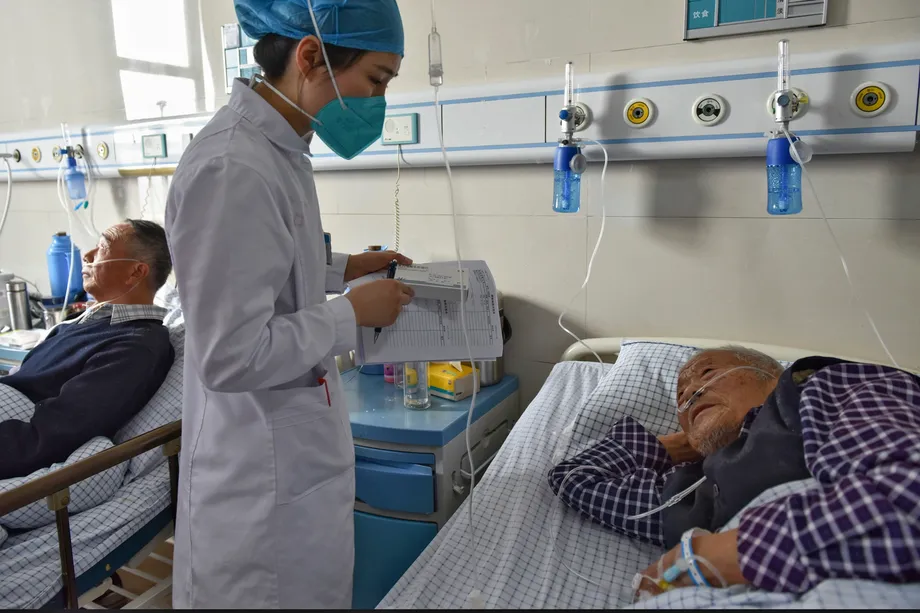
The 2026 white paper examined 4,521 presentations for self-harm or suicide attempts at emergency and critical care centers across Japan between late 2022 and late 2024. Many patients were female, and repeated self-harm was common.
Among hospitalized cases, about half received information only. Around one fifth were connected with support from local medical providers or other organizations. For a young person leaving hospital, that connection can mean having a service to turn to once they return to school or home.
The white paper calls for intensive measures for people at high risk and support that continues in daily life. Emergency treatment addresses the immediate medical crisis. Continuing care must also reach the problems a person returns to, including mental illness, isolation or conflict at home.
The practical issue is who takes responsibility after discharge. Giving someone contact details and connecting them with an organization represent different levels of support. The white paper's findings place attention on that transition, when hospital contact creates an opportunity to arrange further help.
What 20 years of policy have changed
The 2026 white paper marks 20 years since the enactment of the Basic Act on Suicide Countermeasures. Its review finds that progress has been uneven across occupations, household circumstances, age and sex.
Deaths declined over roughly two decades among homemakers and employed men living with other people. Suicide mortality rates fell sharply among middle aged and older men, a trend the white paper associates with fewer deaths linked to social and economic pressures.
Students, employed people living alone and employed women living with family did not show the same downward trend. Rates among people aged 19 or younger and women in their twenties were on an upward trajectory in the longer review.
The latest annual figures show why the time period matters. Deaths among women in their twenties fell from 919 in 2024 to 846 in 2025, even as the white paper identified concern about their longer trend. Among all people in their twenties, deaths fell from 2,465 to 2,412.
Japan's national improvement therefore sits alongside groups with different experiences. Living with family, having a job or attending school can all place someone in regular contact with others, yet the white paper identifies continuing needs within each of those settings.
Schools turn devices into an early warning channel
The government is promoting mental health observation through the information devices provided to individual students. Apps allow pupils to record their physical and emotional condition, giving school staff another way to notice changes and arrange support.
The 2025 white paper summary describes instructions to boards of education to improve early detection of distress and establish school crisis response teams promptly. Regional teams of specialists are also available to advise on children with a history of suicide attempts.
The same summary outlines research bringing together statistics and related records held by police, fire departments, schools, boards of education and local authorities. It also describes discussions about revising the Guidelines for Background Investigations When a Child's Suicide Occurs, whose revised edition dates to 2014.
The Children and Families Agency plans to strengthen statutory councils involving police, schools and medical institutions and create a grant to support their work in fiscal 2027. The next stage of the response is intended to connect institutions that may each see a different part of a child's difficulties.
Children's policy minister Hitoshi Kikawada said on August 31 that the government would use information and communications technology and artificial intelligence to identify risk earlier and expand local systems that notice changes and connect children with help.
Why young people are turning to AI
A February survey by the nonprofit Suicide Prevention Support Center Lifelink examined 1,215 responses from users of its online refuge, including elementary, junior high and high school students. When asked whom or what they could consult when suicidal feelings reached a limit, 50% selected artificial intelligence.
Friends and being unable to consult anyone each accounted for 19%, while consultation services accounted for 18%. For methods respondents actually used to cope, watching videos or listening to music led at 42%, followed by consulting AI at 37%.
The survey describes young users of a particular online service, giving a view of people already seeking a place to cope with distress. Positive responses described AI as accepting feelings without rejection and as easier to approach because it was not a person.
Arata Sueki, a Wako University professor specializing in suicide prevention, said AI's availability at any hour can be useful, while warning about possible dependency. He also said digital information, including search histories, can help identify people at risk, making a human support system essential once risk is noticed.
The government's device checks and young people's use of AI point to the same operational need identified in emergency care: someone must be available to respond. Detecting distress creates a task for school staff, counselors, clinicians and local organizations.
Support also needs places and people
The health ministry has listed counseling through services such as LINE and Facebook alongside telephone support since 2018. These channels give young people ways to seek help without beginning with a spoken conversation.
The 2025 white paper summary includes observations from Kazuko Yokota, internet counseling supervisor at the Federation of Inochi no Denwa. She described resistance among younger people to revealing personal vulnerabilities, alongside isolation, self blame and falling self esteem when worries are kept private.
Yokota contrasted internet consultations with telephone calls, which often come from people expressing a wish to connect:
talk to someone
The service's internet consultations had a higher proportion of people expressing suicidal thoughts than telephone consultations. Inochi no Denwa had about 5,900 telephone counselors nationwide as of April 2025, according to the summary.
The document also describes the Night Youth Center, operating since May 2022 for young people who cannot or do not want to remain at home in the evening. It reported 40 to 50 young people using the space, where shared meals, games and music create contact with peers and supportive adults.
These examples make continuing support tangible: a person who listens, a place to spend the evening, or a service that remains connected after hospital treatment. The white paper calls for systems that make such help available beyond the moment when distress is first detected.
Where to seek help in Japan
People experiencing suicidal thoughts, or worried about someone else, can contact counseling services in Japan. The Yorisoi Hotline is available at 0120-279-338. For consultation in languages other than Japanese, press 2 after the initial message. This number cannot be reached from outside Japan.
The unified mental health consultation number is 0570-064-556. Childline, for children and young people aged 18 or younger, can be reached at 0120-99-7777, daily from 4 p.m. to 9 p.m. Someone facing immediate danger should contact emergency services.
Key Points
- Japan recorded 19,188 suicide deaths in 2025, down 1,132 from 2024 and the lowest national total on record.
- Elementary through high school student deaths reached 538, the highest since records began in 1980.
- Junior high school deaths totaled 172 and high school deaths 356, both records.
- Girls accounted for more school student deaths, but the annual increase occurred among boys.
- An emergency care analysis found that only about one fifth of hospitalized cases were connected with continuing local support.
- The 2026 white paper calls for earlier identification of distress and sustained help through medical services, schools and everyday life.