Thousands of Sabah applicants await completion
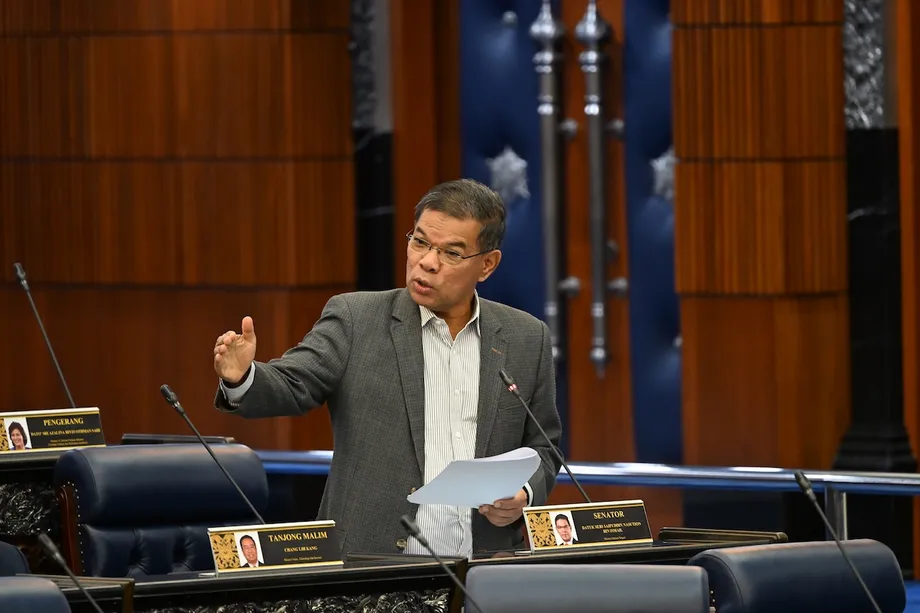
Sabah had 4,530 citizenship applications still recorded as being processed and 41 completed approvals for the period from 2025 to September 15, 2026, Home Minister Datuk Seri Saifuddin Nasution Ismail told Malaysia's Parliament. A completed approval in these figures means the applicant has received a citizenship certificate, not simply that the ministry has approved the application.
Contents
- Thousands of Sabah applicants await completion
- Why approved cases can remain in processing
- What changed between May and September?
- A processing target starts with complete documents
- The dates behind the figures
- Late birth registration moves closer to applicants
- Why families struggle to complete registration
- Applicants need to know which stage they have reached
- Key Points
The National Registration Department, known by its Malay acronym JPN, also recorded 3,573 approved applications for late birth registration in Sabah during the same period, with another 732 still being processed. Those applications concern registering births after the prescribed deadline and are counted separately from citizenship applications.
Saifuddin supplied the figures in response to Vivian Wong Shir Yee, the Pakatan Harapan member of Parliament for Sandakan. She asked what the government was doing to shorten waiting times, speed up citizenship and late birth registration applications, and give applicants clearer information about their cases.
The latest citizenship total is higher than the 3,640 applications still being processed at May 31, 2026. Completed citizenship approvals also increased, from 10 at that earlier cutoff to 41 by September 15. Both sets of figures cover periods beginning in 2025.
For applicants, the process has two important stages: receiving a decision from the Home Ministry and receiving the certificate that completes the case in JPN's records. Saifuddin said an application can pass the first stage while remaining listed as being processed until the certificate is printed and handed over.
Why approved cases can remain in processing
Saifuddin explained that JPN's approval statistics count applications only after approval has been granted and the citizenship certificate has been issued and delivered. The department's records therefore combine cases awaiting a decision with approved cases awaiting their certificates under the processing category.
Deputy Home Minister Datuk Seri Dr Shamsul Anuar Nasarah had explained the same recording practice during a parliamentary question session on July 16. He described how a ministry decision is reflected in the registration department's system:
"Applications that have been approved by the Home Ministry but whose citizenship certificates have yet to be printed and issued are still recorded as 'being processed' in the NRD system," he said.
The 41 completed approvals consequently measure cases that have reached certificate delivery. Families following an application need information about both the decision and the document: whether the ministry has decided the case, and, following approval, whether JPN has printed and delivered the certificate.
The parliamentary answers did not give a breakdown of how many of the 4,530 processing cases already had ministry approval, or confirm the outcome of a committee meeting previously expected in late July or early August.
What changed between May and September?
JPN's recorded citizenship caseload still in processing grew by 890 between May 31 and September 15, rising from 3,640 to 4,530. That is an increase of about 24.5%, calculated against the May figure.
Completed approvals increased by 31, from 10 to 41. The figures describe the recorded position at two different cutoff dates, while the minister's explanation shows why understanding the processing total also requires knowing which stage each application has reached.
Late birth registration figures moved in both directions of the process as well. Approved applications rose by 914, from 2,659 to 3,573, an increase of about 34.4%. Applications still being processed increased by 121, from 611 to 732, or about 19.8%.
The comparison gives a more detailed picture than either snapshot alone. Sabah recorded more completed citizenship cases and more approved late birth registrations by September, while the number of applications remaining in processing also grew in both categories.
A processing target starts with complete documents
Shamsul Anuar told Parliament in July that revised procedures set a processing period of one year for citizenship applications under Articles 15A, 15(2) and 19(1) of the Federal Constitution. The period runs from receipt of complete documents until a final decision.
Those article numbers identify the constitutional provisions under which the applications are considered. The practical detail for families is when the clock starts: the stated period begins once the required documents are complete, rather than simply when a person first seeks help or submits an incomplete file.
The target also concerns the final decision. JPN's completed approval count requires the later step of issuing and delivering the certificate. Tracking the decision date and the certificate delivery date separately would make it easier to see where an applicant is waiting.
Incomplete supporting documents are among the difficulties the deputy minister identified in late birth registration cases. His explanation connects the government's processing measures with another task: helping families assemble the information officials need before a case can move through the required checks.
The dates behind the figures
The parliamentary updates describe several stages of the government's response during 2026. Keeping the dates together helps explain why the later totals are higher and where the planned committee review fits.
- May 31, 2026: The cutoff for figures showing 3,640 citizenship applications being processed and 10 completed approvals for the period beginning in 2025.
- July 16, 2026: Shamsul Anuar presented the May figures in Parliament and described the processing target, wider submission channels and delegated powers.
- Late July or early August 2026: The Sabah Special Committee on Citizenship Status was expected to meet to consider 1,018 applications.
- September 15, 2026: The later cutoff showed 4,530 citizenship applications being processed and 41 completed approvals, alongside 3,573 approved late birth registrations and 732 still processing.
The planned committee agenda covered 1,018 applications, a substantial group of cases requiring consideration. Consideration is the review stage at which applications are examined before decisions are reached.
Late birth registration moves closer to applicants
Late birth registration applications can be submitted at JPN offices nationwide and through the Menyemai Kasih Rakyat programme, known as MEKAR, Shamsul Anuar said. The programme has also been expanded, particularly in rural and remote areas.
For Sabah families, the stated submission channels provide options beyond approaching a single office. MEKAR adds an outreach route for people living far from registration services, while nationwide acceptance allows applications to be lodged through JPN offices elsewhere in Malaysia.
Decision authority for late birth registration has also been delegated to state JPN offices. The government described this as a way to speed up consideration and resolution by allowing decisions at state level.
Citizenship applications and late birth registration remain separate administrative processes in the figures. Registering a birth creates an official record of the birth; the citizenship figures concern applications for citizenship and the delivery of the resulting certificates. A family may need help navigating documentation, but each process has its own steps and recorded outcome.
Why families struggle to complete registration
Shamsul Anuar identified four main causes of delays in late birth registration: limited awareness among parents or guardians, family problems, financial constraints and incomplete supporting documents.
Each problem affects a different part of the journey. Parents may miss the prescribed registration period because they do not know the requirement. Financial difficulties can make dealing with administrative tasks harder, while family problems and missing documents can complicate the work of assembling an application.
The Home Ministry said it had strengthened cooperation between JPN, the Sabah government, community leaders, hospitals, schools, welfare agencies and nongovernmental organisations. Their stated tasks include identifying people without identity documents and helping them complete supporting paperwork.
The combination of outreach and document assistance addresses steps that happen before a complete file reaches officials. Delegated decision powers address what happens afterward. Together, the measures cover access to registration services, preparation of applications and the authority to decide late birth registration cases.
Applicants need to know which stage they have reached
Vivian's parliamentary question put transparency alongside faster processing. The minister's explanation makes the value of that request concrete: a status showing that a case is being processed can cover very different situations.
A family awaiting the ministry's decision needs an update on consideration of the application. A family whose application has already been approved needs an update on certificate printing and delivery. Providing those stages separately would give applicants a more useful account of what remains to be done.
Sabah's September figures show progress in completed cases alongside a larger recorded processing caseload. The most useful measure for an individual applicant is therefore both the outcome of the decision and completion of the documentation, rather than a single status label.
Key Points
- JPN recorded 4,530 Sabah citizenship applications still processing and 41 completed approvals for 2025 through September 15, 2026.
- Completed citizenship approvals require certificates to be issued and delivered to applicants.
- Late birth registration figures stood at 3,573 approved applications and 732 still processing.
- The citizenship processing total rose by 890 from the May 31 figure of 3,640.
- A stated processing target of one year starts when complete documents are received for applications under Articles 15A, 15(2) and 19(1).
- Late birth registration measures include nationwide submission channels, MEKAR outreach and decisions delegated to state JPN offices.