Tokyo takes its demand directly to Moscow
Japan has sent a senior diplomat to Moscow to seek access to Yuki Imai, a Hokkaido Shimbun journalist detained on suspicion of espionage, and demand his immediate release. Russia's Federal Security Service, known as the FSB, announced his detention on Oct. 13, and a Moscow court ordered him held until Dec. 12.
Contents
- Tokyo takes its demand directly to Moscow
- What Russia alleges and Japan disputes
- A diplomatic protest on two fronts
- How the case has developed
- Why the Sakhalin reporting post matters
- Island claims and Ukraine strain the talks
- Other espionage tensions surround the case
- Washington joins calls for access
- Key Points
Imai is in pre-trial detention, and no trial date has been set. If convicted, he faces up to 20 years in prison.
Kimitake Nakamura, director-general of the Japanese Foreign Ministry's European Affairs Bureau, met Lyudmila Georgievna Vorobyova, director of the Russian Foreign Ministry's Third Asian Department, on Oct. 20. Her department oversees relations with Japan. Tokyo disclosed the talks on Oct. 21, placing Imai's detention at the centre of a diplomatic exchange between countries already divided over Ukraine and disputed islands near Hokkaido.
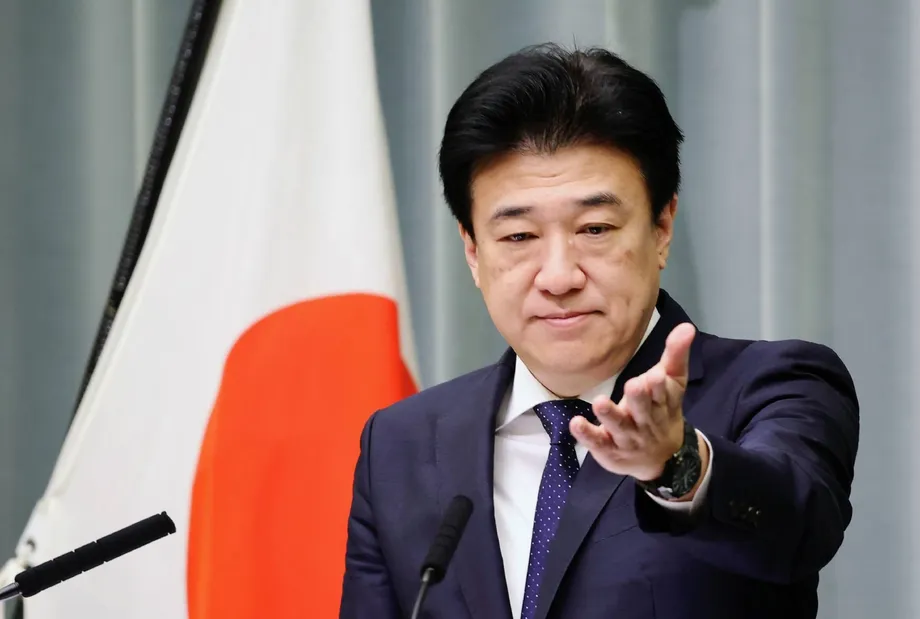
Chief Cabinet Secretary Minoru Kihara said Japan had requested consular access as soon as possible, alongside Imai's release. Consular access means allowing diplomats to visit a citizen detained abroad, check on their welfare and help them communicate with people outside custody.
Japanese officials had not secured that access when the latest appeals were made. No date for a diplomatic visit to Imai or his release was announced.
What Russia alleges and Japan disputes
Russian authorities say Imai was detained on Sakhalin, the island in Russia's Far East near northern Japan, on suspicion of collecting information related to defence. He was subsequently held in Moscow, far from the region where he had been reporting.
The FSB alleges that Japan's national intelligence directed Imai to obtain information for use against the state. Authorities reportedly accused him of gathering information on soldiers taking part in live-fire bombing exercises over the Kuril Islands. Airspace over the islands was reportedly closed from Oct. 10 to Oct. 16 for military operations. Imai held a valid press card issued by Russia's Foreign Ministry.
Japan rejects the espionage allegations. Prime Minister Sanae Takaichi has denied that Japan conducts spying activities in Russia, while the Hokkaido Shimbun has stressed its independence from the Japanese government.
The dispute places the nature of Imai's work at the heart of the case: Russia accuses him of gathering information for espionage, while Japan is demanding his release and the newspaper is defending its independence. The announced custody period extends to Dec. 12, making that the next stated date in the court process.
A diplomatic protest on two fronts
Tokyo has pursued Imai's case both through the meeting in Moscow and by summoning Russian Ambassador Nikolay Nozdrev in Japan. The Foreign Ministry lodged a strong protest and urged Russia to give the journalist "fair and impartial treatment".
Nakamura's visit brought Japan's demands directly to the Russian ministry responsible for relations between the two countries. Kihara, the Japanese government's chief spokesperson, described the request at his Oct. 21 briefing:
We lodged a request... that calls for the earliest possible realisation of consular access to the Japanese national detained in Russia, as well as the individual's immediate release,
Japan's Foreign Ministry described the meeting more generally in its public release. It said Nakamura had made a demarche and presented Japan's position on current bilateral issues. A demarche is a formal diplomatic approach used to deliver a government's position, concern or protest to another country.
Both sides agreed to continue communication and discussions despite the severe state of relations. Kihara did not disclose the full exchange, leaving the public account focused on Japan's demands rather than any detailed Russian response.
How the case has developed
The public sequence stretches from the FSB's announcement in mid October to diplomatic talks a week later. The dates distinguish the announcement of Imai's detention from the subsequent efforts to obtain access to him.
- Oct. 13: The FSB announced the detention of a Hokkaido Shimbun reporter in Sakhalin on suspicion of espionage.
- Oct. 20: Nakamura met Vorobyova in Moscow to discuss the detention and other issues between Japan and Russia.
- Oct. 21: Kihara publicly described Japan's demand for consular access and immediate release. The Japan Congress of Journalists also called for Imai's safety and release.
- Dec. 12: The custody order issued by a Moscow court runs until this date.
Japan's immediate effort concerns Imai's circumstances in custody as well as the demand that he be freed. A consular visit would give Japanese officials a direct channel to the detained journalist while the broader diplomatic dispute continues.
Why the Sakhalin reporting post matters
The Hokkaido Shimbun is based in Japan's northernmost prefecture, across the sea from the Russian Far East. According to the Japan Congress of Journalists, it is the only Japanese media organisation with a permanent correspondent in Sakhalin.
That presence gives the case a local importance beyond the confrontation between national governments. The journalists' organisation said the newspaper had contributed to economic exchanges and exchanges involving private businesses and individuals between Hokkaido and the Russian Far East, as well as between Japan and Russia more broadly.
The Japan Congress of Journalists urged Russia to ensure Imai's safety and release him immediately. In its statement, the organisation linked its appeal to the wider role of journalism:
Freedom of the press is the cornerstone of democracy and the foundation of peacebuilding,
The organisation also defended reporting about conflict and its effects on ordinary people. It described that responsibility in direct terms:
It is a vital mission of the media to report on the realities of war and their impact on society,
For readers in Hokkaido, the Sakhalin post provides a continuing connection to a neighbouring region administered by Russia. The group's appeal brings that regional relationship into a case now being handled through diplomatic channels in Moscow and Tokyo.
Island claims and Ukraine strain the talks
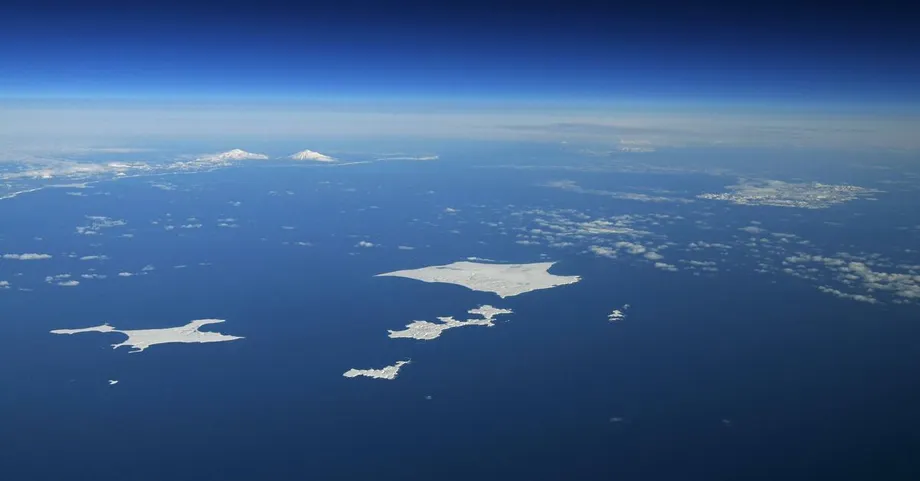
Japan and Russia entered the discussions with several disputes already unresolved. Both claim four islands off Hokkaido that Japan calls the Northern Territories. Russia administers them as part of its Sakhalin region.
Sakhalin lies near those disputed islands, putting the location of Imai's detention close to a longstanding point of friction. The territorial disagreement forms part of the difficult relationship that Nakamura and Vorobyova discussed alongside the journalist's case.
Japan has also imposed sanctions on Russia over its war in Ukraine. Earlier in October, Tokyo announced another round of measures targeting Russia's so-called shadow fleet, ships used to transport Russian oil while seeking to avoid sanctions restrictions.
Kihara said strained relations made diplomatic exchanges necessary. Explaining why the two governments needed to keep talking, he said:
Precisely for that reason, it is necessary for the diplomatic authorities to engage in exchanges on the various issues,
Other espionage tensions surround the case
Espionage and cybercrime allegations have added to the friction this year. Earlier in October, Japan extradited to Germany a Russian national believed to belong to the Qilin international hacking group over suspected involvement in a ransomware attack. Ransomware is malicious software used to block access to computer systems or data while attackers demand payment.
Allegations made public in July also described Russian spies infiltrating Japanese institutions to support Moscow's military campaign in Ukraine. Those allegations form part of the tense setting in which the two governments are now discussing Imai.
Kihara pointed to Russia's arrests in recent years of citizens from countries Moscow calls "unfriendly", with accusations that they worked for Western intelligence services. His comments placed Japan's concern within a wider pattern of foreign nationals being detained on espionage allegations.
Washington joins calls for access
U.S. Ambassador to Japan George Glass condemned Imai's arrest in a statement on X. He described it as an attempt to intimidate and silence independent journalism and condemned Russia's refusal to allow Japanese diplomats to visit the reporter.
Washington's statement and the Japanese journalists' appeal add public pressure to Tokyo's diplomatic requests. Their concerns focus on Imai's freedom, his safety and the ability of Japanese officials to reach him while he remains in Russian custody.
For Japan, the immediate priorities remain concrete: obtain access to its citizen, secure fair treatment and press for his release. The agreement to keep diplomatic communication open provides a channel for pursuing those demands as the Dec. 12 custody deadline approaches.
Key Points
- Japan is demanding consular access to Hokkaido Shimbun journalist Yuki Imai and his immediate release.
- The FSB announced his detention on Oct. 13. He was detained in Sakhalin and held in Moscow.
- Russia alleges espionage. Japan rejects the allegations, and Imai's newspaper says it is independent of the government.
- Senior Japanese and Russian diplomats discussed the case in Moscow on Oct. 20.
- A Moscow court ordered Imai held in pre-trial detention until Dec. 12. No trial date has been set, and he faces up to 20 years in prison if convicted.
- The Japan Congress of Journalists and U.S. Ambassador George Glass have condemned the detention or called for his release.