December Homes Put Housing Promises to the Test
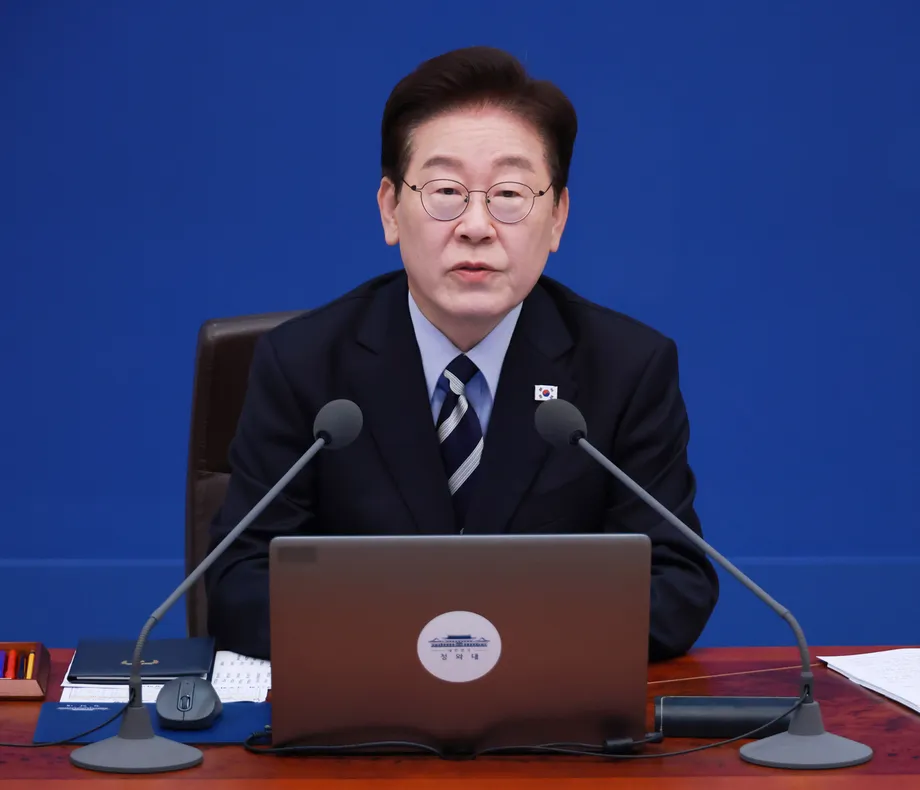
President Lee Jae-myung inspected apartments nearing completion in Incheon's Gyeyang district on October 20, 2026, urging officials to accelerate South Korea's Third New Town housing programme as its first residents prepare to move in this December. He called for construction to begin on about 90% of the programme's public housing by 2030.
Contents
- December Homes Put Housing Promises to the Test
- Why Lee Says the Supply Gap Is Arriving Now
- From Announced Numbers to Occupied Homes
- The Dates Behind the Housing Push
- Land, Financing and Staffing Face Review
- Could Modular Construction Help?
- Residents Want a Reliable Route to Seoul
- Rental Housing and LH Workers Enter the Discussion
- Key Points
From the rooftop of an apartment building, Lee reviewed progress in Gyeyang and nearby Bucheon, asking about planned housing numbers and railway connections. The visit brought together senior presidential aides, the land minister, the head of Korea Land and Housing Corp. (LH), local officials and a lawmaker.
Lee's central demand was to shorten the journey from a housing plan to an occupied home. He pressed officials to review land purchases, site preparation, financing and construction procedures, while prospective residents focused on a practical concern: how they would travel to work in Seoul.
The inspection followed housing discussions at the 45th Cabinet meeting at the Blue House earlier that day. Lee linked faster construction with continued policies to manage the property market and called for more quality public rental housing for young people and the middle class.
For Gyeyang's incoming households, the immediate deadline is December. For the wider programme, the challenge stretches to 2030. Lee wants agencies to advance construction schedules across the other new towns while ensuring that transport, schools and heating are ready when families arrive. His visit placed those two tasks together: delivering more homes and making them ready for daily life.
Why Lee Says the Supply Gap Is Arriving Now
Lee said new housing approvals and construction starts had fallen by almost half between 2022 and the previous year, 2025. At the Cabinet meeting, he highlighted the sharp decline in permits, particularly in Seoul, alongside delays in making new housing sites available.
A permit is official permission to build. A construction start means work has begun. Neither immediately gives a household somewhere to live. Lee said the period from approval to housing delivery is about three years, explaining why a slowdown several years earlier can affect the number of homes becoming available now.
His diagnosis was that the government needs to close that gap by bringing future supply forward. He asked the Ministry of Land, Infrastructure and Transport and LH to look for further ways to accelerate projects, including changes to rules that obstruct the government's timetable.
The figures Lee cited describe a sharp contraction in the housing pipeline. The target for 2030 addresses a later stage of that pipeline: getting construction under way across most of the public housing planned for the Third New Town programme.
From Announced Numbers to Occupied Homes
Lee challenged the way housing delivery is judged. At the Cabinet meeting, the president said the government's performance should be measured through construction and occupation rather than announcements.
What matters is not simply declaring or announcing how many homes we will build, but actually breaking ground and having people move in.
At Gyeyang, he went further, saying that moving into a home should be the standard that reflects what people experience. Governments commonly track construction starts because they show that projects are progressing. Residents experience the benefit later, when they receive a home they can use.
The distinction matters for the 2030 target. Starting construction on about 90% of the programme's public housing would leave roughly one tenth outside that milestone, while homes already under construction would still need to be completed before occupation. Lee also asked officials to prepare transport, education and heating facilities around the arrival of residents.
The Dates Behind the Housing Push
Gyeyang's December opening is the first near term test of the broader supply drive. Lee referred to an August target when urging agencies to have construction under way on most of the programme's public housing by 2030.
- 2022 to 2025: Lee said new housing approvals and construction starts fell by almost half.
- August 2026: The government announced the target Lee cited for starting about 90% of Third New Town public housing by 2030.
- October 20, 2026: Lee discussed housing at the Cabinet meeting and inspected the Gyeyang development in Incheon.
- December 2026: The first residents are scheduled to move into Gyeyang, beginning occupation under the Third New Town programme.
- By 2030: Agencies are expected to reach the construction start target across the programme's public housing.
Those dates show why Lee is pressing for decisions now. A process that takes years cannot quickly replace homes missing from the current supply. Earlier action on land and approvals can move later construction forward, while December's residents need services ready within months.
Land, Financing and Staffing Face Review
During the rooftop briefing, Lee was told that preparing development land would take time. He suggested carrying out land acquisition and consultations alongside site preparation, asking officials to examine which tasks could proceed together.
He also ordered a review of selling land before the usual preparation work is complete. That approach could allow developers to take on more of the preparation process and begin work sooner. The timing benefit would depend on how responsibilities and approvals are arranged.
Financing was another part of his instructions. Lee asked officials to consider a substantial expansion of financial incentives intended to speed housing delivery. No detailed incentive package or implementation date was announced during the visit.
Land disputes drew attention as well. Lee asked LH president Lee Seong-hun whether civil litigation associated with compulsory land acquisition was extending project schedules, and whether gaps in legislation were contributing to the delays. He requested an examination of possible remedies.
Compulsory acquisition allows land to be obtained for a public project through a legal process, with compensation. Disagreements over the process can reach the courts. Lee's request puts the rules governing those disputes within the wider review of housing delivery.
Staffing was a more immediate administrative concern. After receiving a housing supply briefing from Land Minister Hong Ji-seon, Lee questioned why discussions with relevant ministries over additional LH personnel had not been completed. More ambitious schedules would place further demands on the agency responsible for carrying them out.
Could Modular Construction Help?
At a meeting with prospective residents and property specialists, Lee called for a comprehensive review of modular housing. The method involves making substantial sections of a building in a factory before transporting them to the construction site for assembly.
Factory production can allow some building work to proceed while a site is being prepared. That makes modular construction relevant to Lee's interest in overlapping tasks and reducing the time between a project decision and a finished home.
Lee requested an assessment of the method. Officials would still need to determine where it fits within the housing programme and how production, transport and assembly would be arranged. The visit produced no commitment to a specific modular project.
His requests covered several different stages of delivery: preparing land, resolving disputes, financing development, staffing the responsible agency and choosing construction methods. Together, they show that the government's acceleration effort extends beyond the pace of work on apartment buildings themselves.
Residents Want a Reliable Route to Seoul
Prospective Gyeyang residents asked for better regional transport, including express buses for people commuting to Seoul. Their requests connected the national housing target to the daily journeys families will make after moving in.
Lee asked about railway links during the inspection. Incheon Mayor Park Chan-dae said the city would work to provide transport measures in response to residents' concerns.
Transport readiness has an immediate effect on whether a new home is practical for a working household. A completed apartment can still leave residents facing difficult journeys if the connections they need are not operating when they arrive.
Lee's instruction to prepare schools, heating and transport alongside housing addresses that problem. December gives the responsible agencies a shared deadline for the services that incoming households will use from their first days in the district.
Gyeyang also has personal significance for Lee because it was his parliamentary constituency. During the visit, he recalled having commuted from the area himself. Residents' requests placed commuting conditions alongside construction progress as a test of the development.
Rental Housing and LH Workers Enter the Discussion
At the Cabinet meeting, Lee called for faster provision of quality public rental housing for young people and the middle class, supported by active use of government finances. Public rental housing gives eligible households access to homes provided through public bodies rather than requiring them to buy a property.
The president framed that work as part of the wider supply response. He called for rapid delivery of housing at scale alongside consistent property market policies, reflecting the time needed for construction to produce homes.
Lee also asked officials to reconsider terms such as public rental and permanent rental housing. His request opened a discussion about the language used for those programmes, without setting out replacement names or changes to eligibility.
Within LH, Lee addressed proposed organisational changes that would separate development from asset management. Development covers creating new housing and sites; asset management concerns looking after property already held by the organisation. He told the LH chief that workers should not be disadvantaged by the changes.
The visit ended at Gyeyangsan traditional market, where Lee met merchants and discussed the difficulties facing small businesses. The stop broadened the day's focus from future residents and public housing delivery to the existing local economy.
Key Points
- Lee inspected Incheon Gyeyang on October 20, with the programme's first residents scheduled to move in during December 2026.
- He urged construction to begin on about 90% of Third New Town public housing by 2030.
- Lee said housing approvals and construction starts fell by almost half between 2022 and 2025.
- Officials were asked to review land procedures, financing incentives, LH staffing and modular construction.
- Prospective residents requested better transport to Seoul, including express buses.
- Lee said housing delivery should be judged by people moving in, with essential services ready when they arrive.