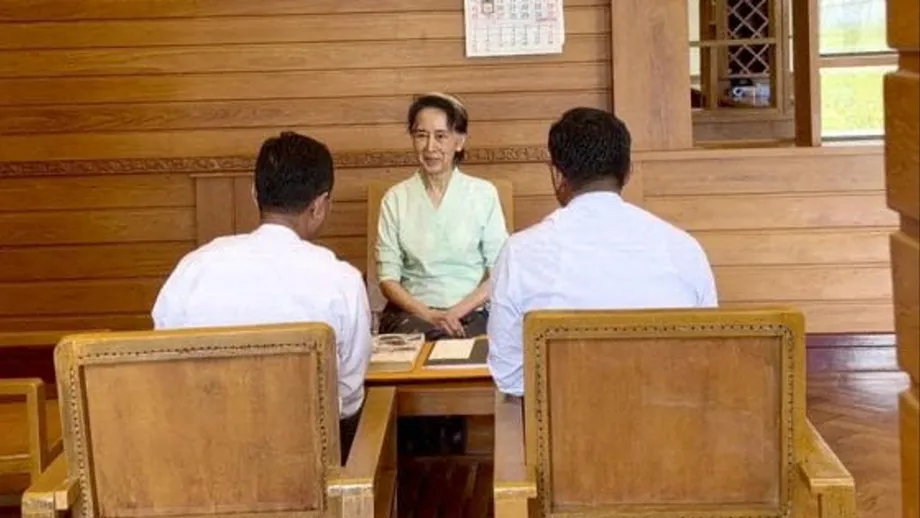
A royal delivery offers a rare glimpse of Suu Kyi
Myanmar's military backed government released two rare photographs of Aung San Suu Kyi on October 19, 2026, saying the detained former leader had received two books, a sealed envelope and diplomatic correspondence from Britain's King Charles III.
Contents
- A royal delivery offers a rare glimpse of Suu Kyi
- What Charles sent
- A short meeting, with access still tightly controlled
- From isolation to the Red Cross visit
- How her detention has changed
- The main dates
- Min Aung Hlaing seeks renewed international engagement
- A brief encounter amid a continuing war
- Key Points
Two Home Affairs Ministry officials delivered the items in Naypyidaw that morning, according to the Presidential Press and Information Bureau. The encounter lasted about 10 minutes. For the 81-year-old Nobel Peace Prize winner, who has been detained since the military removed her elected government in February 2021, it marked an unusual connection with the outside world.
The photographs were the first released in two months. They showed Suu Kyi seated across a small table from two men in white shirts, with objects between them. She wore a traditional pale green blouse and skirt in a room with wood paneling.
The delivery follows two other changes in her detention this year: a move to house arrest in April and a visit from an International Committee of the Red Cross representative in August. She remains in custody, serving an 18-year sentence at a designated residence.
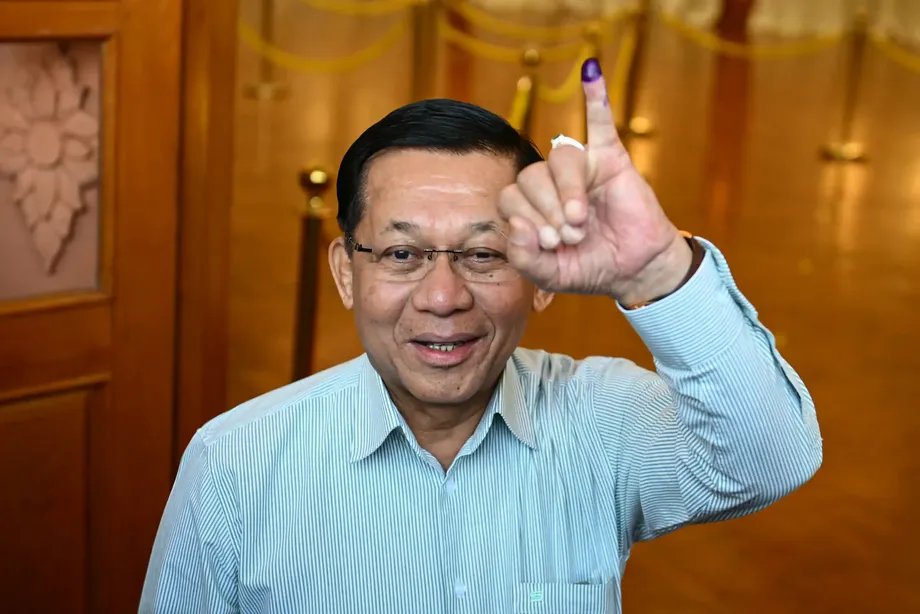
Myanmar's presidential spokesperson also used an unfamiliar description for her, calling her a "special female prisoner" for the first time. The announcement comes as President Min Aung Hlaing, the army chief who led the coup against her, seeks to ease Myanmar's international isolation and present the country as returning to normal political life.
What Charles sent
The government identified the books as The Land Gardeners: Soil to Table and Soil: The World at Our Feet. Both concern the environment, a subject Charles has championed for decades alongside sustainable agriculture.
The Land Gardeners: Soil to Table, by British authors Bridget Elworthy and Henrietta Courtauld, explores the relationship between healthy soil and food. Soil: The World at Our Feet is a catalog from an environmental exhibition in London.
The package also contained a sealed envelope and a sealed diplomatic communication, according to the presidential spokesperson. Diplomatic correspondence is a formal written message passed through channels used for relations between countries.
Charles met Suu Kyi in London when he was Prince of Wales. Suu Kyi has spoken about the influence of literature during earlier periods of detention and is known to enjoy fiction and detective stories. The books therefore connect the King's environmental interests with an activity that has mattered to her during years of confinement.
A short meeting, with access still tightly controlled
The Presidential Press and Information Bureau announced the handover through Telegram, while the presidential spokesperson also described it on social media. Myanmar officials, rather than British representatives, were pictured sitting with Suu Kyi.
The government did not disclose the exact location of the meeting, the contents of the correspondence, how the package reached Myanmar or what was discussed. Britain's Foreign Office had not immediately answered questions about whether British diplomats sought to deliver the items personally or were refused permission.
No foreign political leader or diplomatic envoy has publicly met Suu Kyi since the coup, despite requests. The August Red Cross visit was a meeting with a humanitarian representative, whose work concerns the treatment and welfare of people affected by conflict and detention.
Her present contact with the outside world therefore consists of a small number of encounters arranged under government control. For her family and supporters, the central concerns remain access to her, reliable information about her health and her continued imprisonment.
From isolation to the Red Cross visit
The August meeting with the International Committee of the Red Cross was Suu Kyi's first known contact with an independent international humanitarian organization since her detention in February 2021. Photographs from that visit were the last images released before the October handover.
Kim Aris, her son who lives in London, welcomed that opening while calling for further access. After the August visit, he said:
This may be a first step, but it must not be the last.
Her family's concern stretches back years. In October 2025, accounts of her isolation and health fears described relatives being unable to confirm where she was held or assess her condition. Her lawyers and the Suu Foundation had also raised concerns about a possible arm injury during the earthquake that struck Myanmar in March that year.
The April transfer and August visit have changed the circumstances described then. The October announcement adds another dated encounter, while leaving her family dependent on limited information released about her detention.
How her detention has changed
Suu Kyi was arrested when the military seized power on February 1, 2021, removing the civilian leadership in raids carried out early in the morning. She has remained in custody throughout the political upheaval and fighting that followed.
Her original combined sentence was 33 years. It was subsequently reduced, and the current accounts describe an 18-year sentence being served under house arrest. Earlier coverage in October 2025 recorded a sentence of 27 years, before the later reductions described in the latest accounts.
The convictions cover offences including incitement, corruption, election fraud and violating a state secrets law. Suu Kyi denies all the charges. Her supporters and human rights groups describe the prosecutions as politically motivated and intended to return power to the military.
House arrest means she serves her sentence in a residence rather than an ordinary prison. The authorities still control her movements and access to visitors. In Suu Kyi's case, the designated residence is in Naypyidaw, and its precise location remains undisclosed.
The change from prison to a residence followed Min Aung Hlaing's installation as civilian president in April, after elections held under military rule that excluded Suu Kyi's party. The man who removed her government now holds the presidency while she remains detained.
The main dates
Suu Kyi's detention has lasted more than five years. The latest developments fit into a sequence beginning with the overthrow of her administration and continuing through an election organized under military rule.
- February 1, 2021: The military seized power, removed Suu Kyi's elected government and detained civilian leaders.
- 2025: Myanmar held an election under military rule. Suu Kyi's party was excluded.
- April 2026: Min Aung Hlaing became civilian president. Suu Kyi was moved to house arrest soon afterward.
- August 2026: A representative of the International Committee of the Red Cross visited Suu Kyi, and photographs of the encounter were released.
- October 19, 2026: Officials said they delivered books and correspondence from King Charles and released two further photographs.
The 2026 changes have brought a different place of confinement and rare outside contact. Suu Kyi's sentence continues, while international calls for her release remain unanswered.
Min Aung Hlaing seeks renewed international engagement
Min Aung Hlaing has faced sanctions since taking power and has sought to increase Myanmar's engagement with neighboring countries. His administration has presented the election and the transfer to a civilian presidency as steps toward normal political life.
The exclusion of Suu Kyi's party and her continued detention remain central to the political crisis. Members of the Association of Southeast Asian Nations, known as ASEAN, and the wider international community have called for her release and for access to her as part of efforts to resolve it. Myanmar's authorities have rejected those calls.
Min Aung Hlaing, the president and former junta chief, defended his treatment of Suu Kyi in an interview published in September. He said:
I have been extremely lenient toward her.
The government now draws attention to her house arrest, the humanitarian visit and the royal package. Her supporters focus instead on the years she has spent in custody and the prosecutions they regard as political. Those competing positions shape the response to each newly released image.
A brief encounter amid a continuing war
Myanmar's crisis extends far beyond Suu Kyi's confinement. The coup triggered widespread street protests and a civil war that has killed more than 100,000 people, according to the conflict monitor ACLED.
The scale of that violence explains why international efforts concern both her treatment and the country's political future. ASEAN members have sought access to or engagement with Suu Kyi as part of attempts to resolve the crisis, while Min Aung Hlaing seeks closer regional ties.
The photographs bring attention back to a leader whose whereabouts and health have been difficult to determine for years. The concrete development on October 19 was a short handover by Myanmar officials, carrying books and correspondence that the government attributed to the British monarch.
Suu Kyi remains under house arrest, and the authorities continue to decide who can see her. Her son's call after the Red Cross visit captures the immediate concern for her family: turning a rare encounter into continuing access.
Key Points
- Myanmar officials said Suu Kyi received two environmental books and sealed correspondence from King Charles on October 19, 2026.
- Two Home Affairs Ministry officials attended a meeting lasting about 10 minutes in Naypyidaw.
- The government released the first photographs of her since an August Red Cross visit.
- Suu Kyi, 81, remains under house arrest serving an 18-year sentence. She denies all the charges.
- Min Aung Hlaing became civilian president in April after an election under military rule that excluded her party.
- ASEAN members and other governments continue to call for her release and access to her.