Key creator puts his remaining strength into stories and music
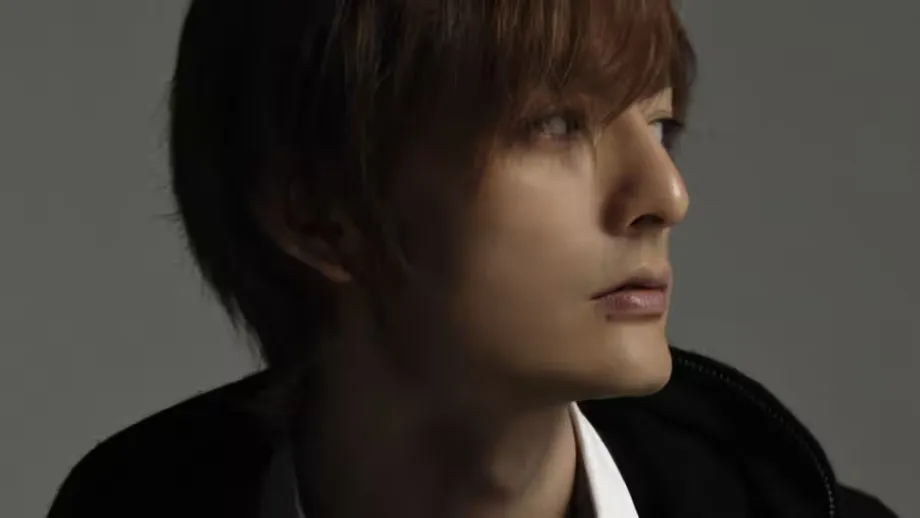
Jun Maeda, the 51-year-old writer and composer behind AIR, CLANNAD and other influential Japanese games, has been diagnosed with pharyngeal cancer and is hospitalized, Visual Arts announced on October 19, 2026. He has chosen care focused on easing symptoms rather than active treatment for the cancer, with the aim of preserving his strength for creative work.
Contents
- Key creator puts his remaining strength into stories and music
- What the company said about his diagnosis
- What is finished for Heaven Burns Red
- A music project moves to an earlier release plan
- From early visual novels to Key's defining works
- His work reaches beyond game scenarios
- A timeline of his health and current work
- How fans can send messages
- Key Points
The company also gave a detailed account of work already completed for Heaven Burns Red. Maeda has finished his assigned writing through Chapter 6, Part 1, all major story portions through the end of Chapter 6, and the lyrics and composition for the songs in its first part.
A separate music project is changing direction. Originally planned as a continuing series on YouTube, it will now focus on completing the songs Maeda already has in mind and releasing them sequentially as soon as possible.
Visual Arts/Key staff described his determination to keep working while in hospital:
He "remains strongly determined to devote himself to creative work through to the very end."
For players awaiting the conclusion of Heaven Burns Red and listeners following his music, the announcement brings both a serious health update and a concrete account of the stories and songs he has already written.
What the company said about his diagnosis
Maeda first noticed discomfort in his throat in early spring 2026. Swelling and pain became stronger during the summer, and detailed medical examinations led to the cancer diagnosis, according to Visual Arts.
Pharyngeal cancer means cancer in the pharynx, the part of the throat behind the nose and mouth. The company did not disclose the cancer's stage, its exact location within the pharynx or a medical estimate of life expectancy.
Visual Arts said Maeda considered his condition and the outlook for treatment before deciding to concentrate on palliative care. His stated priority was to conserve his physical strength so he could devote himself to writing and music.
Palliative care focuses on relieving pain and other symptoms and supporting comfort and quality of life. In Maeda's case, the company said this would be the center of his care while he forgoes active treatment directed at the cancer.
His decision also shapes the company's plans for unfinished work. Visual Arts warned that the progression of his illness could prevent him from taking part in scenarios and music beyond the portions it specifically identified as completed.
What is finished for Heaven Burns Red
Heaven Burns Red, developed by Wright Flyer Studios and Key, combines a role playing game with a continuing dramatic story. Maeda supplies scenarios and music, making his work central to both the narrative and its emotional tone.
Visual Arts separated the completed material into three categories:
- Maeda's assigned scenario writing through Chapter 6, Part 1 is finished.
- All major portions of the story through the conclusion of Chapter 6 have been written.
- The lyrics and musical compositions for songs in Chapter 6, Part 1 are complete.
For readers unfamiliar with game production, a scenario is the written material that guides the story, including scenes and dialogue. Writing it is one part of producing a playable chapter, alongside work such as recording voices, creating visuals, programming and testing.
The company's wording gives players a useful picture of progress: the assigned writing through the first part of Chapter 6 is complete, and the major story material reaches the chapter's ending. Other writing and songs may depend on Maeda's health.
The game's operators said they would continue development and operations with full effort through the conclusion of the final chapter. Staff had announced in August that the main story had entered its final chapter.
A music project moves to an earlier release plan
Maeda had been preparing a new music project intended to unfold on YouTube over an extended period. Following the diagnosis, he decided to concentrate on finishing the songs currently planned and getting them to listeners sooner.
Visual Arts described the change as Maeda's own strong wish. The company said he felt that the time he could spend creating might be limited and wanted to deliver the music already taking shape.
The songs will be published one after another on YouTube. No release dates, track count or full schedule were announced.
The revised plan gives the project a more immediate focus. Instead of building a continuing series over time, Maeda is directing his energy toward a defined body of songs already under development, alongside the work he has completed for Heaven Burns Red.
From early visual novels to Key's defining works
Maeda's career in visual novels began before Key. He worked on Moon in 1997 and ONE in 1998 at Tactics/NEXTON. Members of the core team later left to form Key, where he became a founding member and one of its best known creators.
His writing credits include Kanon, AIR, CLANNAD and Little Busters!, all of which received anime adaptations. A visual novel tells much of its story through written dialogue, illustrated characters, music and, often, choices made by the player.
These works helped define the style fans call nakige, commonly translated as "crying games." The term describes stories built to move players emotionally, often through characters confronting loss, tragedy, sacrifice and the effort to keep living afterward.
Maeda's contribution extended beyond scripts. He also composed music for the visual novels he wrote, bringing the story and soundtrack under the direction of the same creator. That combination remains part of his role on Heaven Burns Red.
His reach across games and animation helps explain the breadth of interest in the announcement. Audiences may know the same story through its original game, its television adaptation or its songs.
His work reaches beyond game scenarios
Maeda wrote the story and composed themes for Angel Beats! and Charlotte. He is also credited with the original work and scripts for The Day I Became a God, an anime project involving Key, Aniplex and P.A. Works.
His other music work includes composition or supervision of musical production for projects such as Kud Wafter, Rewrite and Prima Doll. He also supplied the original concept for Summer Pockets, which first appeared on Windows PC in June 2018 and later reached mobile devices.
Heaven Burns Red launched in February 2022. Its continuing chapters and original songs have made it a major current outlet for Maeda's writing and composition, years after the visual novels that established his reputation.
The announcement therefore affects two active streams of work: the remaining contributions he might make to an existing game and the songs he hopes to complete for a new project. Visual Arts has described plans for both while leaving room for his medical needs.
A timeline of his health and current work
Maeda has previously spoken publicly about serious illness. In 2016, he spent five months in hospital and disclosed that he had idiopathic dilated cardiomyopathy, a condition in which the heart becomes enlarged and weakened for no identified reason.
Later that year, he said his heart condition required a transplant. He subsequently reassured fans that he expected to live longer and continue writing stories. The current announcement concerns his cancer diagnosis and his choice of care.
- 2016: Maeda was hospitalized for five months and later discussed his heart condition and need for a transplant.
- February 2022: Heaven Burns Red launched.
- Early spring 2026: He began noticing discomfort in his throat.
- Summer 2026: Swelling and pain intensified, leading to detailed examinations.
- August 2026: Heaven Burns Red staff said the main story had entered its final chapter.
- October 19, 2026: Visual Arts announced his cancer diagnosis, care decision and revised creative plans.
How fans can send messages
Visual Arts has opened channels for letters and messages of encouragement. Staff said they would pass correspondence to Maeda, although individual replies would not be possible.
Messages can be sent by email to [email protected]. Postal letters should be addressed to: VISUAL ARTS Co., Ltd. / ATTN: Jun Maeda, Park Tower 17F, 2-10-70 Nambanaka, Naniwa-ku, Osaka 556-0011, Japan.
The company asked fans to send letters only and to refrain from sending gifts or other items. Its closing message asked supporters to watch over Maeda warmly as he continues creating during his hospitalization.
Key Points
- Visual Arts announced Jun Maeda's pharyngeal cancer diagnosis on October 19, 2026.
- The 51-year-old writer and composer is hospitalized and has chosen palliative care to preserve strength for creative work.
- His assigned Heaven Burns Red writing through Chapter 6, Part 1 is finished, along with all major story portions through Chapter 6's conclusion.
- Lyrics and composition for the songs in Chapter 6, Part 1 are complete.
- His new music project will focus on finishing planned songs and releasing them sequentially on YouTube.
- Visual Arts is accepting messages and letters of encouragement, but asks fans not to send gifts.