Health Ministry sets closure trigger as haze persists
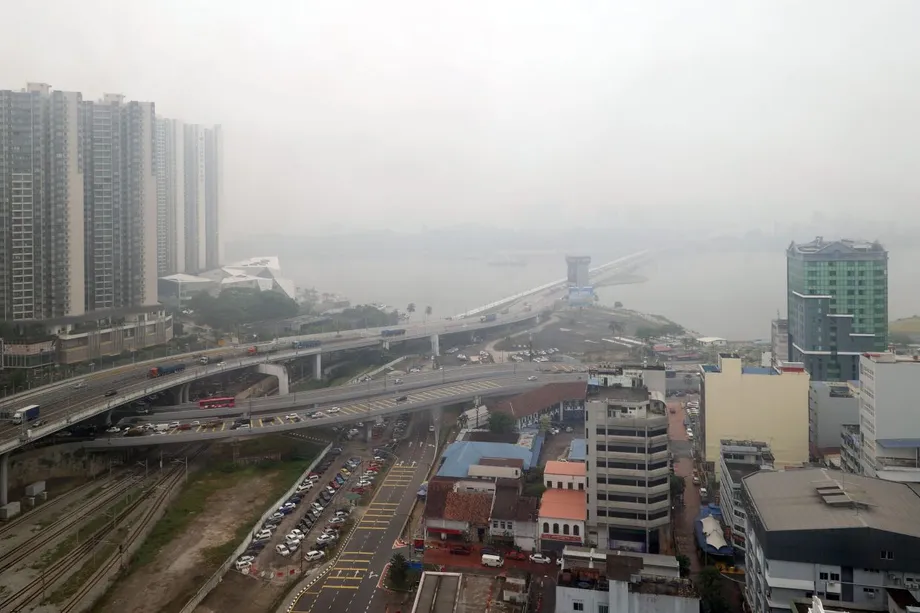
Malaysia's Health Ministry said on October 16, 2026, that all educational institutions, including schools and childcare centres known as taska, must close when the Air Pollutant Index (API) exceeds 200. Outdoor activities and public gatherings must also stop when pollution reaches the very unhealthy or hazardous categories.
Contents
- Health Ministry sets closure trigger as haze persists
- What the pollution numbers mean
- Why the school rules changed
- How the decisions unfolded
- Selangor closures and assessments postponed
- Parents can keep children at home
- Childcare and learning pressures grow together
- Health facilities record more illness
- Protection now and demands for accountability
- Key Points
The directive follows prolonged haze in several areas and comes amid changes to school closure rules, postponed assessments and growing pressure on working parents. In Selangor, closures announced for October 16 covered eight education districts, while schools in two other districts were to remain open without outdoor activities.
The Health Ministry said government agencies, businesses, employers, educational institutions and operators of relevant premises must comply with the precautions. Its statement called for a consistent response:
The ministry urges all parties to ensure these directives are followed. The health of the public is a shared priority, and compliance with these instructions must be carried out seriously, consistently, and responsibly,
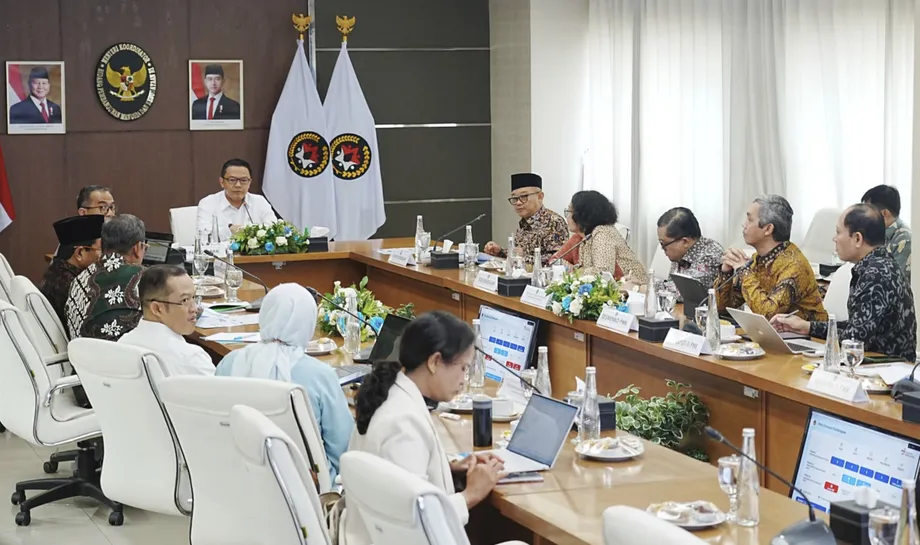
Health Minister Dzulkefly Ahmad also explained in Parliament that his ministry provides health advice, while decisions on closing educational institutions rest with the Education and Higher Education Ministries. Families therefore need to follow both local pollution readings and announcements from the authorities responsible for their schools.
What the pollution numbers mean
Malaysia's API groups air quality into categories that guide public health action. A higher number means worse pollution and stronger precautions:
- 0 to 50: good.
- 51 to 100: moderate.
- 101 to 200: unhealthy.
- 201 to 300: very unhealthy.
- Above 300: hazardous.
The Health Ministry's October 16 statement places compulsory closure above 200. Education Minister Fadhlina Sidek's October 14 announcement also used above 200, while her October 15 explanation described immediate closure when the reading reaches 200. The wording differs at the boundary itself, making the actual school closure notice especially important for families.
Outdoor activity restrictions begin earlier. The Health Ministry directed educational institutions, childcare centres and elderly care facilities to suspend outdoor physical and co-curricular activities at readings from 101 to 200. Fadhlina's October 14 announcement put the suspension point at 100 or above, while her October 15 explanation used above 100.
A school can therefore remain open while outdoor lessons and exercise are suspended. An API reading of 150 falls within the unhealthy category, even though it is below the general closure threshold. Fadhlina acknowledged that parents have valid concerns at that level, particularly when children have asthma or other respiratory conditions.
Why the school rules changed
Fadhlina announced on October 14 that the Education Ministry would return to the National Haze Action Plan, known by its Malay initials PTJK. The decision followed discussions involving the National Disaster Management Agency (Nadma), the Health Ministry and the Department of Environment.
Temporary rules introduced on October 8 had required closure above API 180, or when readings remained above 150 for three consecutive days. Returning to a threshold above 200 removed those earlier triggers from the general education guidelines.
Fadhlina said Nadma had advised that haze management should follow the national plan. Explaining the coordination in her October 14 statement, the education minister said:
This step aims to ensure that decisions are made more systematically based on the current condition assessment, including the Air Pollutant Index readings and health advice from the Ministry of Health,
Fadhlina said air quality can change within a short period. Closing schools several days ahead could cost pupils classroom time if conditions improve. She also said the earlier, more cautious approach had taken account of concerns expressed by Malaysia's king, Sultan Ibrahim, alongside student health and safety.
Parents had asked for different responses, including closures lasting a week, while others worried about missed lessons and childcare. The ministry's return to the national plan sought to coordinate those decisions across agencies whose responsibilities cover education, health, pollution monitoring and disaster management.
How the decisions unfolded
Several announcements and local measures followed one another during October, leaving families to track changing arrangements:
- October 7: About 20 environmental and civil society campaigners marched to Parliament seeking stronger action against companies linked to pollution from fires in Indonesia.
- October 8: The Education Ministry introduced the lower closure triggers of above API 180, or above 150 for three consecutive days.
- October 10: Johor announced school closures lasting a week amid worsening haze.
- October 14: Fadhlina announced the return to the National Haze Action Plan's closure threshold above 200.
- October 15: Fadhlina explained the agency consultations and flexibility for parents. That evening, she announced closures for eight Selangor education districts on October 16.
- October 16: The Health Ministry statement called for educational institutions to close above API 200 and for restrictions on outdoor activities at lower readings.
The sequence put national rules and local closure notices into close succession. For parents arranging transport, work and care, a change in the next day's school status could mean reorganising an entire household within hours.
Selangor closures and assessments postponed
Schools in Klang, Kuala Selangor, Kuala Langat, Hulu Langat, Gombak, Sepang, Petaling Perdana and Petaling Utama were ordered to close on October 16. Fadhlina announced the decision at around 7pm the previous evening.
Hulu Selangor and Sabak Bernam were to continue normal school operations, according to the state education department, but all outdoor activities were prohibited.
At 5pm before the announcement, Klang recorded an API of 195, followed by Johan Setia at 192, Shah Alam at 180, Banting at 174, Petaling Jaya at 169 and Kuala Selangor at 161. All six readings were in the unhealthy category. Klang's reading was 34 points higher than Kuala Selangor's, showing the variation across the listed monitoring locations.
The closures covered districts even though the cited readings were below 200. Those readings were taken two hours before the announcement; the account of the decision did not give its precise assessment criteria.
The Education Ministry also postponed the end of year school assessments, known as UASA, scheduled for the following week. Schools were given flexibility to reschedule them and inform parents and guardians of revised dates. The ministry said it had taken account of concerns about children having to attend school to sit the assessments.
Parents can keep children at home
Parents concerned about haze affecting their children's health may keep them home, provided they notify the school administration. Fadhlina said this flexibility recognises that children have different health needs, including asthma, respiratory problems and greater sensitivity to polluted air.
For families, permission to stay home provides a choice before the general closure threshold is reached. It also leaves them responsible for telling the school and organising care and learning arrangements.
Alisha Chan, a 45 year old executive with children aged 17 and seven, described the strain of repeatedly checking pollution readings and school announcements. She said changes made at short notice were especially difficult for parents who could not work from home every day.
Chan described the uncertainty on October 14:
We can't plan things in advance and have to make arrangements at the last minute, which is stressful for a full-time working mother. I feel exhausted and have a headache from all these last-minute arrangements as we are not employees who can work from home every day.
Mak Chee Kin, chairman of the Melaka Action Group for Parents in Education, urged authorities to announce closures earlier, preferably by noon the preceding day. His request reflected the preparation needed by parents, teachers and school transport operators.
Ameirul Azraie Mustadza, a father of five and chairman of a parent and teacher association, also called for timely communication and responses that reflect conditions children experience. Parents described eye irritation, throat discomfort and breathing difficulties as reasons for concern even while waiting for formal decisions.
Childcare and learning pressures grow together
Johor's closures lasting a week gave families more certainty about school schedules, but created other difficulties. Parents working across the Causeway in Singapore still needed somewhere safe for their children during long and sometimes unpredictable working days.
Shahruddin Haeal Helmy Mohd Noh, a 39 year old truck driver living in Iskandar Puteri, said he and his wife both worked in Singapore. They took their two children to their grandparents' home during the closures, while work schedules and border traffic complicated planning.
Fariza Mohd, an assistant manager at a private care centre in Pasir Gudang, described a heavier workload. The centre usually handled 40 students divided between morning and afternoon sessions. During the closures, 25 to 30 children stayed for the entire day, and all three staff members also had to supervise lessons.
School closure can therefore shift responsibility for lessons to homes, grandparents and care centres. Noor Azimah Abdul Rahim, chairman of the Parent Action Group for Education, said schools must consider access to devices, internet connections and support, especially among disadvantaged households.
Fadhlina cited experience during the Movement Control Order, when recovering missed learning proved difficult. The education decision involves two immediate needs: reducing children's exposure to polluted air and keeping lessons accessible when normal attendance is interrupted.
Health facilities record more illness
Dzulkefly told Parliament that monitoring at 78 sentinel health facilities had recorded increases in illnesses associated with the haze. Sentinel facilities are selected locations used to track patterns in illness, rather than a count of every patient nationwide.
During epidemiological week 36, the facilities recorded 7,065 cases of upper respiratory tract infection, an increase of 167%; 1,117 asthma cases, up 127%; and 334 conjunctivitis cases, up 83%. Upper respiratory tract infections affect areas such as the nose and throat. Conjunctivitis is inflammation of the thin tissue covering the white of the eye and lining the eyelids.
By epidemiological week 40, the ministry recorded 5,613 upper respiratory tract infection cases and described the figure as nearly 60% higher. The comparison periods for the percentage increases were not specified in the minister's reported figures.
The week 40 infection count was 1,452 below the 7,065 recorded in week 36, a decline of about 21%. The figures show a fall between those two weeks while the ministry continued to report increased illness against its comparison level.
The Crisis Preparedness and Response Centre increased surveillance from epidemiological week 32, August 9 to 15. The National Haze Operations Room was activated on September 4 to coordinate monitoring and public health action.
The ministry also added 841 adult AeroChamber units, 396 paediatric units and 556 nebulisers. AeroChambers help patients inhale medicine from an inhaler; nebulisers turn liquid medicine into a mist that can be breathed in.
Protection now and demands for accountability
The Health Ministry advised people to reduce outdoor physical activity and remain indoors where possible. Children, older people, pregnant women and people with respiratory or heart conditions were identified as groups at greater risk from continued exposure.
Employers must provide N95 masks to staff who work outdoors, the ministry said, and members of the public were encouraged to use them outside. An N95 is a respirator designed to filter fine airborne particles when it fits properly. Workplaces therefore have a specific responsibility alongside the restrictions affecting schools and public gatherings.
The regional haze has been linked to fires in Indonesia's Sumatra and Kalimantan, amid prolonged heat and dry conditions associated with a strong El Nino. Malaysian campaigners have pressed for action on the businesses and financial relationships connected to those fires.
Greenpeace Malaysia and other environmental and civil society groups brought those demands to Parliament on October 7. Their proposals included investigations into corporate links to fires, publication of evidence and enforcement of environmental rules.
The campaigners also sought a Clean Air Act that would address pollution connected to Malaysian businesses operating overseas. Such legislation remains a demand from the campaigners, while families and schools are dealing with the immediate consequences of polluted air.
Adam Azlan, a global strategic campaigner with Greenpeace, pointed to the role of governments approving operating licences and financial institutions overseeing company financing. The campaign places responsibility beyond individual households, which can change routines and reduce exposure but depend on public authorities and businesses to address the fires.
Key Points
- The Health Ministry directed educational institutions, including schools and childcare centres, to close when API readings exceed 200.
- Outdoor activity restrictions begin at lower pollution readings, before the general closure threshold.
- The Education Ministry returned to the National Haze Action Plan after temporarily applying lower closure triggers.
- Parents may keep children home over health concerns if they inform the school administration.
- Eight Selangor education districts faced closures on October 16, and UASA assessments were postponed for schools to reschedule.
- Health surveillance at 78 facilities recorded increases in respiratory infections, asthma and conjunctivitis.
- Employers must provide N95 masks to outdoor workers, while campaigners are seeking stronger corporate accountability for haze pollution.