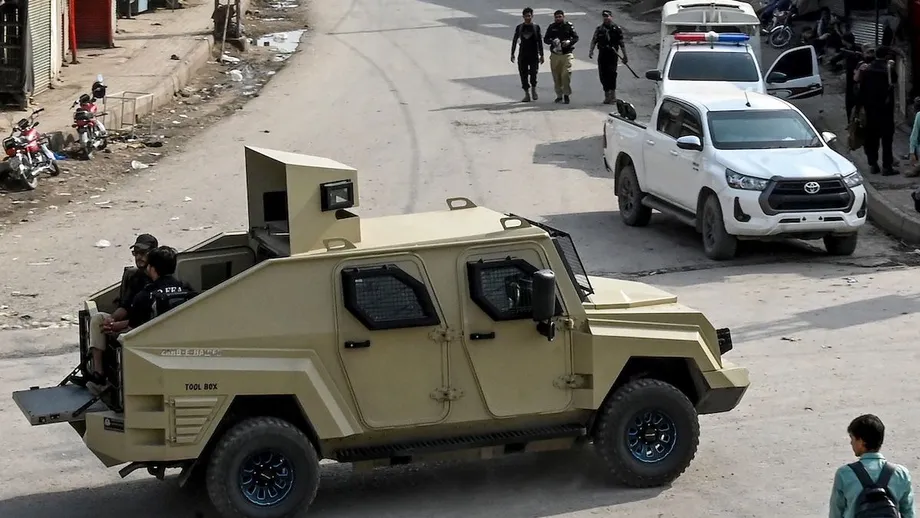
October 13 order reaches beyond live pictures
Pakistan's television regulator has ordered satellite channels to stop broadcasting, rebroadcasting or carrying live coverage of explosions, shootings, terrorist attacks and broadly described "unpleasant" incidents. The October 13, 2026 directive also requires channels to air only information verified by the relevant government department or law enforcement agency, placing official confirmation at the centre of television reporting during emergencies.
Contents
- October 13 order reaches beyond live pictures
- What can television channels broadcast?
- Why official verification matters
- CPJ warns of information control
- Delays, editorial boards and legal action
- Khyber Pakhtunkhwa adds political urgency
- August rules also affect access to reporting
- Permission periods and a wider press freedom dispute
- How the restrictions developed
- Key Points
The Pakistan Electronic Media Regulatory Authority (PEMRA) warned of legal action under Sections 29-A, 30 and 33 of the PEMRA Ordinance, 2002. It instructed broadcasters to use transmission delays effectively and maintain independent editorial boards. The requirements affect satellite television licensees carrying news, current affairs and programming in regional languages.
The Committee to Protect Journalists (CPJ), which reviewed the directive, called on authorities to withdraw it in an October 16 statement. The organisation warned that requiring journalists to depend on information authorised by state agencies could turn measures intended to protect safety into censorship.
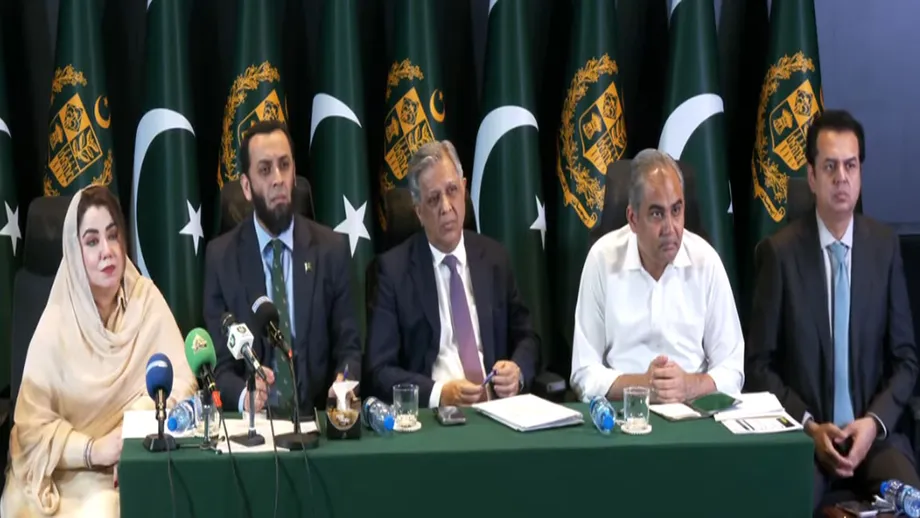
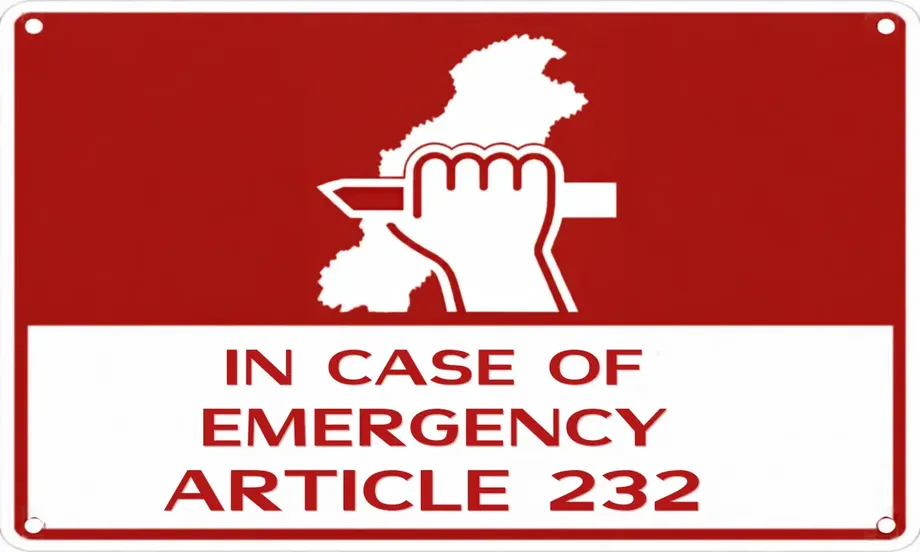
The renewed restrictions arrive during a political confrontation in Khyber Pakhtunkhwa, where the federal government imposed governor's rule and emergency measures. They also follow August requirements for journalists working with foreign media to register with the government and obtain permission before reporting outside Islamabad, Lahore and Karachi.
For viewers, the immediate change concerns both pictures and information: channels face restrictions on showing an incident as it unfolds, while their updates must depend on verification by authorities. For newsrooms, the order brings decisions about footage, factual confirmation, transmission technology and editorial oversight under the threat of regulatory action.
What can television channels broadcast?
PEMRA's wording covers "broadcast, re-broadcast and live coverage" of the incidents it lists. Its reach therefore extends beyond an uninterrupted feed from the scene of an attack. Recorded material and footage shown again also fall within the language of the directive.
Channels may still report that an incident occurred, using information verified by the relevant authorities. An explosion, for example, can be the subject of a news update, but the information carried must meet the official verification requirement and the pictures remain subject to the coverage restrictions.
The expression "unfortunate/unpleasant incident" is undefined. The order also leaves unspecified the required transmission delay, the process and response time for official verification, and the membership or working arrangements of editorial boards. Those gaps leave editors making urgent decisions without a detailed procedure for applying several central requirements.
The directive gives no specific reason for its October reissue. Its reference to an earlier prohibition connects the latest instruction to restrictions introduced on February 20, 2023, when PEMRA accused channels of broadcasting unverified and speculative information during militant attacks.
Why official verification matters
A newsroom normally checks breaking information by comparing accounts, examining footage and seeking confirmation from people or institutions with direct knowledge. PEMRA's instruction adds a particular condition: information broadcast about the covered incidents must be verified by the government department or law enforcement agency concerned.
A witness may describe hearing gunfire, or a journalist may receive footage from the scene, while officials are still assembling their account. Under this requirement, a channel's decision to air an update depends on obtaining the relevant official confirmation. That creates a practical dependency on the speed and detail of government communication.
For viewers seeking information about an unfolding attack, the result may be fewer immediate pictures and a narrower stream of confirmed updates. For officials, the directive assigns a central role in determining which information reaches television audiences during the first stages of an emergency.
CPJ warns of information control
Waliullah Rahmani, CPJ's Afghanistan and Pakistan representative, said the combination of restrictions on independent reporting and reliance on state agencies threatens newsroom independence.
Preventing journalists from independent reporting of major security incidents and requiring them to rely on information authorized by state and security agencies risks turning legitimate safety safeguards into a system of official information control and censorship,
Rahmani called for the restrictions to be withdrawn and for editorial decisions to remain with newsrooms.
Pakistani authorities must rescind these sweeping restrictions and allow newsrooms to make responsible editorial decisions without fear of regulatory retaliation.
CPJ said journalists and media workers must be able to report breaking news and current affairs independently and in the public interest. Pakistan's Ministry of Information and Broadcasting did not respond to the organisation's email seeking comment.
Delays, editorial boards and legal action
A transmission delay creates a short interval between receiving footage and showing it to viewers. That interval gives a broadcaster time to interrupt material before it reaches the screen. PEMRA requires channels to use this mechanism effectively alongside their other editorial obligations.
The regulator also requires an independent editorial board, putting organisational oversight alongside the technical ability to interrupt a feed. A newsroom therefore has several tasks at once: assess whether material falls within the restrictions, obtain the required verification, operate its delay system and maintain editorial supervision.
For the delay mechanism and related procedures, PEMRA cited the Supreme Court judgment in Suo Motu Case No. 28 of 2018 and the Islamabad High Court's September 5, 2022 order in CMA No. 102 of 2022. The October instruction brings those references together with its renewed coverage restrictions.
The enforcement warning names Sections 29-A, 30 and 33 of the PEMRA Ordinance, 2002, as amended. No particular sanction against a channel was announced with the directive. Broadcasters nevertheless face an express warning that violations will lead to legal action.
Khyber Pakhtunkhwa adds political urgency
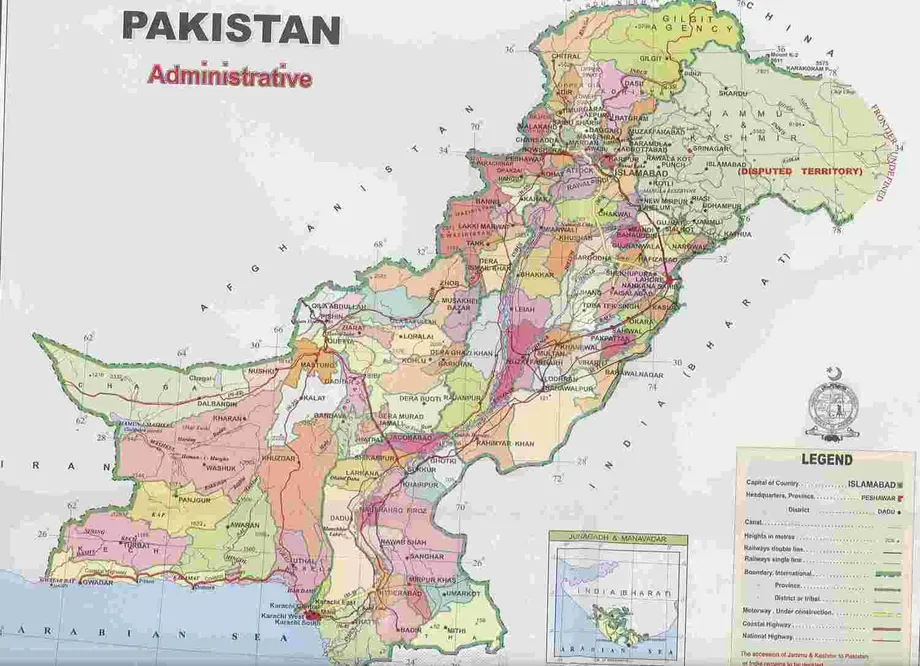
Khyber Pakhtunkhwa, in northwestern Pakistan, is at the centre of the political and security confrontation surrounding the order. The federal government imposed governor's rule and emergency measures, citing what it described as the provincial government's "deliberate disengagement" from the fight against terrorism.
The province had been governed by Pakistan Tehreek-e-Insaf (PTI), the party of jailed former prime minister Imran Khan. Tensions with the federal government had intensified after PTI announced a long march to Islamabad demanding his release.
Protests against the suspension of the provincial government turned violent in Bara, in Khyber district, with government buildings set on fire and demonstrators clashing with riot police. PTI officials said police used tear gas and live ammunition against Khan's supporters; the provincial administration rejected that account.
The breadth of the phrase "unpleasant incidents" matters in this setting. Television editors covering shootings or violence during political unrest must assess the same broadly worded instruction that lists terrorist attacks. Audiences trying to understand the confrontation depend on both prompt reporting and accurate accounts from the parties involved.
August rules also affect access to reporting
The Ministry of Information and Broadcasting's Foreign Media Facilitation Guidelines 2026, issued on August 4, introduced another layer of requirements for gathering news. They apply to foreign media and people working with them across print, television, digital, social media and other web platforms.
Mandatory registration with the ministry's External Publicity Wing extends to journalists, freelancers, stringers, fixers and other associated workers. Stringers contribute reporting without being permanent staff members; fixers help visiting journalists arrange access, travel, contacts and local reporting. Companies and production houses assisting foreign media must also register.
Registered or accredited workers must obtain a no-objection certificate from the External Publicity Wing before reporting or producing documentaries, films or social media material on assignments outside Islamabad, Lahore and Karachi. A no-objection certificate is written permission from the responsible authority to proceed with an activity.
For journalists covering developments in Khyber Pakhtunkhwa, the two sets of rules concern different stages of the work. The August guidelines govern registration and permission to undertake assignments, while the October directive governs what satellite television channels can transmit.
Permission periods and a wider press freedom dispute
The August guidelines set permanent accreditation at one year and temporary accreditation for visiting journalists at a maximum of three months. Registration cards may be issued within seven working days, while accreditation cards may take four to six weeks. The External Publicity Wing can request further information or documents.
A separate provision allows no-objection certificates for private or leisure visits to Abbottabad and Murree to be issued within three working days. The guidelines also provide for suspension or cancellation of registration or accreditation over false documents, misuse of cards, failure to report a change of organisation, or activities deemed contrary to Pakistan's sovereignty, security, ideology or public order.
The government described the guidelines as an administrative mechanism to verify media organisations, arrange access and coordinate reporting requirements. Nine Pakistani and international press freedom and rights groups urged Prime Minister Shehbaz Sharif in September to withdraw the permission requirements for journalists working with foreign outlets.
Pakistan ranked 153rd among 180 countries in Reporters Without Borders' 2026 World Press Freedom Index, within the lowest of its five categories. The dispute now involves both access to places where news is happening and the conditions under which television can present that news to the public.
How the restrictions developed
The October order draws on several years of regulatory and judicial references. The sequence also shows how requirements concerning transmission delays now sit alongside restrictions on coverage and permission to report.
- 2018: The Supreme Court issued a judgment in Suo Motu Case No. 28, later cited by PEMRA concerning broadcast delay procedures.
- September 5, 2022: The Islamabad High Court issued its order in CMA No. 102 of 2022, also cited in the October directive.
- February 20, 2023: PEMRA issued the earlier coverage prohibition, accusing channels of airing unverified and speculative information during militant attacks.
- August 4, 2026: The foreign media guidelines introduced registration, accreditation and reporting permission requirements.
- September 2026: Nine press freedom and rights groups called for withdrawal of the foreign media reporting restrictions.
- October 13, 2026: PEMRA renewed its instructions on incident coverage, official verification, transmission delays and editorial boards.
- October 16, 2026: CPJ called for the television restrictions to be withdrawn.
For a newsroom covering an unfolding incident, these requirements converge in a single practical problem: gathering information, securing any required access permission, obtaining official verification and deciding what can go on air quickly enough to serve viewers.
Key Points
- PEMRA's October 13 directive restricts broadcasts, rebroadcasts and live coverage of attacks and broadly defined "unpleasant" incidents.
- Satellite television channels must air information verified by the relevant government department or law enforcement agency.
- The order requires effective transmission delays and independent editorial boards, backed by a warning of legal action.
- CPJ called for withdrawal, warning that dependence on state authorised information threatens independent reporting.
- The restrictions arrive amid emergency measures and political clashes in Khyber Pakhtunkhwa.
- August guidelines separately require journalists working with foreign media to register and obtain permission for assignments outside three major cities.