Three puppies, two langurs and a story that spread worldwide
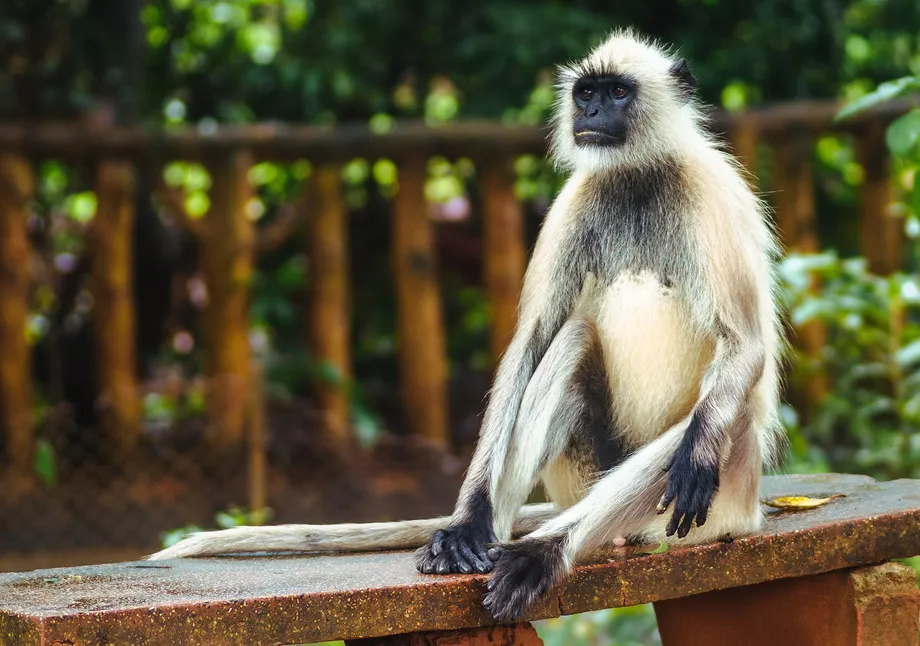
Two langurs captured in Maharashtra's Beed district in December 2021 became the centre of an extraordinary story: monkeys were said to have killed 250 dogs in revenge for the death of an infant monkey. Local forest officials gave a much smaller count and a different explanation. Sachin Kand, Beed's divisional forest officer, said the langurs carried away three puppies, which later died of starvation.
Contents
- Three puppies, two langurs and a story that spread worldwide
- How the trouble began in Lavul
- Fear brought a serious human injury
- Complaints in September, capture in December
- Where the revenge explanation came from
- What researchers said about animal behaviour
- Feeding can change how monkeys use a village
- Capture ended the immediate dispute, but prompted debate
- Key Points
D.S. More, a forest officer in Wadwani, estimated that three to four puppies had died. Villagers gave a figure of 50 to 60 as their local official count, although individual estimates ranged from fewer than 50 to about 200. The exact death toll was never settled through a documented count made public in these accounts.
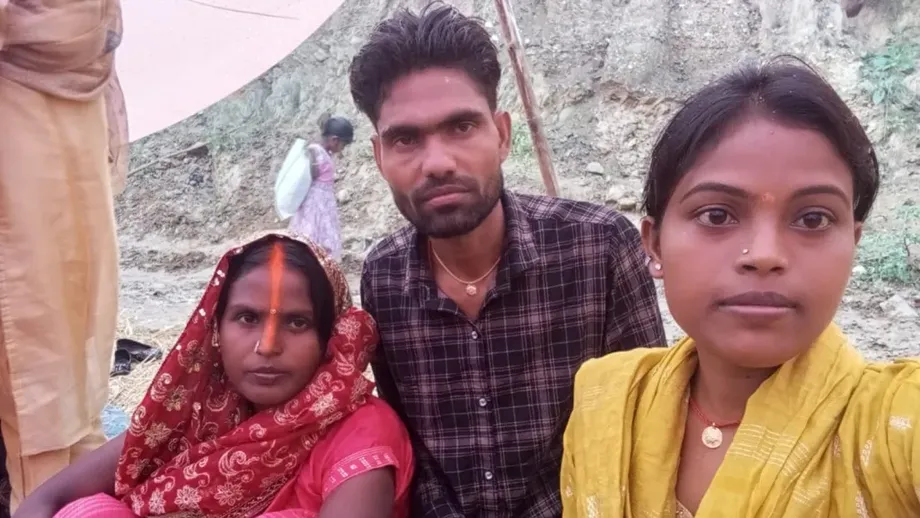
The incidents centred on Lavul, a village in Majalgaon tehsil, an administrative subdivision of Beed district. Residents described puppies being carried onto roofs and into trees, fear that disrupted daily routines, and a man seriously injured while attempting a rescue. Officials said the monkeys had not attacked residents or carried away children.
The most useful explanation of the episode brings those details together: vulnerable puppies became stranded at heights, residents struggled to respond, and a claim about revenge spread far beyond the village. The story concerns events in 2021, rather than a newly reported outbreak.
Kand, the senior forest official responsible for the district, directly challenged the widely circulated death toll:
News reports have drastically exaggerated the numbers,
His account shifted attention from a supposed campaign of deliberate killing to the deaths of puppies unable to feed themselves after being taken away from the ground.
How the trouble began in Lavul
Lavul lies about five to seven kilometres from Majalgaon and has more than 5,000 residents. Village accounts placed the arrival of the two monkeys in early September 2021, months before the episode attracted international attention.
Ravindra Shinde, a village council member, described monkeys as occasional visitors that had previously caused relatively little trouble. After these two arrived, residents began noticing puppies being picked up and carried onto tall buildings or into trees.
Some villagers said puppies fell from those places and died. More offered another explanation for the deaths: puppies left on roofs or branches could spend two or three days without food or water, and some might fall while attempting to get down. Kand said the three puppies in his account died from starvation and had not been physically harmed by the langurs.
A roof can become a trap for a small puppy. An animal carried there by a monkey may be unable to climb down, reach its mother or find water. This explains how carrying an animal away can have fatal consequences even when the carrying itself causes no injury.
The descriptions also changed as the story travelled. The broad claim concerned hundreds of dogs, while the detailed local accounts focused on puppies, animals small enough for the monkeys to pick up.
Fear brought a serious human injury
Sitaram Naybal climbed onto a roof to bring puppies down. When a monkey appeared, he became frightened and jumped. He fractured both heels, required rods in both legs and said treatment cost about 150,000 rupees.
Three months after the accident, Naybal said he could walk only slowly and for short periods. His injury shows the practical danger residents faced when trying to retrieve animals from roofs.
More said the monkeys had not attacked anyone in the village. He described accidents caused by fear, rather than direct assaults. Kand also rejected claims that the langurs had picked up children, while acknowledging incidents in which they snatched food.
Laxman Bhagat, another resident, described children being afraid to attend school and adults reluctant to leave home for work or the fields. Rumours that monkeys were chasing children helped spread that fear, and some households kept their doors closed.
Bhagat also described an effort to save stranded puppies. The monkeys stayed on his roof for several days and brought eight to ten puppies there. After hearing the animals crying at night, his household arranged for milk and bread to be placed on the roof. He said some survived and were later seen outside his home.
Complaints in September, capture in December
Nanasah eb Shelke, the village development officer, said he wrote to the forest department on September 12 or 13 and received no response. Residents said another letter also failed to bring effective action.
Radhakishan Sonawane, chairman of the village dispute resolution committee, said forest teams visited once or twice but inspected the situation and left. Villagers then sought wider publicity, after which the Dharur forest department called in a team from Nagpur to catch the monkeys.
The village chronology placed the capture on December 19. A contemporaneous account published that Sunday said the monkeys had been caught on Saturday, December 18. Both descriptions identified two captured monkeys and a forest team from Nagpur.
- Early September 2021: Residents said two monkeys arrived in Lavul and began carrying puppies to roofs and trees.
- September 12 or 13: The village development officer said he sent the first written complaint to the forest department.
- December 17 to 19: Claims about 250 deaths and revenge spread widely.
- December 18 or 19: A team from Nagpur captured the two monkeys, with the capture date differing between accounts.
- After capture: Forest officials said the monkeys were released into a forest away from the village.
The capture operation used a puppy inside a cage to attract the monkeys, according to the village account. Early descriptions said the animals would be released in a nearby forest; More and Kand subsequently said they had been released into forest habitat farther away.
Where the revenge explanation came from
Residents circulated a story that dogs had killed an infant monkey and that the adults were retaliating against puppies. Shinde also described a different village rumour: a female monkey distressed by losing her infant might have been carrying puppies as though they were her own young.
Some wildlife officials initially entertained retaliation as a possibility. Later explanations from named forest officers focused instead on puppies being carried away, stranded and deprived of food. The alleged killing of an infant monkey remained an unverified part of the village story.
More suggested that the monkeys picked up puppies to eat lice and fleas from their fur. He said puppies were easier to catch than adult dogs and were then left on roofs or in trees. Dhanraj Shinde, president of the Life Care Animal Association, suggested curiosity as another possible reason.
B.S. Naikwade, a veterinarian who had worked for many years at Siddharth Garden's zoo in Aurangabad, said monkeys can injure animals or people when angry, but described the account circulating about Lavul as exaggerated.
H.N. Kumara, a principal scientist at the Salim Ali Centre for Ornithology and Natural History, said monkeys carrying the young of another species had been too rare and sporadic for researchers to explain confidently. Addressing proposed motives in Beed, he said:
It's all speculation.
What researchers said about animal behaviour
Kumara explained that monkeys can recognise individual people and dogs and remember positive or negative encounters. He also noted examples of langurs riding on stray dogs or grooming them. Relationships between the species can therefore involve familiarity as well as conflict.
Asmita Sengupta, a researcher affiliated with the Ashoka Trust for Research in Ecology and the Environment, described studies involving captive primates. After an attack, an animal may be more likely to attack an individual related to its aggressor. Those reactions occur shortly after the initial confrontation. Researchers have not documented groups of primates carrying out retaliation after a long delay of the kind described in the Beed story.
Other specialists interpreted the episode through protection and learned responses to danger. Ajit Pawde, a principal scientist and wildlife centre head at the Indian Veterinary Research Institute in Bareilly, described animals remembering painful experiences and resisting a person associated with them.
Neelima Gupta, an animal science professor and vice chancellor of Dr. Harisingh Gour University in Sagar, suggested protective behaviour as an explanation. She stressed the strength of parental care among monkeys and their responses to perceived threats.
These specialists offered different views about animal emotions. Their explanations concerned immediate reactions, memory, protection and competition for resources. For Lavul, the directly described behaviour was the carrying of puppies to places from which they struggled to escape.
Feeding can change how monkeys use a village
Kand said feeding Hanuman langurs was common locally and had made them comfortable around people. Hanuman langurs, also known as grey langurs, are monkeys found across the Indian subcontinent. Their familiarity with people can bring them close to homes, food and other animals.
Kand described how that familiarity could turn into conflict:
However, when people stop feeding them, langurs do get aggressive and snatch food,
Sengupta pointed to a possible shared food supply for the langurs and puppies. Food left by people, rubbish and crops can bring different animals into the same space, creating competition. She presented that as a possible explanation for their interactions in Beed.
Research she helped conduct on rhesus macaques in West Bengal gives a concrete picture of changes associated with feeding. A 2015 study found that monkeys receiving food from people ate fewer meals based on leaves and fruit, reducing the seeds they dispersed through their droppings.
A 2018 study found that macaques expecting food spent more time on roads, exposing them to traffic. It also described threatening behaviour used to obtain food, including standing on the hind legs with arms outstretched and teeth exposed.
Those studies concerned macaques, whereas the Beed animals were identified as langurs. The findings help explain a practical concern raised by Kand: when wild monkeys regularly obtain food from people, homes and roads can become places they actively seek out.
Capture ended the immediate dispute, but prompted debate
Maharashtra's forest department removed the two langurs after residents complained about puppies being carried away and food being snatched. Their release into forest habitat was the final action described by the local officials.
Anindya Sinha, a primatologist at the National Institute of Advanced Studies in Bengaluru, warned that relocating primates can move a conflict from one area to another. Capturing an animal and releasing it elsewhere changes its location, while its learned behaviour may persist.
Kumara suggested captivity might be preferable in this case to prevent further conflict and hostility towards monkeys. That was a recommendation rather than the action taken by the department, which reported releasing the animals.
Lavul's experience brings together animal welfare and human safety. Puppies stranded above the ground needed food and a way down; residents attempting rescues faced the risk of falls. The strongest explanation of the episode keeps those specific harms at its centre, alongside the officials' much smaller death estimates and the unresolved reasons for the monkeys' behaviour.
Key Points
- The incidents occurred in Lavul, near Majalgaon in Maharashtra's Beed district, in 2021.
- Divisional forest officer Sachin Kand said three puppies were carried away and later died of starvation; forest officer D.S. More estimated three to four deaths.
- Villagers gave higher estimates, including a local figure of 50 to 60, while the claim of 250 deaths spread internationally.
- Residents described puppies stranded on roofs and in trees. One man fractured both heels after jumping from a roof in fear.
- Forest officials said the monkeys had not attacked residents or carried away children.
- The account of revenge after an infant monkey's death remained unverified.
- A Nagpur team captured two langurs in December, and officials said they were released into forest habitat.