Tashkent greenhouse plan pairs stricter controls with financial support
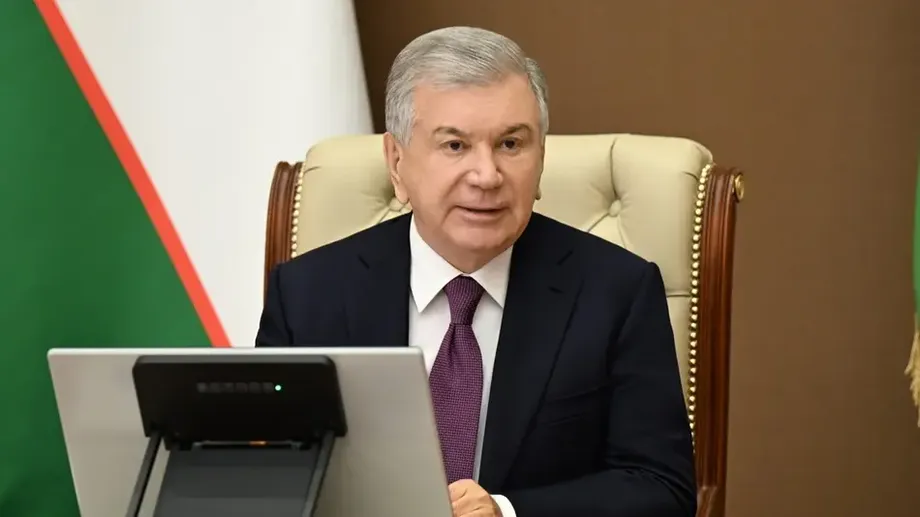
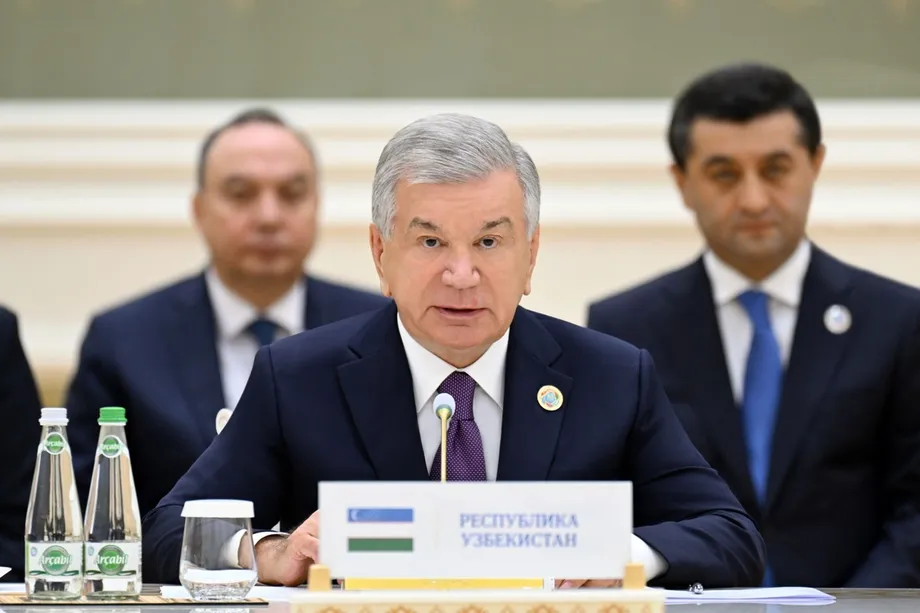
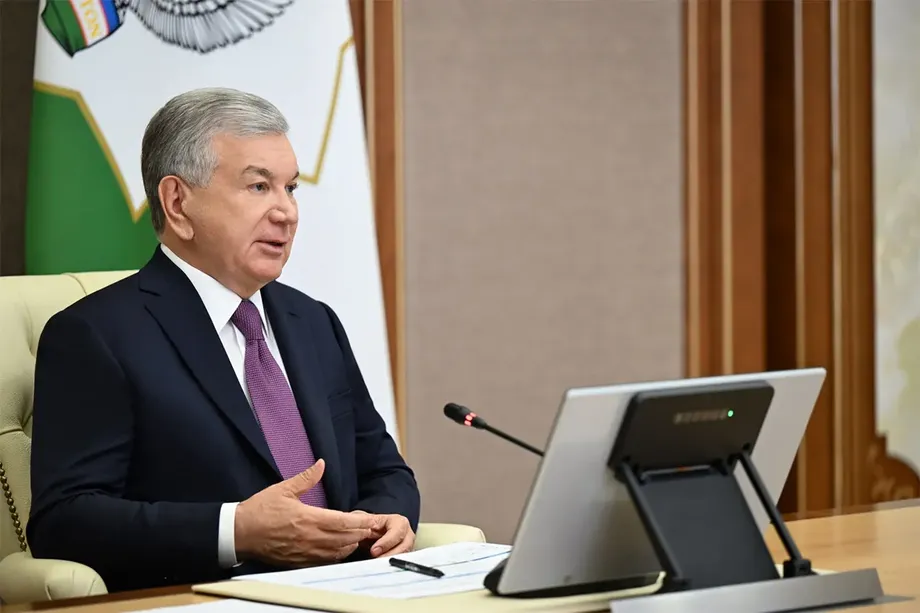
Uzbekistan is proposing a special environmental regime for greenhouses in Tashkent and five neighbouring districts, combining restrictions on polluting fuels with subsidies of up to 50 million soums per hectare and preferential loans of up to 3 billion soums for seven years. President Shavkat Mirziyoyev reviewed the package at a presentation on October 13, 2026.
Contents
- Tashkent greenhouse plan pairs stricter controls with financial support
- Which heating sources would be allowed?
- Failed equipment tests complicate the case for coal
- Monitoring would begin before the conversion deadline
- Commercial farms would receive help with conversion costs
- Household greenhouses have a separate support package
- Water treatment would address another source of pollution
- Sherabad zone would offer a route for relocation and expansion
- Land auction discounts would favour qualifying projects
- A digital map would connect locations with energy needs
- Key Points
The proposals extend beyond heating systems. They include household greenhouse tax relief through 2030, assistance for families in 50 local communities, infrastructure to treat contaminated greenhouse water and a development programme for the Surkhan-Agro free economic zone in Sherabad district. The zone has been allocated 940 hectares, with a target of attracting $100 million in investment in 2027.
The immediate focus is pollution around the capital during autumn and winter. A special commission inventoried greenhouses the previous year and helped some operators move to cleaner energy sources, but some facilities still burn coal. Weaker winds and temperature inversions can allow their emissions to accumulate in Tashkent and surrounding areas.
A temperature inversion occurs when warmer air sits above cooler air near the ground, restricting the mixing that normally disperses pollutants. The presentation identified this seasonal weather pattern as a reason for tighter greenhouse controls. It did not give a figure for the share of pollution in the capital attributable to these farms.
Much of the package remains at the proposal stage. The distinction matters for operators preparing investments: proposed grants, tax exemptions and fuel exceptions are not the same as confirmed access to funding or permission to continue operating. Some incentives in the Sherabad economic zone, however, were described as already granted.
Which heating sources would be allowed?
The proposed regime would permit natural gas, electricity, geothermal energy, solar energy and waste heat from thermal power plants. Waste heat means heat produced during electricity generation that can be captured for another use, such as warming a greenhouse.
The cleaner energy category is therefore broader than renewable power alone. Natural gas is included among the permitted fuels, alongside electricity and renewable sources. The central regulatory change is a restriction on how greenhouses generate heat and control emissions, rather than a requirement that every facility run exclusively on renewable energy.
Burning tyres, plastics, bitumen, fuel oil, used oils and waste would be prohibited. Greenhouses using solid fuels would be expected to switch to approved energy sources by December 1, 2026, unless they qualify for a tightly controlled exception.
That exception would require enclosed fuel storage, automated boilers, effective dust and gas cleaning equipment, a backup generator, safe collection of ash and slag, and chimneys meeting prescribed height requirements. These conditions cover fuel handling, combustion, pollution treatment and disposal of the material left after burning. No numerical chimney height or emission limits were specified in the presentation accounts.
Failed equipment tests complicate the case for coal
Greenhouse representatives have repeatedly sought permission to continue operating while modernizing existing facilities. They proposed installing efficient heating systems and monitoring atmospheric pollutants online, and said they were prepared to reduce emissions to levels required by environmental authorities.
Some representatives specifically requested permission to retain coal heating if they installed modern boilers and filtration systems. The National Committee on Ecology and Climate Change said greenhouse owners presented a prototype boiler and filter system based on Chinese technology.
Tests on September 30 and October 8 found that harmful emissions from that equipment did not meet the prescribed safety standards. Representatives were instructed to improve the filtration system and submit it for further testing. The committee said the prohibition on operating greenhouses without environmentally safe heating systems in the capital region would remain in place.
The failed tests give practical weight to the proposed exception rules. Installing a boiler and filter would not, by itself, establish that a facility meets emission requirements. The reported test results concern the prototype presented by operators, not every filtration system available to greenhouse farms.
Monitoring would begin before the conversion deadline
Continuous environmental monitoring is planned from October 15, 2026, through March 15, 2027. It would examine whether pollution cleaning equipment works, how much pollution facilities emit and whether operators comply with fuel restrictions.
Measuring instruments and video surveillance systems would transmit data in real time to the National Committee on Ecology information system. Drones and public representatives would also participate. The approach would combine instrument readings with observation of equipment and operating practices.
The reported schedule puts the start of monitoring before the December conversion deadline, rather than after it. Important dates are:
- September 30 and October 8: tests of a prototype boiler and filtration system failed to meet safety standards.
- October 13, 2026: Mirziyoyev reviewed the greenhouse proposals.
- October 15, 2026: the planned monitoring period begins.
- December 1, 2026: the proposed deadline for switching from solid fuels, subject to qualifying exceptions.
- March 15, 2027: the planned monitoring period ends.
Some accounts describe the schedule as occurring in the current year and the following year without giving calendar years. Other reports specify December 2026 and the October 2026 to March 2027 monitoring period, consistent with the account dated October 13, 2026.
Enforcement measures would apply where cleaning equipment is absent, emissions exceed permitted limits or prohibited fuels are used. Operations could be suspended where necessary. The presentation accounts do not specify fine amounts, an appeal process or a date for adopting the complete regulatory package.
Commercial farms would receive help with conversion costs
For greenhouse farms adapting to the requirements, officials proposed subsidies of up to 50 million soums per hectare for environmentally friendly and efficient equipment. Preferential loans could reach 3 billion soums, with a repayment term of seven years.
The hectare basis makes greenhouse area relevant to the subsidy ceiling. At the proposed maximum rate, a two hectare facility would have a calculated ceiling of 100 million soums. That is an illustration of the formula, not confirmation that every eligible farm would receive the full amount.
Separate measures would reduce the cost of buying and installing environmental monitoring equipment. This addresses an additional expense beyond replacing a heating system: operators may need instruments and communications equipment to demonstrate continuing compliance.
The proposed loan ceiling has been reported as approximately $252,400. The soum amount is the more useful reference for the programme because dollar equivalents depend on exchange rates. Interest rates, collateral requirements, application procedures and the rules for combining loans with subsidies have not been specified.
Household greenhouses have a separate support package
Household greenhouse proposals would reduce land and property taxes by 50% through 2030, exempt the farms from turnover tax and reimburse half the electricity costs incurred by systems that save energy. Turnover tax is calculated on business revenue rather than profit.
The electricity measure is described as compensation for power consumed by qualifying efficient systems, rather than a blanket promise to cover half of every household electricity bill. Eligibility standards and the reimbursement procedure have not been detailed.
Households in Tashkent and surrounding areas could receive grants of up to 100 million soums to introduce cleaner energy sources and efficient equipment. Preferential loans would reach up to 300 million soums for building new environmentally friendly greenhouses and up to 150 million soums for modernizing existing facilities.
Reports differ on the household funding figures. One account gives grants of up to 300 million soums and loans of up to 100 million soums in its opening paragraph, then gives a 150 million soum modernization loan ceiling later. The more consistently described package separates 100 million soum grants, 300 million soum construction loans and 150 million soum modernization loans. Those figures still describe proposed support, not confirmed awards.
Environmentally safe greenhouses are also planned for families in need across 50 mahallas specializing in greenhouse farming. Mahallas are local neighbourhood communities. The plan does not specify how many families would benefit or how recipients would be selected.
Water treatment would address another source of pollution
Officials also considered collecting, treating and reusing contaminated drainage and filtration water generated by greenhouse farms. They proposed a specialized operator and the necessary infrastructure in Akhangaran district.
This is a separate environmental task from reducing chimney emissions. Switching heating sources does not resolve how a farm handles contaminated water. The water proposal would create a service responsible for treatment and reuse, rather than leaving the issue solely to individual operators.
No treatment capacity, construction schedule, service tariff or water quality target was specified. The presentation also did not quantify the volume of contaminated water produced by greenhouses or the amount that could be reused. Those details would be needed to judge the scale and cost of the planned service.
Sherabad zone would offer a route for relocation and expansion
The Surkhan-Agro free economic zone in Sherabad district is the main regional development component. A total of 940 hectares has been allocated and a master plan prepared. Officials proposed greenhouse and agricultural logistics facilities, including the relocation of greenhouses currently held on bank balance sheets.
Facilities are planned across 400 hectares and would be offered to investors as completed projects. That area represents approximately 42.6% of the 940 hectares allocated to the zone. It should not be read as 400 hectares of greenhouse growing space alone, because the figure also includes agricultural logistics facilities.
Investors have been granted a zero land rental rate for five years and three years of concessions on sewerage and groundwater use charges. These were described as existing benefits, unlike several further incentives still under consideration.
The additional proposals include five year exemptions from land, property and profit taxes, plus exemption from customs duties for imported greenhouse equipment. The presentation did not give a completion date for the 400 hectares of facilities or identify investors committed to purchasing them.
Land auction discounts would favour qualifying projects
Officials proposed auctioning zone land with starting prices equal to 10% of its normative, or assessed, value. For projects worth more than $10 million and businesses relocating greenhouses from Tashkent city or Tashkent Region, the proposed starting price would fall to 1%.
The qualifying starting price would therefore be one tenth of the standard proposed starting price, a 90% reduction. Because these are auction starting prices, they would not necessarily be the final amount paid after bidding.
The lower rate links regional investment policy to the environmental programme around the capital. A business moving its greenhouse operation from Tashkent could qualify for a more favourable auction entry price, while farms remaining near the capital would face the proposed heating and monitoring requirements.
Officials were instructed to allocate 220 billion soums for zone infrastructure and another 200 billion soums for project financing. Together, those allocations total 420 billion soums, with infrastructure accounting for approximately 52.4%. The separate $100 million investment target is for 2027 and should not be treated as investment already secured.
A digital map would connect locations with energy needs
Officials were tasked with preparing a digital map showing greenhouse locations, their energy sources and the volumes of energy supplied. This would bring together information relevant to both pollution controls and the proposed transition in heating.
The map could help distinguish facilities already using permitted sources from those needing conversion. Recording supply volumes would also provide information needed to assess energy requirements. Inclusion of gas, electricity or waste heat on the permitted list does not, by itself, establish that every greenhouse has access to an adequate supply.
Authorities were also instructed to develop measures expanding sales opportunities for greenhouse produce in domestic and foreign markets. No specific export destinations, sales agreements or timetable were announced.
The next concrete dates in the reported programme are the October 15 monitoring start and December 1 conversion deadline. Beyond those dates, key unresolved details include final approval of the proposed benefits, funding access, technical standards for solid fuel exceptions and the results of any further prototype tests. The package combines continued operation under stricter conditions near Tashkent with incentives to modernize or relocate, rather than announcing an unconditional right for existing farms to keep operating.
Key Points
- A special environmental regime is proposed for greenhouses in Tashkent and five neighbouring districts.
- The proposed solid fuel conversion deadline is December 1, 2026, with exceptions subject to strict technical requirements.
- Monitoring is planned from October 15, 2026, to March 15, 2027; violations could lead to suspension.
- Commercial support would include subsidies up to 50 million soums per hectare and loans up to 3 billion soums for seven years.
- Household proposals include tax relief, grants up to 100 million soums and separate construction and modernization loans.
- A prototype boiler and filter system failed safety tests on September 30 and October 8.
- Surkhan-Agro has 940 hectares allocated, with facilities planned on 400 hectares and a $100 million investment target for 2027.
- Several incentives remain proposals, and detailed eligibility and implementation rules have not been specified.