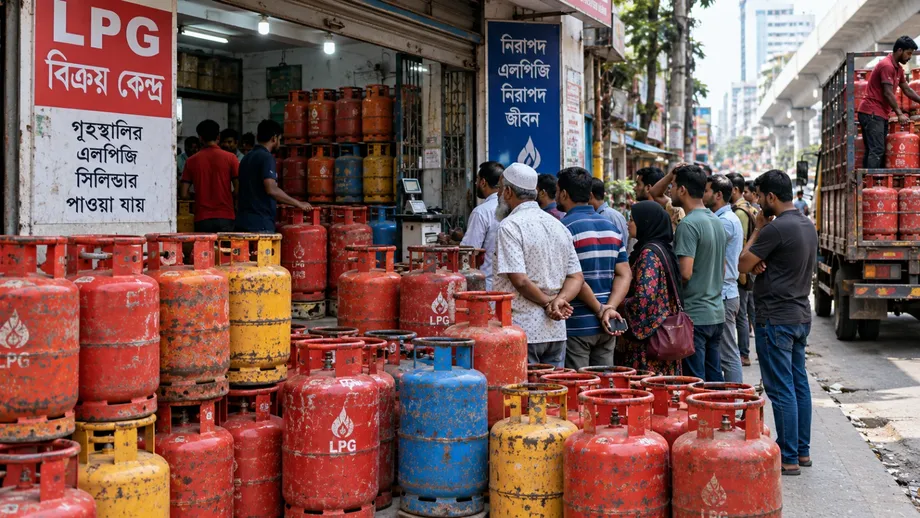
A higher official price has not brought cheaper access
Bangladesh raised the official price of its most widely used cooking gas cylinder to Tk 1,837 on October 4, 2026, but consumers continued to face empty shops and demands for as much as Tk 2,700. The Bangladesh Energy Regulatory Commission (BERC) increased the price of a 12 kg liquefied petroleum gas (LPG) cylinder by Tk 252, effective at 6 pm, without an immediate return to normal supplies.
Contents
- A higher official price has not brought cheaper access
- How the shortage developed
- What BERC changed in its calculation
- Import figures do not agree
- Why some brands have disappeared
- Advance payments do not guarantee delivery
- The commission dispute and the missing Tk 100
- Public hearings become another point of dispute
- The pressure extends beyond Dhaka kitchens
- Inspections, fines and safety concerns
- What remains unresolved
- Key Points
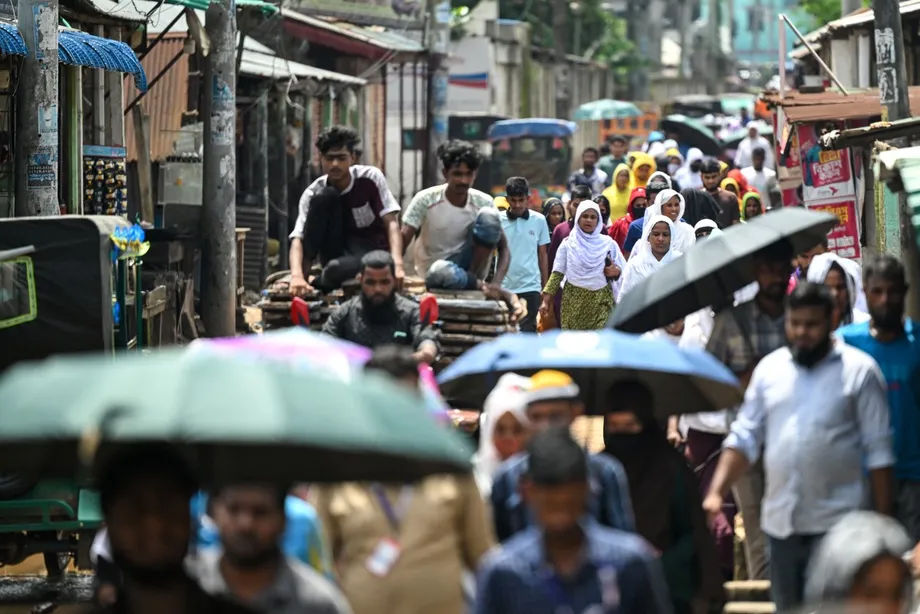
The gap is substantial even after that increase. A Tk 2,400 purchase costs Tk 563 above the regulated price, or about 30.6 percent more. At Tk 2,700, the excess reaches Tk 863, about 47 percent. In Mirpur's Paikpara, a resident was quoted Tk 2,400 by a retailer who said buying the cylinder had already cost him Tk 2,300.
Tamanna Akhtar, a resident of Shewrapara in Mirpur, paid Tk 2,500 for a delivered 12 kg cylinder, Tk 663 above the October price. Other accounts put retail prices between Tk 2,000 and Tk 2,600, showing that the extra charge varies by location, seller and brand rather than following a single market rate.
At the centre of the dispute are conflicting accounts of imports, complaints that deliveries have stopped despite advance payments, and a distribution commission that traders say no longer covers their expenses. Bangladesh has about 10 million LPG customers, with roughly 80 percent using the fuel for household cooking. For them, an announced price has little practical value unless a cylinder is available at that price.
How the shortage developed
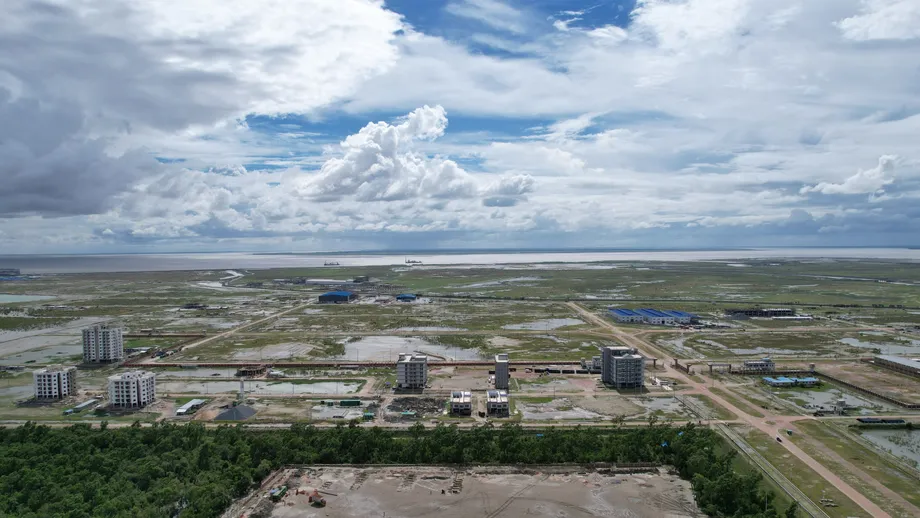
The pressure on bottled gas followed disruption to a different fuel: liquefied natural gas (LNG), which is converted back into gas for the national pipeline network. A July 21 fire at a floating LNG terminal in Moheshkhali, Cox's Bazar, reduced grid supplies. LPG, usually a mixture of propane and butane, became an alternative for users facing unreliable piped gas.
LNG supply recovered around the middle of September, according to accounts of the disruption, but cylinder shortages and elevated prices continued. Petrobangla figures cited during the crisis put national gas demand near 4,000 million cubic feet a day against supply of about 2,600 million. That represents a gap of roughly 35 percent, separate from the temporary terminal disruption.
- July 21: A fire at the Moheshkhali LNG terminal reduced gas supplied to the national grid.
- Mid September: LNG supplies were reported to have returned to normal after the disruption.
- September 20: Fuel prices rose by Tk 20 per litre; distributors also identified this period as the start of sharper delivery cuts.
- September 30: The energy minister instructed district administrators to investigate possible artificial shortages and act against excessive pricing.
- October 4: BERC raised the 12 kg cylinder price from Tk 1,585 to Tk 1,837.
- October 11: Consumer protection teams conducted inspections in Dhaka and 31 districts.
Energy Minister Iqbal Hassan Mahmood Tuku and Commerce Minister Khandaker Abdul Muktadir also met LPG importers before the October adjustment. Those interventions did not immediately settle the disagreement over where supplies were being restricted.
What BERC changed in its calculation
BERC attributed the increase to international prices and import expenses. Its October calculation used Saudi contract prices of $680 per tonne for propane and $730 for butane. Applying a mixture of 35 percent propane and 65 percent butane produced an average of $712.50 per tonne, compared with $647.75 in September.
The regulator also increased its allowance for freight and trader premiums from $160 to $250 per tonne. Together, the Saudi contract price and that allowance rose from $807.75 to $962.50 per tonne, about 19.2 percent. The dollar exchange rate used in the calculation slipped slightly, from Tk 123.30 to Tk 123.18.
The resulting consumer price rose about 15.9 percent. BERC set LPG at Tk 153.06 per kg and increased prices proportionally for cylinders ranging from 5.5 kg to 45 kg. Autogas, LPG sold for vehicles, rose from Tk 73.09 to Tk 84.62 per litre.
Importers separately claimed actual ocean freight had reached $400 per tonne. That claim should not be confused with BERC's combined allowance for freight and trader premiums. Reports referring to a $160 benchmark describe a different figure from the $250 allowance identified in the October calculation. Establishing the actual expenses requires invoices rather than treating these figures as interchangeable.
Import figures do not agree
The LPG Operators Association of Bangladesh (LOAB) says Bangladesh imported 156,000 tonnes in September, compared with 158,000 in August. On those figures, imports fell by only 2,000 tonnes, about 1.3 percent. The association considers that volume sufficient to meet demand and rejects allegations that operators created an artificial shortage.
A competing account, described as drawing on official import figures, puts September imports near 120,000 tonnes against almost 160,000 in August. That would represent a decline of about 25 percent. Operators disputed that account in an October 1 letter to the Energy Division. The two versions cannot both describe the same monthly total on the same basis.
There are also allegations that some importers delayed unloading cargoes or releasing gas into the market. These remain allegations, not established findings. Even if total imports stayed close to August levels, that alone would not establish how much gas reached bottling plants, dealers or particular districts.
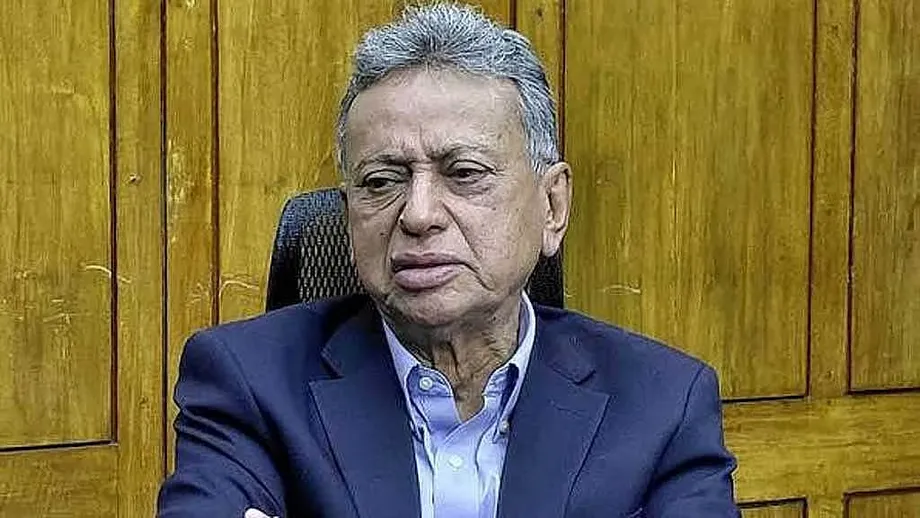
BERC sought September import and sales information from 12 importers, referring to National Board of Revenue data. Chairman Jalal Ahmed said five companies had submitted information by the Sunday following the request. The commission was examining the submissions, but no completed finding resolving the import discrepancy or alleged withholding of supplies was reported.
Why some brands have disappeared
Retail accounts describe cylinders from two of six companies missing from many Dhaka outlets, with distributors saying those suppliers had stopped accepting orders. Other distributors identified Meghna Fresh, Omera, I Gas, Jamuna, Petromax and BM as regular suppliers, while saying several other operators delivered little or nothing.
Counts of active businesses differ. LOAB representatives described six importers; BERC figures cited elsewhere put importing companies at 10 to 12, despite 32 to 33 licences. Another distributors' association described 55 licensed businesses, about 25 active operators and only five or six active importers. These counts may involve different activities or definitions and do not establish a single verified total.
Green LPG illustrates how a bottling company can suffer even when other businesses continue importing. Its general manager, Ahsan Habib Hero, said the company had not imported gas for two years and instead bought from other operators. Against demand of 2,000 tonnes, he said it received only 150 tonnes in September, equivalent to 7.5 percent of its requirement.
Green LPG dealer Mozammel said he had received at most 2,000 cylinders in September against monthly sales that had reached 20,000. Abu Taher Quraishi, treasurer of the LP Gas Business Cooperative Association, identified another constraint: customers normally exchange an empty cylinder within the same brand. Switching companies means buying another cylinder as well as the gas, making a missing brand more costly than simply choosing another product.
Advance payments do not guarantee delivery
Retailers say the shortage is tying up money as well as reducing stock. Noor Hossain Bappi, owner of Bappi Enterprise in Swamibagh, described paying before delivery without receiving the cylinders he needed.
Cylinders are expensive to buy. We pay the company's dealer in advance. Even then, they don't give us the cylinders,
Quraishi said companies sought the revised price for supplies from the beginning of October, including deliveries connected to earlier payments. LOAB President Mohammad Amirul Haque denied that operators were charging distributors above the regulated rate and said deliveries were supported by bank transactions.
Haque said operators should face punishment if evidence established wrongdoing:
We conduct all our transactions through banks. Cylinders are supplied to dealers against bank receipts. The government should take action against those charging more. If we charge more, we will accept punishment,
Those accounts put purchase records at the heart of the dispute. A retailer's claim of paying more is not proof that an importer violated the price structure, but the operator's denial does not explain an undelivered order. Bank receipts, invoices, delivery dates and actual quantities would allow regulators to check each transaction rather than assign responsibility to an entire tier of businesses.
The commission dispute and the missing Tk 100
A traders' letter dated October 6 put operator prices for a 12 kg cylinder between Tk 1,740 and Tk 2,000. BERC's stated wholesale rate was Tk 1,742. With a Tk 50 distributor commission, the expected price to the retailer was Tk 1,792, leaving Tk 45 before the consumer ceiling of Tk 1,837.
One account instead describes the retail allowance as Tk 40. That figure does not fully reconcile with the stated wholesale rate, distributor commission and final price, which together imply Tk 45. The difference needs clarification rather than being silently added into the calculation.
Distributors estimate their expenses at Tk 50 for transport to a warehouse, Tk 35 for loading, unloading and delivery to retailers, and Tk 25 for staffing, rent, electricity, licences and other costs. These expenses total Tk 110. Adding their requested Tk 40 profit produces Tk 150, compared with the Tk 50 commission they say has remained unchanged for five years.
The claimed shortfall is therefore Tk 100 per cylinder, including the desired profit. It does not by itself account for consumer premiums of Tk 363 to Tk 863. Higher operator prices, further transport expenses and margins at other stages are also alleged, but require separate verification.
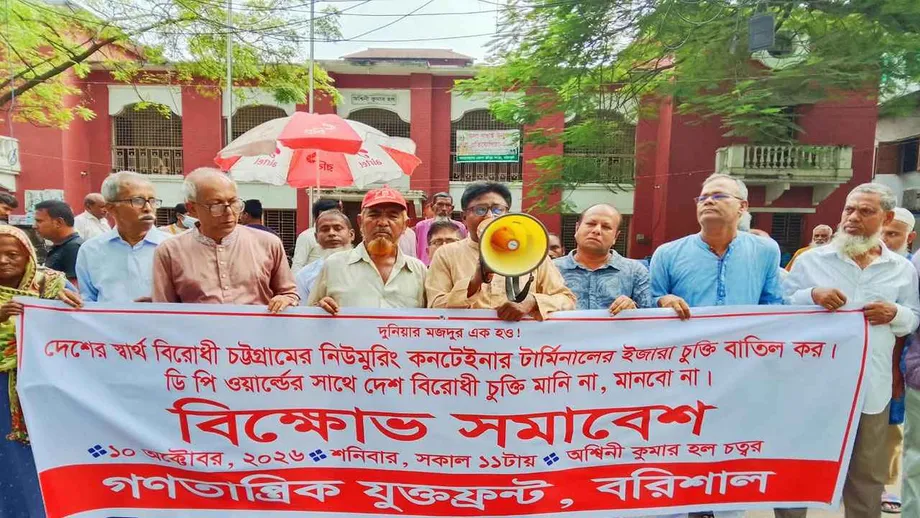
The commission request was sent to the energy and commerce ministries, consumer protection authorities and district administrators. Traders discussed a further programme to press their demand, while some said suspending sales was under consideration. No confirmed suspension or approved commission increase was reported.
Public hearings become another point of dispute
Consumers Association of Bangladesh (CAB) energy adviser M Shamsul Alam challenged the October decision on procedural grounds. He cited an August 25, 2020 High Court directive requiring LPG prices to be determined through public hearings and said hearings stopped after April 2021.
BERC Chairman Jalal Ahmed disputed that account, saying hearings took place in April and October 2021 and established the monthly pricing mechanism. He argued that a new hearing was unnecessary for every adjustment to international prices, freight, exchange rates and fuel costs.
The disagreement matters because hearings allow consumer representatives to question claimed costs. Alam recalled that companies submitted freight invoices around $120 per tonne in 2021, while CAB presented a Mongla shipment document showing $69. Those historical figures do not establish current freight rates, but illustrate why checking the underlying documents is contested.
Ahmed said a commission review would require a hearing:
If we move to revise these, we will certainly hold a public hearing,
Alam also cited a September 21 distributors' complaint that suppliers charged Tk 1,550 to Tk 1,720 against a prescribed Tk 1,475. CAB sought an inquiry under Section 11 of the BERC law. No fresh judicial decision settling the hearing dispute, or date for a commission hearing, was reported.
The pressure extends beyond Dhaka kitchens
Faridpur consumers described cylinder prices of Tk 2,000 to Tk 2,500, with higher costs in remote markets in Nagarkanda, Saltha and Madhukhali. Reports describing the excess there as Tk 200 to Tk 500 do not match the full quoted range: against Tk 1,837, those prices imply premiums of Tk 163 to Tk 663.
In Chattogram, reported prices were lower, at Tk 1,950 to Tk 2,100, but availability remained a problem. A Chandanaish retailer said sales had fallen by more than 60 percent. Separate Dhaka accounts described a Tk 400 price difference over only one kilometre, further evidence that buyers were encountering sharply different local conditions.
Restaurants face larger bills because they use larger cylinders and buy frequently. One Mymensingh restaurant needed about 20 large cylinders a month. At an alleged excess of Tk 1,200 each, the additional monthly expense was Tk 24,000.
Vehicle users also faced disruption. The Bangladesh Petrol Pump Owners Association estimated that 70 to 80 percent of about 1,000 autogas stations had been closed for a month. LPG Filling Station Owners Association secretary general Hasin Parvez said a station needing 30 tonnes monthly was receiving only five to six tonnes, about 17 to 20 percent of demand.
Other accounts described supplies returning to some stations after the price adjustment. That does not establish a nationwide recovery. Autogas sector representative Sirajul Mawla estimated monthly demand at 20,000 tonnes and said restoring operations could take up to three weeks, a forecast rather than a guaranteed deadline.
Inspections, fines and safety concerns
The Directorate of National Consumer Rights Protection reported 242 LPG inspections between September 2 and October 6, penalising 478 distributor and retail businesses a total of Tk 1,125,000. Director Atiya Sultana provided those figures as enforcement continued.
On October 11, 46 monitoring teams inspected markets in Dhaka and 31 districts, imposing Tk 771,500 in fines on 87 businesses. That operation covered LPG, edible oil and other goods, so its entire penalty total should not be presented as punishment for gas cylinder violations.
Officials checked supplies, prices, suspected artificial shortages, displayed price lists and purchase records. Zahed Ur Rahman, the prime minister's information and broadcasting adviser, said district administrators would receive instructions to enforce official prices. Faridpur Additional District Magistrate Susmita Saha said local administrative officers and executive magistrates had already been instructed to monitor LPG prices.
Cylinders were also appearing in mobile recharge, cement, hardware and grocery shops. Such sales do not establish that every outlet lacked permission, but LPG sellers require licences from government agencies including the Department of Fire Service and Civil Defence because the gas is highly flammable.
In Ashulia, an inspection resulted in a Tk 200,000 fine over allegations including excessive pricing, transferring gas from larger cylinders into smaller ones and putting water into cylinders. Consumer protection authorities advised buyers to retain receipts and report overcharging or other irregularities through hotline 16121.
What remains unresolved
The central unanswered issue is whether gas is missing at the import stage, held between importers and bottlers, or reaching dealers at prices that undermine the regulated structure. BERC's examination of importer records could distinguish those explanations, but no final result or publication deadline was reported.
The longer price history also contains discrepancies. Two accounts put January's 12 kg price at Tk 1,306, making October Tk 531, or about 40.6 percent, higher. Another gives January as Tk 1,253 and places the Tk 1,940 peak in April rather than May. All agree on September's Tk 1,585 and October's Tk 1,837, making the latest increase the firmer comparison.
State supplies are too small to provide a widely available alternative. Reports place the private share of the sector at about 98 to 99 percent, but disagree on the state company's 12.5 kg price, giving either Tk 777 or Tk 825. Those figures also concern a different cylinder size from the private 12 kg product.
Former Bangladesh University of Engineering and Technology professor Ijaz Hossain advocated state buffer stocks or a price stabilisation fund. Calls for Bangladesh Petroleum Corporation to import a substantial share of LPG are proposals, not announced measures. LOAB representatives also sought more importers, removal of import quotas and fewer licensing approvals. None constitutes an immediate assurance of a cylinder at the official price.
Key Points
- The official October price for a private 12 kg LPG cylinder is Tk 1,837, effective from 6 pm on October 4.
- Reported retail prices reach Tk 2,700, about 47 percent above that ceiling.
- LOAB says September imports were 156,000 tonnes; a competing account puts them near 120,000 tonnes.
- BERC requested import and sales records from 12 importers; no final finding was reported.
- Distributors seek a commission review, while BERC says changes require a public hearing.
- Households, restaurants and autogas stations continue to report uneven deliveries.
- Consumers can report overcharging and other irregularities through hotline 16121.