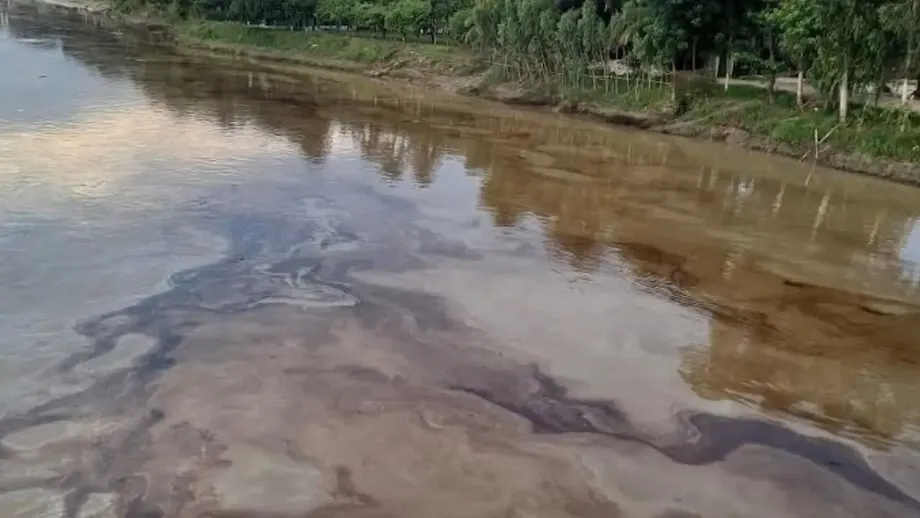
Four pollution measures breach limits near the Sangu
Water flowing from Bangladesh's Dohazari Kaliaish 100 MW power plant into Moillya canal contained oil and grease at 3.1 times the permissible limit, suspended solids at 4.4 times the limit and chemical oxygen demand at 3.9 times the standard, according to Department of Environment testing. The water's pH was also below the permitted range.
Contents
- Four pollution measures breach limits near the Sangu
- What the water test establishes
- A canal connecting waste, farmland and the river
- Farmers describe lost irrigation water and damaged crops
- Flooding exposed the plant's sludge storage
- Why fisheries officials warn about oxygen and food
- From July floods to October test findings
- Cleanup figures describe different quantities
- Legal action and prevention remain unfinished
- Key Points
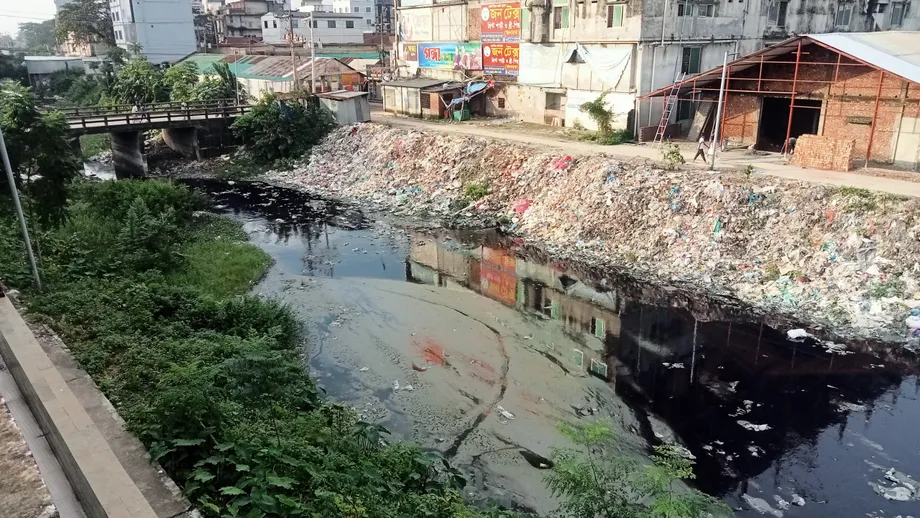
The canal carries water roughly three kilometres to the Sangu River at Chagachar in Maleyabad village. The findings move the dispute beyond complaints about black water and foul smells: an environmental inspection has established that all four tested measures were outside permissible limits at the sampled discharge.
The Department of Environment, or DoE, says it has issued a notice and instructed the Bangladesh Power Development Board plant in Satkania, Chattogram, to stop polluted water leaving its premises. Officials and plant management say the discharge route has since been closed. Further legal action is to be handled by the department's regional office.
The case involves several distinct problems: sludge escaping during July floods, subsequent observations of oily water entering the canal, damage alleged by farmers and fishers, and a large volume of waste still stored inside the plant. Closing the outlet addresses the discharge route, but does not establish that contamination already in the canal or river has been removed.
What the water test establishes
DoE inspector Moinuddin Faisal inspected the plant on 16 September. He said a sample was collected from blackish water flowing through a drain from inside the plant into Moillya canal, near the Chattogram to Cox's Bazar highway. Inspectors also visited the canal's meeting point with the Sangu and observed blackish water spreading there.
The three numerical results measure different aspects of pollution. Oil and grease indicate oily contamination. Suspended solids are particles carried in water, which can reduce clarity and affect aquatic animals. Chemical oxygen demand measures the oxygen needed to chemically break down substances in a sample. A high reading indicates a greater pollution burden, but is not itself a measurement of oxygen available to fish.
The pH result shows that the sample was more acidic than the permitted range allows. The actual pH reading, pollutant concentrations and numerical regulatory thresholds were not disclosed in the accounts of the findings. The reported multiples therefore show the scale of the breaches without allowing a detailed reconstruction of the laboratory results.
The sample establishes pollution at the discharge location. It does not establish that the same concentrations occurred throughout the Sangu, or quantify how much sludge reached the river. Those distinctions matter when assessing the extent of contamination and deciding where further testing is needed.
A canal connecting waste, farmland and the river
Moillya canal begins near the Moillyar Deba waterbody in North Kaliaish, about 300 metres east of the power plant. It passes along the plant's southern side before joining the Sangu approximately three kilometres west at Chagachar.
Observations reported on 29 September and in early October described black oily material in the canal, residue on vegetation along its banks and a foul smell. Residents say rainwater and tidal flows carry the waste beyond the immediate discharge point.
Residents also allege that contamination can spread through connected waterways, including Dolu and Hangar canals. That wider spread has not been established by the reported laboratory test. The documented inspection and sampling concern the plant's drainage route into Moillya canal and the observed movement of blackish water toward the Sangu.
This geography connects the pollution complaint to both farming and fishing. The canal is an irrigation source along its banks and a route into a river supporting a much wider aquatic habitat.
Farmers describe lost irrigation water and damaged crops
Information from residents and the upazila agriculture office indicates that more than 100 farmers previously used Moillya canal to cultivate about 30 hectares along its roughly three kilometre course. Residents say the water is now unusable for agriculture and cultivation has declined because of pollution and other causes.
Farmer Abdus Sattar, who grows bananas near the canal east of the highway, said floodwater carrying blackish sludge entered his land and most of his banana plants died. He also reported that a layer of sludge remained on parts of the field. These are allegations of crop damage, not findings from a published agricultural assessment.
Local fishers describe fewer fish after oily material spread through the water. They say oil sticks to their hands and feet when they lift their nets. No catch survey, quantified crop loss assessment or compensation amount has been announced.
Abdul Gafur, a member of Kaliaish union parishad, said the canal's agricultural use makes stopping the discharge essential. He described the demand he had taken to the administration:
People use its water for farming. The power plant must permanently stop its waste from entering the canal. I have informed the administration so that action can be taken.
Flooding exposed the plant's sludge storage
The Bangladesh Power Development Board plant occupies six acres in Kaliaish union and began operating in 2011. It burns furnace oil to generate electricity and produces sludge, an oily waste residue that management says is stored in a pond before being sold through a tender.
Plant manager and BPDB Superintendent Engineer Md Abdul Mannan linked the July release to flooding of that storage pond. Explaining how waste escaped, he said:
We store the sludge in a pond for several months and later sell it through a tender. During the floods in Satkania in July, the pond inside the plant went under water. The sludge mixed with the floodwater and spread through the canal into nearby areas.
Mannan said the plant learned about the problem from local farmers in September. He has described the discharge as an unintended accident caused by heavy rain and overflow, and said removal and preventive measures were underway.
Residents give a broader account, alleging that black sludge has entered the canal since the plant began operating. That allegation and management's explanation of a flood related accident describe different possible durations of the problem. The inspection and test establish the recent discharge, but do not determine how long contamination has occurred or verify every earlier episode alleged by residents.
Why fisheries officials warn about oxygen and food
Salma Begum, Chattogram's district fisheries officer, warned that excessive oil and grease can threaten aquatic animals by interfering with their ability to obtain oxygen. Describing the potential consequences, she said:
If the level of oil and grease is high, aquatic animals may have difficulty breathing and could die from a lack of oxygen.
Begum also warned about suspended particles and possible exposure through eating contaminated fish:
High levels of suspended solids can also harm aquatic animals. If pollutants accumulate in fish, they can enter the human body when people eat those fish, which can be harmful to health.
River researcher Md Manjurul Kibria of BGC Trust University Bangladesh said furnace oil can form a layer that restricts oxygen exchange and sunlight, affecting plankton, aquatic plants, fish and other wildlife. He also described rain and tidal currents as routes carrying sludge into the Sangu.
The ecological concern extends beyond the visibly black section of canal. A study published in July identified 75 fish species in the Sangu, which runs about 294 kilometres from Myanmar's Arakan Hills through Bandarban and Chattogram to the Bay of Bengal. Around 170 kilometres are within Bangladesh.
These warnings describe risks, not confirmed human poisoning or measured contamination in fish. No fish tissue results, documented illness cases or verified count of aquatic deaths have been announced in connection with the incident.
From July floods to October test findings
The sequence shows a gap between the flood release described by management, public protests and the environmental investigation. It also explains why earlier accounts described laboratory results as pending while a later account gave the pollution figures.
- July 2026: Flooding submerged the plant's sludge pond, according to management. Residents say oily waste spread into farmland and residential areas.
- 12 September: Residents of Maleyabad, Rasulabad and New Chagachar formed a human chain outside the plant. A written complaint to management followed.
- 16 September: DoE inspector Moinuddin Faisal inspected the plant and collected a water sample.
- 29 September: Reported observations described oily material entering Moillya canal through the plant's southern drain.
- 4 October: Accounts of the inspection still described laboratory results as pending. Residents said sludge removal had begun about 10 days earlier.
- By 5 October: Test findings showed all four measured parameters outside permissible limits.
A separate enforcement update says a notice was issued and the discharge route closed, but does not give an exact closure date. It therefore cannot establish precisely how that action relates to the observations of flowing waste in late September and early October.
Cleanup figures describe different quantities
Mannan said temporary workers had recovered around 150 litres of sludge and were continuing to collect the remainder. Other accounts describe workers and an excavator removing oily waste from the canal, with residents reporting some reduction in visible sludge.
Separately, management said around 400,000 litres of sludge remained stored inside the plant and that steps were being taken to remove it through auction within a month. That planned removal concerns the stored waste, not a measured volume released into the environment.
The two figures should not be treated as a cleanup percentage. The 150 litres refers to reported recovery, while 400,000 litres refers to material stored at the plant. The total amount that escaped, the amount still in canal sediment or farmland, and the volume reaching the Sangu have not been established.
Mannan also said the route carrying water from the oily wastewater treatment plant to the canal had been closed. University of Chittagong Professor Mohammad Mosharraf Hossain welcomed waste removal but called for measures preventing untreated discharges into canals, rivers and farmland.
Legal action and prevention remain unfinished
DoE Deputy Director Md Mozahidur Rahman said the department had ordered the discharge stopped and issued a notice. Describing the immediate enforcement step, he said:
We instructed the authorities to stop polluted water from leaving the plant, and they have done so. A notice has also been issued.
Mozahidur said further legal action would be taken by the regional office. Zamir Uddin, director of the DoE's Chattogram regional office, likewise said action would proceed against the responsible establishment under the law.
The Bangladesh Environment Conservation Act requires measures to control releases of wastewater or waste containing pollutants above permissible limits and provides punishment for violations. No specific charge, penalty, hearing date or final enforcement decision has been announced.
The next stated operational target is removal of stored sludge through auction within a month of management's statement. A calendar deadline, confirmed completion date and details of permanent storage protection have not been disclosed. Nor has a follow up water test been announced to demonstrate conditions after the outlet was closed.
The central unresolved issue is whether the plant can prevent another release when heavy rain or flooding returns. Waste removal, secure storage and verified discharge control address different parts of that problem. The announced cleanup and outlet closure are steps toward it, but do not yet establish that the canal, farmland or river has recovered.
Key Points
- DoE testing found oil and grease at 3.1 times the limit, suspended solids at 4.4 times and chemical oxygen demand at 3.9 times. The pH was below the permitted range.
- Moillya canal carries water roughly three kilometres from the plant area to the Sangu River.
- More than 100 farmers previously used the canal to irrigate about 30 hectares. Residents allege crop damage and reduced fish catches.
- The DoE says a notice has been issued and the discharge route closed. Further legal action is pending.
- Management reported about 150 litres recovered and approximately 400,000 litres stored at the plant. The amount released remains unknown.
- No final penalty, verified recovery assessment or follow up test results have been announced.