
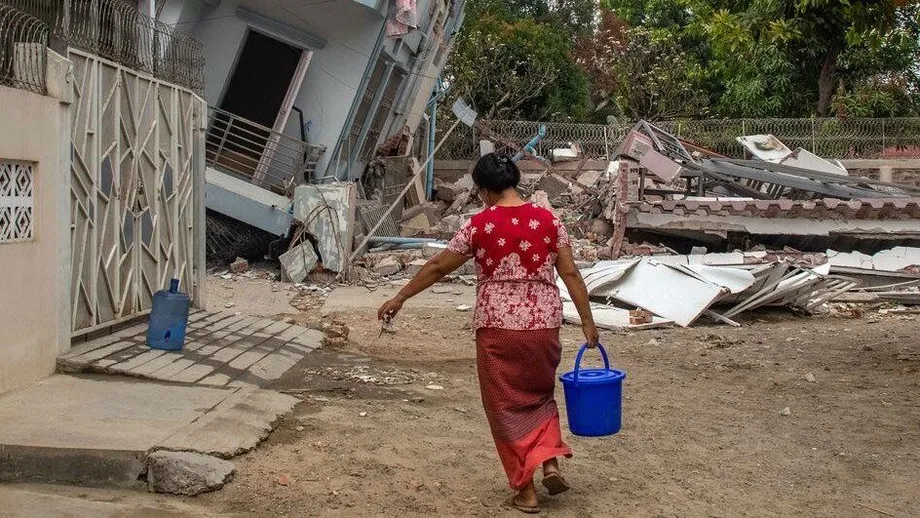
Nearly seven in ten people face overlapping deprivation
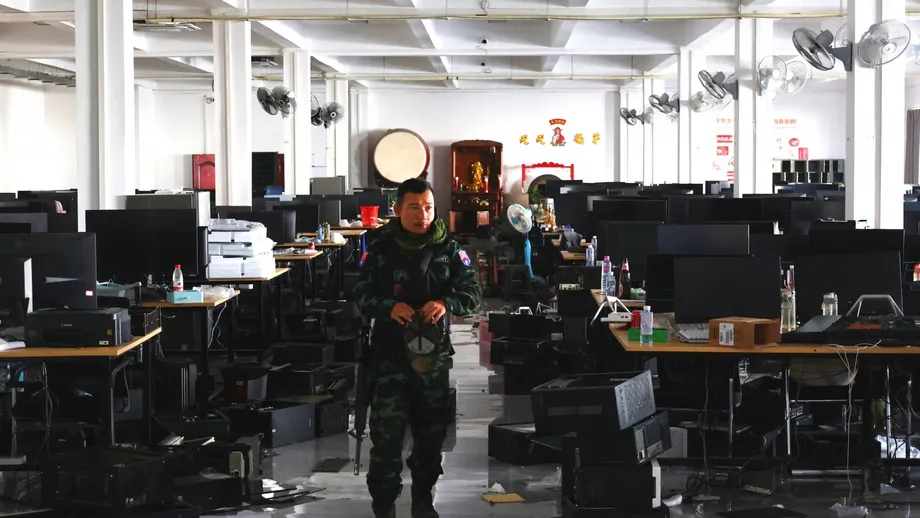
About 17.9 million people in Myanmar are living in multidimensional poverty, while another 19.5 million are vulnerable to falling into it, according to a United Nations Development Programme report released on October 8, 2026. Together, those estimates amount to 37.4 million people, or roughly 68 percent of the population, facing hardship that extends beyond a shortage of money.
Contents
- Nearly seven in ten people face overlapping deprivation
- What the poverty measure captures
- Rakhine combines widespread poverty with deep deprivation
- Yangon shows why poverty rates are not the whole picture
- Economic shocks reach more than half of households
- Flooding adds another demand on depleted resources
- Casual workers and displaced families face greater risks
- Youth departures place recovery under further strain
- Why the older global index is not a direct trend line
- The sequence of shocks and the response UNDP seeks
- Key Points
UNDP's Layers of Deprivation report puts the share already experiencing multidimensional poverty at 32.6 percent. It examines overlapping disadvantages in health, education and living standards, including whether households can obtain medical care, adequate housing, clean water and sanitation.
The distinction between poverty and vulnerability matters. The 19.5 million people considered at risk are not all classified as multidimensionally poor today. They represent a large population whose remaining resources may be insufficient to withstand another illness, loss of work, displacement or disaster. That vulnerable group exceeds the population already classified as poor by approximately 1.6 million.
Health and living standard deficits account for more than 80 percent of measured multidimensional poverty. This makes access to services and decent living conditions central to the findings, rather than treating deprivation solely as a problem of earnings.
Kanni Wignaraja, UN Assistant Secretary General and UNDP Regional Director for Asia and the Pacific, described the findings as evidence that hardship is damaging the country's capacity to recover.
We are seeing a depth of poverty in Myanmar that is eroding human development itself. This is a no-win war. Everyone is losing. The core muscle of the country is being systematically eroded.
What the poverty measure captures
The new analysis uses an adapted Multidimensional Poverty Index, drawing on a nationwide telephone survey of 7,463 households. Reporting on the study identifies 2025 as the survey year. Unlike a measure based only on income, this approach examines disadvantages that occur together within households.
A family may earn above a monetary poverty threshold yet lack safe water, adequate shelter or access to healthcare. Conversely, an improvement in earnings does not automatically repair disrupted services. Measuring these disadvantages together helps distinguish how many people are poor from how deeply they are deprived and which needs account for their hardship.
UNDP says savings, dependable livelihoods, access to services and social support networks are steadily disappearing. These are the resources that can prevent a temporary setback from becoming lasting deprivation. Their erosion helps explain why the population at risk is so large.
Some reporting describes the vulnerable population as 19.5 percent rather than 19.5 million people. UNDP's publication page specifies 19.5 million, consistent with its combined estimate of more than 37 million people poor or vulnerable. The two figures should not be treated as interchangeable.
Rakhine combines widespread poverty with deep deprivation
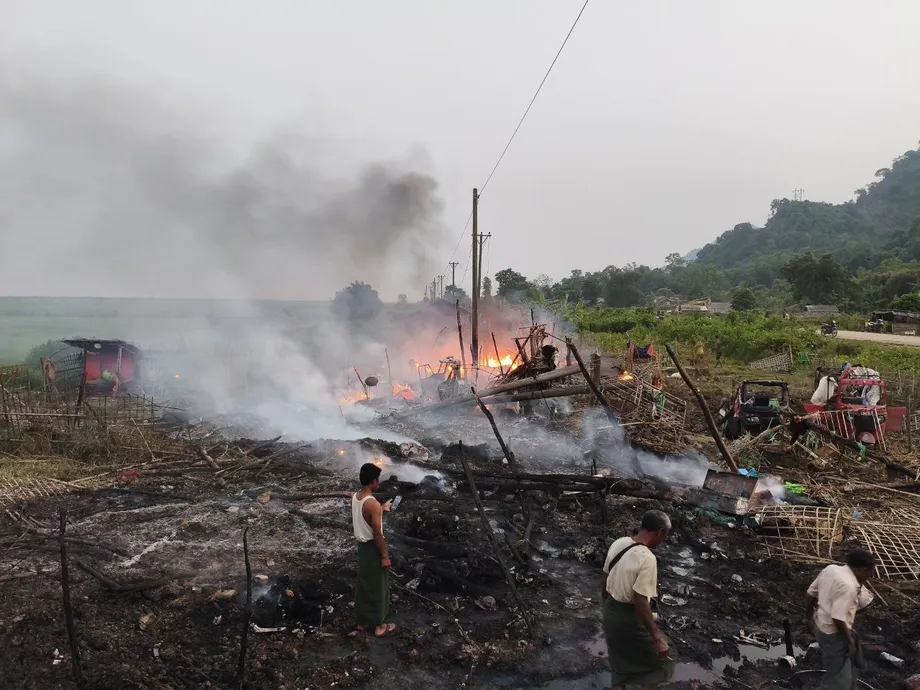
Rakhine and Kayah stand out for particularly acute poverty associated with insecurity, restrictions on movement and limited access to essential services. In Rakhine, UNDP says more than two thirds of the population are multidimensionally poor and nearly one third are severely poor.
More detailed reporting on the regional findings puts Rakhine's poverty headcount at 68.4 percent, affecting approximately 1.66 million people. It gives the state's index value as 0.342, the highest nationally. An index value combines the prevalence of poverty with the intensity of deprivation; it is not another percentage of residents.
The reported 68.4 percent poverty rate in Rakhine is more than twice the national rate of 32.6 percent. Crucially, these figures describe people already classified as multidimensionally poor. Myanmar's separate national figure of 68 percent includes both poor and vulnerable people.
Rakhine's hardship reflects prolonged insecurity, weak connections to markets and restricted access to healthcare and education. Stateless and displaced residents also face barriers involving documentation, movement and eligibility for services. Those obstacles can prevent households from obtaining help even when assistance exists.
UNDP cautions that telephone data collection may understate deprivation among some stateless and displaced populations, including Rohingya communities. The warning limits how precisely the figures can describe the people facing the greatest barriers to contact. It does not provide a numerical adjustment for the possible undercount.
Yangon shows why poverty rates are not the whole picture
The geography of poverty looks different when measured by the number of people affected rather than the share of residents who are poor. Yangon has a lower regional poverty rate than many states affected by conflict, yet contains one of Myanmar's largest concentrations of multidimensionally poor people.
Many deprived households are also concentrated in the populous regions and states of Ayeyawady, Sagaing, Mandalay and Shan. Rakhine, Sagaing and Ayeyawady combine high index values with large affected populations, although the causes of deprivation differ across them.
For urban households and those living on city outskirts, insecure housing, informal employment and limited services create risks that a regional average can conceal. A lower poverty rate does not mean that the number of people needing assistance is small.
These findings point to two different demands on assistance: reaching places where deprivation is especially severe, and reaching populous areas where large numbers of poor households live. Targeting only the highest regional rates would miss part of the urban burden.
Economic shocks reach more than half of households
More than half of households nationwide are affected by economic shocks. UNDP identifies inflation, increasing food costs and rising fuel prices linked to the Gulf crisis as additional pressures on communities already weakened by conflict and instability.
In its October 8 statement, datelined New York, UNDP says diesel and gasoline prices remain approximately 87 percent and 85 percent above levels before the crisis. Fuel prices in Chin, Rakhine, Kachin and Ayeyawady are two to four times those in Yangon.
The percentages describe increases over an earlier baseline, while the regional figures describe differences between places. They are separate comparisons and should not be added together. UNDP's statement does not specify the baseline date or provide a complete series of prices.
The regional disparity adds a practical dimension to poverty. Households with similar earnings may face very different costs depending on where they live, while weak market access can make it harder to obtain essential goods. UNDP presents these external price pressures as another crisis layered onto existing local hardship.
Conflict shocks affect a smaller share of households nationally than economic shocks, but areas affected by conflict have the highest levels of multidimensional poverty. The frequency of a shock across the country therefore does not, by itself, indicate the severity of its consequences.
Flooding adds another demand on depleted resources
Natural hazard shocks or exposure to climate risks affect around one in five households. The hazards identified include floods, cyclones, droughts and landslides. An estimated 600,000 people had been affected by flooding by the end of August 2026.
The UN Department of Economic and Social Affairs' October 9 account also identifies the devastating March 2025 earthquake as part of the accumulated pressure on Myanmar, alongside conflict, displacement and economic disruption.
UNDP warns that climate pressures are expected to intensify with El Niño, a naturally occurring climate pattern that can alter rainfall and raise global temperatures. That warning concerns expected risks, not a measured total of future disaster losses in Myanmar.
The central concern is repeated emergencies arriving before households can recover. Lost crops, damaged shelter or illness may occur alongside interrupted work and displacement. A household that could once manage one setback may no longer have enough savings, income or support to absorb several in succession.
Casual workers and displaced families face greater risks
Nearly half of households dependent on casual labour are multidimensionally poor. Households in the lowest income groups, those relying on daily wages or temporary employment, and those headed by people with limited education face particularly high deprivation.
Casual employment generally provides income only when work is available. In Myanmar's disrupted economy, that insecurity sits alongside damaged markets and fragmented services. The findings show why the type and stability of employment matter, not just whether a household member has worked.
Migrant households and households affected by conflict are also among the groups facing the highest poverty levels. Displaced families can lose housing, work and access to services at the same time, while vulnerable urban residents face risks linked to informal jobs and insecure accommodation.
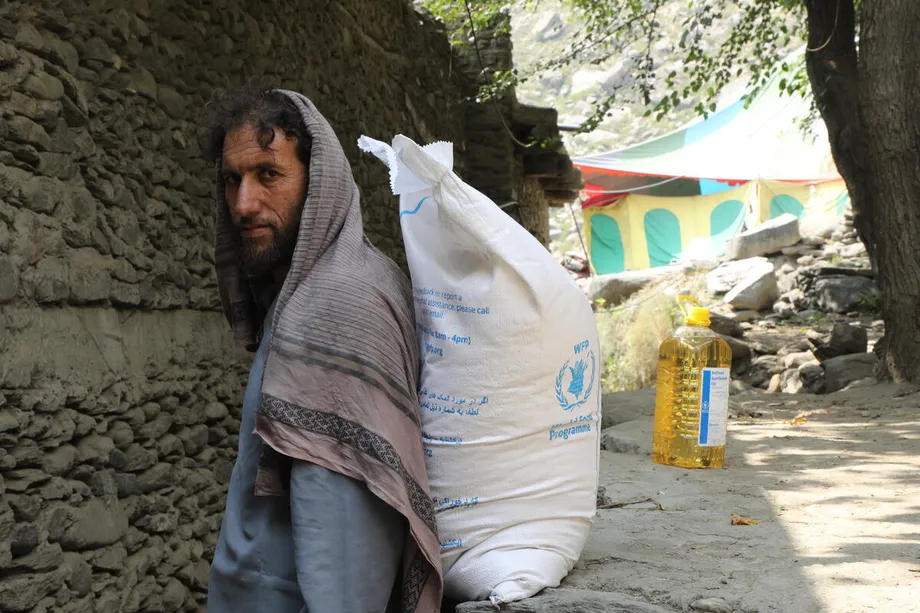
UNDP calls for assistance that reflects these distinct vulnerabilities. Income support addresses one part of the problem, but the report's findings also point to needs involving healthcare, education, housing and basic services. The priorities differ depending on what households lack and what prevents them from obtaining it.
Youth departures place recovery under further strain
UNDP estimates that at least one million young people may have left Myanmar since 2021. It describes this as one of the largest losses of human capital in the country's recent history, occurring while the population is ageing.
Human capital means the skills, knowledge and capacity people bring to work and community life. Losing young people can reduce the workforce available for recovery while leaving older residents with greater responsibility for care, food and family safety.
Reports differ on how they describe the migration estimate. Some combine young people who have left with those who may leave. UNDP's official statement refers to at least one million who may already have left since 2021. The estimate should therefore not be read as a confirmed count of departures or a forecast of additional migration.
Young people face narrowing options for education, employment and mobility amid insecurity and economic stress. UNDP says communities are becoming increasingly dependent on support networks that are themselves under severe strain.
Min Aung Hlaing, leader of the government backed by the military, separately told a Cabinet meeting during the week of the report's release that instability and a lack of peace had slowed economic growth. He also cited sanctions, limited financial assistance and international market access, declining trade and increased worker migration. Those remarks present the government's account of the slowdown, rather than the report's measurement of household deprivation.
Why the older global index is not a direct trend line
UNDP's 2023 Myanmar briefing gives a different set of poverty figures, but it uses survey data from 2015/2016, not observations collected in 2023. Its population counts refer to 2021.
That briefing estimated that 38.3 percent of the population, or 20.613 million people, were multidimensionally poor, with another 21.9 percent, or 11.791 million, vulnerable. It reported an index value of 0.176, an average deprivation intensity of 45.9 percent among poor people, and 13.8 percent of the population in severe multidimensional poverty.
The older briefing used the global index jointly produced by UNDP's Human Development Report Office and the Oxford Poverty and Human Development Initiative. The new report uses an adapted index and a telephone survey. Different measurement methods and survey conditions mean the lower new poverty headcount cannot, on its own, establish that living conditions improved.
The older figures still illustrate why income alone is insufficient. They put monetary poverty below the international threshold of US$2.15 a day, measured in 2017 purchasing power terms, at 2 percent. Its multidimensional poverty rate was 36.3 percentage points higher.
In that older measure, health contributed 18.5 percent of poverty and living standards 49.2 percent, a combined 67.7 percent. The new report puts their combined contribution above 80 percent. This numerical contrast is worth distinguishing, but differing methods prevent it from proving a precise change in the composition of poverty.
The sequence of shocks and the response UNDP seeks
The report places current deprivation within a sequence of political upheaval, disasters and economic pressure. Its publication dates also distinguish the release of the findings from the subsequent UN account.
- February 2021: The military seized power, followed by repression of protests and expanding armed conflict.
- March 2025: A devastating earthquake added to the country's existing crises.
- 2025: Reporting on the study identifies this as the year of the survey of 7,463 households.
- End of August 2026: Flooding had affected an estimated 600,000 people.
- October 8, 2026: UNDP released Layers of Deprivation and its accompanying statement.
- October 9, 2026: The UN Department of Economic and Social Affairs published its account of the findings.
Wignaraja called for investment in livelihoods, education, healthcare, local markets and basic services, arguing that preserving people's ability to recover cannot be postponed until fighting ends.
"Societal recovery cannot wait for a conflict to end. Investing in livelihoods, education, healthcare, local markets and basic services remains essential to preserving the fundamental human capabilities the country will need to heal and move forward".
The announcements do not set out a new funding commitment, implementation timetable or date for the next survey. They identify priorities for action while leaving the scale and timing of a response undecided. The measurement gap affecting some displaced and stateless people also remains unresolved.
Key Points
- UNDP estimates 17.9 million people are multidimensionally poor and another 19.5 million are vulnerable, together roughly 68 percent of Myanmar's population.
- Health and living standard deficits account for more than 80 percent of measured poverty.
- Rakhine's reported poverty rate is 68.4 percent, more than twice the national rate of 32.6 percent.
- Telephone survey limitations may understate deprivation among some stateless and displaced populations.
- More than half of households face economic shocks, while around one in five faces natural hazard shocks or climate risks.
- Nearly half of households dependent on casual labour are multidimensionally poor.
- The older global index and the new adapted measure are not directly comparable as a trend.
- UNDP calls for investment in livelihoods and essential services without waiting for conflict to end.