A hiring review draws opposition across Mie
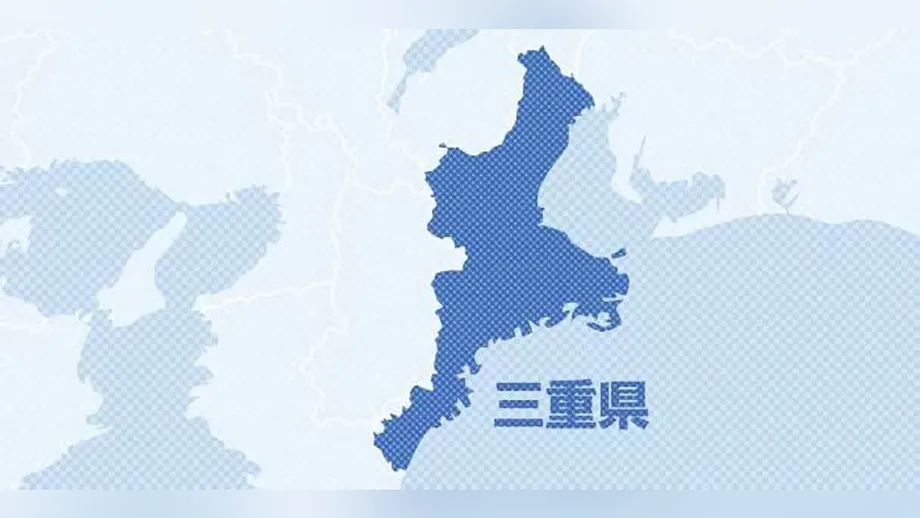
Mie Prefecture is considering restoring Japanese nationality requirements for public employees, reversing a policy introduced in fiscal 1999 to encourage foreign residents to participate in local society. The review covers future recruitment across 44 of the prefecture's 49 occupation types, which are currently open to people without Japanese citizenship.
Contents
- A hiring review draws opposition across Mie
- Why the prefecture is considering restrictions
- What would change for applicants and employees?
- How Mie's policy developed
- Human rights groups call for withdrawal
- Why the planned survey is contested
- Mayors, unions and lawyers join the opposition
- Security policy meets a need for foreign workers
- What happens next?
- The Essentials
As of January 14, 2026, the proposal remained under consideration. Governor Katsuyuki Ichimi announced the review on December 25, citing concerns about information leaks. Human rights groups, municipal leaders, a public workers' union and legal organizations have challenged the proposal, saying it would discriminate against foreign residents and send a message of exclusion.
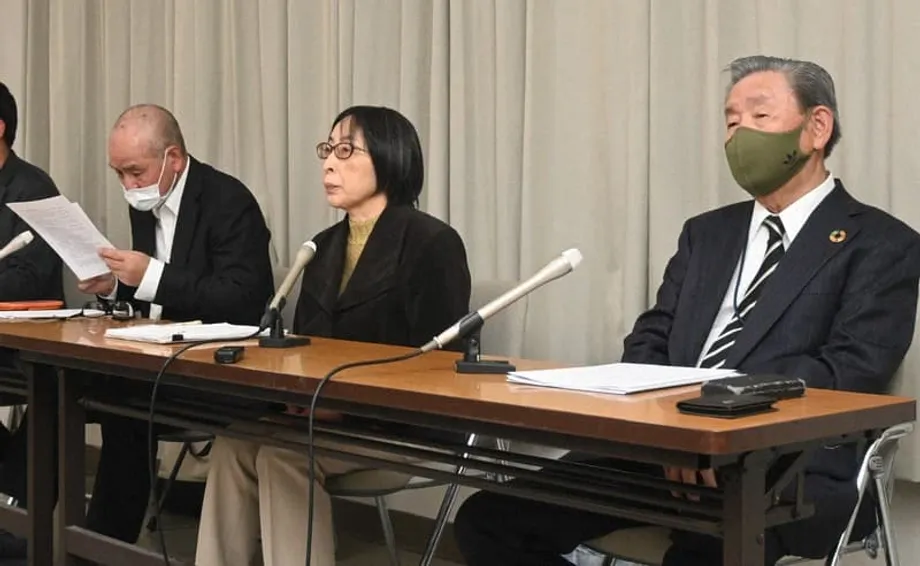
A network of three local human rights organizations held a press conference in Tsu on January 13 to demand that the prefecture withdraw the plan. By that date, the network had received support from 51 organizations within and outside Mie.
The prefecture says any new nationality requirement would apply to future hiring, leaving its current foreign employee in a medical role unaffected. The debate therefore concerns who can enter public service in the years ahead, alongside the message that a change in eligibility would send to people already living and working in Mie.
Why the prefecture is considering restrictions
Mie officials say preventing the disclosure of sensitive information is the main reason for reconsidering the hiring rules. Their concerns cover residents' private information, agricultural trade secrets and disaster management details, all of which may be handled by prefectural employees.
Officials have also pointed to information about the movements of dignitaries visiting Ise Jingu, one of Japan's most important Shinto sites, located in Mie. A senior prefectural official described the possible leakage of that information as a national security problem.
China's National Intelligence Law, enacted in 2017, is central to the administration's argument. The law obligates Chinese citizens and organizations to cooperate with state intelligence activities when requested. Mie officials worry that this obligation could conflict with the confidentiality duties of local public servants.
The concern is about competing responsibilities: an employee's duty to protect information held by the prefecture and an obligation imposed by another country's law. Although officials have focused on Chinese legislation, the proposed return to a Japanese nationality requirement would restrict future recruitment of foreign nationals more broadly.
What would change for applicants and employees?
Mie currently permits foreign nationals to apply for 44 of its 49 occupation types. The proposal would halt their recruitment for most positions, narrowing access to public employment that has existed for more than two decades.
The prefecture already makes exceptions to its open recruitment policy for certain jobs. These include posts involving the exercise of public authority, such as tax collection, and certain managerial roles. In practical terms, the existing policy separates jobs open to foreign applicants from positions involving particular government powers or management responsibilities.
One foreign national currently works for the prefecture in a medical capacity. Officials have said that employee would remain even if the nationality requirement were restored. The review concerns future hiring practices, rather than the removal of the current employee.
Mie has hired nine foreign nationals since fiscal 2005, when reliable records became available. They have worked primarily in specialized professions, including medicine. The number is modest, but the current eligibility rules cover a much wider range of jobs than those nine appointments alone might suggest.
How Mie's policy developed
Mie abolished nationality requirements for staff recruitment examinations in fiscal 1999. The purpose was to promote the social integration of foreign residents, encouraging them to participate in society and contribute to their communities.
The prefecture retained restrictions for the specified public authority and managerial posts. Its approach therefore combined wider access to recruitment with limits on particular responsibilities. Restoring a broad nationality requirement would mark a departure from that approach.
Mie is one of 12 prefectures that do not impose nationality requirements on personnel examinations for general administrative positions. At the national level, the National Personnel Authority requires Japanese nationality for national public servants in principle. Reinstatement would bring Mie's hiring rules closer to that national practice.
The main dates in the policy and the current dispute are:
- Fiscal 1999: Mie abolished nationality requirements for staff recruitment examinations, with exceptions for specified positions.
- Fiscal 2005: The period covered by reliable data on foreign recruitment began. Nine foreign nationals have been hired since then.
- 2017: China enacted its National Intelligence Law.
- December 25: Governor Katsuyuki Ichimi announced the review of nationality requirements.
- December 30: The human rights network mailed its withdrawal request to the prefectural government.
- January 13: The network held a press conference in Tsu and said 51 organizations supported its position.
- Late January to mid-February: The prefecture plans to survey approximately 10,000 randomly selected residents.
Human rights groups call for withdrawal
The opposing network consists of the Buraku Liberation League's Mie Prefecture federation, the Mie Prefecture association for research of education of foreign nationals, and the Human Rights Research Institute Against All Forms of Discrimination and Racism-Mie.
Their statement, mailed on December 30, argues that the proposal suggests unjust treatment based on nationality is acceptable. The groups describe the plan as "mild xenophobia" and warn that it legitimizes discrimination. Their objection concerns both the restriction itself and the message it would communicate to the wider community.
Nobuko Usukine, chairperson of the Mie Prefecture association for research of education of foreign nationals, expressed her distress at the January 13 press conference and called on the governor to reverse course.
I believe it is an unjust distinction and discrimination based on nationality. I strongly hope the governor will retract it.
The network sees the proposal as a retreat from integration. Its argument is that foreign residents who contribute to the community and follow local laws should also be eligible for public service positions, within the limits already set for particular jobs.
Why the planned survey is contested
Mie plans to ask approximately 10,000 randomly selected residents about the issue between late January and mid-February. The prefecture says the survey results, together with other factors, will inform its final decision on whether to restore the nationality requirement.
The human rights network has asked the administration to remove the nationality requirement item from the survey entirely. It argues that allowing the majority population to decide questions affecting minority rights is fundamentally flawed from a human rights perspective.
The groups' concern is straightforward: the people answering a survey may largely be unaffected by a hiring restriction, while the people whose opportunities would change form a smaller part of the population. Their statement warns against allowing the majority to determine an issue that disproportionately affects minorities.
The planned survey is a way for the prefecture to gather public opinion before deciding policy. The dispute is over the role that opinion should play when the proposed change concerns eligibility based on nationality. For the network, removing the question is part of its demand for withdrawal, rather than simply a request to change how the survey is conducted.
Mayors, unions and lawyers join the opposition
The mayors of Suzuka and Kuwana have said their cities will continue to hire foreign staff regardless of the prefecture's decision. Their positions show that the prefectural review has prompted debate among municipal leaders as well as organizations campaigning for human rights.
Iga Mayor Toshinao Inamori raised his concern in his New Year address. He warned that the prefecture's move could send a "message of exclusion to foreign nationals." His objection focuses on how residents might understand the proposal beyond its direct effect on recruitment.
Isao Ito, general secretary of Jichiro, the national municipal and prefectural workers' union, has called for the policy's immediate withdrawal. Three legal organizations, including the Labor Lawyers Association of Tokai, are preparing a joint statement demanding that the plan be scrapped.
The 51 organizations supporting the human rights network as of January 13 include groups from both inside and outside Mie. Together with the municipal statements and union opposition, that support has broadened the dispute beyond the three organizations that submitted the December 30 request.
Security policy meets a need for foreign workers
Mie's manufacturing industry relies heavily on foreign workers. Prefectural officials acknowledge their importance even as the administration considers restricting access to government employment.
A senior prefectural official expressed that dependence in direct terms:
Without foreign nationals, neither Mie nor Japan can function.
The statement captures the competing pressures facing the administration. Officials want tighter protection for sensitive government information while recognizing that foreign residents help sustain the local economy. The hiring review concerns public employment, but critics argue that its message reaches the wider foreign community.
Mie officials say policies promoting coexistence with foreign residents will continue even if the recruitment restrictions are adopted. The fiscal 2026 budget may include greater support for foreigners learning Japanese. That support remains a possibility, while opponents argue that language assistance and exclusion from government jobs pull the prefecture's integration policy in different directions.
What happens next?
Governor Ichimi has said he is aware of the opinions submitted to the prefecture. He intends to listen to those views before reaching a final decision at an appropriate time. No date for that decision has been given.
The next scheduled step is the survey planned for late January to mid-February. The administration intends to consider its results alongside other factors, while the human rights network wants the nationality question removed and the proposal withdrawn.
Mie's decision will determine whether its approach to future public recruitment continues the policy introduced in fiscal 1999 or returns to a Japanese nationality requirement for most positions. The debate also brings together two concerns that local governments must address: protecting sensitive information and enabling foreign residents to participate in the communities where they live and work.
The Essentials
- Mie is considering restoring Japanese nationality requirements for future public recruitment, citing information security concerns linked to China's National Intelligence Law.
- The review covers 44 of 49 occupation types currently open to foreign nationals.
- Mie abolished nationality requirements in fiscal 1999, retaining exceptions for specified public authority and managerial posts.
- Nine foreign nationals have been hired since fiscal 2005. One current employee in a medical role would remain under any new rule.
- Three human rights groups demanded withdrawal, with support from 51 organizations as of January 13.
- The prefecture plans to survey about 10,000 residents between late January and mid-February. Opponents want the nationality question removed.
- Municipal leaders, Jichiro and legal organizations have challenged the proposal. Suzuka and Kuwana intend to continue hiring foreign staff.
- Governor Ichimi has promised to listen to submitted views. No final decision date has been announced.