Six Hours of Sleep in a Day Built Around Studying
Nearly half of students at South Korea's general high schools sleep fewer than six hours a day, according to a National Youth Policy Institute report that also records widespread suicidal thoughts, unhappiness and consideration of leaving school. The findings put students' basic need for rest at the centre of a debate over how much academic success should demand from young people.
Contents
- Six Hours of Sleep in a Day Built Around Studying
- Why Studying Keeps Students Awake
- The Cost of Private Education
- Grades and Career Worries Weigh on Mental Health
- Exhaustion Pushes Some Students Towards Leaving School
- General and Vocational Schools Show Different Patterns
- Teenage Body Clocks Meet Early Mornings
- Admissions Rules Add to the Workload
- Later Starts Address Only Part of the Problem
- The Bottom Line
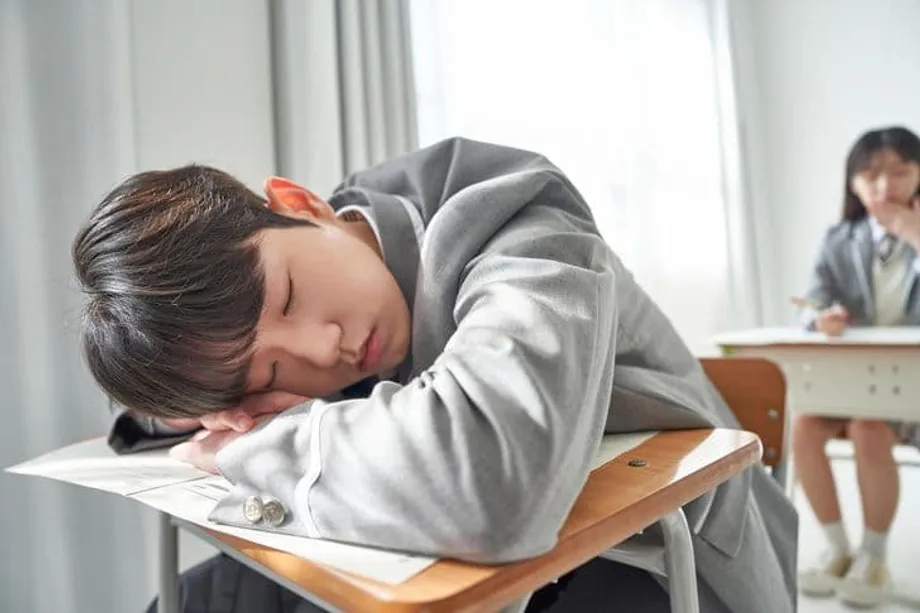
The survey covered 2,258 high school students across the country and found an average sleep duration of just six hours. Medical professionals recommend eight to ten hours for adolescents, leaving the reported average two to four hours below that range.
Among students at general high schools, 46.7 percent slept fewer than six hours daily. That total included 29.7 percent who slept between five and six hours and 17 percent who slept less than five hours. Only 5.5 percent reported getting eight hours or more.
South Korea's demanding study schedules help explain those short nights. Students described homework, online lectures, private tutoring and evening study at school as reasons for losing sleep. The report connects insufficient rest with serious mental health struggles, including depression and suicidal thoughts.
As of January 13, 2026, the picture is of an education system struggling to balance achievement with the physical and emotional needs of its students. The pressure reaches beyond the classroom: families spend heavily on extra instruction, teenagers worry about future careers, and some consider dropping out because they feel exhausted or unable to continue studying.
Why Studying Keeps Students Awake
Studying at home was the most frequently cited reason for insufficient sleep, named by 25.5 percent of students. This included watching online lectures and completing homework, activities that can continue long after the formal school day ends.
Private academies and tutoring accounted for another 19.3 percent of responses. These academies, known locally as hagwons, extend organised learning into the hours students might otherwise use for rest. A further 13.4 percent pointed to late night sessions of independent study held at school.
The three academic reasons together account for 58.2 percent of the responses described in the survey. For many students, the day therefore involves several rounds of learning: regular classes, private instruction, and then more work at home.
Research published in journals reviewed by other researchers supports the finding that academic demands and studying late at night play a predominant role in sleep deprivation among South Korean adolescents. The pressure differs from patterns described in many Western countries, where social activities or time spent using screens may be the main disruptions to sleep.
South Korean students face a schedule in which schoolwork effectively stretches into the evening. Moving homework from a classroom to a bedroom changes the location of study, but it still takes time from the same limited day.
The Cost of Private Education
Families turn to private tutoring partly because college admissions policies are complex and change frequently. Research indicates that these requirements make it difficult for public schools to prepare students adequately for every route into higher education.
Parents consequently feel compelled to pay for additional instruction. Students may spend hours in regular school, follow that with hours at private academies, and return home to homework and further independent study. Each part of the schedule adds work before the next morning begins.
Private education also places a substantial financial burden on households. In some cases, spending approaches one third of household disposable income, the money available for spending and saving after taxes and other required deductions.
Students can experience that expense as another source of pressure. A family paying a large share of its available income for tutoring may leave a teenager feeling a strong obligation to succeed and justify the cost. Academic expectations and financial strain become closely connected.
Grades and Career Worries Weigh on Mental Health
The National Youth Policy Institute report found that 30.5 percent of students at general high schools had experienced suicidal thoughts. Among those who had considered suicide, 46.4 percent identified grades and academic pressure as the primary reason.
Anxiety about future career paths was the second most common reason, cited by 25.2 percent. Students were therefore describing distress linked both to their current performance and to what that performance might mean for their lives after school.
The comparison with adults was stark: the rate of suicidal thoughts among students was described as nearly ten times higher than in the general adult population. The reporting gives no survey period for these experiences, a detail readers need when considering how often such thoughts occurred.
Unhappiness was also widespread. Almost one in five general high school students, 19.5 percent, described themselves as "not happy." Grades and studying were the biggest source of distress, cited by 54.9 percent of respondents in the account of unhappiness.
Academic work is intended to prepare students for their future. These findings describe young people for whom that preparation has also become a major source of present distress, with pressure over marks extending into worries about careers and personal prospects.
Exhaustion Pushes Some Students Towards Leaving School
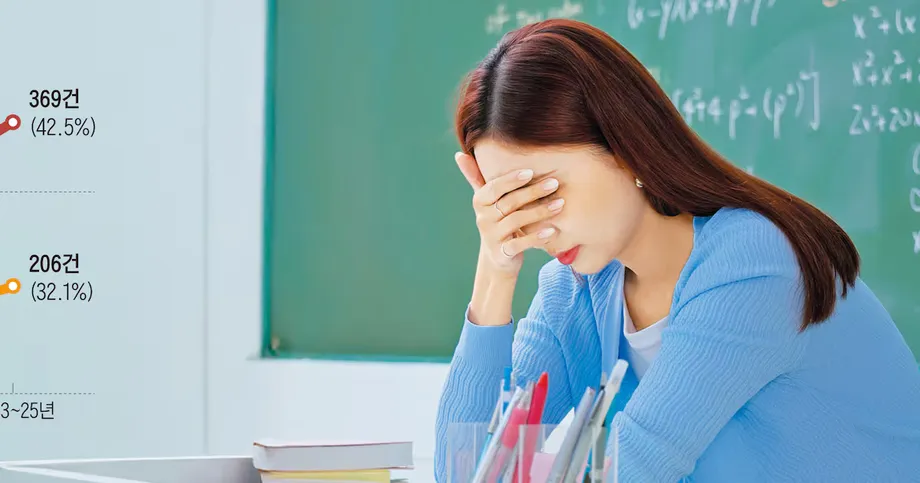
More than a third of general high school students, 38.7 percent, had considered dropping out. Their answers described fatigue, lost motivation and difficulty continuing with academic work.
Feeling too tired or unmotivated was the most common reason, cited by 25.1 percent. A lack of desire to study and poor grades followed. The findings point to burnout: students reaching a state of exhaustion in which continuing their usual workload becomes difficult.
Suh Soo-yeon, a professor of psychology at Sungshin Women's University, explained how insufficient sleep affects adolescents' ability to manage emotions and learn:
A lack of sleep makes it more difficult to regulate emotions, particularly among adolescents whose brains are still developing. Sleep is directly related to cognitive function. Insufficient sleep can impair concentration and memory, affecting the students' abilities to make decisions.
Her explanation connects rest with the skills students need in school. Concentration helps them follow lessons, memory helps them retain what they learn, and emotional regulation helps them respond to stress. Losing sleep to create more study time can leave those abilities impaired.
General and Vocational Schools Show Different Patterns
Students at vocational high schools, which often involve less intense academic pressure, reported better mental health outcomes than students at general high schools. The rate of suicidal thoughts among vocational students was 23.3 percent, compared with 30.5 percent among their general school peers.
The comparison is described as a gap of 6.2 percentage points, although the stated rates of 30.5 percent and 23.3 percent yield a difference of 7.2 percentage points. Both figures place vocational students below general high school students in the reported prevalence of suicidal thoughts.
The reasons students gave also differed. Among vocational students who contemplated suicide, 23.6 percent cited academic pressure, compared with 46.4 percent among students at general high schools. That is a gap of 22.8 percentage points, with the general school figure almost twice the vocational figure.
The contrast places the educational environment at the centre of the discussion. General high schools' stronger focus on grades and college entrance examinations appears alongside a much higher share of students naming academic pressure as a reason for suicidal thoughts.
Vocational students still reported substantial distress. Their lower rate offers a comparison within South Korea's education system, while the 23.3 percent figure shows that concern about student mental health extends across both school types.
Teenage Body Clocks Meet Early Mornings
Adolescents experience a biological shift in their circadian rhythm, the internal clock that helps determine when they feel sleepy and awake. Medical experts describe this as a sleep phase delay, which makes it difficult for teenagers to fall asleep before 11 p.m.
Early school schedules work against that later natural bedtime. A student who struggles to fall asleep early but must wake early has fewer hours available for rest, even before homework and tutoring are added.
Research from sleep medicine experts indicates that waking teenagers early can reduce rapid eye movement sleep, often shortened to REM sleep. This stage is rich in dreams and plays an important role in emotional regulation and the processing of information.
The conflict between biological timing and school schedules contributes to chronic sleep debt, meaning a continuing shortfall between the sleep a person needs and the sleep they get. Repeated short nights make that deficit difficult to recover from.
Technology adds another pressure. Nearly 30 percent of adolescents in South Korea are classified as smartphone users at high risk or at risk of overdependence. Blue light from screens can delay the onset of sleep, while constant connectivity provides distractions that keep students awake.
Late study sessions and smartphone dependence can therefore act together. Academic work reduces the time available for bed, while screen use can make falling asleep later still.
Admissions Rules Add to the Workload
South Korea is often described as an "exam republic," where a degree from a leading university is viewed as the main route to social mobility. The belief that educational success can determine future opportunities drives fierce competition and demand for private education.
Government efforts to reduce the role of private tutoring or make admissions fairer have sometimes increased the complexity of the process. Students face multiple admission routes, each requiring different preparation.
Families trying to keep every option open can respond by preparing for several possibilities at once. The result is a larger workload, even when a reform's intended purpose is to make access to higher education fairer or reduce dependence on private instruction.
Frequent policy changes also create confusion. Without a stable, predictable admissions system, students and parents may feel they need to cover every possible requirement. Public schools are then viewed as insufficient for navigating those demands, pushing families further towards the private education market.
The pressure on sleep therefore reaches beyond individual choices about bedtime. Admissions requirements, family spending and expectations about future employment all help shape how students use their evenings.
Later Starts Address Only Part of the Problem
Authorities pushed back school start times in South Korea in 2015 to encourage family interaction and combat sleep deprivation. Research on later starts indicates that they can increase sleep duration and improve academic and mental health outcomes.
Some schools in other countries that moved their start times later have seen lower rates of depression and better attendance. A later morning gives teenagers more opportunity to sleep in line with their biological clocks.
The sequence described in the reporting is:
- 2015: Authorities in South Korea pushed back school start times to support family interaction and reduce sleep deprivation.
- January 13, 2026: The report discussed in the article showed an average of six hours of sleep and widespread academic and mental health pressure among high school students.
The persistence of short sleep shows why morning schedules address only part of the problem. Study at school, private academies and homework can continue to occupy the evening regardless of when the first class begins.
Responses discussed by experts include changes to school schedules alongside a shift in how families and educators value rest and define success. Parents and teachers have a role in setting expectations and helping students manage their time.
Reducing stigma around mental health struggles and ensuring access to support services are also central concerns. Students who feel unhappy, overwhelmed or unable to continue school need opportunities to seek help.
Sleep is a biological necessity, essential for thinking, emotional stability and health over time. South Korea's strong performance in international academic rankings sits alongside the challenge of protecting the wellbeing of the young people responsible for that achievement.
The Bottom Line
- The National Youth Policy Institute survey covered 2,258 high school students and found average sleep of six hours, compared with a recommended eight to ten.
- At general high schools, 46.7 percent slept fewer than six hours; only 5.5 percent slept eight hours or more.
- Homework, online lectures, private tutoring and evening study at school were leading reasons for lost sleep.
- Among general high school students, 30.5 percent had experienced suicidal thoughts, 19.5 percent described themselves as unhappy, and 38.7 percent had considered dropping out.
- Grades and academic pressure were the leading stated reason for suicidal thoughts, while career anxiety ranked second.
- Vocational students reported a lower rate of suicidal thoughts, at 23.3 percent, and were less likely to cite academic pressure.
- Private education spending approached one third of household disposable income in some cases.
- Teenage sleep timing, early mornings and smartphone overdependence added to the strain caused by studying.
- Later school starts introduced in 2015 addressed morning schedules, while heavy evening workloads continued to limit rest.