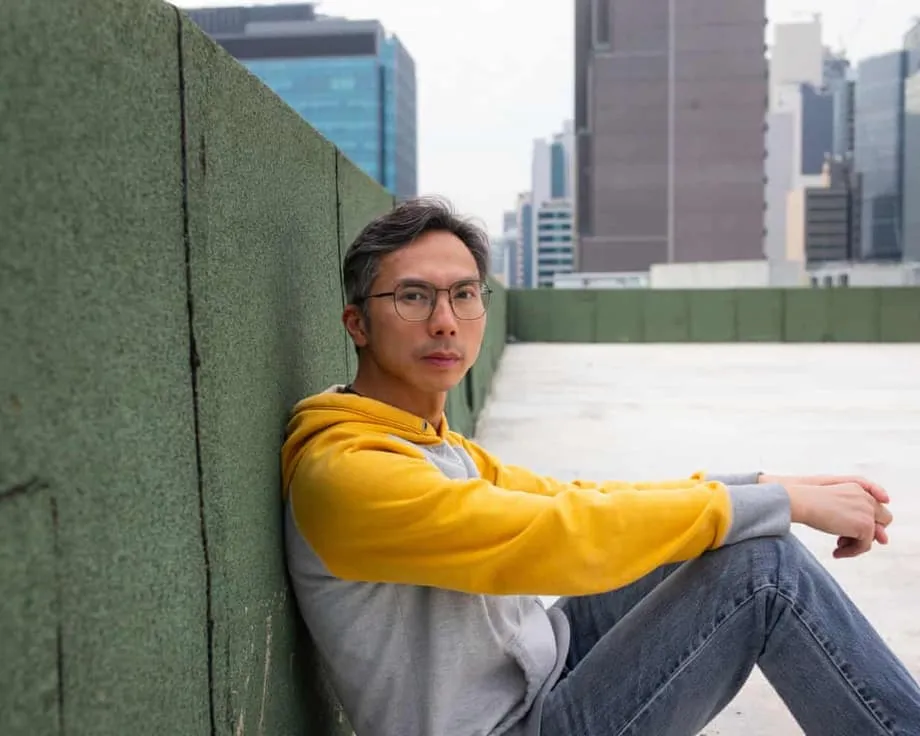
A Film About Students Is Refused a Hong Kong Screening
Hong Kong director Kiwi Chow's latest production, "Deadline", has been refused approval for public exhibition in his home city on national security grounds. The film stars veteran actor Anthony Wong and examines academic pressure on high school students and the mental health crisis that can follow. It was filmed in Taiwan and takes place in an unnamed Asian city.
Contents
- A Film About Students Is Refused a Hong Kong Screening
- How National Security Became a Film Censorship Test
- Thirteen Films Refused Approval, Fifty Required to Make Edits
- Investors and Actors Retreat From Political Risk
- Taiwan Provides a Route to Production and Release
- School Pressure and the Limits on Discussion
- A Deadly Fire Becomes Another Test of Dissent
- From Ten Years to the 2019 Protests
- Chow Chooses to Stay Despite Fear of Arrest
- What the Refusal Means for Hong Kong Cinema
- The Essentials
Chow, 46, believes the decision targets him personally rather than the film's content. The director has become known for politically charged work, including the 2015 anthology "Ten Years" and the documentary "Revolution of Our Times", which premiered at Cannes in 2021. He continues to speak publicly in a city where open criticism of the government has largely disappeared.
Speaking from his home in Hong Kong, Chow described the refusal as an attempt to end his working life as a filmmaker.
"They do not want to arrest me, but they want to destroy my creative career," Chow said.
Chow will not appeal the decision because he considers the process futile in the current political climate. His production company faces the loss of a local audience for a film that brought together actors, crew members and financial support outside Hong Kong.
In a statement about the decision, Chow described the effect on everyone involved in making the film.
This film is the hard work and dedication from so many people. It is heartbreaking to all of us. When confronted with injustice and absurdity, we feel helpless, and anger seems to be inevitable.
Chow also said he intended to continue making films despite the refusal.
In response to this the unfair judgement, my reaction is: I will stick to my filming path.
How National Security Became a Film Censorship Test
Beijing imposed the National Security Law on Hong Kong in June 2020. In October 2021, legislators passed amendments to the Film Censorship Ordinance that authorized the city's chief secretary to ban productions deemed to undermine national security. The changes brought national security directly into decisions about what audiences can watch.
Film censors must now assess whether a production might endanger national security when deciding whether to approve it. The amended legislation also increased the maximum penalty for unauthorized screenings to three years in prison and a fine of HK$1 million.
The examination guidelines instruct censors to guard against content that could be perceived as endorsing, supporting, promoting, glorifying, encouraging or inciting secession, subversion, terrorism or collusion with foreign forces. These categories concern, among other things, separating territory from China, undermining state power and cooperation with outside forces.
The rules require consideration of an "objective and reasonable" perception of the content. Critics argue that the criteria are vague, leaving filmmakers unsure how a scene, character or story will be judged. That uncertainty encourages directors and producers to remove potentially sensitive material before a censor ever sees it, a practice known as self-censorship.
Shelly Kraicer, an independent cinema curator specializing in Chinese film, said Chow stands out because he openly discusses the restrictions he believes he faces.
"It is striking that he does not shy away from addressing quite directly the political constraints that he perceives he is under," Kraicer observed.
Chow's willingness to speak contrasts with the fear that has spread through the industry since the security law was imposed. The consequences can begin with decisions about funding and casting, well before a completed film is submitted for approval.
Thirteen Films Refused Approval, Fifty Required to Make Edits
Official data show that authorities reviewed more than 39,000 films between November 2021 and July 2025. During that period, 50 productions were required to make edits because of national security considerations, while 13 titles were denied approval entirely.
The refusals represent a small share of all submissions, but the comparison with the preceding period is stark: no films were barred from screening in the five years before the law was amended. The change affects both films stopped altogether and productions that can reach audiences only after alterations.
The Office for Film, Newspaper and Article Administration has declined to release a list of the banned films or explain the specific reasons for each refusal. The office said disclosure would harm public order and the efficient operation of the department.
Filmmakers therefore have no published list of these titles and decisions to help them understand the boundaries. The film censorship authority cited national security concerns in refusing "Deadline", but the specific reasons behind that assessment have not been made public.
Investors and Actors Retreat From Political Risk
Chow's difficulties extend beyond censorship decisions. Investors have become increasingly cautious about controversial directors and politically sensitive subjects, fearing that an association could damage their business interests in mainland China. For a director, losing that support can mean losing the money and performers needed to make a film at all.
During work on his romantic drama "Say I Do To Me", investors withdrew 80% of the project's HK$8 million funding. Its main actor also dropped out because of concerns about political risk. Chow described the fear among performers working under Hong Kong film companies.
Actors under the Hong Kong film companies are very afraid, and this fear shadows everything," Chow explained. "This is what makes it scary, it does not need to suppress you directly, but it has already made all these people scared.
Several actors told Chow that their contracts now contain provisions barring speeches that violate the National Security Law or cooperation with people considered political risks. Those conditions bring the pressure into employment agreements, affecting whom performers can work with and what they can say publicly.
The financial and contractual restrictions create a form of economic pressure that can silence criticism before it is expressed. Chow's experience shows how a director can struggle to assemble a production even without being arrested or receiving a direct order to stop working.
Taiwan Provides a Route to Production and Release
Hong Kong has injected HK$1.54 billion into its Film Development Fund since 2005. Public financing has supported the industry, but access has become more restrictive for projects that might conflict with national security requirements.
Culture Secretary Kevin Yeung warned in 2021 that funds would not be allocated to projects that might infringe the National Security Law. For many independent filmmakers, public funding now appears nearly impossible to obtain.
Some directors have responded by moving production overseas or concentrating on subjects they consider less politically sensitive. Chow filmed "Deadline" in Taiwan with partial government funding there. The film was released in Taiwan on November 7, reaching audiences without the censorship restrictions blocking its public exhibition in Hong Kong.
The move also followed the financial damage associated with "Revolution of Our Times". That documentary drove away investors and nearly derailed "Deadline", pushing Chow to find funding and production support outside his home city.
School Pressure and the Limits on Discussion
"Deadline" explores student suicides linked to intense academic pressure. Chow connects those themes to changes in Hong Kong education, where national security has become part of the school curriculum. He believes the situation facing students has worsened as the space to discuss society and history has narrowed.
Chow described his concern about what teachers and students are able to say in school.
What happens when history, society and truth need to be distorted in school? Teachers cannot talk about it, students cannot talk about it," Chow explained. "They feel that despite what is happening in society, the truth is distorted.
During research for the film, Chow spoke with a physical education teacher who was struggling to incorporate national security elements into sports lessons. The encounter showed him how these requirements could reach subjects far removed from politics.
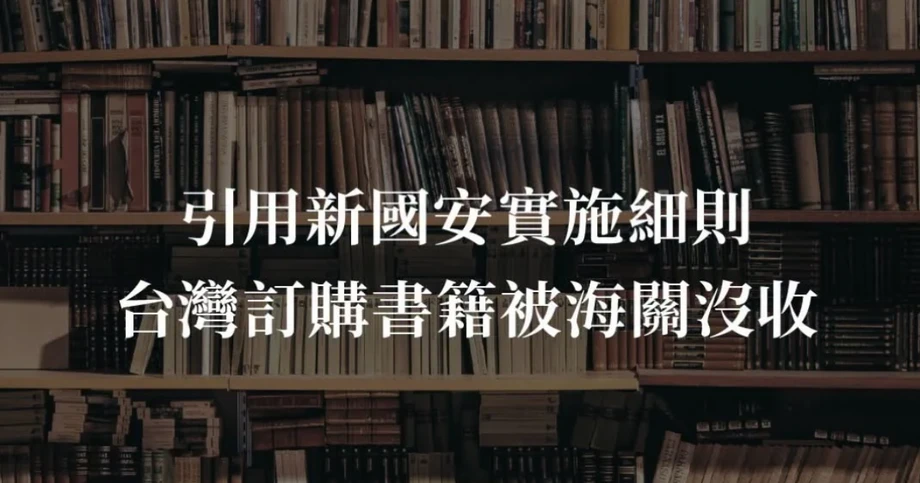
Hong Kong's education sector has undergone wider changes since the security law took effect. Libraries have removed books, and teachers have faced warnings for discussing sensitive topics. Chow sees these restrictions as connected to the pressures his film explores, where young people face demanding expectations while finding fewer opportunities to speak openly.
A Deadly Fire Becomes Another Test of Dissent
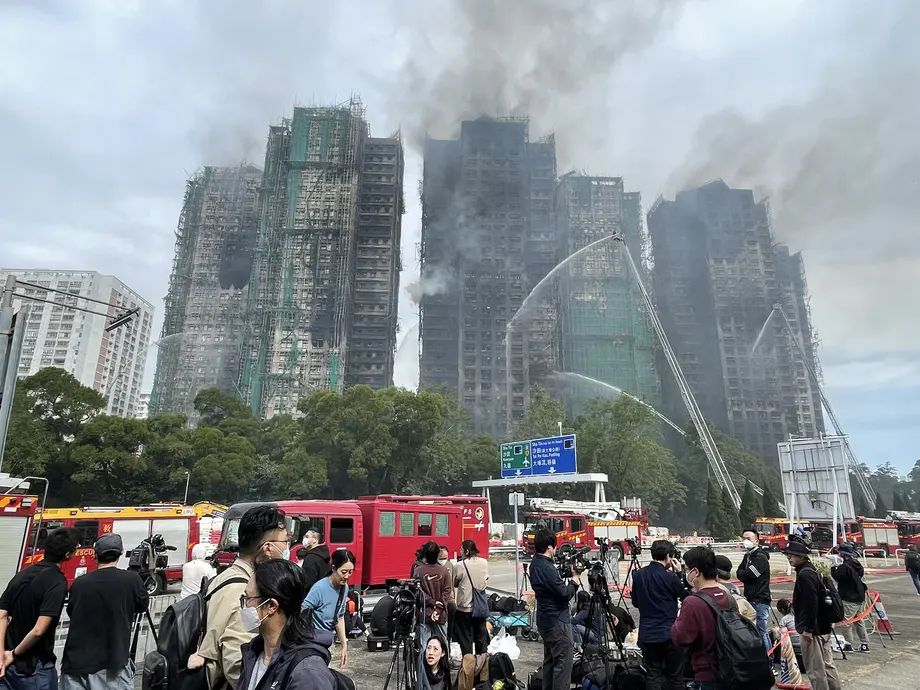
The Wang Fuk Court fire killed at least 160 people in November, bringing questions about government accountability into sharp focus. Less than two weeks after the blaze, Hong Kong held Legislative Council elections in which only candidates vetted by the government could stand.
Voter turnout was 31.9%, close to a record low. Chow did not vote, regarding abstention as the only safe way to express dissatisfaction while questions about responsibility for the disaster continued.
Chow also criticized what he saw as deeper problems contributing to the fire: collusion between officials and businesses, poor construction standards and lax oversight. In speaking publicly about the disaster, he voiced his frustration with conditions in the city.
"How long must Hong Kong endure this?" he asked publicly.
Several people were arrested for alleged national security offences after the fire, including a student who started an online petition calling for government accountability. The construction company responsible for renovation work at the site has not commented publicly, while the consultancy firm reportedly closed. Directors from both companies have been arrested.
The disaster became another setting in which demands for answers and the limits on public dissent came together. Chow's comments placed him among the few people continuing to criticize the government's handling of events openly.
From Ten Years to the 2019 Protests
Chow first gained international recognition as a co-director of "Ten Years", the 2015 dystopian anthology imagining a future Hong Kong under increasing influence from the Chinese Communist Party. The film won Best Picture at the Hong Kong Film Awards, although some cinemas refused to screen it because of its controversial content.
Chow directed the segment "Self-immolator", which asked how much Hong Kong residents would sacrifice for freedom and justice. He felt that the 2019 protests demanding democracy later supplied an answer to that question.
During those protests, Chow recorded the unrest extensively. His footage became "Revolution of Our Times", a documentary lasting two and a half hours, filmed from the frontlines. It premiered at the Cannes Film Festival in 2021 but has never been screened publicly in Hong Kong.
The documentary takes its name from the banned protest slogan "Liberate Hong Kong, revolution of our times". It brought Chow international acclaim while also increasing the professional risks surrounding his work, including the loss of investors that threatened "Deadline".
The sequence of his films and the changes in Hong Kong's rules shows how his career has developed alongside the city's political restrictions.
- 2015: Chow co-directed "Ten Years", including its segment "Self-immolator".
- 2019: He filmed the protests that became "Revolution of Our Times".
- June 2020: Beijing imposed the National Security Law on Hong Kong.
- 2021: "Revolution of Our Times" premiered at Cannes; in October, legislators expanded national security powers under the Film Censorship Ordinance.
- November 7, 2025: "Deadline" was released in Taiwan, while public exhibition in Hong Kong was refused on national security grounds.
Chow Chooses to Stay Despite Fear of Arrest
Chow acknowledges that he has been fortunate to avoid imprisonment for his work. He points to a climate in which people have been jailed for wearing "seditious" T-shirts and says his continued freedom surprises him.
The director described that feeling in stark terms.
"It is ridiculous that I can still live in Hong Kong without being in jail," he said.
Chow has discussed the possibility of arrest with his wife. The psychological burden remains substantial, but he has decided to use his freedom to speak publicly while he still can. His criticism extends beyond film censorship to disasters and the erosion of freedoms in Hong Kong.
Leaving the city would not remove his fear, Chow said, referring to Beijing's practice of targeting critics overseas. He explained why he intends to remain at home.
Even if we left Hong Kong, the fear would linger," he said. "I want to stay in Hong Kong and get used to living with fear.
What the Refusal Means for Hong Kong Cinema
Hong Kong was once known as the "Hollywood of the Far East", with a reputation for creative freedom and bold storytelling. Its film industry employs thousands of people and makes a substantial contribution to the local economy. Political restrictions are now changing both the stories that can be told and the practical conditions for making them.
Some filmmakers have chosen subjects that allow them to keep working commercially. Director Ho Cheuk-Tin, for example, has focused on topics such as the real estate market. Others have left Hong Kong. The departure of talent and capital threatens the city's ability to remain a hub for Asian cinema over the longer term.
"Deadline" brings these pressures into a story about academic expectations and student mental health, issues shared across East Asia. Its refusal shows how national security concerns can reach material that would not previously have been considered political. For Chow, the decision also connects to years of lost investment and growing reluctance among potential collaborators.
Chow remains in Hong Kong and intends to keep filming despite those obstacles. His stated aim is to continue documenting the reality of life in the city for as long as he is able.
The Essentials
- Hong Kong refused public exhibition approval for Kiwi Chow's "Deadline", citing national security concerns.
- The film stars Anthony Wong, examines academic pressure and student mental health, and was filmed in Taiwan in an unnamed Asian setting.
- "Deadline" received partial government funding in Taiwan and was released there on November 7, 2025.
- Authorities reviewed more than 39,000 films between November 2021 and July 2025, requiring national security edits to 50 and refusing approval to 13.
- No films were barred from screening in the five years before the Film Censorship Ordinance was amended.
- Investors withdrew 80% of the HK$8 million funding for Chow's "Say I Do To Me", and its main actor left over political risk.
- Chow's earlier works include "Ten Years" and "Revolution of Our Times", which has never screened publicly in Hong Kong.
- Chow will not appeal the refusal of "Deadline" and says he will remain in Hong Kong and continue making films.