China's arms makers retreat as global revenue hits a record
China's eight largest military companies in the Stockholm International Peace Research Institute's latest ranking recorded a combined revenue decline of about 10 percent, to roughly $88.3 billion, as corruption investigations disrupted procurement. Their retreat came while the world's 100 biggest arms companies increased revenue by 5.9 percent to a record $679 billion.
Contents
- China's arms makers retreat as global revenue hits a record
- How the purge reached senior commanders
- What the revenue figures measure
- Norinco suffered the steepest decline
- Aircraft and missile programs faced delays
- Naval expansion continues alongside financial pressure
- Why procurement reviews spread through production
- Suppliers face pressure when payments arrive late
- The Rocket Force and the 2027 milestone
- Why competitors grew while China slowed
- Which developments will show whether schedules recover?
- Key Points
The figures, covering 2024, show a sharp divide between China's defense industry and competitors benefiting from wars in Ukraine and Gaza, the replenishment of military stockpiles and wider military expansion. Japan's arms companies grew about 40 percent, Germany's rose 36 percent and United States companies gained 3.8 percent.
China's decline was large enough to make Asia Oceania the only region where companies in SIPRI's ranking recorded falling arms revenue. Without the Chinese slump, the region would have grown, supported by stronger domestic military budgets and export demand elsewhere.
The slowdown came despite three decades of increases in China's defense budget. Military spending continued to rise, but investigations held up contract approvals, deliveries and the acceptance of equipment. Companies therefore faced a gap between the government's spending plans and the revenue they could record.
President Xi Jinping's campaign against corruption has reached deep into the People's Liberation Army and its suppliers. Investigations and leadership changes prompted procurement reviews and additional oversight, pausing deals and extending schedules. The immediate pressure was on the machinery that turns military orders into completed deliveries and payments.
How the purge reached senior commanders
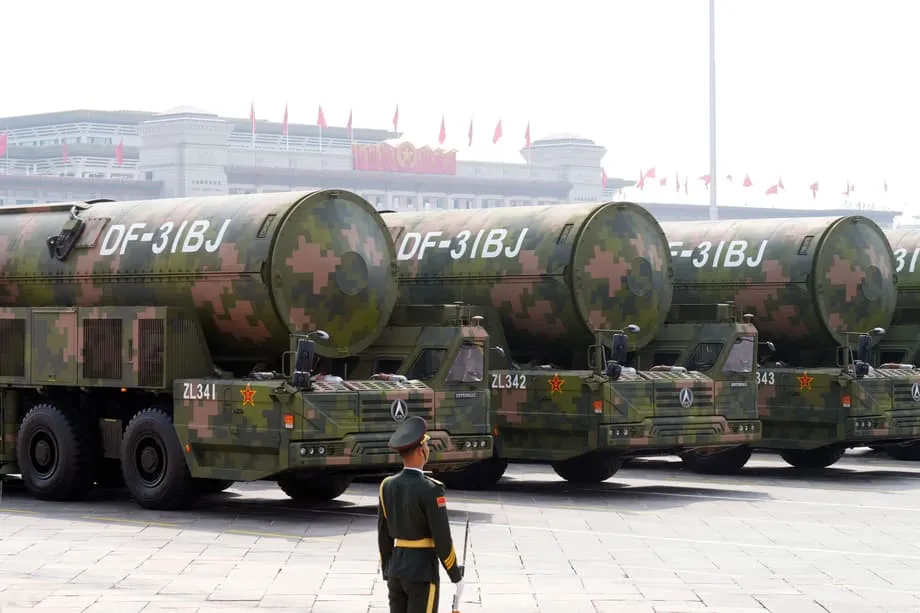
The Rocket Force, which operates ballistic, cruise and hypersonic missiles, became a focus of scrutiny in 2023. Its position in China's military makes disruption there especially consequential: the force operates weapons central to deterrence and plans for fighting a war.
In October, eight senior generals were expelled from the Communist Party on corruption charges. They included He Weidong, the country's number two general and a member of the Central Military Commission, the body at the top of the military command system.
Changes among senior commanders and defense executives spread uncertainty through procurement chains. Officials reviewed contracts associated with people under investigation, while new leaders faced decisions about approvals, testing and deliveries already in progress.
The main developments span several years:
- In 2023, the Rocket Force became a focus of the corruption campaign, while AVIC expanded batch production as the PLA replaced older aircraft.
- In 2024, procurement disruptions accompanied an approximately 10 percent fall in the combined arms revenue of the eight Chinese companies in SIPRI's ranking.
- In October, eight senior generals, including He Weidong, were expelled from the Communist Party on corruption charges.
- By December 1, 2025, the revenue figures showed the scale of the industry's slowdown ahead of the PLA's 2027 modernization milestone.
What the revenue figures measure
SIPRI's ranking covers major manufacturers of weapons and providers of military services. Its scope includes aircraft, missiles, naval vessels and battlefield electronics. The $679 billion global total therefore measures revenue across a broad range of military businesses.
China's roughly $88.3 billion accounted for about 13 percent of that total. The eight Chinese companies remained a substantial part of the global industry even after their revenue fell, while the global total reached a record.
Revenue depends on the timing of completed work. A military budget sets out spending, but a contractor records sales when deliveries or agreed stages of a contract meet the conditions for recognition. An order caught in review or renegotiation may therefore generate revenue later than expected.
Expanded audits can require managers to gather more documentation and seek additional approvals. Programs may slip by a quarter or more. When several projects face delays together, their effects accumulate across a company's accounts, reducing reported revenue and weakening cash flow even while future demand remains intact.
Norinco suffered the steepest decline
China North Industries Group Corporation, widely known as Norinco, recorded the largest fall highlighted in SIPRI's analysis. Its arms revenue dropped about 31 percent to $14 billion.
Norinco supplies land warfare equipment, including armored vehicles, artillery systems, rockets and munitions. Its decline followed internal upheaval during a corruption investigation, including the removal of its board chairman and the head of its military division.
Government reviews of contracts led to postponements and cancellations. Those decisions affected a business with an extensive network of suppliers, where a pause at the main contractor can also interrupt work and payments further down the production chain.
A short interruption can move revenue into the following year if equipment misses a delivery or acceptance deadline. When several programs are affected at once, the financial impact becomes larger. Norinco's fall shows how leadership changes and contract reviews can translate into a sharp annual decline.
Aircraft and missile programs faced delays
Aviation Industry Corporation of China, or AVIC, is the country's largest arms maker. Its operations include major aircraft factories in Chengdu, Xi'an and Shenyang. After expanding batch production in 2023 as the PLA replaced older platforms, the company experienced slower military aircraft deliveries the following year as oversight tightened.
Aircraft production depends on many components and suppliers arriving at the right stage. A delay in certification for a subsystem can hold up an entire batch, moving the associated revenue into a later quarter even when assembly lines remain busy.
China Aerospace Science and Technology Corporation, or CASC, also experienced project delays and additional scrutiny after leadership changes in recent years. The corporation is a key developer of missiles and space systems and anchors a large share of China's work in those fields.
Leadership turnover combined with stricter procurement oversight can lead agencies to recheck requirements, documentation and testing procedures. Across work involving ballistic, cruise and hypersonic systems, those checks can postpone trials or stretch the pace of deliveries as programs meet updated compliance requirements.
Naval expansion continues alongside financial pressure
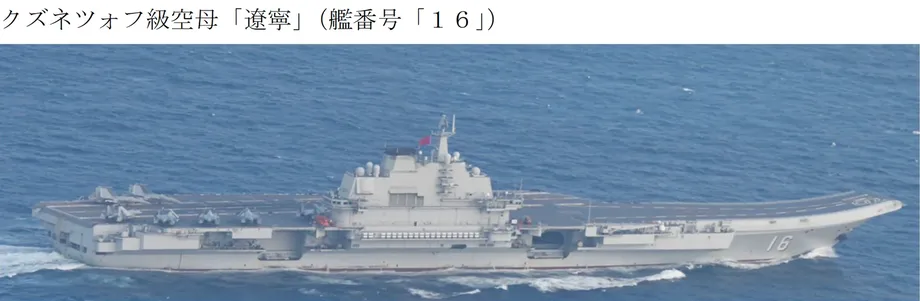
China State Shipbuilding Corporation has been a bright spot in the country's defense industry in recent years. Naval shipbuilding remains a priority, and the PLA Navy continues to introduce new surface combatants and the advanced aircraft carrier Fujian.
Shipyards face their own timing pressures. Final approvals and acceptance trials help determine when companies can record contract milestones and when their suppliers receive payment. A review that delays those steps can affect financial results while work in a yard continues.
China still fields the world's largest naval and coast guard fleets. It has also introduced advanced capabilities including new aircraft carriers, hypersonic systems and a growing inventory of drones for operations in the air and at sea.
The practical concern is the pace of further deliveries. Delays at major contractors and suppliers could slow the arrival of equipment at operational units over the next one to two years, affecting how quickly the military can put new capabilities into service.
Why procurement reviews spread through production
The Central Military Commission oversees China's centralized military acquisition system, with its Equipment Development Department responsible for major purchases. A corruption investigation near the top can lead to checks throughout that system.
When a senior officer or executive comes under investigation, officials may revisit signatures on earlier contracts, exceptions to requirements and testing approvals. New approvals can be withheld while successors are appointed and teams check compliance with fresh directives.
Programs may then require another bidding process or extra checks on the main contractor and important suppliers. Contract terms can be rewritten to include stronger provisions against corruption and stricter conditions for payment.
Auditors may also demand more detailed information about costs and delivery schedules. Officials responsible for risk can become less willing to accept delays or quality problems. Each step is intended to prevent abuse, but together they can extend the time needed to approve, produce and deliver equipment.
For companies, these changes make reliable documentation and predictable approvals more important. A production line depends on a chain of decisions about requirements, testing, acceptance and payment, as well as the physical work of building equipment.
Suppliers face pressure when payments arrive late
Large defense contractors and their suppliers can face a cash squeeze when acceptance decisions and payments tied to contract milestones are delayed. Subcontractors often need prompt payment to buy materials, pay workers and fund testing.
A supplier waiting for money may postpone investment in new tooling or reduce overtime. Those responses can slow production further, creating additional delays for the main contractor and other businesses working on the same program.
Engineering teams can also be diverted from development work to prepare responses for auditors. That reduces the time available for upgrades and innovation, activities that support a company's ability to compete over the longer term.
Tighter oversight raises the cost of compliance and increases the importance of transparent pricing and quality control. SIPRI researchers expect procurement to continue under stronger controls, with some programs facing higher costs and more measured schedules. Cleaner processes will require companies to manage payment cycles and the financial health of subcontractors carefully.
The Rocket Force and the 2027 milestone
The Rocket Force operates medium and intermediate range ballistic missiles, ballistic missiles designed to strike ships, and emerging hypersonic glide vehicles. These weapons place the branch at the center of China's deterrent and military planning.
SIPRI researchers warn that disruption within the force, combined with reviews of suppliers, could stretch schedules for advanced systems. Testing, certification and acceptance all rely on stable leadership and predictable procurement procedures, alongside the technology itself.
The PLA has set modernization milestones that include having key capabilities and readiness for war in place by 2027, the centenary of its forerunner, the Red Army. Procurement pauses can move test events, slow deliveries to operational units and complicate training plans.
New systems also require tactics, logistics and maintenance arrangements. Units need equipment at a predictable time to prepare personnel and support networks. Rising budgets provide financial backing, while delivery schedules determine how quickly that preparation can proceed.
Advanced missile, aerospace and cyber programs may face longer timelines under the tighter controls described by SIPRI researchers. The duration of the disruption and the precise schedules of affected programs were not given.
Why competitors grew while China slowed
Japan's five companies in SIPRI's ranking increased combined arms revenue by about 40 percent to roughly $13.3 billion. Their growth accompanied a policy shift allowing greater room to export certain lethal equipment and a broader effort to expand the country's defense industrial base.
Germany's arms companies increased revenue by 36 percent as orders connected to support for Ukraine and national rearmament plans reached their accounts. Across the wider market, wars in Ukraine and Gaza and military expansion in many regions supported demand.
United States companies grew by 3.8 percent, helped by orders to replenish stockpiles and contracts running over several years. Large backlogs and demand for munitions, air defenses and armored vehicles supported continued hiring and investment in production capacity, even where revenue growth was more modest.
China's experience ran in the opposite direction because procurement interruptions slowed the conversion of spending plans into sales. Elsewhere in Asia Oceania, stronger domestic budgets and export demand supported producers, but China's decline outweighed those gains in the regional total.
The difference could matter for competition. As other producers expand capacity, prolonged Chinese delays could give rivals room to advance in selected technologies and export markets. The outcome depends on how quickly Chinese contractors restore predictable approvals and deliveries.
Which developments will show whether schedules recover?
New contract awards to AVIC, Norinco and CASC will be useful indicators of whether procurement is gathering pace as investigations wind down and leadership teams settle. Fresh production batches of combat aircraft, artillery and missile systems will provide further signs of changing schedules.
Acceptance ceremonies for major platforms can show when equipment has passed an important delivery stage. Shipyard activity and sea trials will also help track whether naval programs are meeting their milestones.
The Rocket Force's testing tempo is another indicator. Regular flight tests and the introduction of new variants would point to movement through procurement and certification processes.
Changes to procurement rules or oversight of the Equipment Development Department could also affect how quickly contractors translate rising budgets into recorded revenue. Through 2027, the central industrial challenge is to keep stronger controls working while maintaining the flow of approvals, payments and equipment.
Key Points
- The world's 100 largest arms companies increased revenue by 5.9 percent to a record $679 billion in 2024.
- The eight Chinese companies in SIPRI's ranking recorded an approximately 10 percent decline, to roughly $88.3 billion.
- Corruption investigations disrupted procurement through contract reviews, postponed approvals, cancellations and slower deliveries.
- Norinco's arms revenue fell about 31 percent to $14 billion, while AVIC and CASC also faced delivery or project delays.
- China's decline made Asia Oceania the only region in the ranking with falling arms revenue.
- Japan's companies grew about 40 percent, Germany's 36 percent and United States companies 3.8 percent.
- China's defense budget continued to rise, while tighter oversight created pressure on schedules, payments and suppliers.
- Contract awards, missile tests and acceptance milestones will help show the pace of recovery ahead of the PLA's 2027 modernization target.