A Familiar Ingredient Leaves Hong Kong's Cafes
Ding How instant noodles will cease operations in December 2025 after 57 years, ending a business that once supplied roughly 80 percent of Hong Kong's cha chaan tengs, according to the company. Kam Yuen Food Company, its manufacturer, announced the decision on social media this week and thanked customers, restaurant operators and business partners for their support.
Contents
- A Familiar Ingredient Leaves Hong Kong's Cafes
- What the Company Announced
- Why Plain Noodles Worked So Well
- From Cafe Dominance to a Smaller Market Share
- Rising Costs Added to the Pressure
- The Timeline Behind the Farewell
- Beef Satay Noodles and Personal Memories
- A Changing Restaurant Economy
- Another Familiar Name Disappears
- What to Know
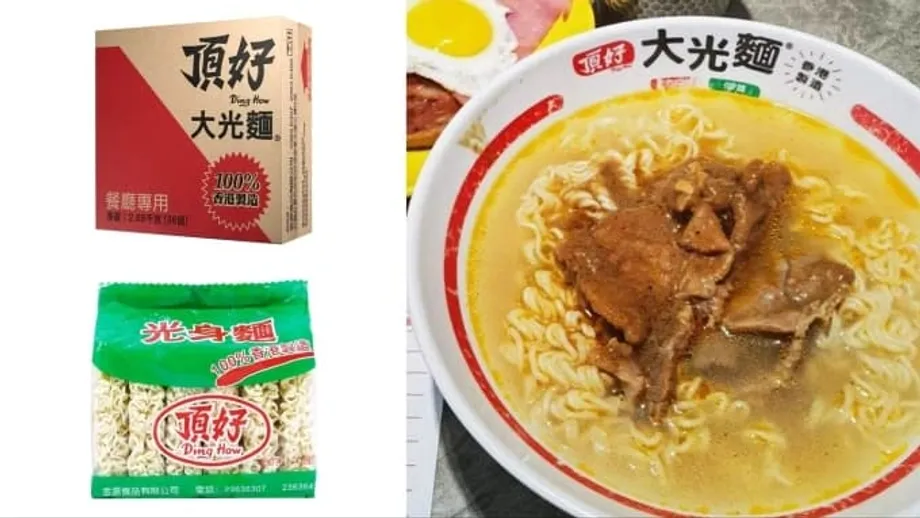
The closure will remove a familiar ingredient from kitchens across the city. Launched in the late 1960s, Ding How became a staple of Hong Kong style cafes, noodle carts and cooked food stalls. Its plain noodle bricks formed the base of quick breakfasts, late night suppers and countless bowls of beef satay noodles.
The company still counted more than 200 restaurants across different districts among its customers in March 2024. By last year, however, its market share had fallen to about one fifth as cheaper alternatives drew business away. A product that once dominated cafe kitchens had retained a loyal following while losing much of its commercial reach.
Kam Yuen's announcement prompted an immediate wave of farewell messages. Its company page recorded more than 4,000 sad reactions, around 500 comments and over 1,000 shares. The response showed how strongly diners associated the noodles with familiar meals, even when they had rarely seen the brand's packaging.
What the Company Announced
Kam Yuen Food Company said it would stop operating in December after considering the decision carefully. The announcement gave the month of closure, but no exact date.
The manufacturer explained its decision and thanked the people and businesses that had sustained it:
We have decided to cease the operation in December this year after thorough consideration. We want to extend our gratitude for the support and trust from our clients, partners and customers over the past 57 years.
The timing puts the farewell at the end of a difficult period for the company. Kam Yuen had already reduced its product range in May 2024, stopping production of its premium Super Dai Kwong Min and Hou Mei lines because of rising costs. December's closure brings that retreat to the business as a whole.
For restaurants still using Ding How, the departure means losing an ingredient built into their everyday cooking routines. For customers, it means a change to bowls whose taste and texture may have become familiar over many years.
Why Plain Noodles Worked So Well
Ding How's appeal rested partly on what it left out. Unlike retail instant noodles sold with seasoning sachets, its products were plain noodle bricks supplied in bulk to professional kitchens, with minimal packaging.
Cha chaan tengs, Hong Kong style cafes combining Western and Cantonese dishes, could use those noodles alongside menus ranging from milk tea and pineapple bun to baked pork chop rice and noodle soups. Cooks would blanch the noodles, add a house broth and finish the bowl with beef satay, fried egg, luncheon meat or fish balls.
Restaurants controlled the salt levels, soup bases and sauces themselves. A neutral noodle base could work in spicy satay broth for one order and clear bone soup for another. That flexibility suited kitchens serving many different dishes without needing a separate noodle product for each one.
Bulk supply and simple packaging also helped keep costs down, made storage easier and simplified inventory. The bricks had a consistent size and predictable cooking times. They cooked quickly during busy service while retaining their texture for the short journey from kitchen to table.
Ding How spread through dai pai dong style stalls, neighborhood shops and tea restaurants because those practical qualities mattered every day. Many customers knew the noodles through the bowl placed in front of them, rather than through a retail packet on a shop shelf.
From Cafe Dominance to a Smaller Market Share
Ding How says roughly 80 percent of cha chaan tengs used its noodles at the company's peak. That reach made it a common ingredient across Hong Kong's cafe trade, even though the restaurants supplied their own broths, sauces and toppings.
Competition began changing the market in the 1990s. Mainland manufacturers increased production and offered cheaper instant noodles to Hong Kong restaurants. Eateries that had once routinely ordered Ding How began switching to suppliers charging less.
A cafe selling a bowl at a modest price has to account for the cost of each ingredient. A difference of a few cents per serving can influence which supplier gets an order, especially when that choice is repeated across many bowls. Ding How retained loyal customers, but price competition gradually reduced its share.
By 2024, the company held about one fifth of the market. Alongside that reduced share, its count of more than 200 restaurant customers in March that year showed that it remained part of daily dining across multiple districts. Its position had weakened without disappearing from the city's kitchens.
Rising Costs Added to the Pressure
Kam Yuen faced higher production costs while competitors offered lower prices. Wheat prices had risen in recent years, and energy, rent and wages in Hong Kong strained the budgets of local manufacturers.
Those pressures work from opposite directions. More expensive ingredients and operating costs increase the money needed to make and supply noodles. Cheaper competing products limit how much a manufacturer can charge restaurants that are watching their own spending.
The gap between selling prices and costs, known as the margin, consequently became thinner. With rivals undercutting prices, sustaining Ding How's business grew harder each quarter. The decision to discontinue Super Dai Kwong Min and Hou Mei in May 2024 was an earlier sign of that strain.
Restaurant purchasing habits were changing too. Chains relied on central kitchens and standardized procurement, meaning ingredients were bought according to common arrangements across their operations. Some cafes moved to retail style noodle brands offering aggressive discounts.
Other restaurants obtained supplies from across the border through wholesalers delivering mixed pallets of staples. Buying noodles alongside other kitchen essentials gave them another route to cheaper supplies. Each change reduced the advantage of a local manufacturer whose strengths included fast delivery and familiarity with neighborhood kitchens.
The Timeline Behind the Farewell
Ding How's story stretches from its launch in the late 1960s to the closure announced this week. The major changes took place over decades, followed by a reduction in its product range last year.
- Late 1960s: Ding How launched, supplying plain instant noodles that became familiar in cafes, noodle carts and cooked food stalls.
- At its peak: The company says roughly 80 percent of cha chaan tengs used its noodles.
- From the 1990s: Cheaper noodles from mainland manufacturers began drawing restaurant customers away.
- March 2024: More than 200 restaurants across different Hong Kong districts still used the company's products.
- May 2024: Kam Yuen stopped producing the premium Super Dai Kwong Min and Hou Mei lines because of rising costs.
- By 2024: The company's market share stood at about one fifth.
- This week, before November 30, 2025: Kam Yuen announced that operations would cease in December after 57 years.
The timeline captures both the brand's long reach and its gradual contraction. The final announcement followed years of competition and a previous decision to narrow production.
Beef Satay Noodles and Personal Memories
Ding How's farewell message drew thousands of reactions and shares within hours. Customers connected the brand with family routines, snacks after school and the familiar smell of a busy tea restaurant.
One longtime diner, writing on social media, described choosing Ding How for a favorite beef satay order and expressed a wish to eat the noodles again:
I always chose Ding How noodles when I ordered a beef satay dish. Thank you for your dedication. Hope you will come back one day and I can eat your noodles again.
Another social media user summed up the attachment to that particular combination of noodles and topping:
From now on, beef satay noodles have lost their soulmate.
The messages reflected a relationship built through repeated meals. Diners associated Ding How with the texture and taste of a familiar order, while restaurant cooks valued an ingredient that behaved consistently during service. The farewell brought those two sides of the same product into view.
A Changing Restaurant Economy
Hong Kong's local operators have pointed to rising rent, labor and utility costs as continuing challenges. More global supply chains also bring imports at prices that local manufacturers can struggle to match.
Ding How's experience sits within that changing commercial setting. Its business depended on restaurants placing stable, repeat orders. When cafes changed suppliers, adopted different purchasing arrangements or faced shifts in customer traffic, those changes reached the manufacturer supplying their kitchens.
Patterns of work, commuting and dining changed after pandemic disruptions. Some neighborhoods saw fewer office lunches, while others attracted more shoppers crossing the boundary who favored different brands. Such movement put pressure on small producers accustomed to predictable demand.
The restaurant and manufacturer were linked through every bowl sold. A cafe's effort to keep ingredient costs manageable could mean choosing a cheaper noodle supplier. For a local producer already paying more for wheat, energy, premises and staff, losing those regular orders made the business harder to maintain.
Another Familiar Name Disappears
Ding How joins other longstanding Hong Kong institutions that have closed in recent years. Grand Ocean Cinema shut after 56 years, while Metropol Restaurant in Admiralty closed after 35 years in business.
Each closure had its own reasons. Together, however, they have contributed to a sense of loss among residents watching places and products associated with shared memories disappear. Ding How's departure brings that feeling into an especially ordinary setting: a bowl of noodles at a neighborhood cafe.
Cha chaan tengs are places where students cram, shift workers refuel and families stop for a quick meal between school runs. A supplier serving those spaces can become part of daily life without being the name on the restaurant's sign.
Ding How's cultural value grew from that repeated presence. Consistent bricks, familiar cooking times and a recognizable bite supported meals eaten across generations. Losing the supplier changes a routine for kitchens and customers alike, while reminding residents that the city they grew up in is changing in ways both subtle and visible.
What to Know
- Kam Yuen Food Company announced that Ding How instant noodles will cease operations in December 2025 after 57 years.
- The company says roughly 80 percent of Hong Kong's cha chaan tengs used its noodles at the brand's peak.
- More than 200 restaurants across different districts still used its products in March 2024.
- Cheaper mainland noodles drew customers away from the 1990s, and Ding How's market share stood at about one fifth by 2024.
- Rising costs led Kam Yuen to discontinue Super Dai Kwong Min and Hou Mei in May 2024.
- The farewell announcement drew more than 4,000 sad reactions, around 500 comments and over 1,000 shares.
- Customers linked the brand with everyday cafe meals, especially beef satay noodles.
- The closure follows the departures of Grand Ocean Cinema after 56 years and Metropol Restaurant after 35 years.