Taipei chooses direct talks with Washington
Taiwan is keeping its negotiations over United States semiconductor tariffs separate from South Korea, even as both economies seek protection for their chip industries. As of November 27, 2025, Washington is considering a possible delay to the proposed levies, leaving manufacturers and their customers waiting for a final policy.
Contents
- Taipei chooses direct talks with Washington
- A broad tariff system with a separate chip threat
- How the tariff debate developed
- Why Taiwan and South Korea matter to chip buyers
- Taiwan seeks a lower rate and protection for chips
- South Korea wants comparable treatment
- Export figures show different pressures
- Why Washington may wait or narrow its plan
- What buyers and investors are watching
- Key Points
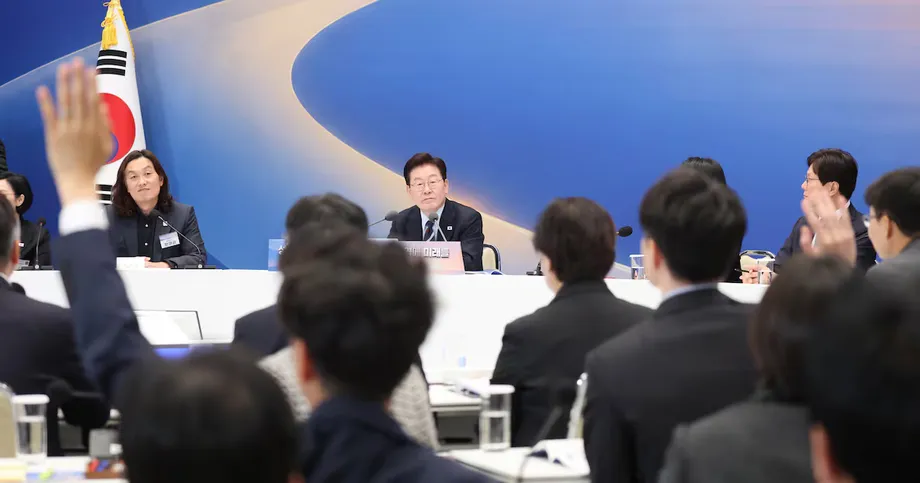
Premier Cho Jung tai told lawmakers that he had no information about cooperation with Seoul on the tariff question. He said Taiwan's trade team was negotiating directly with US counterparts. His comments followed a statement by South Korea's trade minister that there was room to coordinate with Taiwan over the proposed semiconductor duties.
The difference in approach matters because Taiwan and South Korea supply chips used across the global electronics industry. Both want predictable access to the US market, but Taipei is stressing negotiations between its own government and Washington, while Seoul sees scope for cooperation around shared interests.
Taiwan also has an immediate tariff issue outside its chip industry. Most of its exports to the United States face a 20 percent duty, which officials are trying to reduce. Semiconductors are currently excluded from that rate. A proposed chip tariff would therefore create a separate challenge alongside the talks already under way.
US officials have privately told partners that the long discussed semiconductor tariffs might not arrive soon. People familiar with the talks say a delay is under consideration. For the industry, that would provide more preparation time; for President Donald Trump's administration, it could change the schedule of a major part of its economic program.
A broad tariff system with a separate chip threat
Washington has applied broad tariffs to goods from more than 90 countries since early August. The administration presents the duties as a way to bring manufacturing back to the United States and encourage trading partners to negotiate new arrangements.
The rates vary. The European Union accepted a 15 percent tariff on its goods, while Taiwan faces 20 percent on most exports. Several economies in Southeast Asia that depend heavily on exports face higher tariff bands. Some countries secured rates below those originally threatened, and some duties were paused before being adjusted as negotiations progressed.
Asian markets absorbed those changes after months of uncertainty. Trade ministries nevertheless remain concerned about measures aimed at particular industries, especially semiconductors. Those measures could affect businesses differently from the broad tariffs already in force.
The White House has threatened a tariff as high as 100 percent on chips made outside the United States. Its stated aim is to speed investment in American chip factories. A tariff at that level would add a duty equal to the imported chip's value, creating a strong financial reason for companies to seek an exemption or change where production takes place.
Officials in Taipei and Seoul have said separately that major manufacturers with substantial US investment commitments could be exempt. The companies mentioned include Taiwan Semiconductor Manufacturing Co, or TSMC, Samsung Electronics and SK Hynix.
Washington has not released a final rule, a start date or detailed conditions for granting and retaining exemptions. Taiwan is therefore handling two issues at once: reducing its existing 20 percent tariff on most other exports and seeking protection for chips under any new measures.
How the tariff debate developed
The dispute has unfolded alongside changing trade rules and growing demand for chips used in artificial intelligence. The main developments fall into several stages:
- In the middle of 2025, Taiwan's exports reached records as spending on artificial intelligence increased orders for logic chips and advanced components.
- Since early August, the United States has applied broad tariffs to goods from more than 90 countries, with different rates negotiated by different trading partners.
- In August, Taiwan's exports rose more than 30 percent from a year earlier to roughly $58 billion, while its shipments to the United States increased by more than 60 percent.
- Over the same August period, South Korea's exports to the United States fell from a year earlier, although chip shipments for artificial intelligence remained firm.
- By November 27, Taiwan was stressing direct negotiations with Washington, South Korea had raised the possibility of cooperation with Taipei, and US officials had privately indicated that chip tariffs might be delayed.
The chronology shows why the semiconductor issue remains central even after broad tariffs took effect. Chips are a major source of export growth, and decisions about their treatment could change the balance between that growth and the pressure facing other industries.
Why Taiwan and South Korea matter to chip buyers
Semiconductors are the small processors and memory components that make phones, laptops, cars, data centers and artificial intelligence servers work. Logic chips perform calculations and run software. Memory chips store information and retrieve it when needed. Many electronic products require both.
Taiwan is home to TSMC, the world's largest contract chip manufacturer. Contract manufacturing means producing chips designed by other companies, including major smartphone and artificial intelligence chip developers. TSMC leads in advanced manufacturing processes that fit large numbers of transistors into a very small area. Transistors are the tiny electronic switches that allow a chip to process information.
South Korea has major positions in memory and logic. Samsung is a leading memory supplier and also manufactures logic chips under contract. SK Hynix is a major producer of memory used in servers, graphics cards and phones. Taiwan dominates contract production of the most advanced logic chips, while South Korea dominates memory and also competes in contract logic manufacturing.
Factories making these products cost tens of billions of dollars to build and operate. Production requires specialized equipment and extremely clean conditions at every fabrication stage. A disruption can spread beyond the chip industry because so many other manufacturers rely on its output.
The global electronics boom and the race to build artificial intelligence infrastructure have increased demand for both logic and memory. That helps explain why a semiconductor tariff could reach far beyond the companies that make chips, affecting the businesses that assemble devices and the customers who buy them.
Taiwan seeks a lower rate and protection for chips
Cho's statement to lawmakers placed Taiwan's own negotiating channel at the center of its response. Taipei's trade negotiators are working directly with the United States to lower the 20 percent tariff on most goods outside the semiconductor sector while seeking to keep chips outside any new levy.
Taiwan's president has described the 20 percent rate as temporary and said negotiations with Washington are continuing. That signals an expectation in Taipei that the rate can change through further talks, even while exporters operate under the current terms.
Taiwan's leadership has also described competition with South Korea in advanced technology as relatively benign. Both economies compete for business, but their strongest areas differ. Taiwan's position in advanced contract logic manufacturing and South Korea's strength in memory give each a distinct role in the same electronics supply chain.
Taipei's approach combines that competitive relationship with a preference for managing its tariff negotiations directly. Both governments want to protect their industries, but Taiwan's premier said he had no information about the cooperation suggested by Seoul's trade minister.
South Korea wants comparable treatment
South Korea's trade minister has said there is room for cooperation with Taiwan on chip tariffs. Seoul sees common ground because both economies export advanced semiconductors to the United States and are expanding American production to meet government priorities and customer demand.
South Korea recently reached arrangements with Washington that reduce some tariffs in exchange for large investments in strategic US industries. As part of those understandings, US officials pledged that semiconductor tariffs on South Korean goods would be no less favorable than terms offered to others in future deals.
That commitment matters if Taiwan or another major supplier later secures special treatment. Seoul is seeking to avoid a situation in which its manufacturers face less favorable tariff terms than competitors selling into the same market.
The two capitals' priorities overlap, but their negotiating positions reflect different economies, previous arrangements with Washington and domestic politics. Taiwan is still trying to reduce its broad 20 percent rate. South Korea is also looking to protect the comparative treatment promised within its recent understandings with the United States.
Large US manufacturing commitments are central to both strategies. TSMC, Samsung and SK Hynix have announced major projects involving advanced logic and memory. Officials in Taipei and Seoul see those commitments as a possible basis for exemptions, while manufacturers need predictable rules to plan spending and prices.
Export figures show different pressures
Taiwan's exports rose more than 30 percent in August compared with a year earlier, reaching roughly $58 billion. Shipments to the United States grew by more than 60 percent, and semiconductor exports rose at an even faster pace during that period.
The strength followed records set in the middle of the year as artificial intelligence spending increased demand for logic chips and advanced components. Taiwan's manufacturers were benefiting from demand in a sector that remained outside the current 20 percent US tariff.
South Korea's August results were more mixed. Its exports to the United States fell from a year earlier as renewed US tariffs affected categories including steel and some automobile parts. Chip shipments serving artificial intelligence uses remained firm.
The contrast shows how duties on goods outside semiconductors can affect a country's export results even when its chip industry has strong orders. Taiwan's growth and South Korea's weaker US sales also explain why both governments are pressing for clarity before another major export category faces new charges.
If advanced logic and memory retain exemptions, or receive exceptions tied to American investment, both economies could continue relying on their chip strengths while increasing US production in Arizona, Texas and other manufacturing centers. A broad tariff without clear exemptions would instead raise costs for many electronics producers that depend on their chips.
Why Washington may wait or narrow its plan
US officials are considering a delay amid several competing pressures. The United States relies on advanced chips for defense and critical infrastructure, and many of those chips currently come from overseas. Higher import costs could also add to inflation.
The administration must work through the legal steps needed to finalize a sweeping tariff measure. It also faces concerns from allies whose companies have invested heavily in American plants following policy signals over the previous two years. Those investments are substantial, but new factories take time to build and bring into production.
A delay would give Washington and its trading partners more time to consider measures aimed at particular products, companies or commitments. It would also give manufacturers longer to prepare for changes in import costs while their US projects advance.
Options under review include narrower tariffs that exclude leading investors in American facilities, waivers lasting for a set period and tied to production milestones in the United States, and agreements with individual countries that set cooperative safeguards for sensitive technologies.
Washington could also choose licensing requirements, quotas or national security reviews for certain chip categories instead of a blanket tariff. Licensing rules control permission to trade particular products, while quotas limit how much can be imported. Each approach would create a different set of conditions for manufacturers and buyers.
A more tailored policy could treat products differently. Advanced logic used in artificial intelligence servers, graphics memory for data centers, and chips for cars or industrial equipment could face separate rules. The cost to a company would then depend on the products it buys, their origins and the exemptions available.
What buyers and investors are watching
US importers pay tariffs when goods enter the country. They may absorb some of that cost or pass it on to customers. If a broad chip tariff took effect without generous exemptions, electronics containing many imported semiconductors could become more expensive.
Laptops, smartphones, servers, networking equipment and other connected devices would be exposed. The eventual price effect would depend on how much cost companies could absorb, how much inventory they already held, and whether future products could use suppliers that satisfy US rules.
Exemptions for major suppliers based on American investment and security assurances could keep price effects modest in the near term. Smaller chip manufacturers with little US presence could face higher costs and lose market share.
Investors are watching how much chip manufacturing capacity moves to the United States over the next two to three years. They are also watching the wording of any final tariff rule, particularly how exemptions are defined and how long they last. Building a factory is a lengthy and expensive undertaking, so those conditions can affect decisions made well before production begins.
Companies making servers, smartphones and cars are already adjusting their production networks. They are qualifying more suppliers and chip packaging partners in places facing fewer trade barriers. Packaging prepares chips for connection and use in finished products, making it another part of the supply chain that companies must plan.
That effort to make supply chains more resilient is likely to continue regardless of the tariff timetable. For Taipei and Seoul, the immediate goal remains predictable access to the US market while their leading manufacturers expand American production and continue serving global demand.
Key Points
- Taiwan's premier said he had no information about cooperation with South Korea on US chip tariffs and stressed direct negotiations with Washington.
- South Korea's trade minister said there was room to coordinate with Taiwan, while Seoul seeks semiconductor terms no less favorable than those offered to others.
- Taiwan faces a 20 percent tariff on most exports to the United States, with semiconductors currently excluded.
- The White House has threatened chip tariffs as high as 100 percent. Officials in Taipei and Seoul say major investors including TSMC, Samsung and SK Hynix could receive exemptions.
- US officials have privately indicated that semiconductor tariffs might be delayed as Washington weighs costs, legal steps and manufacturing commitments.
- Taiwan's August exports exceeded roughly $58 billion after growth of more than 30 percent, while South Korea's exports to the United States fell despite firm demand for chips used in artificial intelligence.
- Potential policy choices include narrower tariffs, temporary waivers tied to US production, agreements with individual countries, licensing rules, quotas and national security reviews.