A third day off moves onto the government agenda
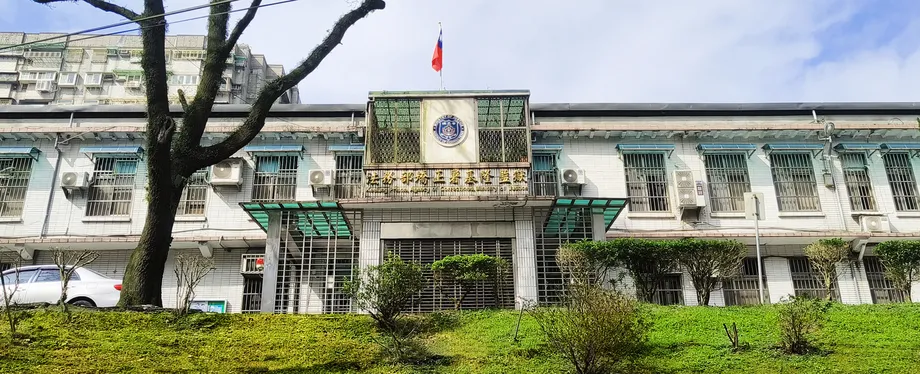
More than 5,700 people have endorsed a proposal for a working week of four days in Taiwan, triggering a formal government response due by December 7. As of December 3, 2025, the Ministry of Labor, led by Minister Hung Sun-han, is gathering views from workers, unions, employers and industry associations before deciding its next steps.
Contents
- A third day off moves onto the government agenda
- What happens before December 7?
- Why the 2023 proposal stalled
- Four longer days or fewer total hours?
- Why pay and fairness matter
- Factories and small firms face staffing pressures
- What international trials found
- Health, wages and workplace culture
- Which choices will determine the outcome?
- What to Know
The petition has renewed a debate in an economy where employees worked about 2,030 hours on average in 2024. That was roughly 10 hours more than in 2023 and placed Taiwan near the top of a comparison covering 39 economies. Supporters want more time for rest and family without smaller paychecks. Manufacturers, service businesses and smaller companies warn that fewer working days could create staffing gaps and raise costs.
Taiwan currently has a working week of five days and 40 hours, with two guaranteed rest days each week and nationwide public holidays. The proposal raises a practical question: should employees complete those same hours over four longer days, or should their total working time fall, often toward 32 hours, while pay and output stay steady?
Those choices would produce different results. Compressing the week changes when people work. Reducing hours changes how much time they spend working. Both require decisions about daily schedules, overtime, rest and the services that must remain available throughout the week.
An earlier proposal in 2023 did not advance. This time, the petition has again required the government to address the idea, while trials in the United Kingdom, Iceland and Japan have supplied examples of shorter schedules that maintained or improved output and helped workers' health and retention.
What happens before December 7?
Taiwan's Public Policy Online Participation Platform requires a formal response after a petition reaches its endorsement threshold. The proposal has cleared that threshold, making December 7 the deadline for the government's reply.
Hung has described the review as open ended. Taiwan's businesses differ in size, staffing and working patterns, so the ministry is seeking views across the economy. A schedule suitable for an office may be difficult for a factory operating several shifts or a service business that must remain open when customers need it.
Hung Sun-han, the minister of labor, described the ministry's current work in these words:
We are collecting input from various stakeholders.
The ministry's consultation is intended to assess feasibility and possible designs. Any approach could vary according to company size, the type of job and the way shifts are organized. No decision on adopting a shorter week has been announced, and no implementation date has been given.
The debate has developed across several dates:
- 2023: An earlier petition did not move forward after authorities cited limited evidence from abroad, broad effects on services and businesses, and missing support measures.
- 2024: Average annual working time reached about 2,030 hours, roughly 10 hours above the 2023 level.
- December 3, 2025: The latest petition had attracted more than 5,700 endorsements, and the Ministry of Labor was gathering views.
- December 7, 2025: The government must formally respond to the petition.
Why the 2023 proposal stalled
Authorities reviewing the earlier proposal said international evidence was still limited and that a nationwide change would affect much more than employees' calendars. Education, public services, financial settlement, transport schedules and business operations would all need attention.
Financial settlement is the process of completing payments and transactions. Changes to working days can affect when that process happens, just as changes to transport schedules can affect how people reach work or school. These were among the practical issues authorities identified in 2023.
The government also said supporting measures were not yet sufficient. A shorter week would require arrangements that allow businesses and public services to continue operating while employees take more time away from work.
Authorities pointed to flexibility already available under the Labor Standards Act, which allows working hours to be redistributed within existing limits. That framework generally allows hours to be compressed into a different schedule rather than reducing the total amount of work.
The renewed review therefore returns to both the evidence and the practical arrangements behind any reform. International experience forms part of the discussion, but Taiwan's different industries and employment patterns will shape what can work locally.
Four longer days or fewer total hours?
A compressed schedule would place the existing 40 hours into four working days. Employees would gain a third day off while spending longer at work on each remaining day. This could reduce commuting and make it easier to organize life outside work, but longer daily shifts could also increase fatigue.
Workers in roles where tiredness can affect safety would need particular attention. A third rest day and a longer working day have to be considered together, alongside overtime rules and required periods of rest.
A reduced hours model would shorten the total week, often to 32 hours. Many international pilots have followed a principle of 100 percent pay for 80 percent of working time, with a goal of maintaining 100 percent of output. Output means the amount of useful work completed, whether that is products made, services delivered or tasks finished.
The difference between 40 and 32 hours is eight hours, or one fifth of the current week. Maintaining the same output in that shorter period depends on reorganizing work: reducing meetings that accomplish little, standardizing procedures, improving handovers and using automation for routine tasks.
Employers would still need enough staff at busy times and across shifts. The aim is to free up time through better processes and more focused work, while maintaining service levels. Each model would need clear arrangements for rest, overtime and periods of peak demand.
Why pay and fairness matter
Worker groups argue that a shorter week should not mean smaller paychecks. Employers ask how they can protect their margins, the money left after covering costs, if staff work fewer hours. Overseas pilots commonly kept pay unchanged and tracked performance closely.
Hourly workers and employees working shifts make the pay question especially important. Any policy would need to address their earnings directly, alongside the ability of businesses to keep operating. Labor activists also link long working hours to a high cost of living that leaves some workers dependent on overtime pay.
Office employees may have more freedom to rearrange tasks than people working in logistics, healthcare or manufacturing. Those services often require someone to be present throughout an operating period. A shorter week could widen differences between workers unless the arrangements account for those separate needs.
Possible approaches include trials tailored to particular sectors, incentives to improve work processes and protections for hourly workers. Staggering days off across teams could help maintain coverage without requiring every employee to be absent on the same day.
Fairness also extends to gig workers, whose working patterns differ from conventional office or factory schedules. Policymakers would need to consider how any reform applies across those groups, rather than designing the entire change around the most flexible jobs.
Factories and small firms face staffing pressures
Taiwan's manufacturers run complex shifts tied to export orders and international supply chains. Factory managers warn that shorter weeks could raise the cost of each unit produced or complicate maintenance and logistics. Tight labor markets add to the difficulty of filling gaps.
Small and medium sized businesses often operate with lean teams and little spare staffing capacity. Even a small shortfall can affect customer service, production and accounting. Service companies face similar pressure when customers still expect the same opening hours and speed of response.
Hospitals, classrooms and care facilities also need workable arrangements. Demand for medical care, education and support does not disappear because employees have an extra day off. Any reform would need to preserve service levels while allowing workers to take their rest days.
Practical options include introducing reduced hours gradually at trial sites, staggering time off and investing in automation or tools that reduce routine work without lowering quality. Training in better planning and processes could help employers redesign schedules.
Clear rules would also be needed to prevent a shorter official week from becoming unpaid overtime. If employees finish the same workload at home or remain available during their rest days, the promised time away from work would be lost.
What international trials found
A major trial in the United Kingdom ran for six months and involved several dozen companies with roughly 2,900 employees. Most participants reported stable or higher output, lower stress and fewer resignations. More than nine out of ten participating firms decided to retain the model after the trial ended.
Employers cited easier recruitment, improved morale and revenue that rose compared with the previous year. Workers described having more time for rest, family responsibilities and errands, which helped reduce absences. These outcomes connect the case for shorter hours to staffing stability as well as personal wellbeing.
Iceland tested shorter hours in public services over several years. The results led many employees to permanent reductions in working time without pay cuts, supported by better scheduling and redesigned tasks.
Japan has experimented at company level. Those experiences showed that more focused working time, fewer meetings and changes in communication practices could improve output even when employees spent fewer days in the office.
The shared feature was a change in how work was organized. Trials sought to remove unnecessary tasks and make essential work more efficient. Their methods varied, and many participants volunteered to take part or worked in sectors with greater scheduling flexibility.
Manufacturing plants, call centers and hospitals face different demands from software companies or design studios. Taiwan's discussion therefore includes trials suited to particular sectors and ways to gather local evidence before committing to a broad change.
Health, wages and workplace culture
Taiwan's long working hours have concerned labor advocates, doctors and economists. Long shifts and frequent overtime are associated with fatigue, stress and illness. Across many studies, shorter schedules have been linked with less burnout and fewer sick days.
Employers can benefit when healthier workers are absent less often and fewer employees leave. Steadier staffing can reduce recruitment costs. These connections help explain why shorter weeks have entered policy discussions internationally, even though the arrangements remain optional at most businesses.
Labor groups in Taiwan have pressed for shorter working time alongside changes to wages and pensions. Coalitions of unions and nongovernmental organizations planned Labor Day actions calling for reduced hours, more public holidays, stronger protection against workplace bullying and higher pension contributions.
The groups also sought a lower threshold for forming unions and better bargaining arrangements. Activists connect long hours with employee turnover, safety incidents and the financial pressure that encourages reliance on overtime earnings.
Hung has said the government raised the minimum wage for ten consecutive years to reduce the pressure to work longer for bonuses and overtime. Pay remains closely connected to working time because an extra rest day has different consequences for someone with stable earnings and someone relying on additional hours.
Taiwan's workplace culture also prizes presence and responsiveness. Employees can face long days even when formal working hours are limited. A transition would need management training in work planning, realistic measures of performance and protections that allow rest time to remain free from work.
Which choices will determine the outcome?
Policymakers face decisions about the scope, cost and measurement of any change. Public health, business competitiveness and fairness all depend on the details of the schedule, not simply on granting a third day off.
The issues identified in the debate include:
- Scope: Whether to begin with trials in particular sectors or regions, or propose broad changes to the Labor Standards Act.
- Working hours: Whether the goal should be fewer total hours or a compressed schedule with clear rest and overtime protections.
- Pay: How to protect earnings for hourly workers and people working shifts while keeping businesses viable.
- Coverage: How hospitals, schools, transport and customer services would maintain service levels across three days off.
- Business support: Whether smaller firms should receive training, tax credits or technology grants to reorganize work and staffing.
- Measurement: How to track output per hour, employee retention, absences and safety when judging results.
- Fairness: How to account for office staff, factory teams, care workers and gig workers.
- Environment: Whether less commuting and lower workplace energy use could reduce emissions, and how extra leisure travel might affect those savings.
The December 7 response will be the next formal step. The ministry is still collecting views, with the central choices covering how much working time would change, how wages would be protected and how employers would maintain output and services.
What to Know
- More than 5,700 endorsements have triggered a mandatory government response to the petition by December 7, 2025.
- Labor Minister Hung Sun-han says the ministry is collecting views from stakeholders before deciding its next steps.
- Taiwan's employees worked about 2,030 hours in 2024, roughly 10 hours more than in 2023 and near the top of a comparison covering 39 economies.
- A 2023 proposal did not advance because authorities cited limited evidence, broad effects on services and businesses, and insufficient support measures.
- The debate covers compressing 40 hours into four days or reducing the total, often toward 32 hours, while aiming to preserve pay and output.
- Manufacturers and smaller firms warn about costs and staffing. Possible approaches include sector trials, staggered days off and better work processes.
- Trials in the United Kingdom, Iceland and Japan reported benefits from shorter schedules combined with changes to work organization.
- Labor groups connect shorter hours with wages, pensions, health, family time and stronger workplace protections.