Six familiar locations, a new name at the counter
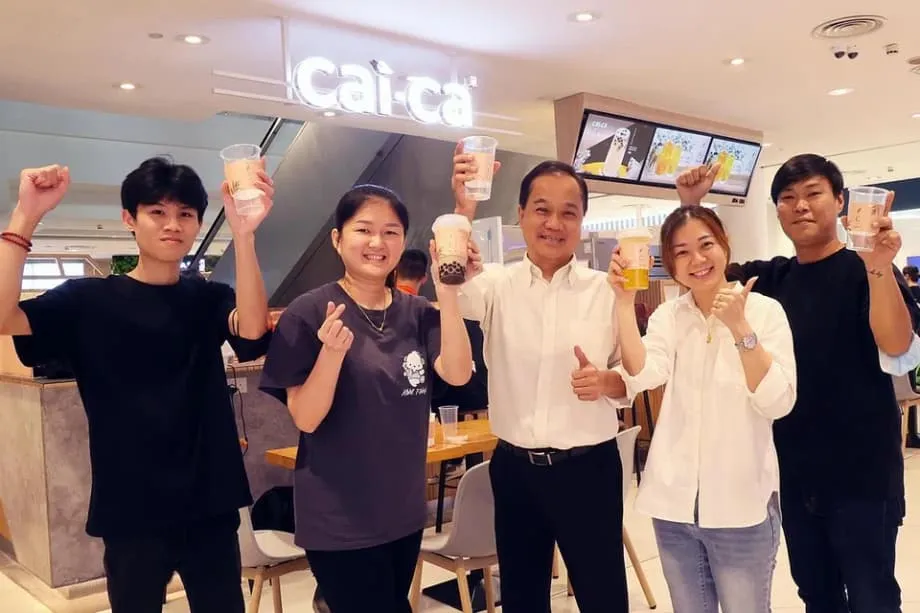
Cai Ca has reopened six former Gong Cha outlets in Singapore within weeks of the bubble tea chain's sudden October 2025 closure, bringing a menu built around soy milk tea into familiar shopping centres and a university campus. Behind the new brand is Kang Puay Seng, the former Gong Cha Singapore chief executive who also co-founded the Mr Bean soy milk chain.
Contents
- Six familiar locations, a new name at the counter
- How Kang and his team rebuilt the business
- Why these six stores reopened first
- What customers can order
- How Nutri-Grade fits into the menu
- Why soy milk is central to the idea
- A crowded market with little room for mistakes
- Where Gong Cha's exit fits in the timeline
- Early interest and practical details
- What Cai Ca needs to get right
- What to Know
As of November 26, 2025, Cai Ca is operating at Lot One, Bugis Junction, NUS UTown, King Albert Park, Northpoint City and Century Square. The quick changeover kept more than 20 full time employees in work and gave regular customers a new place to buy tea instead of leaving the former shops empty.
Kang's concept combines two priorities: drinks designed with Singapore's Nutri-Grade labelling rules in mind, and snacks that make a beverage into a small treat on the go. Its menu includes a fusion of tea and soy milk made from Japanese yellow soybeans, alongside fruit teas, classic milk teas and pure teas. Chewy pearls and glutinous rice balls add texture or provide something to eat with the drink.
Most of the menu's 32 drinks fall into Nutri-Grade B or C, with brown sugar selections outside that range. The grades give customers a quick way to compare sugar and saturated fat content, making the recipe itself part of the brand's effort to stand out.
Cai Ca is starting with a smaller footprint rather than recreating Gong Cha's former network. Higher rents and expired leases affected which stores could reopen. Management's stated priority is to establish a clear identity, improve consistency and expand when the concept is ready and suitable locations become available.
The launch also comes before a planned return by Gong Cha in 2026, giving the new local business time to develop its own following while former customers wait for the international chain's next chapter.
How Kang and his team rebuilt the business
Kang has experience in both sides of Cai Ca's central idea: tea shops and soy drinks. He helped bring Gong Cha back to Singapore in 2017 after an earlier franchise exit, while his work with Mr Bean gave him experience selling soy beverages and snacks.
The local Gong Cha franchise ended at the end of September 2025. Kang and his team then regrouped to create Cai Ca at speed, with the twin aims of preserving jobs and continuing to serve tea through a new brand with a local identity.
More than 20 full time staff stayed through the transition. Experienced store managers and tea makers moved into the new operation, while procurement and operations staff adjusted to new ingredients and branding. Keeping those teams together helped the business reopen quickly with continuity in service.
The short preparation period involved long nights revising recipes, testing sugar levels and adjusting tea extraction. Extraction means drawing flavour from tea leaves during brewing. Getting it right matters because the strength and character of the tea must work with the soy milk and any toppings.
For customers returning to a familiar neighbourhood outlet, the aim was a smooth changeover despite the new name and menu. Behind the counter, that required experienced staff to learn different recipes while keeping service reliable.
Why these six stores reopened first
Lot One, King Albert Park, Bugis Junction, Northpoint City, Century Square and NUS UTown give Cai Ca a presence across several kinds of customer catchment. The locations combine neighbourhood shopping, busy central areas and campus demand.
Lot One in Choa Chu Kang and King Albert Park provide a western presence. Century Square adds an outlet in the east, while Bugis Junction and Northpoint City bring access to busy shopping destinations. NUS UTown places the brand among students and other campus customers.
Some former Gong Cha sites were no longer viable because rents had risen or leases had expired. Cai Ca's choice of six stores reflects those property constraints as well as its preference for a manageable opening network.
Management plans to add locations only when operations and branding are mature enough to support growth. That makes site selection part of the business strategy: a popular address still needs rent and operating costs that the shop can sustain.
What customers can order
Cai Ca's signature offering blends tea with soy milk produced from Japanese yellow soybeans. The soy milk contributes a smooth texture and nutty aroma, which the brand pairs with roasted and floral teas.
Da Hong Pao Chewy Pearl Soy Milk Tea combines a roasted tea note with chewy pearls. Osmanthus Soy Milk Tea offers a floral profile, while soy brulee provides a creamier option. These drinks give the new chain a recognisable centre to its menu rather than simply continuing the former shop's selection.
Customers who prefer other styles can choose classic milk tea, fresh milk tea, fruit teas or pure teas. Peach Fruit Tea and Golden Osmanthus Tea are among the options for people seeking drinks without dairy or a lighter tea profile.
Glutinous rice balls are available as a snack alongside a drink. Together with chewy pearls, they offer the soft and chewy textures that can turn a cup of tea into something closer to a dessert.
Sugar and ice levels are adjustable. Reducing added sugar gives customers a way to lower sweetness and calories while retaining the tea's flavour. The range also lets people choose between a fuller milk tea, a fruit drink and a simpler tea according to their preferences.
How Nutri-Grade fits into the menu
Singapore's Nutri-Grade system assigns beverages a letter from A to D based on their sugar and saturated fat content. A indicates the lowest levels, while D indicates the highest. The purpose is to make those contents visible so customers can compare drinks quickly.
The scheme first applied to prepacked beverages and was extended to freshly prepared drinks on December 30, 2023. Under the rules described for these drinks, sellers must display grades on menus and dispensers, and advertising is restricted for lower graded items.
Cai Ca's menu has 32 drinks, most graded B or C, with brown sugar drinks as the exception. Its positioning therefore sits within a broader bubble tea market in which many menus cluster around B and C after efforts to reduce sugar while preserving flavour.
Sweetness can come from several parts of an order, including syrups, pearls and other toppings. Soy milk can reduce saturated fat compared with some dairy preparations, but the finished drink's grade still depends on its total sugar and saturated fat content as sold.
For a customer, the practical task is to consider the whole cup: the tea and milk base, the chosen sweetness and any additions. Cai Ca's soy focus and adjustable sugar settings provide choices within that process.
Why soy milk is central to the idea
Soy already has a familiar place in Singapore's food culture. Traditional dessert beancurd and soy milk from hawker stalls have long made its flavour part of everyday eating and drinking. Chains such as Mr Bean have extended those habits into convenient snacks and chilled beverages.
Kang's new brand draws on that familiarity. Combining tea fragrance with a beany aroma and creamy texture gives customers something different from conventional milk tea without introducing an entirely unfamiliar ingredient.
Dietary preferences are another part of the appeal. Many East Asian adults experience some degree of lactose intolerance, making alternatives to dairy attractive. Lactose is the sugar found in milk, and people who have difficulty digesting it may prefer a drink made without dairy.
Soy supplies protein without the lactose in milk and usually contains less saturated fat, particularly when a drink has no cream topping. The final recipe remains important because sweeteners and toppings also contribute to what a customer consumes.
Chewy pearls and glutinous rice balls bring a dessert texture without requiring heavy cream. For customers managing their sugar intake, the attraction is a familiar treat with choices about the base, sweetness and additions.
A crowded market with little room for mistakes
Singapore's bubble tea market brings established chains into competition with a steady flow of new entrants. Popular malls can have several tea counters along the same corridor, giving customers plenty of choice and operators a demanding contest for repeat visits.
Lot One illustrates that pressure. Cai Ca is one of several bubble tea brands serving shoppers there, so a convenient location alone is not enough to create customer loyalty.
Product quality, quick service and recognisable flavours are central to winning regular orders. Limited time toppings and attention on social media may bring people to a counter, but the everyday experience is what customers encounter each time they return.
Cai Ca is betting on its soy milk tea, emphasis on health grades and experienced local team to become part of those routines. Smaller businesses may have less room for large discounts, while decisions made close to store operations can allow faster changes to recipes, toppings and seasonal specials.
Competitors can also introduce soy drinks, more fruit options or more beverages with B grades. Nutri-Grade has already encouraged tea chains to rethink recipes and provide clearer choices about sugar and ice, so Cai Ca enters a market where customers increasingly expect that information.
Where Gong Cha's exit fits in the timeline
Gong Cha's October closure was another turning point in a Singapore history that has included an earlier departure and return. The brand was founded in Kaohsiung in 2006 and entered Singapore in 2009.
Its outlets were converted to LiHo during the 2017 exit, before Gong Cha returned later that year under a different local operator. Kang was involved in that return. The latest franchise ending has now led to Cai Ca occupying six former locations.
- 2006: Gong Cha was founded in Kaohsiung.
- 2009: Gong Cha entered Singapore.
- Mid-2017: Gong Cha exited Singapore, with its outlets converted to LiHo.
- Late 2017: Gong Cha returned under a different local operator.
- December 30, 2023: Nutri-Grade rules were extended to freshly prepared beverages.
- End of September 2025: The local Gong Cha franchise ended.
- October 2025: Gong Cha closed all its Singapore outlets.
- By November 26, 2025: Cai Ca was operating at six former Gong Cha locations.
- 2026: Gong Cha plans to relaunch with new local franchisees.
Gong Cha has said its planned 2026 return will be part of a wider revamp. No exact relaunch date was given. Cai Ca has a window to refine its operations and establish regular customers before seeing how the returning chain positions its menu and prices.
Early interest and practical details
NUS UTown, Lot One and Northpoint City have seen early curiosity and a steady flow of first orders, from campus customers to families visiting the malls. Community pages have also flagged the Century Square opening in a former Gong Cha unit.
Cai Ca's store listings describe an emphasis on natural aroma and a careful blend of tea with Japanese soy milk. That message connects its distinctive ingredient with the brand's focus on lighter drink profiles and visible nutrition grades.
Customers can find the chain at Lot One, Bugis Junction, NUS UTown, King Albert Park, Northpoint City and Century Square. Prices and opening hours vary by location, while customised sugar and ice levels are available across the menu.
The company has indicated that more campus locations are likely, viewing student demand as a good fit for value and control over sweetness. Its broader expansion approach remains measured, with new stores dependent on the readiness of the operation and the availability of suitable premises.
What Cai Ca needs to get right
Cai Ca's next business challenge is consistency across its six shops. Reliable supplies of Japanese soy milk, careful staff training and precise tea preparation will matter during busy periods as much as during quieter hours.
Soy and tea are sensitive to temperature and brewing time. Small changes in preparation can alter flavour and texture, so a chain created quickly needs clear standards and close oversight to keep a drink tasting the same at a campus outlet and a mall counter.
The company also needs to balance growth with property costs. Higher rents and expired leases already helped determine its starting footprint. Careful site selection remains central to avoiding pressure from premises that cost too much to operate.
Cai Ca's local story and ability to develop products quickly give it ways to compete. Maintaining its B and C drink profiles while delivering distinctive tea flavours is the core test of its promise to combine taste with clearer nutrition information.
What to Know
- Cai Ca has reopened six former Gong Cha outlets in Singapore.
- Founder Kang Puay Seng was Gong Cha Singapore's chief executive and co-founded Mr Bean.
- More than 20 full time employees stayed through the transition.
- The locations are Lot One, Bugis Junction, NUS UTown, King Albert Park, Northpoint City and Century Square.
- The menu centres on tea blended with soy milk made from Japanese yellow soybeans.
- Most of its 32 drinks are graded Nutri-Grade B or C, with brown sugar selections outside that range.
- Classic milk teas, fresh milk teas, fruit teas, pure teas, chewy pearls and glutinous rice balls are also available.
- Sugar and ice levels are adjustable; prices and hours vary by outlet.
- Cai Ca is pursuing measured expansion after rent increases and lease expiries affected former sites.
- Gong Cha plans to return in 2026 with new local franchisees as part of a wider revamp.